
Our biotech stock research is curated by the Sharewise equity analyst and research team, reviewed and updated monthly as the markets move.
Biotech companies provide research and development into new treatments and diagnostics for health challenges such as cancer, autoimmune diseases and genetic disorders. Biotech is an exciting area driven by bold new approaches and expanding demand.
Australia is known for its scientific expertise and R&D tax incentives, and ASX biotech stocks offer investors an accessible way to invest in the sector. The chief attraction lies in the potential for outsize gains from a small investment, should a drug be successfully commercialised.
Most biotech stocks on the ASX represent companies who are pre-revenue, and whose value is based on what their clinical pipeline could become. This makes the sector both high potential and high risk. Value can be hard to judge, being wrapped in scientific and regulatory detail.
Our free biotech stocks ASX report looks beyond the latest headlines to identify biotech stocks with high potential, solid cash positions, experienced management and advantageous pipelines.

For investors, biotech industry stocks can offer substantial upside from a relatively small investment if a product becomes successfully commercialised. As populations age and chronic diseases become more prevalent, demand for biotech therapies is expected to grow, and tends to be less tied to economic conditions than many other sectors.
Australia is internationally noted for its well-established medical research sector, and the ASX hosts a broad range of Australian biotech stocks spanning areas such as cancer treatment, immunology, infectious diseases, vaccines and genetic medicine.
Activity is supported by the Australian Government’s Research and Development (R&D) Tax Incentive, which helps offset significant R&D costs and allows companies to extend the time their cash can fund trials and research.
Some Australian biotech companies also form partnerships with larger, often global, pharmaceutical companies, whose resources fund research and provide a pathway to commercialisation through existing sales and distribution networks. Licensing deals can also generate revenue via progressive payments, or through future sale royalties.
Balancing this promise is the sector’s high volatility, driven by the fact that many promising drugs do not reach commercialisation, and investor sentiment can change markedly on a single announcement.
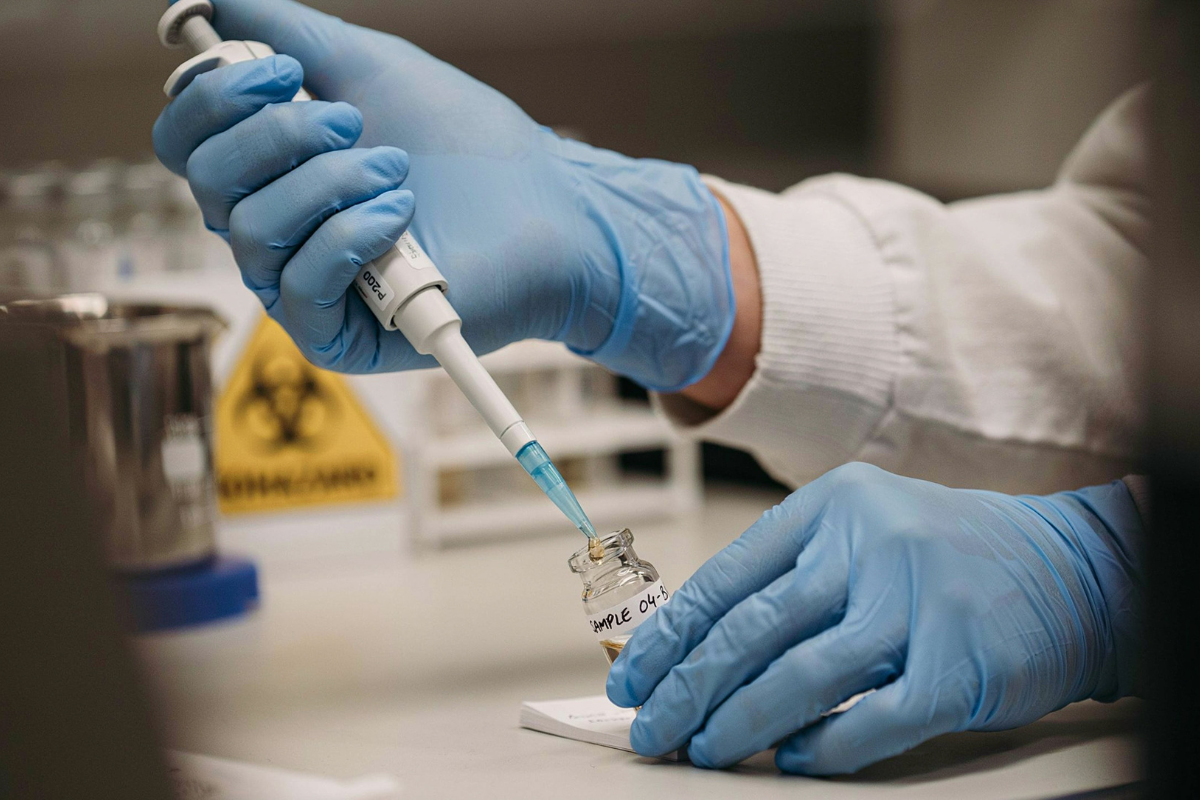
Biotech stocks on the ASX include companies focused on drug design or diagnostic testing, as well as those providing R&D related services. Biotechs may be at early research or clinical trial stages, or have a commercial-stage product.
The following biotech stocks are a representative sample of this spectrum and may be worthy of further research. Whether they are an appropriate choice for an individual investor will depend upon investment goals and fit within the broader investment portfolio.
Key activities: Develops radiopharmaceuticals for cancer imaging and treatment, with commercial products including Illuccix for prostate cancer imaging and a pipeline of targeted therapies. Its lead therapeutic candidate, TLX591-Tx for advanced prostate cancer, is in a Phase 3 trial.
Why watch: Telix has both commercial and clinical stage programs, is advancing multiple products targeting different health issues, and has an established manufacturing network.
Key activities: Develops cellular medicines for serious inflammatory conditions and other diseases, including Ryoncil, an approved treatment for paediatric patients with steroid-refractory acute graft-versus-host disease.
Why watch: Receives commercial revenue from Ryoncil while pursuing other development opportunities. Its lead program for chronic low back pain, rexlemestrocel-L, has completed patient treatment in a Phase 3 trial.
Key activities: Develops treatments for serious brain diseases. Its licensed drug trofinetide is approved for Rett syndrome in the US, Canada, Israel and the European Union, while Neuren develops additional drug candidates.
Why watch: Receives royalties from trofinetide sales, with the drug recently approved in the European Union. NNZ-2591 for Phelan-McDermid syndrome is currently in a Phase 3 trial.
Key activities: Develops DMX-200, a drug candidate for serious kidney disease.
Why watch: DMX-200 is in a Phase 3 trial and has been licensed to five regional partners, with further milestone payments and royalties dependent on trial results and regulatory approval.
Key activities: Developing a proprietary delivery platform for RNA-based therapies for inherited genetic diseases. Its pipeline includes PYC-003 for autosomal dominant polycystic kidney disease and PYC-001 for autosomal dominant optic atrophy.
Why watch: A clinical stage biotech stock offering early exposure to emerging precision RNA therapies, with PYC-003 in Phase 1 and PYC-001 in a Phase 1/2 study. The delivery platform may enhance treatment effectiveness.
Key activities: Clinical stage biotech developing copper-based radiopharmaceuticals designed to detect and treat cancer, with three products in active clinical development.
Why watch: Multiple potential products targeting significant cancers, including breast and prostate cancer. SAR-bisPSMA is in a Phase I/IIa trial for treating advanced prostate cancer and in two Phase III trials for prostate cancer imaging.
Other stocks to assess include healthcare stocks CSL Limited (ASX: CSL), Cochlear Limited (ASX: COH), ResMed Inc. (ASX: RMD), and Percheron Therapeutics (ASX: PER).
Company details and project status are current as of October 2026.
Biotech companies are R&D-driven, often focused on clinical trials, and pre-revenue generation. To invest confidently in ASX biotech stocks, it is important to understand the clinical trial pipeline, and where each company sits within it.
Preclinical phase: Tests a potential treatment in laboratory studies, to assess likely safety and biological effects before testing in humans.
Phase I: Tests potential treatment in a small group of people to assess its safety, side effects and how the body responds to it.
Phase II: Expands testing to a larger group (commonly up to 300) to evaluate how well it works and gather further safety information.
Phase III: Tests the treatment in hundreds or thousands of patients, often comparing outcomes against existing treatments or a placebo. This phase provides evidence for regulatory approval.
Regulatory approval: Evidence of safety, quality and effectiveness is submitted to the relevant regulator, to obtain approval before marketing. Many Australian biotechs pursue approval from the US Food and Drug Administration (FDA) as well as, or instead of, Australia’s Therapeutic Goods Administration (TGA), as the US presents the largest commercial market.
As a treatment moves along the trial pathway, the investment risk tends to decrease. However, at any stage a trial may halt due to unfavourable results, a lack of funding or approval. Trial outcome announcements and regulatory decisions act as ‘binary events’ that can change investor sentiment significantly, and move a biotech share price sharply in either direction.

Research, advisory, execution and corporate finance under one roof — with every recommendation backed by in-house analysis from our Chief Investment Officer, Rabih Ahmed, and his equity research team.
Every call is grounded in company fundamentals and technical analysis, with a stated thesis and defined entry and exit levels - so you know what you're buying and when to act.
Every client gets their own share advisor — a licensed professional who knows your holdings, tracks the market daily, speaks with our analysts every day, and is reachable during market hours and beyond.
Explore Share Advisory →Professional trading technology across ASX, US and global markets. Stop losses, take-profits and position sizing are set at entry, and every trade is executed only on your approval.
How execution works →Institutional-grade coverage of ASX small and mid-cap companies across healthcare, resources, technology and energy - stocks most retail research never reaches.
Access the research →In-person events and webinars featuring ASX-listed companies, where you can meet management and put your questions to them directly.
Explore the Investor Hub →Access to placements, IPOs and capital raisings through our corporate finance desk.
Explore Corporate Finance →When seeking out the best biotech stocks on the ASX, look beyond the current share price and hot tips. Because many biotech companies are not yet producing revenue, standard metrics such as price/earnings ratios will be of limited use in your assessment. Consider broader factors, including the following:
Cash Runway: Biotech companies may take years before generating revenue, making cash position important. Review quarterly cash flow reports to understand cash availability, expenditure, and how long current funding may last. A longer runway allows more milestones to be reached before requiring new fund raising.
Drug Market, Pipeline and Diversification: Look at the number of drug candidates being developed, the stages reached, and competing drug candidates. A company relying on a single drug is more exposed if clinical trials fail, development is delayed, or another treatment targets the same medical need. However, a broader pipeline requires more funding.
Trial Stage and Upcoming Catalysts: Generally, the earlier the phase, the higher the risk of a drug not making commercialisation. Note upcoming milestones or announcement timings, as these can impact future funding and significantly sway investor sentiment.
Partnerships and Licensing: Partnerships with established pharmaceutical companies can provide funding, development expertise, manufacturing and delivery infrastructure, and access to global markets. Licensing deals can provide additional funds during or at the end of the trial process.
Board and Management Track Record: Biotech requires both scientific and commercial expertise. Look at the track record for both.
Capital Raisings: Review the company’s history and likely future ability for capital raising. Frequent raisings by share issue can dilute existing shareholders, but additional funds may be needed to continue R&D or commercialisation.
To help research biotech stocks ASX and ensure you’re investing based on sound analysis, download our free report or speak to an expert ASX share advisor.

From your first strategy session to ongoing advice and trade execution, here's what working with Sharewise looks like at every stage.
Become a member and get full access to our research, advisory and support - with clarity on exactly what's included from day one.
Start fresh or transfer an existing portfolio across - individual, joint, SMSF, company or trust, with access to ASX, US and global markets.
Your central hub: view your portfolio and open positions, read our research and market updates, and see every recommendation — on desktop or mobile, 24/7.
Sit down with your share advisor to walk through how Sharewise works and how we can support your investing with research-backed guidance grounded in fundamental and technical analysis.
Your advisor brings you opportunities across ASX and international markets as they arise, and trades are executed only on your approval.
As a client, you may be eligible for placements, IPOs and capital raisings sourced through our corporate finance desk.
ASX biotech stocks can be appealing to investors seeking outsized gains and with a high tolerance for risk. Before investing, it is important to understand the risks and volatility inherent in the biotech sector, and how this may impact each company being considered.
Clinical trial failure or delays: Clinical trials can fail at any stage, and delays can increase development costs and push back potential revenue. A single disappointing trial result can rapidly wipe off market value, particularly for single-drug biotech stocks.
Regulatory rejection: Positive clinical trial results do not guarantee regulatory approval, and a successful trial doesn’t always lead to commercialisation.
Cash burn and development timelines: Research, trials and regulatory applications can take years, before revenue is generated. Delays, rising interest rates and costs can make it harder to finance or sustain development.
Shareholder dilution: Repeated capital raising via shares can dilute current shareholders, particularly if raised at a discount to the current share price.
Low liquidity: Smaller biotech industry stocks can have low trading volumes, making shares harder to buy or sell at a desired price.
Competition: Even when a drug receives regulatory approval, other treatments may offer greater efficacy, fewer side effects, lower costs or a more convenient treatment option.
Patent expiry: Patents help protect a biotech’s intellectual property and can provide a period of market exclusivity. When patents expire, competing products put pressure on profits.
These risks can be managed, but not eliminated, through diversification across companies and drug development stages, careful position sizing and thorough research into individual companies.

When investing in biotech stocks (ASX), manage risk by keeping these tips in mind:
Diversify: Spread exposure across several companies and development stages, rather than betting on one trial. Keep in mind that commercial-stage biotechs and multi-drug pipelines typically carry less risk than single-asset developers.
Position sizing: Keep biotech stocks as a small growth allocation within the investment portfolio, and look to balance it with lower risk classes of stocks.
Take a long-term view: Focus on cash runway, clinical evidence, funding needs and commercial prospects, rather than trading on announcement headlines.
To help ensure you’re investing based on quality analysis, download our free report and speak to a specialist ASX share advisor.

Biotech stocks are companies listed on the Australian Securities Exchange (ASX) that use biological science to develop therapies, diagnostic tools and healthcare innovations, or companies that provide services for this development. Many biotech stocks are early-stage businesses yet to generate revenue.
Biotech stock companies focus on the research, development and trial of new bioscience treatments, and are typically pre-revenue generation. Pharmaceutical companies often focus on developing, manufacturing and commercialising medicines, and will be generating revenue from their treatments. These categories can overlap somewhat, and some companies may undertake both early research and trials, and sell commercialised drugs.
Clinical trial results can have a swift and marked effect on biotech stock ASX prices. A trial setback or failure can wipe off a large proportion of market valuation within a single trading day, whereas more promising announcements can significantly increase interest in the stock.
Yes, ASX biotech stocks are considered a higher risk investment. Biotech stock prices can be volatile, and the timeline from pre-revenue R&D stages to generating sustained revenue can take years. Investors can help manage risk by holding a range of biotech stocks, considering each company’s stage within the trial pipeline, and by keeping the position sizing of biotech stocks within the overall investment portfolio modest.
Generally not. Most ASX biotech stocks are pre-revenue and do not pay dividends. Available funds tend to be reinvested into research, clinical trials and bringing drugs to market.
You can buy biotech stocks in Australia through a share trading platform or stockbroker that allows purchasing from the ASX. Speak to an ASX share advisor to find out more.
Access our free, independent analysis of ASX biotech stocks to watch, including both clinical-stage developers and commercial-stage biotechs.
Subscribe for updates for institutional research, webinars and events across ASX, US and global markets.
Full-service share advisory and stockbroking for Australian investors.
Level 9, 68 Alfred St S, Milsons Point NSW 2061
Sharewise Group Pty Ltd (ABN 22 664 471 247) is a Corporate Authorised Representative (No. 001302760) of Sharewise Compliance and Administration Pty Ltd (AFS License No. 280420).
The information provided by Sharewise is of a general nature only and does not take into account your personal financial situation, objectives, or needs. The information presented is for informational purposes only. Trading in stocks and other securities carries risks, including the potential loss of your invested capital. The market is subject to various factors that can impact the value and performance of securities. Some information on our website may be sourced from third parties believed to be reliable. While we make every effort to ensure accuracy, Sharewise cannot guarantee the completeness, accuracy, or timeliness of such information and assumes no responsibility for any errors or omissions. We do not guarantee the performance or returns on any investments or financial products mentioned, and past performance is not a guarantee of future results. Any investment decisions you make are your own responsibility, and you should consider seeking professional advice before making any financial decisions.
By submitting your details or downloading our material, you consent to Sharewise contacting you with related information.