
Our nickel stocks ASX research is curated by the Sharewise equity analyst and research team, reviewed and updated monthly as the markets move.
Nickel is a highly demanded metal used in the making of stainless steel and in batteries, and is of prime importance to modern life. ASX nickel stocks include operators across the supply chain, from explorers and developers to established producers, operating in both Australia and overseas.
Due to its importance to modern industry, energy technologies and supply-chain security, nickel is included in Australia’s Critical Minerals List. Australia aims to position itself as a reliable supplier of responsibly produced nickel, as end users seek a more diversified global supply.
The nickel market is one of complexity and volatility. Nickel’s global price is set on the London Metal Exchange (LME). Prices can move sharply when supply, demand or expectations change, and this impacts the price of Australian nickel shares.
Having an understanding of nickel market forces and the position of individual nickel companies will help investors make well-informed decisions when trading nickel stocks on the ASX.
To help identify nickel stocks with solid fundamentals and a clear path to production, download our free Nickel Stocks ASX report.
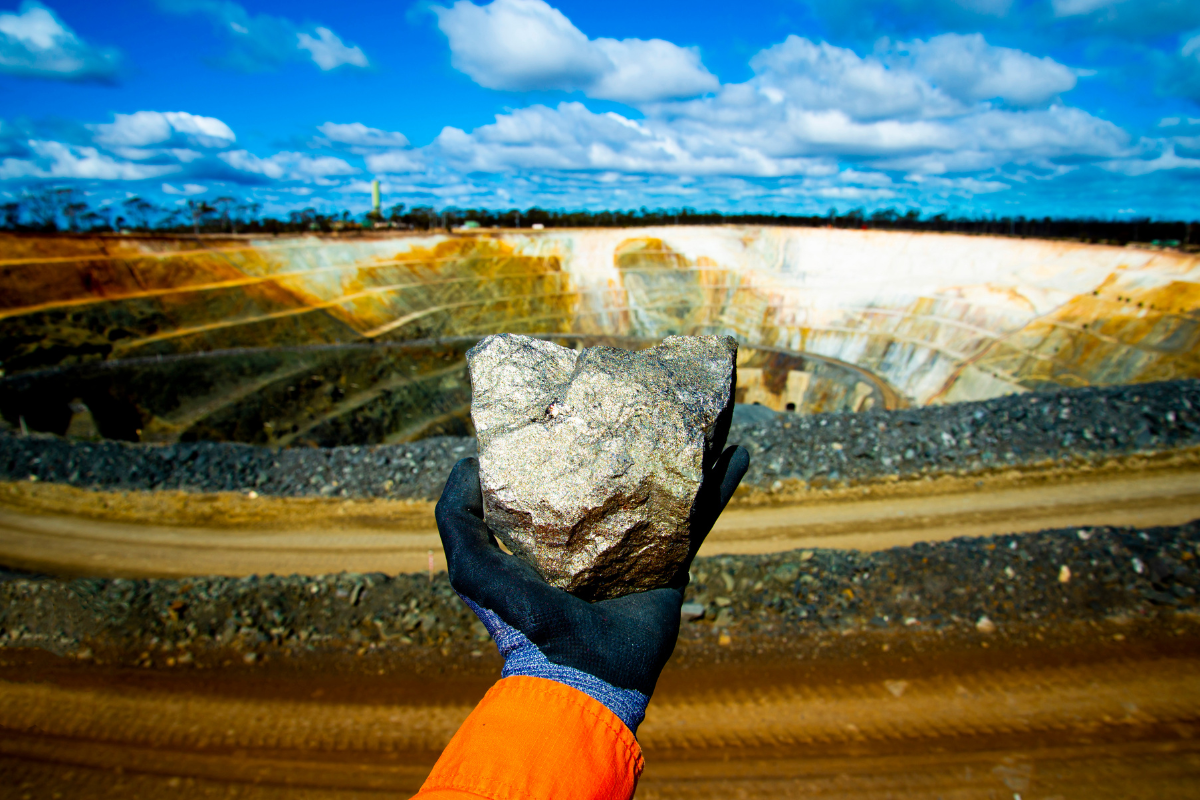
While Indonesia is currently the world’s dominant source of nickel, Australia holds substantial nickel resources and is a globally significant producer. As nickel purchasers look for non-Indonesian and lower-emission supply, Australian companies aim to increase their share of the nickel market.
Global nickel demand is strong, driven by the extensive use of stainless steel, as well as by battery cathodes for electric vehicles. Despite this, heavy investment by Indonesia and the subsequent increases in supply have pushed nickel prices down. Periods of price recovery tend to renew investor interest in ASX nickel stocks.
Interested investors will be closely watching movements in the LME nickel price, as well as the underlying prospects of individual nickel companies across the nickel supply chain.
So which Australian nickel miners, producers and other companies on the ASX are investors watching? It is worth considering both established and development-stage companies, and looking at options operating in Australia and abroad.
The following ASX nickel stocks include an established Indonesian producer, two development-stage nickel projects (one in Brazil), a multi-commodity project, a Kambalda nickel developer funded by gold production, and a diversified major with nickel assets in care and maintenance. These are companies investors may wish to research further. As with any ASX stock, investors should consider how each one aligns with their own investment goals and fits within their broader portfolio.
Key activities: Owns a portfolio of mining and low-cost downstream nickel processing assets in Indonesia, producing nickel pig iron, nickel matte and battery-related products.
Why watch: One of the larger ASX-listed nickel producers, with established Indonesian operations including the Hengjaya Mine. Currently diversifying production via collaborations, partnerships and acquisitions, and transitioning from mainly stainless-steel-related nickel towards battery materials.
Key activities: Developing the Jaguar Nickel Sulphide Project in Brazil, with the aim of producing a high-quality nickel sulphide concentrate for the battery supply chain.
Why watch: Jaguar is one of the largest nickel sulphide resources held by an ASX-listed nickel company. The project has completed a feasibility study and is progressing towards a final investment decision, with low projected operating costs and use of renewable electricity as potential advantages.
Key activities: Developing the Kalgoorlie Nickel Project (KNP) in Western Australia, a nickel-cobalt resource that also contains other critical minerals.
Why watch: KNP is one of Australia's largest nickel-cobalt resources. The project has backing from Japanese partners Sumitomo Metal Mining and Mitsubishi Corporation, with the consortium funding the current feasibility study.
Key activities: Exploring and developing the Julimar Nickel-Copper-PGE Project in Western Australia, including the Gonneville deposit, which contains nickel, copper and platinum-group metals.
Why watch: Offers multi-commodity exposure and a rare mix of critical minerals with high strategic value. PGE minerals are required for decarbonisation, and current production is dominated by Russia and South Africa, where supply shortages are predicted.
Key activities: Explores and mines at Kambalda in Western Australia, mining gold that is processed by major shareholder Gold Fields, and developing the high-grade Baker nickel deposit.
Why watch: Baker holds a resource of around 1.03 million tonnes at 3.3% nickel and has an approved underground mining proposal. Gold mining revenue helps fund the business, and BHP’s planned sale of the Kambalda Nickel Concentrator to Gold Fields could create new processing options for Baker.
Key activities: Global diversified miner producing copper, iron ore and metallurgical coal, and owner of Nickel West, its Western Australian nickel business, which has been in care and maintenance since October 2024.
Why watch: Offers exposure to a potential Nickel West restart without the single-commodity risk of a pure-play nickel company. A decision on the future of Nickel West is expected by early 2027.
Company details and operating status are current as of October 2026.
ASX-listed nickel companies include both explorers and producers, with operations both in Australia - primarily in Western Australia - as well as Indonesia, Brazil and other locations.
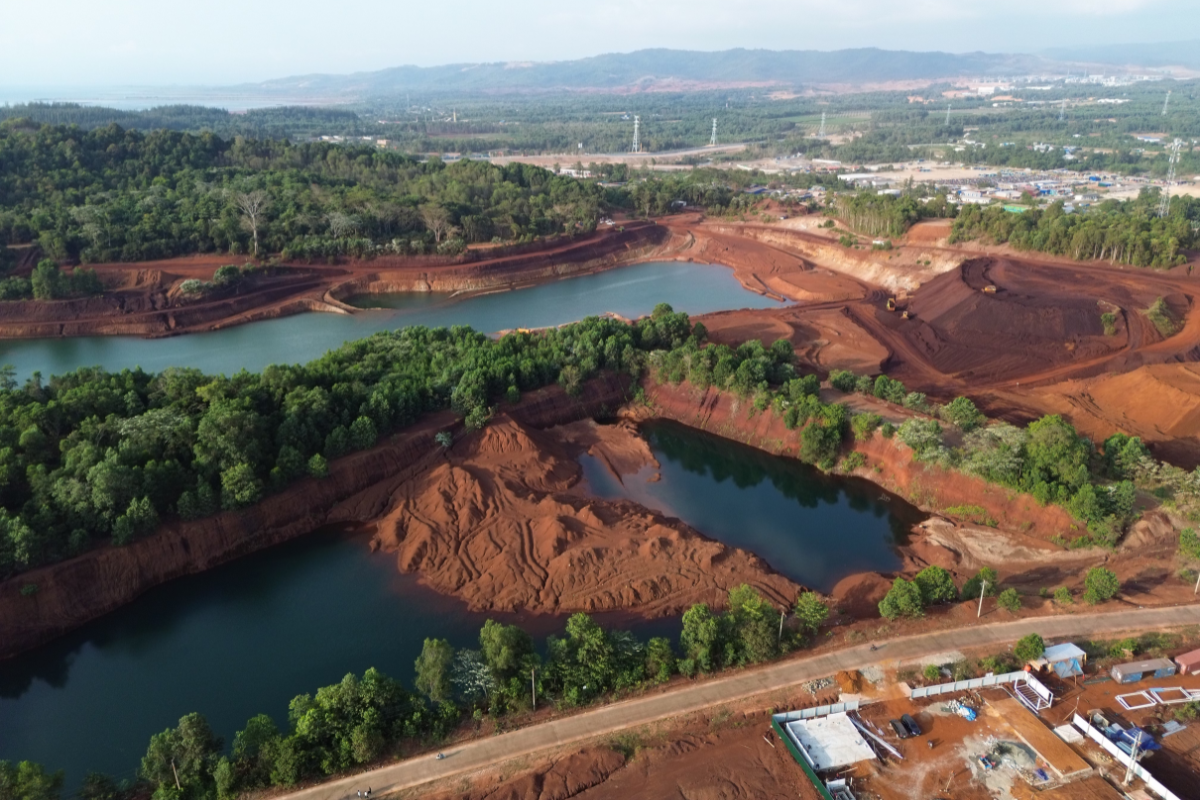
In recent years, rapid expansion of Indonesian nickel mining and processing has made Indonesia the dominant source of nickel, accounting for around two-thirds of global mined nickel production. Despite continued growth in nickel demand, this rapid increase in low-cost supply has put Australian producers under pressure, and several Australian operations have cut production.
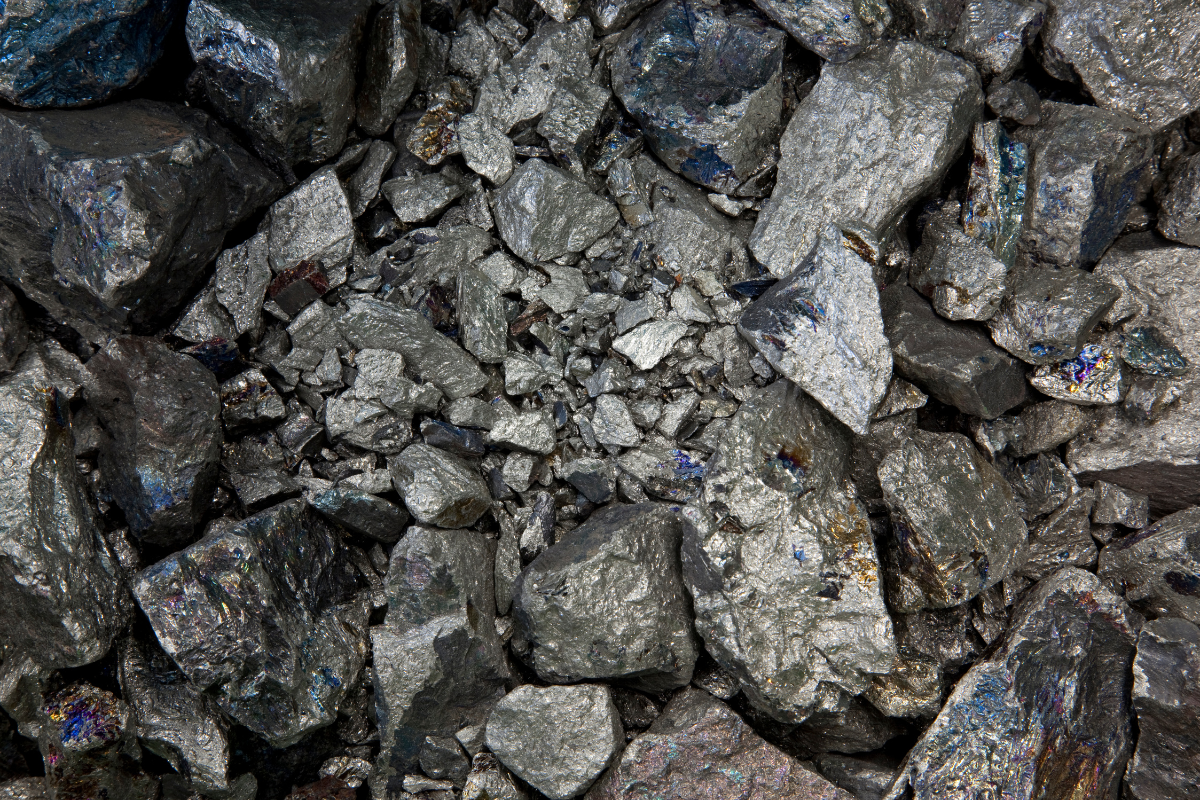
The nickel market is not a single entity. Class 1 high-purity nickel (containing at least 99.8% nickel) is particularly relevant to EV battery production, whereas Class 2 nickel (less than 99.8% nickel) is utilised in the production of stainless steel. This latter use accounts for around two-thirds of current nickel demand, while battery use is seen as a future growth sector.
The price for Class 1 nickel is set on the London Metal Exchange (LME), and this is the internationally recognised reference price for nickel. Class 2 products typically have their own negotiated prices. Volatility is a key feature of nickel pricing, and the market can change quickly. In 2022, a massive price surge forced suspension of trading on the LME, while more recently, global oversupply pushed prices down.
ASX nickel share prices tend to track the underlying LME price. However, it should not be the only consideration when assessing the economics of ASX nickel stocks.
Research, advisory, execution and corporate finance under one roof — with every recommendation backed by in-house analysis from our Chief Investment Officer, Rabih Ahmed, and his equity research team.
Every call is grounded in company fundamentals and technical analysis, with a stated thesis and defined entry and exit levels - so you know what you're buying and when to act.
Every client gets their own share advisor — a licensed professional who knows your holdings, tracks the market daily, speaks with our analysts every day, and is reachable during market hours and beyond.
Explore Share Advisory →Professional trading technology across ASX, US and global markets. Stop losses, take-profits and position sizing are set at entry, and every trade is executed only on your approval.
How execution works →Institutional-grade coverage of ASX small and mid-cap companies across healthcare, resources, technology and energy - stocks most retail research never reaches.
Access the research →In-person events and webinars featuring ASX-listed companies, where you can meet management and put your questions to them directly.
Explore the Investor Hub →Access to placements, IPOs and capital raisings through our corporate finance desk.
Explore Corporate Finance →Due to their diversity, Australian nickel miners and producers on the ASX should not be analysed based on the size of their resource or current share price alone. Consider the following factors when selecting nickel stocks for your investment portfolio.
Cost of production
Look at the estimated cost of producing nickel relative to the nickel price. The all-in sustaining cost (AISC) figure can help show the broader cost of maintaining production. A low-cost producer is more likely to stay viable in times when nickel prices fall.
Ore type
Nickel deposits may contain sulphide or laterite nickel. These require different mining and processing methods, which impact capital requirements and operating costs, and the type of end product sold.
Project stage
Is the company at the stage of exploration, feasibility study, development or production? Earlier stages have more uncertain outcomes and are therefore higher risk.
Funding position
Look at the cash position compared to how much is needed for anticipated development. For pre-revenue companies, future capital raisings can increase the number of shares on issue and dilute existing shareholders.
Offtake agreements
These are deals to sell some or all of a future project’s production to a buyer. They indicate a potential market, and may also help with project financing, but should not be considered an ironclad guarantee of commercial success.
Management experience
Nickel pricing is highly cyclical, which has a significant impact on nickel mining and production companies. Look at whether the management team has successfully managed companies through previous commodity downturns and upswings.
From your first strategy session to ongoing advice and trade execution, here's what working with Sharewise looks like at every stage.
Become a member and get full access to our research, advisory and support - with clarity on exactly what's included from day one.
Start fresh or transfer an existing portfolio across - individual, joint, SMSF, company or trust, with access to ASX, US and global markets.
Your central hub: view your portfolio and open positions, read our research and market updates, and see every recommendation — on desktop or mobile, 24/7.
Sit down with your share advisor to walk through how Sharewise works and how we can support your investing with research-backed guidance grounded in fundamental and technical analysis.
Your advisor brings you opportunities across ASX and international markets as they arise, and trades are executed only on your approval.
As a client, you may be eligible for placements, IPOs and capital raisings sourced through our corporate finance desk.
Nickel stocks offer the potential for growth, but are generally considered a higher-risk investment. However, the level of risk can vary considerably between individual stocks. Investors should understand these risks and look to manage them through well-researched stock selection, diversification, and position sizing.
ASX nickel stocks can provide investors with exposure to an important resource sector with growing demand, but their higher volatility means a considered approach is needed. Rather than relying on a single stock, investors may look to diversify across the supply chain, across company size, nickel type and beyond single commodity developments.
Nickel exposure best sits as part of a broader resource allocation, and can be balanced within a portfolio of other investment types and risk profiles. It is also advisable to take a full-cycle view to holding nickel shares, rather than trading on headlines or panic-selling when prices dip.
To help ensure you’re investing based on quality analysis, download our free report and speak to an expert ASX share advisor.
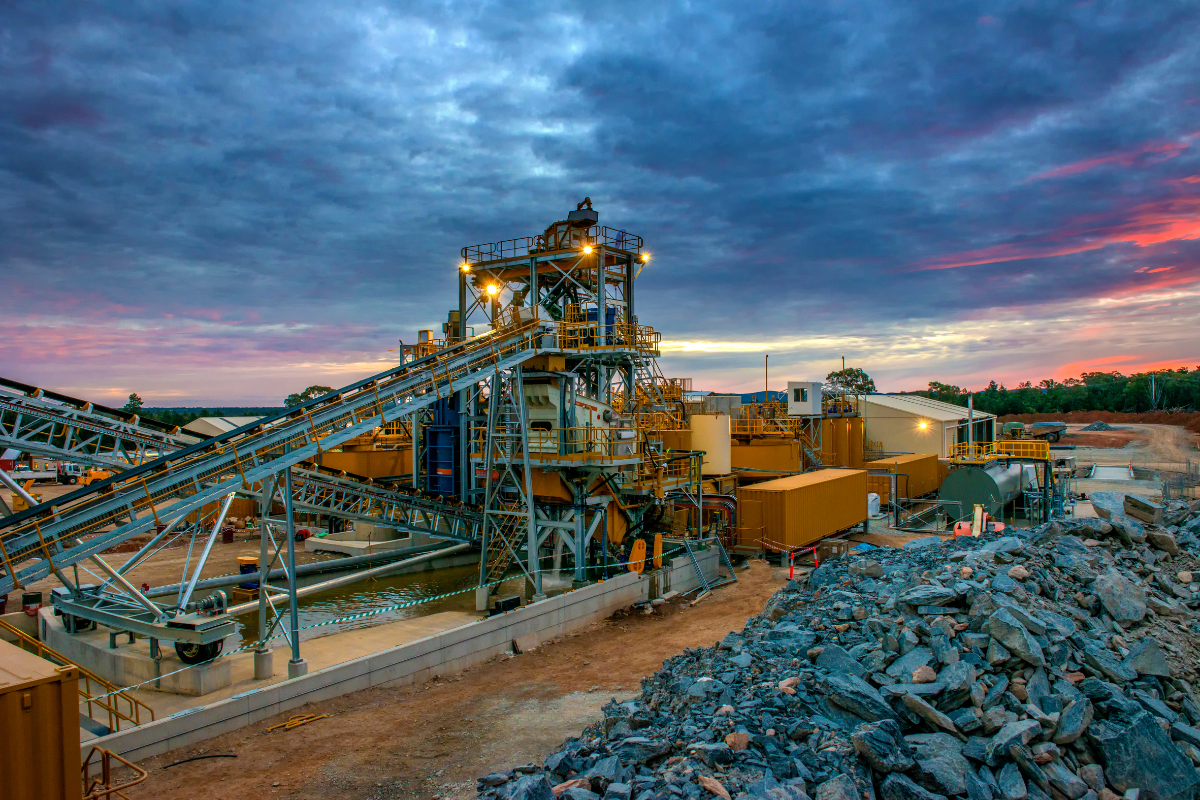
Nickel stocks are shares in companies listed on the Australian Securities Exchange (ASX) that explore for, develop, mine or process nickel. They range from early-stage explorers to established producers, giving investors different levels of exposure to the nickel market and different levels of risk.
Class 1 nickel is high-purity nickel containing at least 99.8% nickel. It is used in applications including battery production. Class 2 nickel contains less than 99.8% nickel. Its products include pig iron, ferronickel and nickel oxide sinter, and it is primarily used in stainless steel production. Class 2 nickel accounts for around two-thirds of global nickel demand.
The nickel price is set globally by trading on the London Metal Exchange (LME). The price has historically been both cyclical and highly volatile, and is influenced by changes in global economic conditions, production and inventory levels, stainless steel demand, battery demand, production costs, changes to government policies and regulations, and other factors. Changes in any one of these factors can have a marked impact on the nickel price.
In recent years, the rapid expansion of lower-cost nickel production in Indonesia has contributed to periods of oversupply and weaker nickel prices. This has made it difficult for some higher-cost Australian operations to compete, with several mines being suspended or placed on care and maintenance.
ASX nickel stocks are generally considered a higher risk profile investment, because they are exposed to volatile commodity prices, changes in global supply and demand, and the operational challenges of mining. Risk varies across nickel operations, with those at the exploration and development end considered greater risk.
You can invest in nickel stocks on the ASX by opening a brokerage account with a stock broker or via an online brokering platform, depositing funds and then making a purchase. Contact Sharewise if you need help getting started.
Get detailed analysis of ASX-listed nickel companies, from established producers to development-stage projects.
Subscribe for updates for institutional research, webinars and events across ASX, US and global markets.
Full-service share advisory and stockbroking for Australian investors.
Level 9, 68 Alfred St S, Milsons Point NSW 2061
Sharewise Group Pty Ltd (ABN 22 664 471 247) is a Corporate Authorised Representative (No. 001302760) of Sharewise Compliance and Administration Pty Ltd (AFS License No. 280420).
The information provided by Sharewise is of a general nature only and does not take into account your personal financial situation, objectives, or needs. The information presented is for informational purposes only. Trading in stocks and other securities carries risks, including the potential loss of your invested capital. The market is subject to various factors that can impact the value and performance of securities. Some information on our website may be sourced from third parties believed to be reliable. While we make every effort to ensure accuracy, Sharewise cannot guarantee the completeness, accuracy, or timeliness of such information and assumes no responsibility for any errors or omissions. We do not guarantee the performance or returns on any investments or financial products mentioned, and past performance is not a guarantee of future results. Any investment decisions you make are your own responsibility, and you should consider seeking professional advice before making any financial decisions.
By submitting your details or downloading our material, you consent to Sharewise contacting you with related information.