
Our renewable energy stock research is curated by the Sharewise equity analyst and research team, reviewed and updated monthly as the markets move.
Renewable energy stocks are those companies that generate, develop, store or transmit clean electricity, and that are listed on the Australian Securities Exchange (ASX). This diverse sector includes well-established businesses that are transitioning from fossil fuels to clean energy, as well as early-stage developers of new technologies such as green hydrogen and offshore wind farms.
Renewable energy stocks are an increasingly important part of the investment landscape, driven by a strong commitment from the federal government to move towards renewable power, along with increased clean energy investment by both retail and institutional investors. However, even with these long-term demand trends, stock prices can be buffeted by near-term interest rate changes, project limitations, wholesale market price movements, and government policy changes. It is important for investors to understand how to effectively manage these risks.
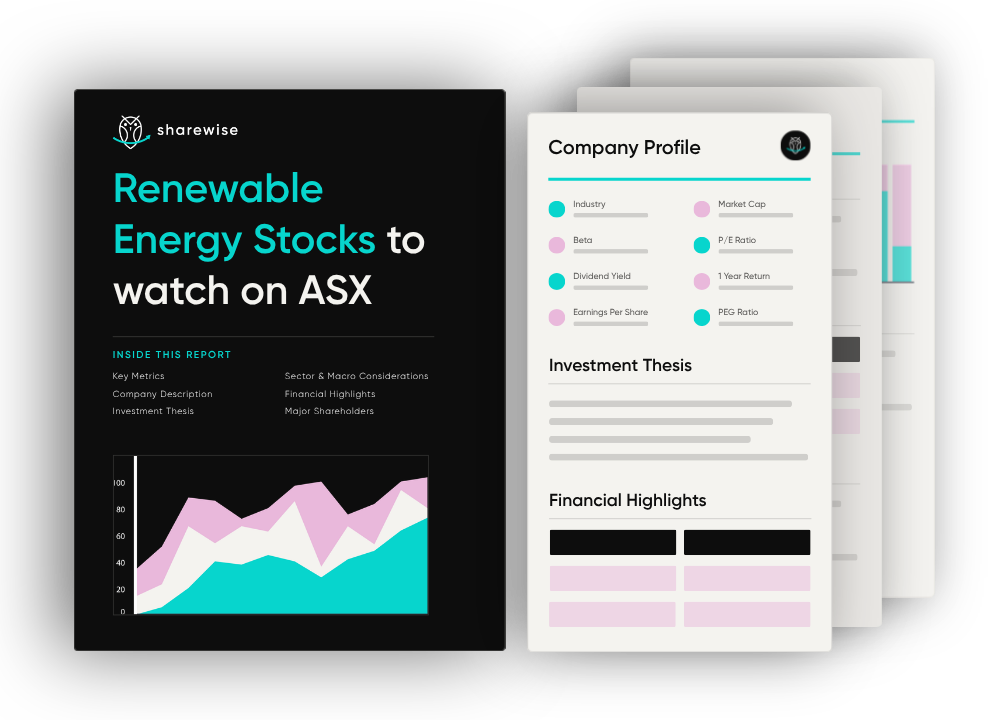
To better understand the individual players in this diverse sector, and to help identify stocks supported by strong fundamentals and a positive outlook, download our free Renewable Energy Stocks ASX report.
Investor interest in Australian renewable energy stocks is driven by increased government commitment to climate change goals, green energy adoption in the private sector, and an overall trend towards more environmental consciousness amongst investors.
The federal government has a target of 82% renewable electricity by 2030, and has set a bold target to reduce emissions by 62–70% below 2005 levels by 2035. Combined with providing government support for clean energy generation and storage, this sends a strong investment signal.
At the same time, demand for electricity is expected to grow strongly due to expanding data centre usage and a general trend towards electrification across industries. Private companies such as Microsoft and CSL are signing long-term corporate power purchase agreements (PPAs) to purchase renewable energy, providing more predictable revenue and pricing for suppliers.
On the investment front, demand for renewable energy stocks is being driven upwards by both individual and institutional investors, while some banks and lenders are choosing to move away from fossil fuel industry involvement.
Balanced against these growth trends are certain risks - ASX renewable energy stocks can be volatile and sensitive to interest rates, supply issues and project delays, electricity prices, grid constraints and changes in government policy.

So which are the best ASX renewable energy stocks to buy? The answer will be dependent upon alignment with individual investment goals and fit within the broader investment portfolio.
The following renewable energy stocks are an example of those with strong fundamentals and future potential, and may be worth investigating further.
Key activities: New Zealand electricity generator and retailer, producing 100% renewable electricity from hydro and wind assets, with a growing solar portfolio.
Why watch: Established operator with strong hydro inflows and a large pipeline of wind and solar development options, which can help offset wholesale price volatility.
Key activities: Infrastructure investment company with stakes in renewable energy businesses in the US, Europe, Asia, Australia and NZ, as well as diversified investments in digital infrastructure and healthcare.
Why watch: Offers diversified exposure to renewable energy projects across different geographic areas and stages of development, as well as unrelated sectors. Potentially more stable than pure-play renewables.
Key activities: Australian electricity generator and retailer operating wind and hydro generation, batteries, coal-fired power stations and gas-powered generation.
Why watch: Provides exposure to an established energy business that has both reliable revenue streams and the positioning to benefit from increased renewables focus.
Key activities: Global iron ore producer investing in renewable power, green iron and other decarbonisation technologies, after scaling back its large-scale green hydrogen plans.
Why watch: Exposure to emerging technologies backed by a highly profitable established mining business, which can help fund its green energy projects.
Key activities: Australian electricity and gas retailer and generator investing in renewable energy, battery storage and pumped hydro, alongside existing coal, gas and renewable generation.
Why watch: Established business with retail revenue and Australia’s largest customer base, alongside a growing portfolio of renewable energy and storage projects.
Key activities: New Zealand electricity generator and retailer, producing renewable electricity from hydro, geothermal and wind assets, while investing in additional renewable generation capacity.
Why watch: Major, established renewable energy business with NZ’s largest electricity customer base, with a substantial renewables development pipeline.
Company details and project status are current as of October 2026.
Renewable energy companies operate across different parts of the supply chain, requiring varying levels of investment, and generating revenue in various ways. Some ASX-listed companies operate across multiple supply chain stages, while others specialise in one area.
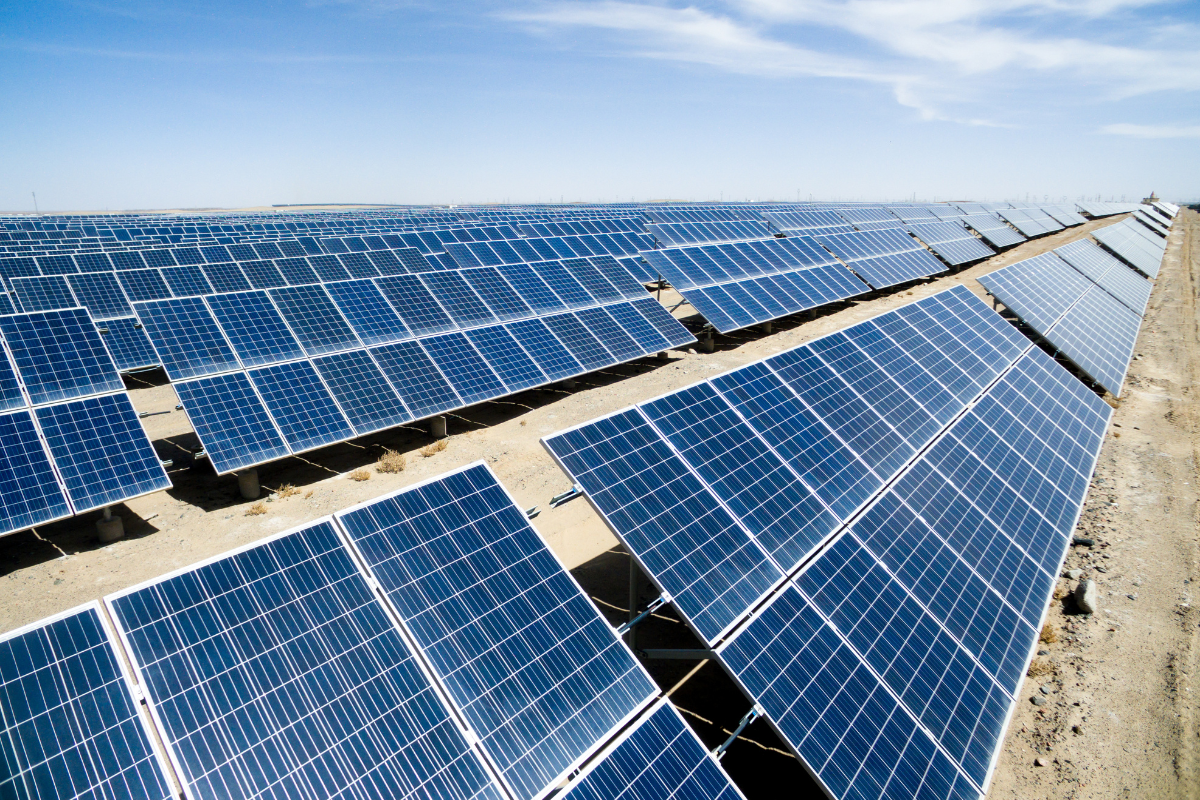
Renewable energy owners and operators - Companies that own and operate wind farms, solar farms and hydroelectric facilities that generate electricity. Revenue comes from long-term power purchase agreements (PPAs), electricity sales and renewable energy certificates. Earnings can be affected by wholesale electricity prices.
Examples: Meridian Energy (ASX: MEZ), AGL Energy (ASX: AGL).
Renewable energy developers - Companies that identify suitable sites, secure approvals, arrange financing and construct renewable energy projects. Some sell projects to other companies, while others retain ownership. Revenue can be irregular and dependent on achieving project milestones or completing sales.
Examples: Frontier Energy (ASX: FHE), Origin Energy (ASX: ORG).
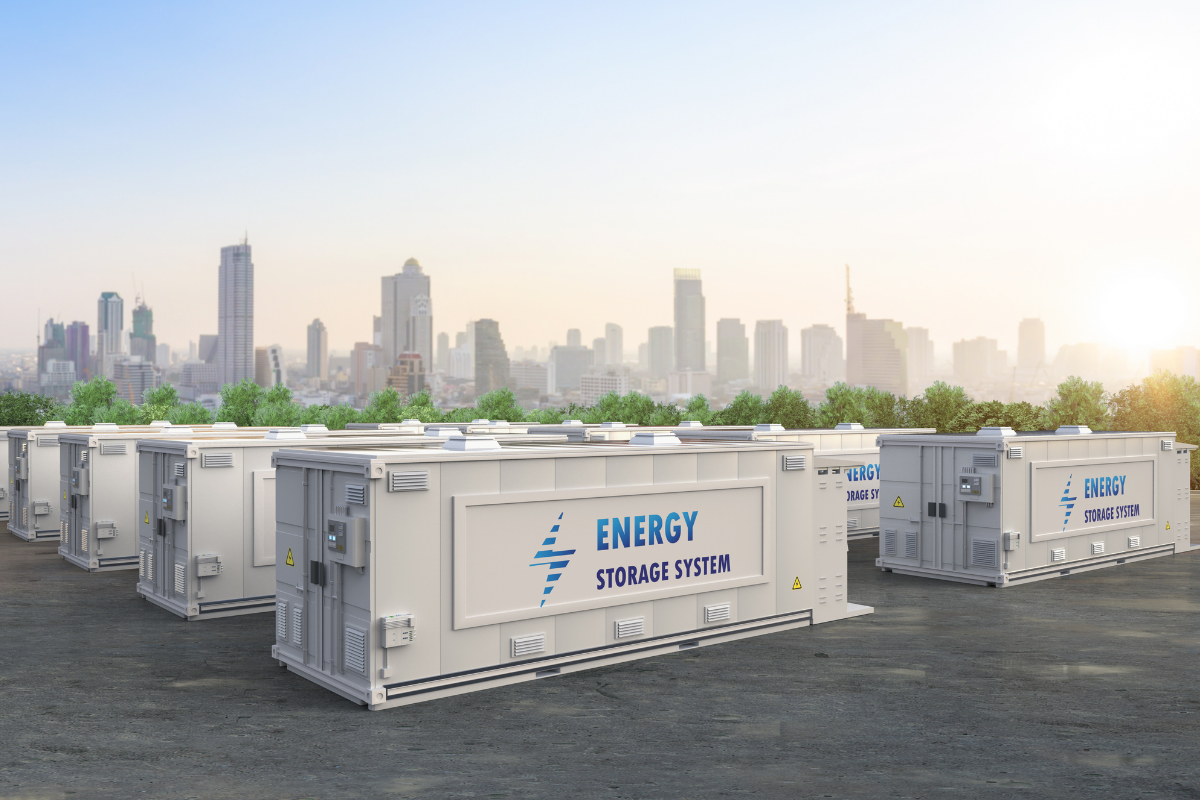
Battery and grid-scale storage - Companies that develop or operate large-scale batteries and other energy storage assets, including pumped hydro facilities that move water between reservoirs. Revenue can come from electricity price differences, storage contracts and grid support services. Earnings depend on market conditions, operating costs and storage demand.
Examples: AGL Energy (ASX: AGL), APA Group (ASX: APA).
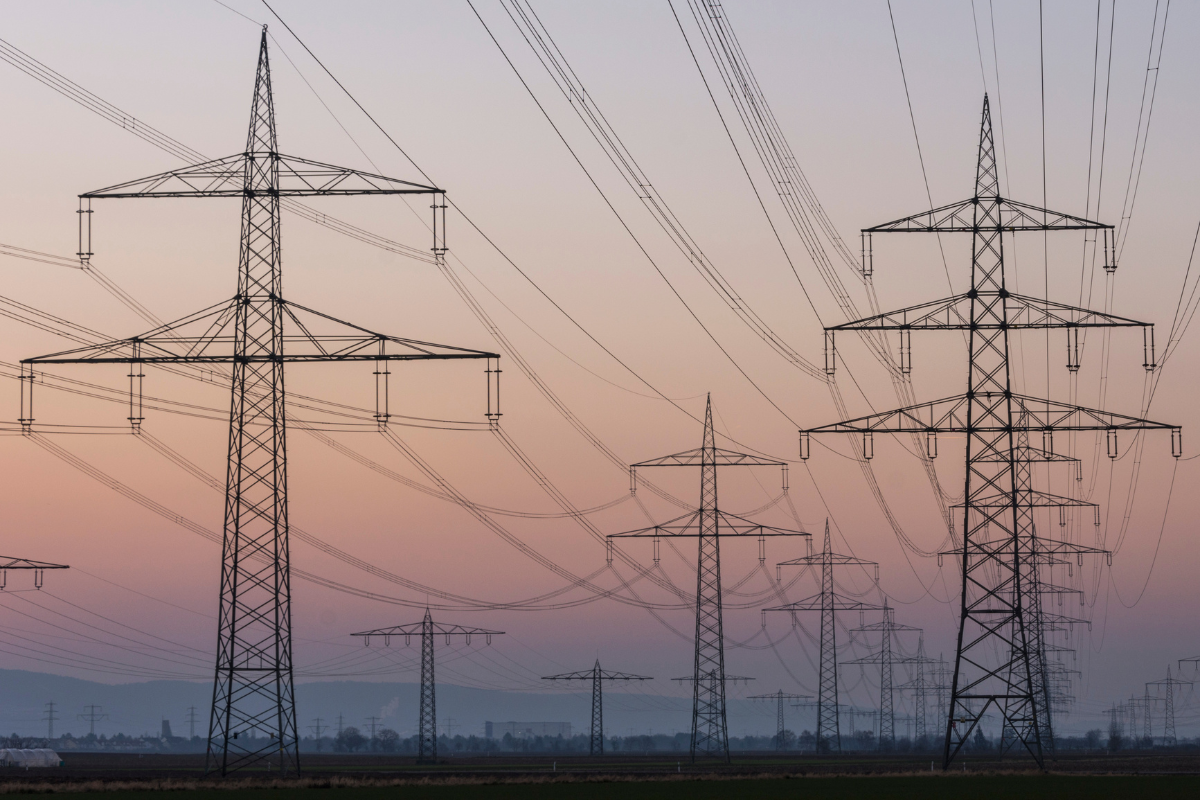
Grid and transmission enablers - Companies that own, operate or invest in infrastructure connecting electricity generators to the grid and transporting power. Revenue can come from regulated returns, contracted charges or other agreed network payments.
Examples: APA Group (ASX: APA), Infratil (ASX: IFT).
Emerging technologies - Companies developing technologies such as green hydrogen, renewable fuels and other solutions that could reduce emissions. Revenue may come from technology licensing, equipment sales, project development, fuel production or supply contracts.
Examples: Hazer Group (ASX: HZR), Pure Hydrogen (ASX: PH2).
There is also a distinction between established generators versus early-stage developers. Some companies hold both established and early-stage operations.
Established generators - Own currently operating assets and earn revenue from electricity sales or contracts. Investors can assess operating performance, costs, debt and cash flow.
Early-stage developers - Companies with renewable energy projects that are working to obtain planning approvals, arrange financing and undertake construction. Valuation is based on future potential. May still need approvals, financing, construction and customer agreements before generating income.
The risk profile, revenue and stock valuation are very different in each of these cases, and investors should be careful to distinguish between the two when assessing opportunities.
Research, advisory, execution and corporate finance under one roof — with every recommendation backed by in-house analysis from our Chief Investment Officer, Rabih Ahmed, and his equity research team.
Every call is grounded in company fundamentals and technical analysis, with a stated thesis and defined entry and exit levels - so you know what you're buying and when to act.
Every client gets their own share advisor — a licensed professional who knows your holdings, tracks the market daily, speaks with our analysts every day, and is reachable during market hours and beyond.
Explore Share Advisory →Professional trading technology across ASX, US and global markets. Stop losses, take-profits and position sizing are set at entry, and every trade is executed only on your approval.
How execution works →Institutional-grade coverage of ASX small and mid-cap companies across healthcare, resources, technology and energy - stocks most retail research never reaches.
Access the research →In-person events and webinars featuring ASX-listed companies, where you can meet management and put your questions to them directly.
Explore the Investor Hub →Access to placements, IPOs and capital raisings through our corporate finance desk.
Explore Corporate Finance →If you’re considering investing in renewable energy stocks in Australia, look beyond each company’s planned projects to understand their operating assets, revenue streams and funding requirements. The following factors should be taken into consideration:
Operating capacity vs development pipeline: How far along are proposed projects, and do they have secured funding and approvals, construction contracts or confirmed future markets?
Contracted revenue: How much revenue comes from long-term power purchase agreements compared with electricity sold at wholesale market prices, which can be subject to volatility?
Debt levels and capital intensity: Renewable energy projects require substantial upfront investment. Review likely debt and interest costs, and whether the company needs to borrow or issue more shares to fund capital investment.
Grid connection and project timelines: Do projects have secured grid connection agreements, and when will they become operational? Constraints and delays can increase costs and postpone revenue.
Exposure to government policy: Consider how government targets, funding, policies and changes to energy market rules impact projects or profitability.
Interest rate sensitivity: Renewable energy projects require large upfront investments, making them particularly sensitive to interest rates if heavy borrowing is required.
From your first strategy session to ongoing advice and trade execution, here's what working with Sharewise looks like at every stage.
Become a member and get full access to our research, advisory and support - with clarity on exactly what's included from day one.
Start fresh or transfer an existing portfolio across - individual, joint, SMSF, company or trust, with access to ASX, US and global markets.
Your central hub: view your portfolio and open positions, read our research and market updates, and see every recommendation — on desktop or mobile, 24/7.
Sit down with your share advisor to walk through how Sharewise works and how we can support your investing with research-backed guidance grounded in fundamental and technical analysis.
Your advisor brings you opportunities across ASX and international markets as they arise, and trades are executed only on your approval.
As a client, you may be eligible for placements, IPOs and capital raisings sourced through our corporate finance desk.
Renewable energy stocks (ASX) allow Australian investors to tap into a broad and expanding sector that offers long-term growth prospects. However, these stocks also carry risks that should be understood before investing.
Interest rate sensitivity: Renewable energy development often requires significant capital investment and can take years to generate returns. Companies that borrow will be impacted by shifting interest rates.
Policy and regulatory changes: Changes to government incentives, energy targets, planning rules or regulations can impact project viability and company earnings.
Grid connection delays and curtailment: Projects may face delays connecting to the electricity grid or be required to reduce output when the network cannot accommodate all available generation, reducing earnings.
Wholesale electricity prices: Periods of low electricity prices can reduce revenue for generators exposed to the wholesale market, particularly when electricity output is high.
Project costs and commercial viability: Construction delays, cost overruns and shortages of supplies can eat into project profitability. It’s possible some technologies or projects may not become commercially viable.
Dilution for pre-revenue developers: Early-stage developers may need to raise additional capital by issuing new shares to progress projects, and this can dilute existing shareholders.
Share price volatility: While the long-term transition to renewable energy continues, share prices have been volatile in recent years, as they reflect current near-term factors such as interest rates, financing costs, project delays and investor sentiment.
These risks can be most effectively managed via diversification across companies and supply chain segments, careful position sizing, and conducting careful research into each stock.
When investing in ASX renewable energy stocks, keep these tips in mind:
Diversify - For better risk management, spread exposure across segments of the supply chain, and balance established generators against higher-risk developers.
Spread across sectors - Renewable energy exposure can sit alongside, rather than in replacement of, traditional energy and resources holdings.
Take a long-term view - Focus on underlying business performance, project progress and financial position rather than trading on policy and project announcements or changes in investor sentiment.
To help ensure you’re investing based on quality analysis, download our free report and speak to a specialist ASX share advisor.
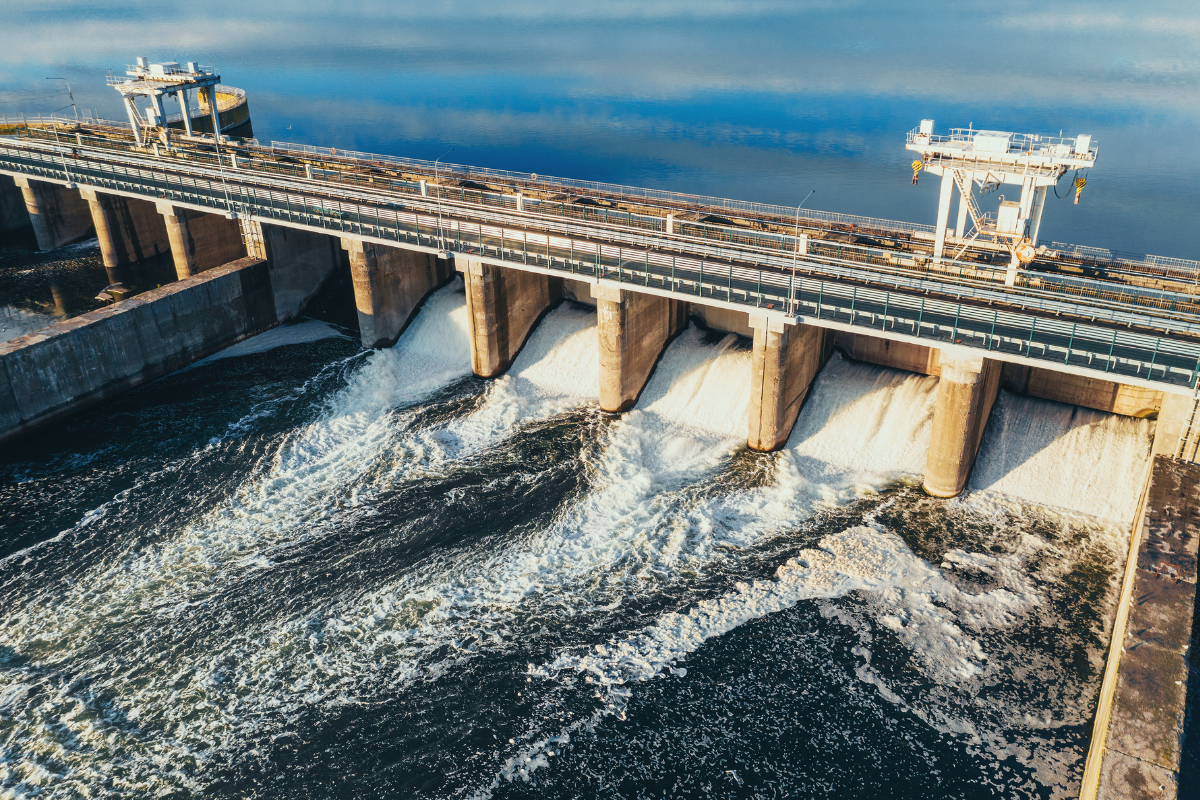
Renewable energy stocks (ASX) are shares in companies listed on the Australian Securities Exchange that generate, develop or support clean energy from sources such as wind, solar and hydroelectric power.
Renewable energy companies include electricity generators, project developers, battery storage providers, grid infrastructure companies, and developers of emerging technologies such as green hydrogen. Some of these companies work across multiple areas, while others focus on one. Companies may also be ‘pure-play’ in renewable energy only, or may also provide non-renewable energy, or have other non-energy-related business interests.
Share prices can fluctuate due to changing interest rates, project delays, construction costs, government policies and electricity prices. Early-stage developer stocks can be particularly volatile because their projects may take years to generate revenue and require additional funding.
Renewable energy projects often require substantial upfront investment, so higher interest rates increase borrowing costs and can make projects less profitable or commercially viable.
Risk varies by company, with established generators and infrastructure businesses generally having lower risk than early-stage developers. Companies facing the daily movement in wholesale electricity market costs may also have higher risk than those with long-term contracts.
You can buy renewable energy shares in Australia through a share trading platform. You can also consider diversified funds that provide exposure to renewable energy stocks. Speak to an ASX share advisor to find out more.
Get detailed analysis of ASX-listed renewable energy companies, from established generators to early-stage developers.
Subscribe for updates for institutional research, webinars and events across ASX, US and global markets.
Full-service share advisory and stockbroking for Australian investors.
Level 9, 68 Alfred St S, Milsons Point NSW 2061
Sharewise Group Pty Ltd (ABN 22 664 471 247) is a Corporate Authorised Representative (No. 001302760) of Sharewise Compliance and Administration Pty Ltd (AFS License No. 280420).
The information provided by Sharewise is of a general nature only and does not take into account your personal financial situation, objectives, or needs. The information presented is for informational purposes only. Trading in stocks and other securities carries risks, including the potential loss of your invested capital. The market is subject to various factors that can impact the value and performance of securities. Some information on our website may be sourced from third parties believed to be reliable. While we make every effort to ensure accuracy, Sharewise cannot guarantee the completeness, accuracy, or timeliness of such information and assumes no responsibility for any errors or omissions. We do not guarantee the performance or returns on any investments or financial products mentioned, and past performance is not a guarantee of future results. Any investment decisions you make are your own responsibility, and you should consider seeking professional advice before making any financial decisions.
By submitting your details or downloading our material, you consent to Sharewise contacting you with related information.