The U.N. Calls Out Central Banks
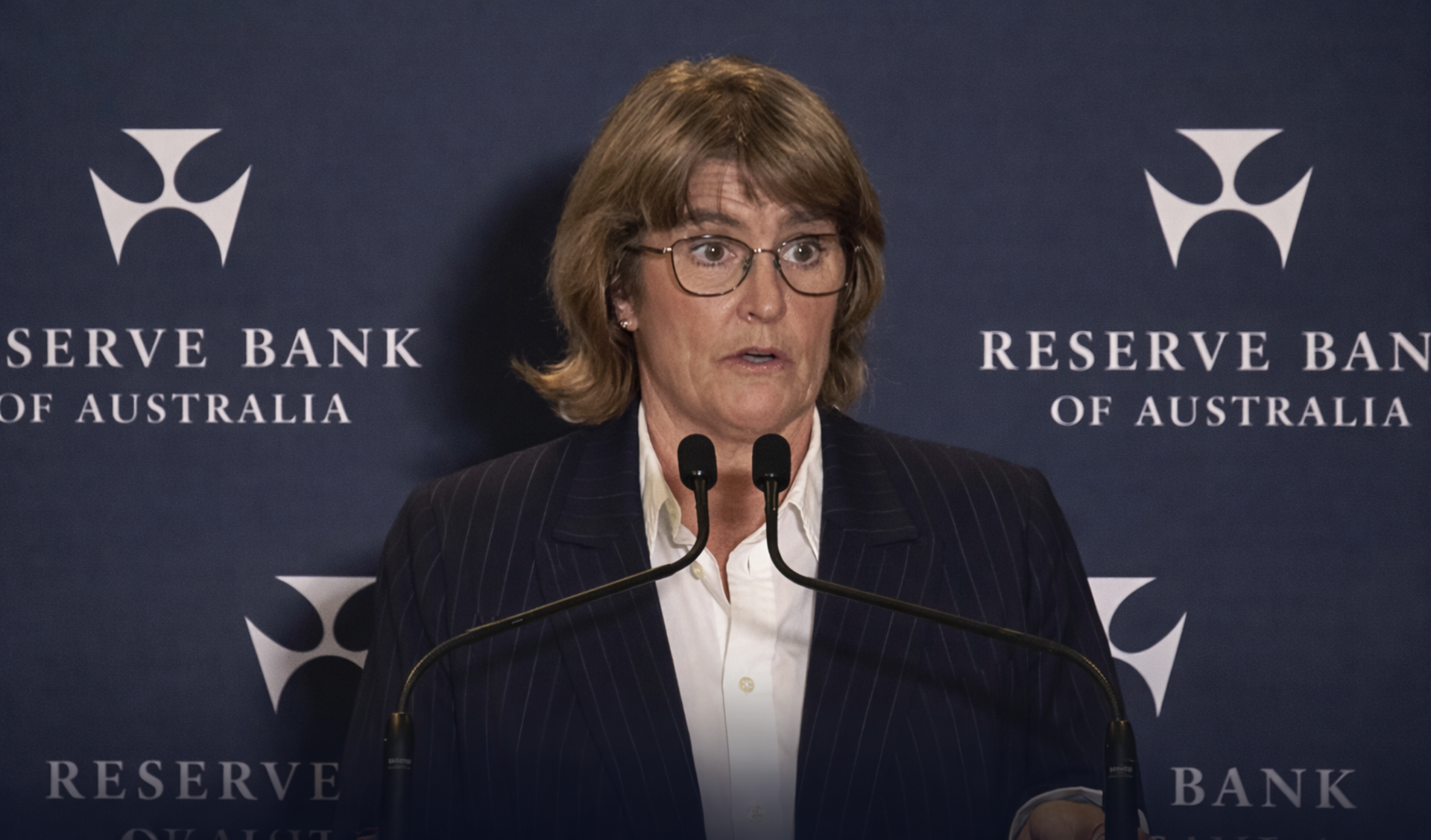
The hawkish stance of central banks is certainly being felt by households and individuals. As central banks seek to cut down inflation, the U.N. stated central banks are pushing the global economy into a recession followed by prolonged stagnation if interest rates continue to rise (Hannon, 2022).
The U.N. appears to be a guardian angel as they seek to deliver sensical information on the consequences of the central banks' actions. If we look at the actions of the central banks in the last three weeks, the United States raised interest rates by 75 basis points, India by 75 basis points, Australia by 25 basis points, and the United Kingdom by 50 basis points. These sustained rate increases are hurting economic growth and it is indeed being felt by the everyman.
The United Nations Conference on Trade and Development (UNCTD) said in its annual report that "The Fed risks causing significant harm to development countries if it continues to raise rates" and further commented "the Fed's key interest rate lowers economic output in other rich countries by 0.5%, and economic output in poor countries by 0.8% over the subsequent three years" (UN, 2022).
Hannon (2022) found that the UNCTD estimated the Fed's rate increases would reduce poor countries' output by $360 billion over three years. The UNCTD believes there is still time to step back from the edge of the recession. However, it is rather unclear how they specifically seek to tackle inflation if it is not through interest rates. It is unequivocal that persistent interest rate rises would hurt all members of the global economy and specifically vulnerable groups.
However, the Fed is rather unphased by these consequences as they have a fundamental job to get back to their target inflation and interest rate range. Fed Chairman, Jerome Powell made specific reference to the flow-on effects of the 75-basis point rise:
"The central bank does not take account of the impact its policies have on the rest of the world but would continue to lift interest rates to bring inflation under control" (The Fed, 2022)
How to best tackle inflation is a wicked problem as not raising interest rates compounds the inflation issue but seeks to help vulnerable groups. In the alternative, raising interest rates helps to tackle inflation in the long run while affecting those who are vulnerable. The latter seems most effective as the Fed should be concerned with the economies and leave the social issues to the politicians.
The economics and the politics should be separated because if both issues became the Feds', it would undermine its true role: the economy. It is likely there will be more sustained interest rate increases and the U.N. have consequently lowered its global economic growth forecast for 2023 to 2.2%.
The U.N. will continue to voice its opinion on the actions of central banks if the economic conditions become direr. Whether central banks will listen to the U.N. is unknown, however I leave readers with the question: should central banks craft monetary decisions based on the views of the U.N.?
To keep up with the latest finance, tech, crypto and geopolitical news, subscribe to our mailing list.
[Disclaimer: The material across our site is provided for informative purposes only and does not contain investment advice.]
Subscribe to our newsletter
Disclaimer: This article does not constitute financial advice nor a recommendation to invest in the securities listed. The information presented is intended to be of a factual nature only. Past performance is not a reliable indicator of future performance. As always, do your own research and consider seeking financial, legal and taxation advice before investing.
Speak to an Advisor