
Copper’s Next Demand Wave Is Already Here And Supply Isn’t Ready

The next wave of copper demand is not a distant possibility. It is already unfolding. Accelerating adoption of electric vehicles, rapid renewable energy deployment, industrial electrification and the expansion of data and AI infrastructure are converging at speed. At the same time, copper supply remains constrained by geology, capital intensity, permitting timelines and geopolitical risk. This imbalance points to sustained market tightness, elevated pricing and a shift in how copper should be viewed within portfolios.
For investors, the implications are immediate. Beyond short-term price movements, copper represents structural exposure to the global energy transition and industrial modernisation. Understanding current market dynamics is critical for navigating this transition and positioning portfolios in an environment defined by accelerating demand and constrained supply.
Why Copper Matters More Than Ever
Copper sits at the centre of modern electrification. Its superior electrical conductivity, durability and recyclability make it indispensable across power generation, transmission, transport and industrial systems. While materials science continues to advance, there is no economically viable substitute for copper at scale in high-load electrical applications.
This distinguishes the current cycle from earlier industrial expansions. During China’s infrastructure-led boom of the early 2000s, copper demand was driven largely by urban construction and fixed-asset investment concentrated in a single economy. Today’s demand base is broader and more diversified. Electrification spans transport, energy, data infrastructure and industry, while policy support extends across North America, Europe and Asia.
Copper’s strategic importance has also risen. Governments increasingly view secure access to copper as a prerequisite for energy security, grid resilience and industrial competitiveness. As a result, copper has shifted from being a purely cyclical commodity to a strategic input embedded in national policy objectives, elevating its long-term relevance for investors.
The New Demand Wave Already Underway
The Electrification of Mobility
An electric vehicle requires roughly four times more copper than a combustion vehicle, reflecting higher wiring content, power electronics and battery systems. As EVs approach cost parity, adoption is shifting from a linear trend toward an exponential one. Copper demand also extends beyond vehicles into fast-charging networks, transformers and grid connections. Policy incentives and manufacturer targets are accelerating infrastructure deployment across major markets.
The Grid: The World’s Biggest Machine
Renewable energy and AI infrastructure cannot function without expanded and upgraded power grids. Transmission lines, substations and transformers are highly copper-intensive. Grid investment has shifted from a climate policy objective toward a national security priority, with governments focusing on reliability and resilience. Replacement of ageing infrastructure further increases copper requirements.
The Silicon-Copper Connection
Semiconductors attract headlines, but copper carries the electrons. AI data centres, cloud computing and power-dense digital systems require substantial copper for internal wiring, cooling systems and redundancy. Hyperscale operators are securing long-term supply to support expansion, reflecting the physical intensity of digital growth. S&P Global estimates AI-related copper demand will increase by 127% by 2040, reaching roughly 2.5 million tonnes.
Defense and Geopolitics
Rearmament is lifting copper demand across missiles, drones, munitions and radar systems. Asia accounts for roughly 60% of incremental demand growth, highlighting the regional concentration of strategic consumption. Defence procurement and stockpiling create predictable demand streams. Copper is increasingly treated as a critical input in national security planning.
Industrial Electrification and Emerging Markets
Electrification of manufacturing, mining and processing is lifting copper consumption beyond mobility and digital infrastructure. Grid reinforcement and capacity upgrades in developed economies provide further support. Urbanisation and construction activity in emerging markets add incremental demand, particularly across Asia and Latin America. Together, these forces create a broad and durable base for copper consumption.
Demand Outlook and Growth Trajectory
Consensus forecasts project refined copper consumption growing at 2.5% to 3.5% CAGR through 2030, pushing global demand toward 33 to 35 million tonnes annually. Electrification, grid expansion and industrialisation remain the primary drivers. Against this backdrop, major investment banks anticipate elevated copper prices as supply struggles to keep pace.
J.P. Morgan expects copper prices to reach USD12,500 per tonne in Q2 2026, averaging around USD12,075 for the year, supported by continued market tightness and a refined copper deficit of roughly 330,000 tonnes. Citigroup has taken a more bullish stance, forecasting an average of USD13,000 per tonne in Q2 2026, with a bull case of USD14,000 to USD15,000 if low inventories and supply constraints persist. These forecasts align with signals from physical markets pointing to limited spare capacity.
Structural demand may still exceed these projections if EV adoption accelerates, renewable deployment expands or industrial capacity additions outpace expectations. Sensitivity analysis suggests upside growth of 4% to 5% CAGR under aggressive decarbonisation pathways. Unlike historical cycles, this demand is less economically sensitive, driven by long-dated infrastructure investment, regulatory mandates and technological transitions that progress independently of near-term GDP fluctuations.
Supply: A System Under Structural Stress
Declining Ore Grades and Rising Costs
The copper mining industry faces a fundamental geological challenge. Average ore grades have fallen from over 1.5% in the 1970s to around 0.6% today, requiring miners to process substantially more material to produce the same amount of copper. Declining grades drive higher costs as energy use, labour, explosives, reagents and maintenance scale with ore throughput rather than copper output. Energy consumption per tonne has increased materially, while capital intensity for new capacity has risen by 50% to 75% over the past decade, challenging the economics of marginal projects even at elevated prices.
A Thin Project Pipeline
The global copper development pipeline is extremely thin. Mine supply growth for 2026 is expected at only around 1.4%, reflecting project delays, declining grades and a lack of major new discoveries. Bringing projects online is a long-dated process, with permitting, environmental reviews, community engagement and construction often taking 15 to 20 years, meaning approvals today address supply needs closer to 2040 than 2030. Historical underinvestment following the 2011 to 2015 downturn has left few tier-one assets advancing to offset depletion at existing mines.
Production bottlenecks in Chile and Peru, which together supply nearly 40% of global copper, further constrain output. Lower grades, water shortages and regulatory delays are limiting growth. Even in developed markets, permitting timelines of 7 to 10 years reinforce structural supply tightness as demand accelerates.
Geopolitics and ESG Constraints
A significant share of global copper supply is concentrated in higher-risk jurisdictions such as Chile, Peru and the Democratic Republic of Congo. Political uncertainty, regulatory change and tax or royalty adjustments introduce volatility. ESG requirements, including environmental approvals and community engagement, continue to lengthen development timelines, reinforcing the lag between demand growth and supply response.
Limits of Recycling and Secondary Supply
Recycling and secondary supply have limits in offsetting primary shortages. Scrap availability cannot keep pace with accelerating demand, and economic or physical constraints limit near-term growth. Physical constraints, collection inefficiencies and economic considerations limit the pace at which recycling can expand. As a result, optimism around a circular economy should be tempered by practical realities.
Pricing and Market Implications
Copper prices have remained volatile in early 2026, reflecting tension between structural demand growth and short-term sentiment. After an approximate 11% pullback from recent multi-year highs, prices rebounded by around 5% on the London Metal Exchange to roughly USD13,526 per tonne. The rebound highlights persistent investor appetite despite near-term corrections.
Policy signals have also influenced sentiment. Calls within China to expand strategic copper reserves underscore the role of state-directed demand in stabilising markets. Such measures anchor price expectations and reinforce copper’s strategic status in industrial planning and energy security.
Inventory data continues to signal tightness. LME, SHFE and global stockpiles remain historically low, while backwardation in futures curves points to near-term market stress. While short-term price movements remain sensitive to positioning and broader metals flows, underlying supply-demand imbalances remain intact.
Strategic Considerations for Investors
Copper exposure can be accessed across multiple layers of the value chain. Producers with long-life assets and credible growth pipelines stand to benefit most directly from sustained price strength. Downstream beneficiaries such as EV manufacturers, renewable developers and grid infrastructure providers offer indirect exposure while reducing pure commodity risk.
Risk management remains essential. Copper prices are sensitive to supply disruptions, regulatory shifts and geopolitical developments. Diversification across integrated mining equities, ETFs or selective futures exposure can mitigate company-specific and jurisdictional risks while maintaining exposure to the broader theme.
Over the longer term, copper’s demand profile aligns with durable megatrends including electrification, energy transition, re-industrialisation and infrastructure resilience. Persistent supply constraints support the case for margin expansion among well-positioned producers. The focus shifts from timing short-term price movements to assessing asset quality, execution capability and resilience within a multi-decade framework.
Conclusion
Copper sits at the intersection of electrification, renewable energy, industrial policy and digitalisation. Demand is accelerating across sectors while supply remains constrained by geological realities, lengthy project timelines and geopolitical and ESG challenges.
For investors, this convergence presents both opportunity and risk. Strategic exposure to copper through producers, downstream beneficiaries or diversified instruments offers participation in a market underpinned by structural forces unlikely to reverse.
As the red metal becomes increasingly critical to energy transition and industrial modernisation, understanding these dynamics is essential for positioning portfolios effectively.
Access our
ASX Copper Stocks Report
to explore investment opportunities, growth projects, and strategic insights across the Australian copper sector.
Subscribe to our newsletter
Disclaimer: This article does not constitute financial advice nor a recommendation to invest in the securities listed. The information presented is intended to be of a factual nature only. Past performance is not a reliable indicator of future performance. As always, do your own research and consider seeking financial, legal and taxation advice before investing.
Speak to an Advisor

Discover how advances in genomics, AI, diagnostics and gene editing are creating a broader healthcare opportunity and where commercial value is emerging.

The AI trade is being forced to rethink the pace of progress. Here is what investors should watch across Nvidia, chips, AI spending, software and adoption.

Copper is at a record high, yet the global market still has a surplus. So where is all the copper, and why is it becoming harder to find?
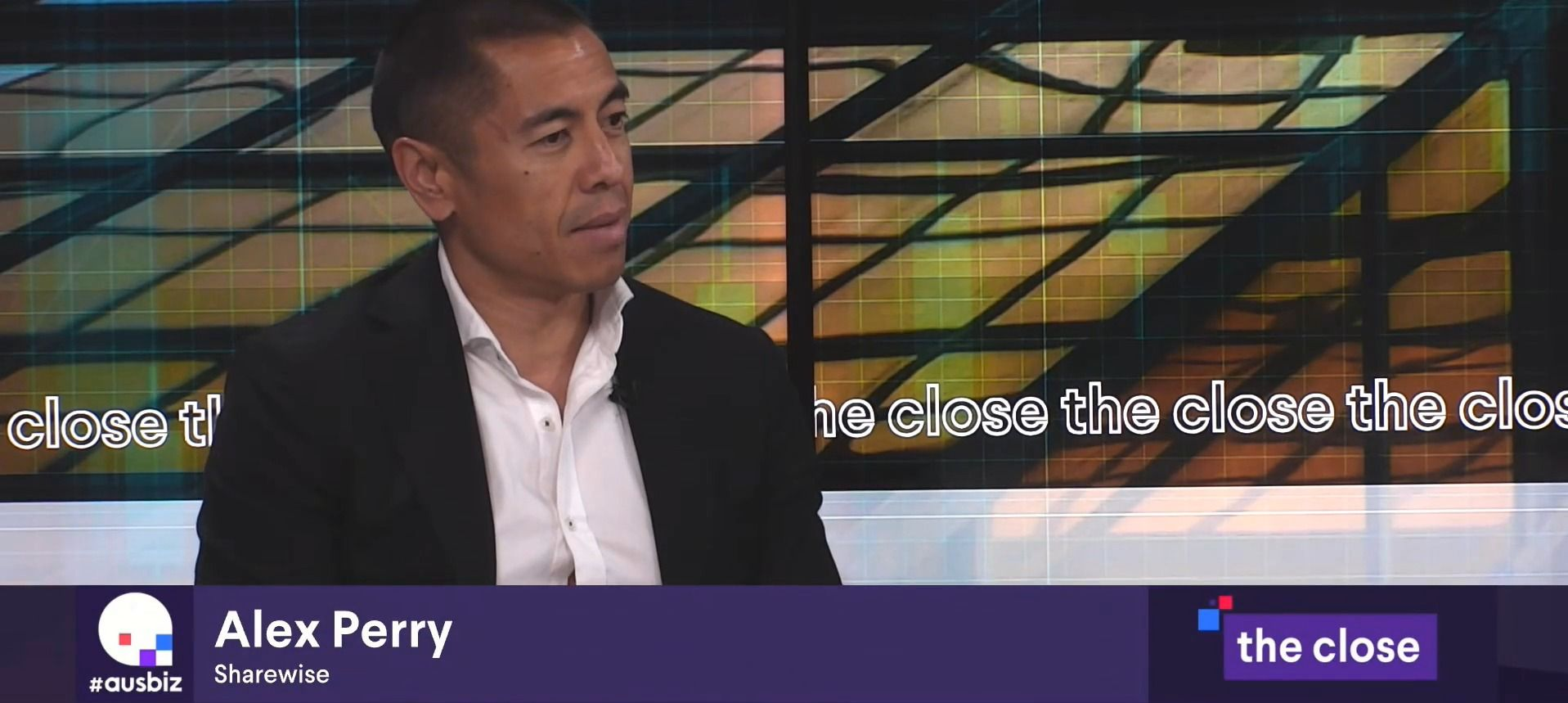
Sharewise CEO Alex Perry sat down with ausbiz to unpack how the platform approached FY26, a year in which it reported an ASX return of almost 11% and a US return above 32%. The conversation ranged from the AI infrastructure theme to specific names on Perry's radar in resources and quantum computing. Here's a rundown of the key points.

Warsh gave markets a framework, not a forecast. What his first Jackson Hole keynote means for inflation, rates, forward guidance and the outlook for equities.
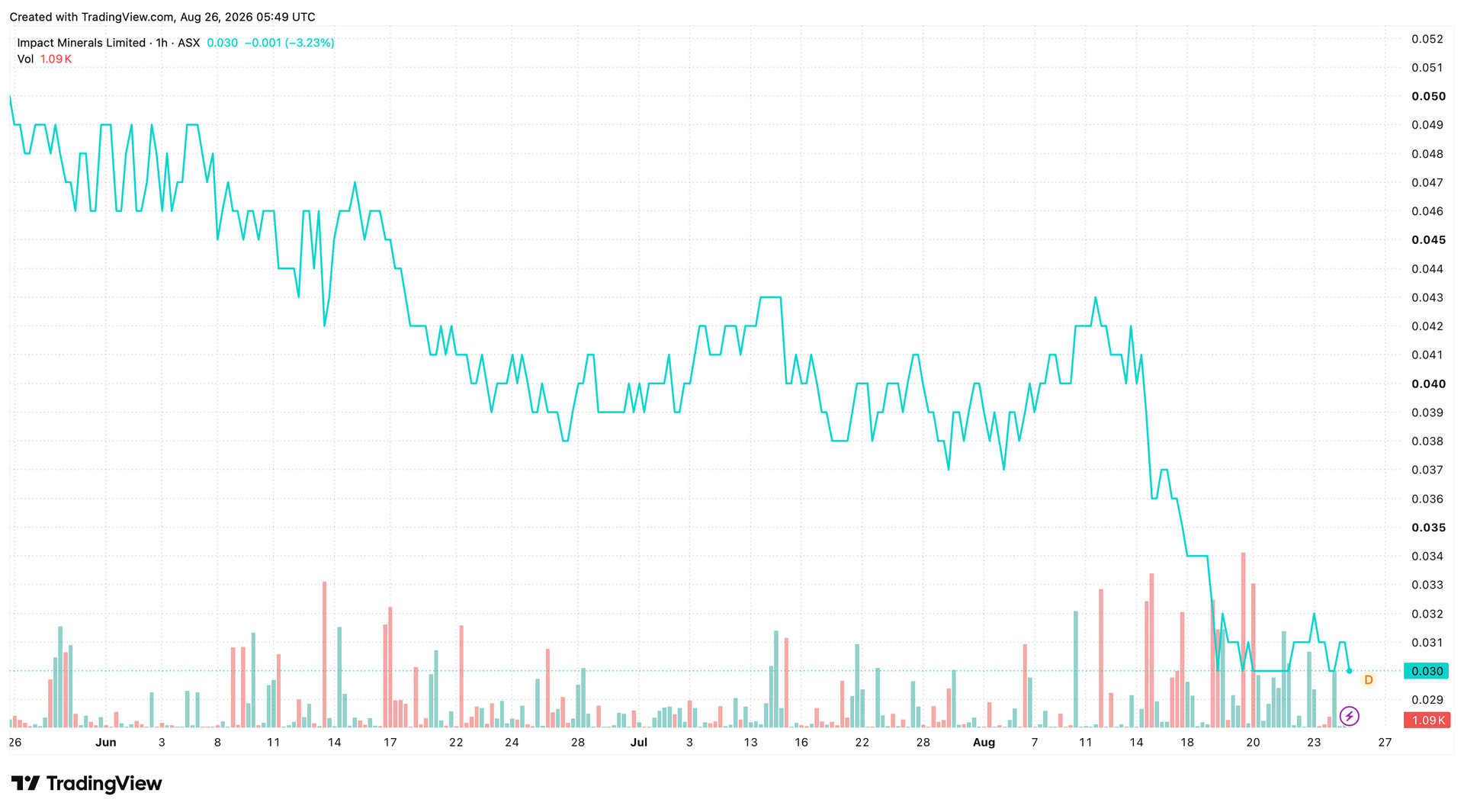
Get the latest on Impact Minerals (ASX: IPT), including stock performance, technical analysis, forecasts & key insights. See if IPO supports your goals.
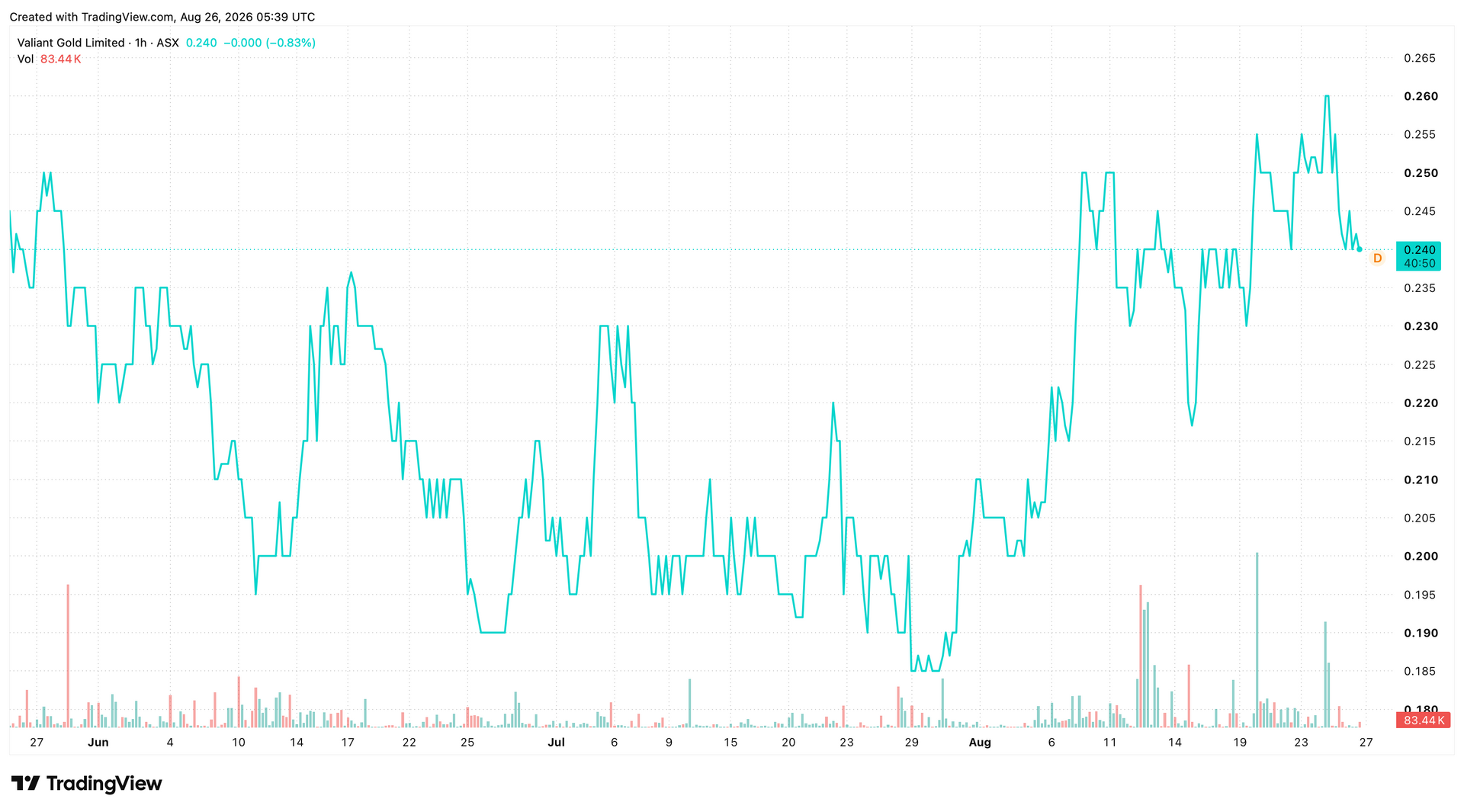
Get the latest on Valiant Gold (ASX: VAL) with our share price, technical analysis, forecasts & key insights. See if this ASX gold stock fits your investment goals.
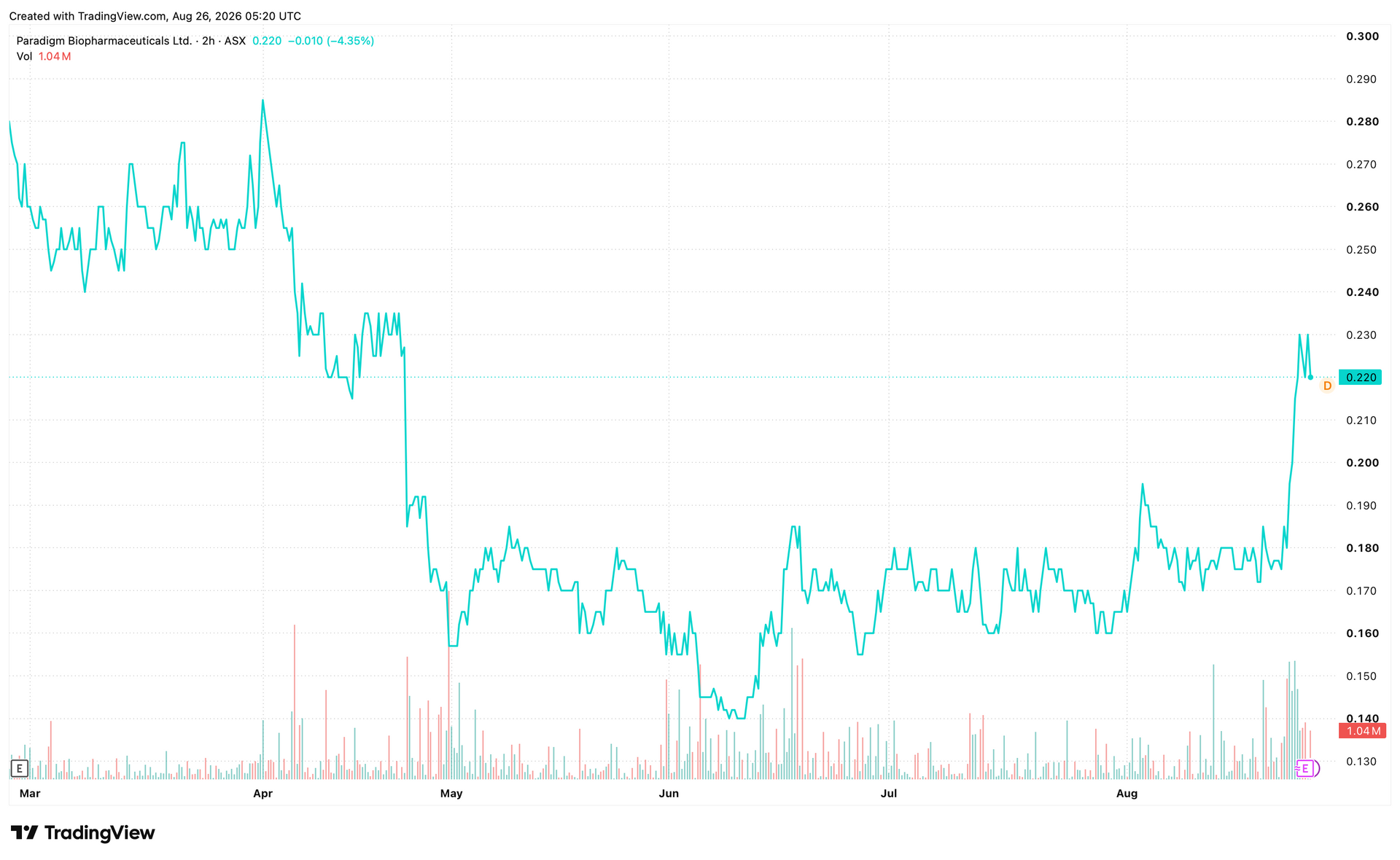
Learn about Percheron Therapeutics (ASX: PER). Offering share price, technical analysis, forecasts & insights. See if this ASX biotech stock fits your goals.

Brent crude hits US$91 as US-Iran talks stall and Strait of Hormuz disruption persists. What's driving the move and what comes next for oil

The RBA holds rates at 4.35% as inflation remains elevated. Here’s what the August decision means for the Australian economy, markets and key sectors.
