
Fed Holds Rates: Market Implications and Portfolio Positioning

Market expectations heading into the meeting were firmly anchored around a pause, reflecting confidence that current policy settings are tight enough to slow inflation without significantly weakening economic activity. As a result, attention has shifted away from the immediate direction of rates and toward how long policy remains at these levels.
For investors, this decision reinforces the importance of positioning portfolios for a period of policy stability, where returns are increasingly driven by fundamentals, diversification and risk management rather than changes in interest rates alone.
The Decision Breakdown
The FOMC voted overwhelmingly to maintain the 3.50%–3.75% target range, with only a small minority indicating a preference for further easing. The statement acknowledged continued progress on inflation, while reiterating that price pressures remain above target and economic activity continues to expand at a solid pace. Language around future policy remained cautious, emphasising the need for greater confidence that inflation is moving sustainably toward 2%.
Chair Powell reinforced this stance during his press conference, underscoring that future decisions will be guided by incoming data rather than a predetermined path. He highlighted the balance the Fed is seeking between maintaining progress on inflation and avoiding unnecessary damage to growth. Markets interpreted these remarks as signalling that while rate cuts remain possible, any easing is likely to be measured and conditional.
Within the broader policy cycle, the decision reflects a stabilisation phase following earlier easing. While the outcome aligned with expectations, the emphasis on patience and data dependence modestly shifted market assumptions toward a slower pace of future adjustment.
Initial Market Reaction
Market reactions were relatively muted, reflecting the extent to which a pause had already been priced in. U.S. equity markets absorbed the decision calmly, with the S&P 500 and Dow Jones Industrial Average showing minimal movement and the Nasdaq edging modestly higher. The restrained response suggests investors viewed the decision as confirmation rather than a catalyst.
In fixed income markets, government bond yields were little changed, particularly at the front end of the curve. Longer-dated yields reflected modest adjustments in growth expectations rather than a shift in policy outlook. Credit markets remained stable, with spreads holding near cycle tights, indicating continued confidence in corporate balance sheets and default risk.
Currency markets also exhibited limited volatility. The U.S. dollar traded broadly steady against major peers, consistent with expectations that global monetary policy divergence will remain gradual. Commodity prices were mixed, reflecting competing forces between resilient demand and inflation-related hedging.
Overall, the reaction suggests markets are comfortable with the current policy plateau. Pricing across asset classes implies expectations for rates to remain on hold for an extended period, reinforcing the view that future market movements will be shaped increasingly by economic data and earnings outcomes rather than central bank announcements.
What This Means for Markets Going Forward
With the Federal Reserve stepping back from active policy adjustment, markets are entering a phase where macro stability replaces macro stimulus as the dominant backdrop. The focus is shifting away from central bank actions and toward economic fundamentals, changing how investors assess risk, opportunity and leadership across asset classes.
In this environment, markets are likely to become less sensitive to Federal Reserve commentary and more responsive to incoming data, particularly inflation trends, labour market conditions and corporate earnings. Without the support of falling rates, economic surprises may exert greater influence on asset prices, even in the absence of policy change.
Equity market leadership is also likely to become more differentiated. Periods of rate stability tend to favour companies with predictable earnings, strong balance sheets and pricing power, while speculative or highly leveraged exposures face closer scrutiny. Broad-based rallies may give way to more selective performance, with greater dispersion across sectors and styles.
Volatility may remain contained at the index level, but risks are increasingly asymmetric. With optimism already reflected in pricing, downside surprises have greater potential to disrupt sentiment than incremental positive developments. Policy stability does not eliminate uncertainty; it shifts it toward economic outcomes, reinforcing the value of diversification and disciplined portfolio construction.
Market Segments in Focus
The Fed’s decision carries differentiated implications across sectors, reflecting how interest rate stability interacts with growth, inflation, and demand dynamics.
Financials benefit from policy consistency. Banks can manage lending spreads more predictably, while insurers and asset managers gain visibility in investment strategies. Stable rates support net interest margin growth and mitigate refinancing pressures on balance sheets, allowing financial institutions to plan strategically for both lending and investment opportunities.
Consumer discretionary and technology face a more nuanced outlook. Companies with strong pricing power, low leverage, and robust cash flows are better positioned than peers reliant on external financing or highly cyclical demand. For high-growth technology firms, the absence of near-term rate cuts underscores the importance of cash efficiency, as valuations remain sensitive to discount rates and projected future earnings. Larger, well-capitalised tech companies with recurring revenue streams remain resilient, while smaller or unprofitable names continue to face tighter scrutiny from investors.
Industrials and materials may experience selective tailwinds, particularly for businesses exposed to structural trends such as infrastructure development, renewable energy expansion, or supply chain reshoring. Commodity producers remain supported by resilient global demand, though rising input costs could constrain margins if not managed effectively. Companies with pricing power and operational efficiency are better equipped to navigate these challenges.
Real estate and utilities, sectors traditionally sensitive to rates, may stabilise under a “higher-for-longer” environment. REITs with defensive, income-generating assets are favoured over those reliant on aggressive growth assumptions, while utilities benefit from predictable cash flows and continued investor appetite for stable yield in a low-volatility setting.
Healthcare offers defensive qualities, with pharmaceuticals, healthcare services, and medical devices providing predictable revenue streams and portfolio ballast. The sector’s resilience stems from stable demand, structural demographic tailwinds, and recurring revenue models, making it a stabilising component in diversified portfolios.
Energy and broader materials remain exposed to macroeconomic developments and geopolitical risks. While policy stability reduces short-term rate-driven volatility, operational and commodity price risks persist, reinforcing the need for selective exposure and active monitoring. Companies with disciplined cost structures and robust cash flow generation are likely to fare better in this environment.
Portfolio Positioning Strategy
From a portfolio perspective, the Fed’s decision reinforces the importance of balance, selectivity and flexibility.
Fixed income: The pause strengthens the case for capturing income through high-quality bonds. Duration management remains important, balancing the benefits of locking in yields with flexibility to respond to future rate shifts. Credit quality is critical given historically tight spreads, with selective exposure to investment-grade and higher-quality corporate credit offering income without excessive risk.
Equities: Selectivity is increasingly important. Financials may benefit from stable rates and resilient lending conditions, while industrials and sectors supported by structural demand trends remain attractive. High-growth technology exposures warrant careful sizing given their sensitivity to shifts in rate expectations. A focus on companies with strong cash flow generation and resilient fundamentals remains prudent.
Geography: U.S. equities continue to command a premium, but international markets may offer compelling opportunities where earnings growth is solid and currency risk is manageable. Maintaining geographic diversification helps balance exposure to global macro risks.
Quality, growth and value: Emphasising quality companies with strong balance sheets and predictable earnings can enhance resilience in a higher-for-longer rate environment. Growth exposures should be actively managed, while value allocations should focus on businesses with durable revenue streams rather than short-term cyclical momentum.
Liquidity: Maintaining flexibility through cash or liquid assets provides optionality, allowing portfolios to respond to volatility or valuation dislocations. This flexibility is particularly valuable in an environment where policy expectations remain uncertain.
Risk Factors and Scenarios
Despite the calm response to the Fed’s decision, several risks could disrupt the current equilibrium. Inflation remains the central variable. Any renewed acceleration, particularly driven by wages or services, could extend the period of restrictive policy beyond current expectations.
Labour market dynamics represent another key inflection point. A sharper slowdown could bring forward easing expectations, while continued strength may delay them. Fiscal policy and political developments also present risks if expansionary measures complicate the inflation outlook.
External shocks, including geopolitical events or a downturn in global growth, could tighten financial conditions rapidly and prompt a reassessment of policy priorities. Investors should remain mindful that periods of stability can shift quickly if conditions change.
Key Takeaways
The Federal Reserve’s decision to hold rates at 3.50%–3.75% marks a phase of consolidation rather than complacency. While markets welcomed the confirmation of stability, the implications for investors are nuanced. With policy uncertainty receding, returns are increasingly shaped by fundamentals, diversification and disciplined risk management.
For clients, the focus should remain on maintaining balance, prioritising quality and ensuring portfolios are positioned to perform across a range of economic outcomes. This environment rewards thoughtful positioning and preparedness rather than aggressive risk-taking.
Looking ahead, policy stability provides an opportunity to reassess portfolio resilience, refine risk controls and remain attentive to the economic data that will ultimately determine the Fed’s next move.
Subscribe to our newsletter
Disclaimer: This article does not constitute financial advice nor a recommendation to invest in the securities listed. The information presented is intended to be of a factual nature only. Past performance is not a reliable indicator of future performance. As always, do your own research and consider seeking financial, legal and taxation advice before investing.
Speak to an Advisor

The AI trade is being forced to rethink the pace of progress. Here is what investors should watch across Nvidia, chips, AI spending, software and adoption.

Copper is at a record high, yet the global market still has a surplus. So where is all the copper, and why is it becoming harder to find?

Sharewise CEO Alex Perry sat down with ausbiz to unpack how the platform approached FY26, a year in which it reported an ASX return of almost 11% and a US return above 32%. The conversation ranged from the AI infrastructure theme to specific names on Perry's radar in resources and quantum computing. Here's a rundown of the key points.

Warsh gave markets a framework, not a forecast. What his first Jackson Hole keynote means for inflation, rates, forward guidance and the outlook for equities.
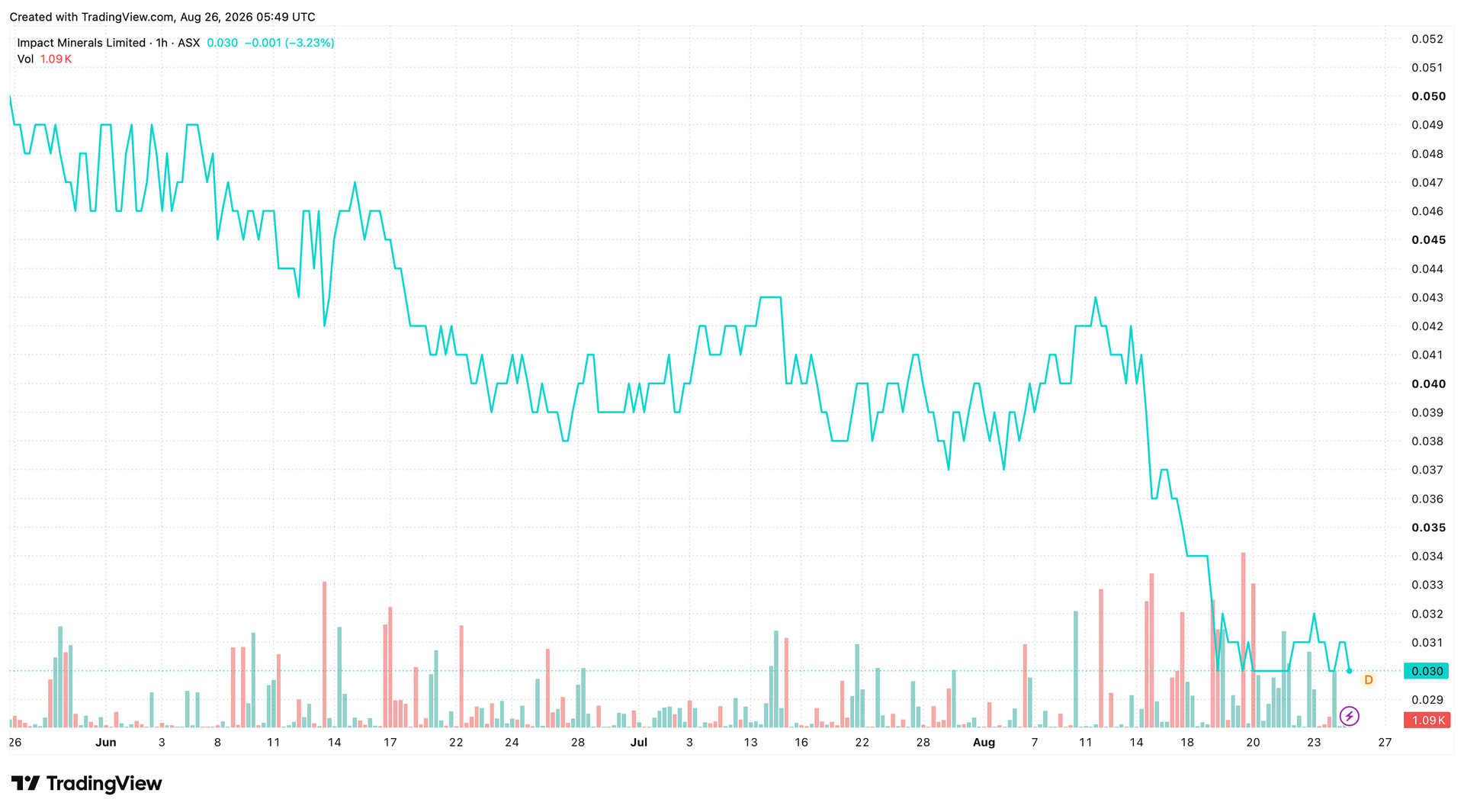
Get the latest on Impact Minerals (ASX: IPT), including stock performance, technical analysis, forecasts & key insights. See if IPO supports your goals.
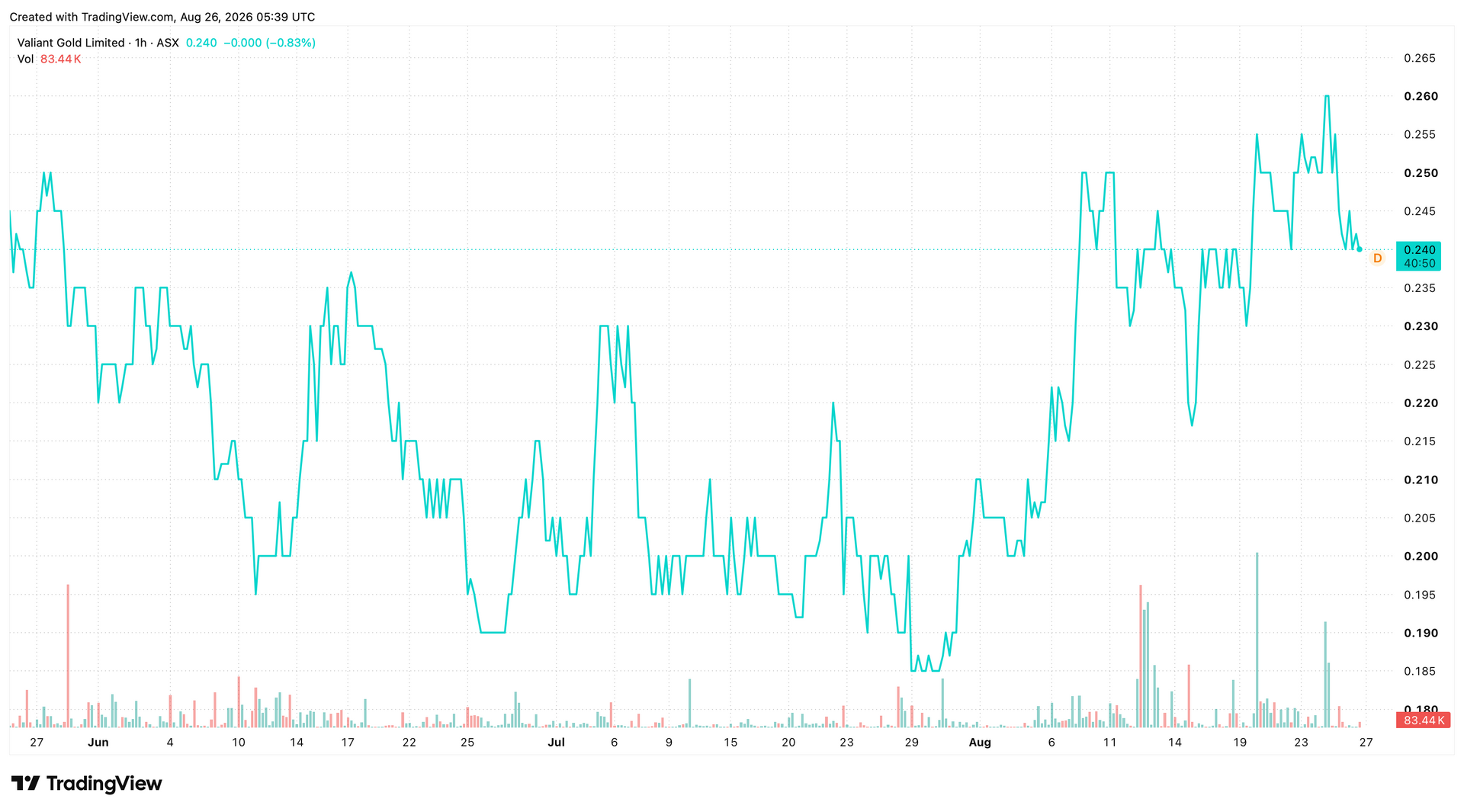
Get the latest on Valiant Gold (ASX: VAL) with our share price, technical analysis, forecasts & key insights. See if this ASX gold stock fits your investment goals.
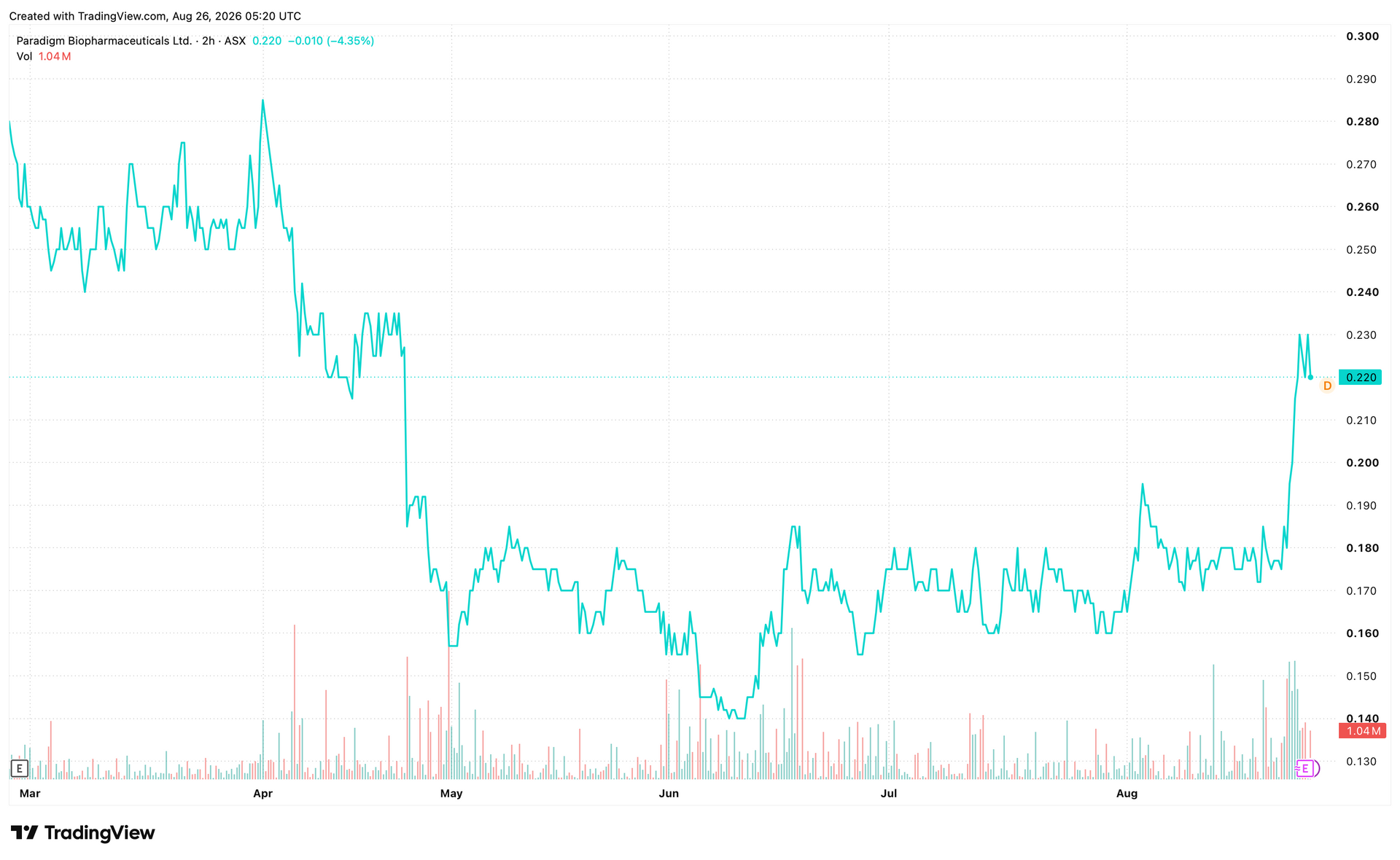
Learn about Percheron Therapeutics (ASX: PER). Offering share price, technical analysis, forecasts & insights. See if this ASX biotech stock fits your goals.

Brent crude hits US$91 as US-Iran talks stall and Strait of Hormuz disruption persists. What's driving the move and what comes next for oil

The RBA holds rates at 4.35% as inflation remains elevated. Here’s what the August decision means for the Australian economy, markets and key sectors.

As AI becomes cheaper to deploy, could the next investment winners shift beyond chipmakers? Explore how the AI cost race is redefining future tech leaders.
