The impact of the Russia-Ukraine war on the markets
Investors are well aware that the Russia invasion has affected the global economy and financial markets. Since the conflict began, the S&P 500 has contracted 9%, implicating global uncertainty pertaining to the war. There have been a multitude of macro and micro issues that have emerged since the start of the war.
Macro reaction
The EU, USA, Australia and allies have been targeting Russian banks and exports, causing higher inflation due to their economic co-dependency. This has particularly put pressure on food, energy and major commodities, as 40% of EU’s gas supply came from Russia. In particular, the EU is struggling to move away from their previous dependence on Russia gas. Shortly after the announced invasion, oil prices surged to $130 per barrel, the highest it has been since the GFC.

Source: Chris McGrath/Getty Images
Furthermore, Russia and Ukraine typically account for 30% of wheat on the world market, along with 80% of sunflower oil. Ukraine alone supplies 20% of the corn sold internationally, and with the ongoing tensions these supply chains have been constrained. This has created an environment where consumers are driving higher prices for goods that aren’t immediately available, leading to inflation.
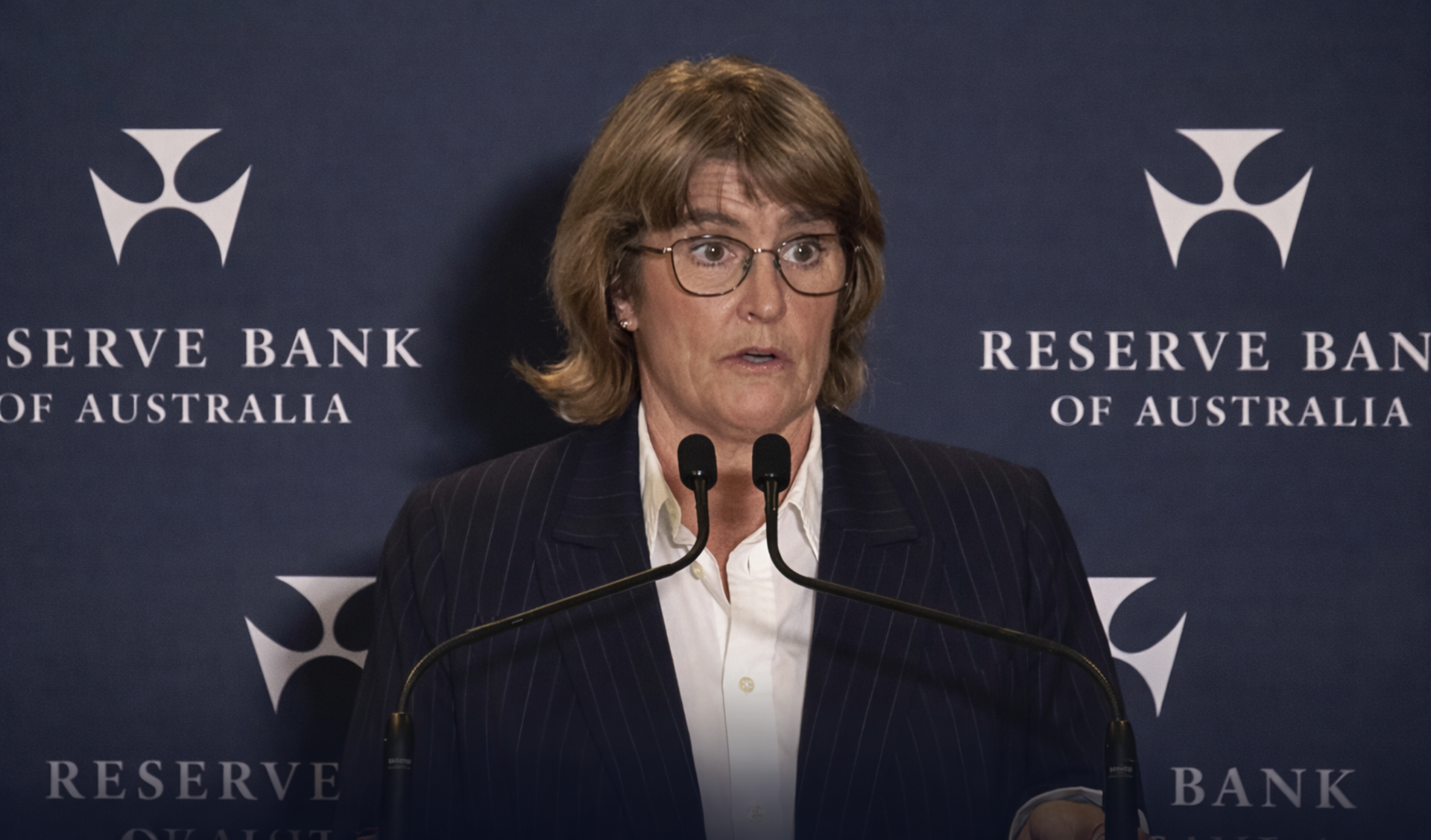
In response to high inflation, central banks like the Reserve Bank of Australia are aggressively hiking interest rates to reduce consumer demand for commodities. Whilst increased interest rates did slow commodity inflation, it has hindered a post-COVID rebound for the economy, as businesses have ultimately slowed down with lower consumer spending.
Micro reaction
Whilst the Russia-Ukraine conflict has minimal direct exposure on Australian companies, there remains indirect impact.
As mentioned earlier, due to lower consumer demand, business revenues have dwindled over the past few months due to decreased discretionary spending. Moreover, global supply chains have been distorted by the war, with the most prevalent being palladium, where Russia accounts for 45% of global production. Increased raw material costs have resulted in many companies’ profit margins being reduced, and as a result, expected earnings have been adjusted to reflect this slowing demand and higher costs.
Will these impacts be long-lasting?
With the ASX200 and S&P500 both showing signs of recovery over the past month, JP Morgan Analysts have revised their expectations to factor the Russian geopolitical tensions. However, this assumes that Russia will continue to honour their long-term natural gas supply commitments to Europe post-war.
Subscribe to our newsletter
Disclaimer: This article does not constitute financial advice nor a recommendation to invest in the securities listed. The information presented is intended to be of a factual nature only. Past performance is not a reliable indicator of future performance. As always, do your own research and consider seeking financial, legal and taxation advice before investing.
Speak to an Advisor