The RBA Hikes to 4.60%: A New Inflation Challenge
Australia’s latest rate increase reflects a more complicated inflation problem, with higher energy costs, technology-related demand and domestic capacity pressures challenging the path back to the RBA’s target.
The Reserve Bank of Australia (RBA) lifted the cash rate by 25 basis points to 4.60% on 29 September, taking it to its highest level since November 2011. It was the fourth increase of 2026, following rises in February, March and May, bringing total tightening this year to a full percentage point.
The hike itself was widely expected. What distinguishes this decision is the combination of price pressures behind it. The RBA pointed to a broadening conflict in the Middle East, which has pushed global energy prices much higher than assumed in its August forecasts, and AI-related demand contributing to rapid growth in global prices for technology-related goods. Together with persistent domestic capacity pressures, these developments have reinforced concerns that inflation may take longer to return to target.
That raises an important question for investors: Could these pressures remain concentrated in selected prices, or will they spread more widely through the economy and make inflation harder to contain?
Why the RBA Raised Rates Again
The Board opened its September statement with a clear assessment: inflation remained elevated, and some of the upside risks identified in August were materialising. Recent inflation outcomes had also been stronger than expected.
The July data showed headline inflation easing to 3.5%, from 3.8% in June, while trimmed mean inflation held at 3.6%, above the RBA’s 2% to 3% target band. August figures, released the day after the decision, showed headline inflation rebounding to 4.0% while trimmed mean inflation remained at 3.6%, rising just 0.2% over the month. Much of the headline increase came from automotive fuel, which rose 14.8% in August amid higher world oil prices and the unwinding of the federal government’s remaining fuel excise relief. Electricity prices rose 13.2% over the year, although this largely reflected the end of Commonwealth rebates rather than higher energy market prices.
Beyond the headline figures, the RBA’s business liaison indicated that firms continued to face cost pressures, with some raising prices or planning further increases. Short-term inflation expectations also remained elevated. The broader economic picture was less clear-cut. Consumer spending was easing gradually, housing prices had fallen in most capital cities and new housing loans had declined noticeably. The labour market had also eased broadly as expected, with the unemployment rate rising to 4.6% in August, its highest level since late 2021, although the ABS has cautioned against placing too much weight on a single month’s seasonally adjusted result.
Ahead of the decision, ANZ economists said the RBA no longer viewed recent energy price spikes as a temporary blip, but as a broader and more persistent inflation risk. That interpretation belongs to ANZ. The RBA’s own statement was more measured, although it confirmed that several of the upside risks identified in August were materialising rather than remaining prospective.
From an Energy Shock to Persistent Inflation
Energy shocks typically work in two stages. The first-round effect is direct: higher oil prices lift fuel, freight and other operating costs, increasing the cost of transporting goods and running a business. The second-round effect is more consequential for central banks. If those costs spread into the prices of food, manufactured goods, travel and services, an initial jump in energy prices can contribute to more persistent inflation.
The RBA’s statement points to early evidence of second-round effects, noting that higher fuel prices had been partially passed through to other goods and services, adding to existing capacity pressures in the economy. Bank of America made a similar observation about energy costs. The August CPI offers a mixed read on how far that process has run. Non-discretionary prices rose 4.7% over the year, compared with 3.0% for discretionary items, but the steady trimmed mean suggests the broad spread of price increases the RBA is guarding against has not yet shown up clearly in underlying measures. The extent of that pass-through will matter: isolated price increases are different from a broad rise in costs and prices across the economy.
AI-related demand presents a different pressure. Whereas an energy disruption constrains supply, demand for AI infrastructure can intensify competition for technology components and equipment. The RBA identified AI-related demand as contributing to rapid growth in global prices for technology-related goods, and early signs are visible locally: the ABS attributed a 12.7% annual rise in prices for games, toys and hobbies to higher memory and storage component costs being passed on to consumers. That is a single category, however. The broader contribution of technology prices to Australian inflation remains uncertain, and should not be assumed to match that of energy costs.
Duration is the key variable. A brief increase in selected prices may have a limited effect on underlying inflation. A prolonged shock could have wider consequences if it influences business pricing decisions, wage negotiations or household inflation expectations.
There is also a counterweight. Higher energy bills reduce household purchasing power, while weaker demand can limit businesses’ ability to pass on rising costs. The RBA must weigh these competing forces as it assesses whether inflation will ease or become more persistent.
The RBA’s Policy Dilemma: Inflation Versus Growth
The formal statement left the door open to further tightening. The Board said it would do what it considered necessary to return inflation to target, including raising the cash rate further if needed, guided by incoming data and its assessment of risks.
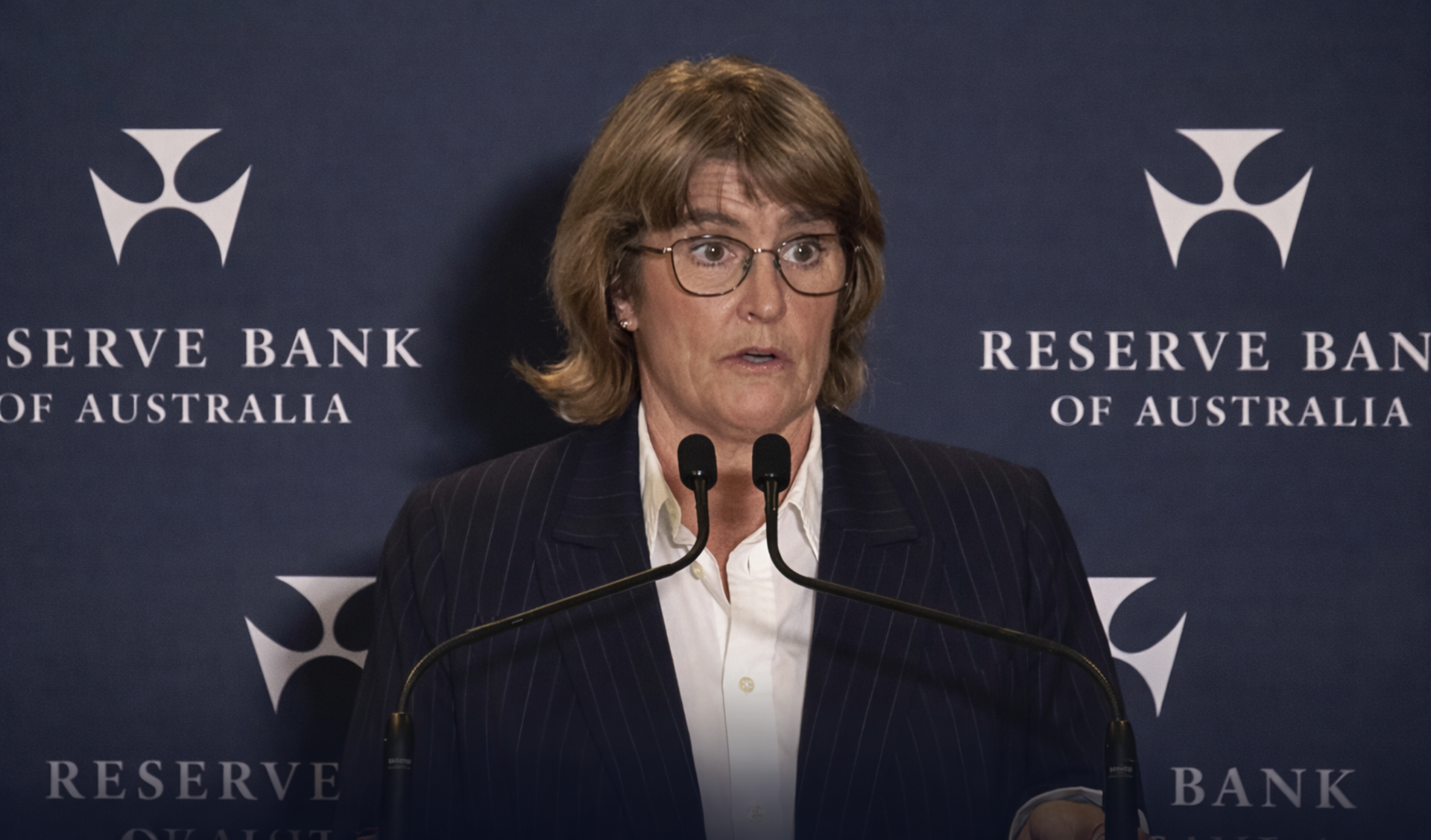
Governor Michele Bullock’s press conference placed greater emphasis on the conditional nature of the outlook. She said she hoped four increases would prove restrictive enough, and that no further hikes may be needed if inflation comes down. She also confirmed the Board had considered both holding rates and raising them. The messages were not contradictory: further tightening remained possible, but was not presented as inevitable. The Australian dollar fell below USD 0.70 around the time of the press conference, as markets assessed Bullock’s comments alongside the RBA’s policy statement.
The difference in emphasis reflects a genuine policy dilemma. Higher rates cool domestic demand through mortgage repayments, consumer credit and business borrowing, but cannot directly resolve a disruption to global energy supply or remove bottlenecks in technology production. If the RBA tightens too far, it risks weakening consumption, investment and employment. If it eases too early, persistent underlying inflation could become harder to contain.
Australia is not facing these pressures in isolation, although international comparisons require care. The US Federal Reserve raised its target range to 3.75% to 4.00% on 16 September, while the European Central Bank raised its key rates on 10 September, taking its deposit facility rate to 2.50%. The Bank of Japan also raised its policy rate by 25 basis points to 1.25% in September, its highest level since 1995, in a split 7-2 vote.
What 4.60% Means for ASX Companies and Earnings
Higher financing costs combined with persistent input-cost inflation will not affect the sharemarket evenly. Balance-sheet structure, competitive position and customer demand will matter more than sector labels.
Banks and lenders. Higher rates do not automatically translate into higher profits. Deposit competition and wholesale funding costs can compress lending margins, while financial pressure on borrowers can increase arrears and credit losses. In this phase of the cycle, credit quality becomes as important as net interest margins.
Consumer discretionary and retail. Larger mortgage repayments and rising living costs can reduce spending on non-essentials. Businesses selling essential goods are generally less exposed to discretionary demand weakness, although higher freight, energy and labour costs can still squeeze margins. The ability to pass on those costs without losing sales will be a key differentiator.
Property and infrastructure. Refinancing schedules, the mix of fixed and floating debt, and interest coverage will shape exposure to higher financing costs. Assets valued on long-dated cash flows are also sensitive to higher discount rates, which can weigh on valuations even when operating performance remains steady.
Energy, transport and industrials. Energy producers may benefit from higher commodity prices, while airlines, logistics operators and manufacturers face higher fuel and operating costs. Pricing power and contract terms, including fuel surcharges and cost pass-through clauses, influence how much of that burden can be transferred to customers.
Across all four groups, companies combining high leverage, limited pricing power and demand sensitive to household budgets may face greater earnings pressure.
Five Indicators Investors Should Watch Next
No single data release will settle the outlook, but five indicators will help show whether inflationary pressures are easing or becoming more persistent.
Underlying inflation. Watch quarterly trimmed mean inflation for evidence that price pressures are easing or becoming more persistent. The RBA’s response will depend on whether underlying inflation moves back towards its target sustainably.
Energy and technology prices. Watch whether energy costs remain elevated and whether technology-related price increases broaden or moderate. The key question is how far these pressures feed into Australian business costs and consumer prices.
Wages and unit labour costs. In his 22 September speech, RBA Monetary Policy Board member Iain Ross argued that today’s labour market framework differs substantially from that of the 1970s and 1980s, and that there was no evidence of an emerging wage-price spiral, although his assessment does not necessarily represent the views of the full Board. Wage growth should therefore be considered alongside productivity, labour demand and inflation expectations, rather than treated as evidence of a spiral in itself.
Household demand and employment. Consumer spending and employment conditions will help show whether tighter financial conditions are easing domestic capacity pressures, or whether demand remains strong enough to sustain price increases.
Corporate earnings and guidance. Company updates will reveal whether persistent input costs and higher financing expenses are translating into weaker volumes, margin compression or changes in pricing behaviour.
The next major milestones are the September quarter CPI release on 28 October and the RBA’s next monetary policy decision on 3 November, accompanied by a new Statement on Monetary Policy.
Conclusion: The Inflation Persistence Test
The significance of the fourth hike lies less in the number itself than in the range of inflation risks the RBA is now addressing: energy, technology-related prices and domestic capacity constraints. How long those pressures last, and how widely they spread, will matter more than any single move in oil prices.
For investors, these forces will affect financing costs, household spending and corporate margins differently across the market. The next phase of the rate cycle will depend on whether inflation pressures ease or spread further through the economy, shaping not only the RBA’s decisions but also the outlook for Australian company earnings and equity valuations.
Subscribe to our newsletter
Disclaimer: This article does not constitute financial advice nor a recommendation to invest in the securities listed. The information presented is intended to be of a factual nature only. Past performance is not a reliable indicator of future performance. As always, do your own research and consider seeking financial, legal and taxation advice before investing.
Speak to an Advisor