
Beyond the Tinsel: What Holiday Spending Signals for Markets

From busy shopping centres and online sales events to packed airports and restaurants, holiday spending reflects real decisions made under real financial constraints. Unlike surveys or forecasts, it captures behaviour rather than intention. What consumers choose to buy, where they allocate discretionary income and how willing they are to spend all feed directly into how investors assess near-term earnings prospects and the broader economic outlook.
By December, market expectations around holiday trading are largely embedded in share prices. The key question for investors is whether spending outcomes confirm or challenge those assumptions. A stronger-than-expected season can reinforce confidence in consumer-facing sectors, while softer results often prompt caution, particularly where margins or demand sustainability come into question.
As markets transition from one year to the next, holiday spending acts as a bridge. It shapes sentiment, informs earnings expectations and helps frame how investors approach the year ahead once the festive period passes.
Holiday Spending as a Window into Consumer Confidence
The festive season offers one of the clearest real-time indicators of household financial health. Strong holiday spending typically reflects stable employment conditions, manageable debt obligations and the confidence to deploy discretionary income. Weaker outcomes tend to signal tighter budgets, rising cost pressures or a more cautious consumer mindset.
The mix of spending is as important as the headline figures. Increased allocation toward discretionary categories such as electronics, fashion, travel and dining generally points to confidence beyond basic necessities. By contrast, greater emphasis on essentials, delayed purchases or aggressive discounting suggests a more defensive consumer. Investors closely track changes in basket size, transaction frequency and full-price versus promotional sales, as these factors often foreshadow margin pressure and earnings quality.
Credit usage adds further nuance. Higher reliance on buy-now-pay-later services or revolving credit can support short-term sales but raises questions about durability once the holiday period ends. Importantly, many companies use the festive season to signal trading conditions ahead of earnings updates. When these signals diverge from expectations, share price reactions can be swift, shaping market sentiment early in the new year.
Winners and Losers Across the Market
Retailers are the most visible beneficiaries when festive demand is strong. Department stores, specialty retailers and online platforms often generate a substantial share of annual revenue in the final quarter. Performance is highly sensitive to inventory discipline, promotional strategy and execution. Businesses that balance volume growth with margin protection tend to be rewarded, while those reliant on heavy discounting risk sacrificing profitability for short-term sales.
Online platforms continue to benefit from convenience, delivery speed and product breadth during peak shopping periods. Meanwhile, retailers with effective omnichannel strategies are better positioned to capture demand across both digital and physical channels.
Travel and leisure companies also feature prominently among seasonal winners. Airlines, accommodation providers, cruise operators and entertainment venues typically see elevated demand as households prioritise experiences over physical goods. This shift has become more structural in nature, with discretionary spending increasingly directed toward travel, dining and events. Companies that manage capacity, staffing and pricing effectively are more likely to convert seasonal demand into profitable growth.
Conversely, the holiday period can expose weaker business models. Poor inventory planning can lead to excess stock and margin pressure in the new year, while rising operating costs can erode profitability despite strong sales. More broadly, defensive sectors with limited exposure to discretionary spending often lag during periods when investor focus shifts toward consumer-facing opportunities.
How Markets Price the Festive Season
Equity markets do not wait for December sales data to form a view on holiday spending. Share prices of consumer-exposed companies are often influenced well in advance by macro conditions, management guidance and early promotional activity. As a result, market reactions to festive trading outcomes tend to be asymmetric. Strong results may simply validate existing valuations, while weaker outcomes can trigger sharper downward revisions.
The post-holiday period is often just as important. Earnings updates released in January and February provide clarity on inventory levels, margin outcomes and demand sustainability. These updates can drive volatility as investors reassess the quality of festive sales rather than the headline revenue numbers.
Year-end portfolio positioning also plays a role. Fund managers may adjust holdings ahead of reporting periods, increasing exposure to recent outperformers or trimming weaker names. This activity can reinforce short-term momentum, making it important for investors to distinguish between structural shifts and temporary market dynamics.
An Australian Perspective on Holiday Spending
In Australia, the festive season has distinct characteristics that shape both consumer behaviour and market outcomes. Christmas coincides with the start of summer, school holidays and peak tourism, amplifying demand across retail, travel and leisure. ANZ forecasts suggest Australians will inject around AUD 5.1 billion into the economy during the holiday shutdown period from 21 December to 5 January, representing growth of approximately 4.7% compared with the same period last year.
Spending is expected to be led by food and beverage, travel and leisure, digital goods and gifting. Recent years have seen a clear shift toward experiences, with households allocating a greater share of holiday budgets to travel, dining and entertainment rather than physical goods. Population growth and inbound tourism have become increasingly important demand drivers, particularly for hospitality and travel-exposed businesses.
Shopping patterns continue to evolve. While online penetration is rising, Australia remains more store-centric than many offshore markets, with consumers increasingly blending in-store and online purchases. A growing proportion of spending is occurring earlier in the season, placing greater emphasis on logistics, inventory visibility and fulfilment reliability. For investors, these trends provide insight into how households are managing interest rates, inflation and discretionary budgets.
Putting the Festive Season into Perspective
Holiday spending offers a valuable snapshot of how households and markets are positioned as the year draws to a close. Strong activity can support confidence and lift consumer-exposed sectors, while weaker outcomes can signal caution. These signals are most useful when viewed as part of a broader economic and corporate context rather than in isolation.
For investors, the challenge lies in separating seasonal noise from lasting value. Businesses with loyal customer bases, disciplined cost control and the ability to sustain demand beyond the festive rush are better positioned over time. Observing how sales trends carry into the first months of the new year often provides a clearer guide than headline holiday numbers alone.
As markets turn their attention to the year ahead, holiday spending helps set the tone rather than determine the outcome. Used thoughtfully, it adds context to earnings expectations and sector positioning, helping investors remain focused on fundamentals once the festive lights come down.
Subscribe to our newsletter
Disclaimer: This article does not constitute financial advice nor a recommendation to invest in the securities listed. The information presented is intended to be of a factual nature only. Past performance is not a reliable indicator of future performance. As always, do your own research and consider seeking financial, legal and taxation advice before investing.
Speak to an Advisor

The RBA has raised rates to 4.60% as inflation pressures persist. Explore the impact of energy costs, AI demand and the key signals investors should watch next.

Discover how advances in genomics, AI, diagnostics and gene editing are creating a broader healthcare opportunity and where commercial value is emerging.

The AI trade is being forced to rethink the pace of progress. Here is what investors should watch across Nvidia, chips, AI spending, software and adoption.

Copper is at a record high, yet the global market still has a surplus. So where is all the copper, and why is it becoming harder to find?

Sharewise CEO Alex Perry sat down with ausbiz to unpack how the platform approached FY26, a year in which it reported an ASX return of almost 11% and a US return above 32%. The conversation ranged from the AI infrastructure theme to specific names on Perry's radar in resources and quantum computing. Here's a rundown of the key points.

Warsh gave markets a framework, not a forecast. What his first Jackson Hole keynote means for inflation, rates, forward guidance and the outlook for equities.
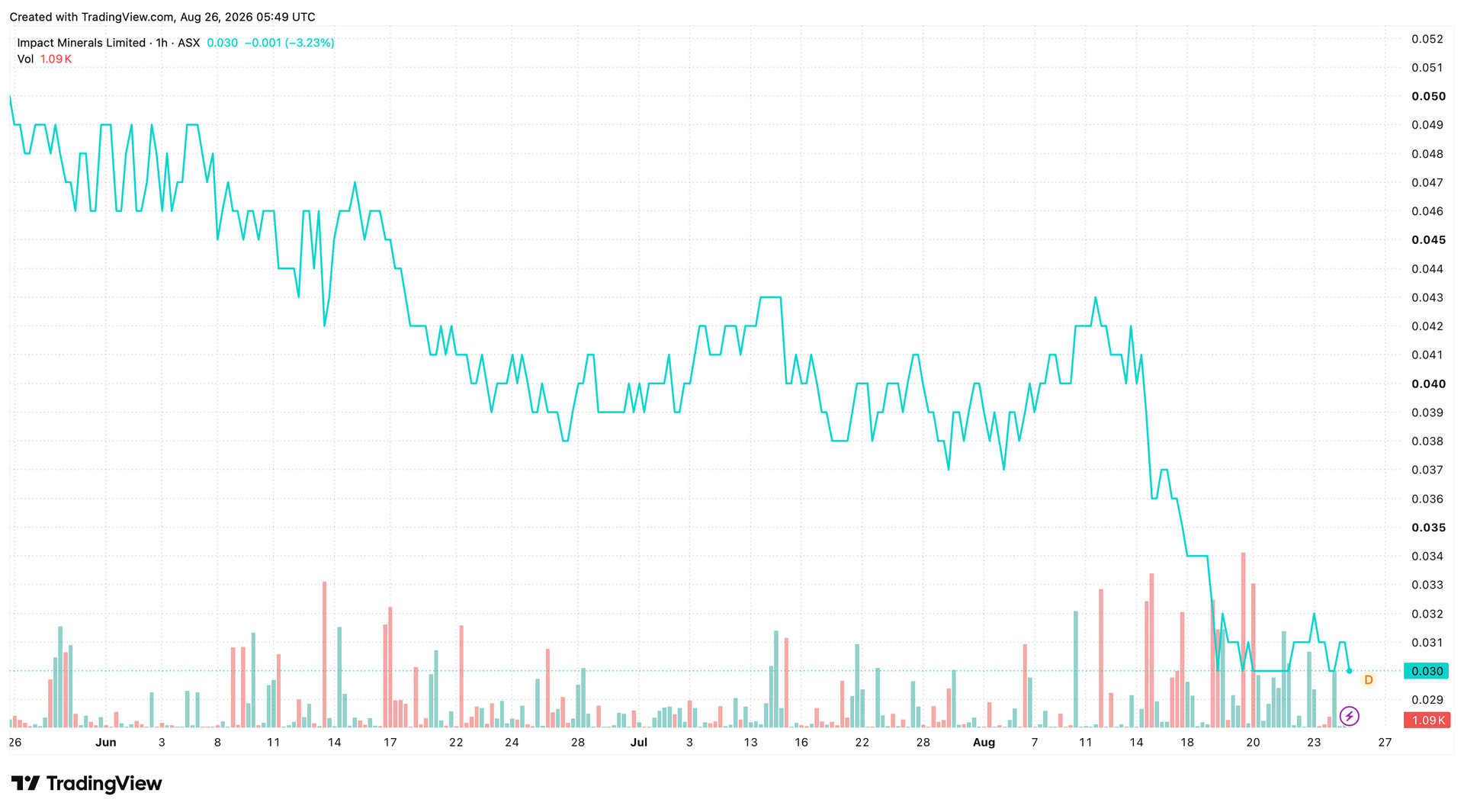
Get the latest on Impact Minerals (ASX: IPT), including stock performance, technical analysis, forecasts & key insights. See if IPO supports your goals.
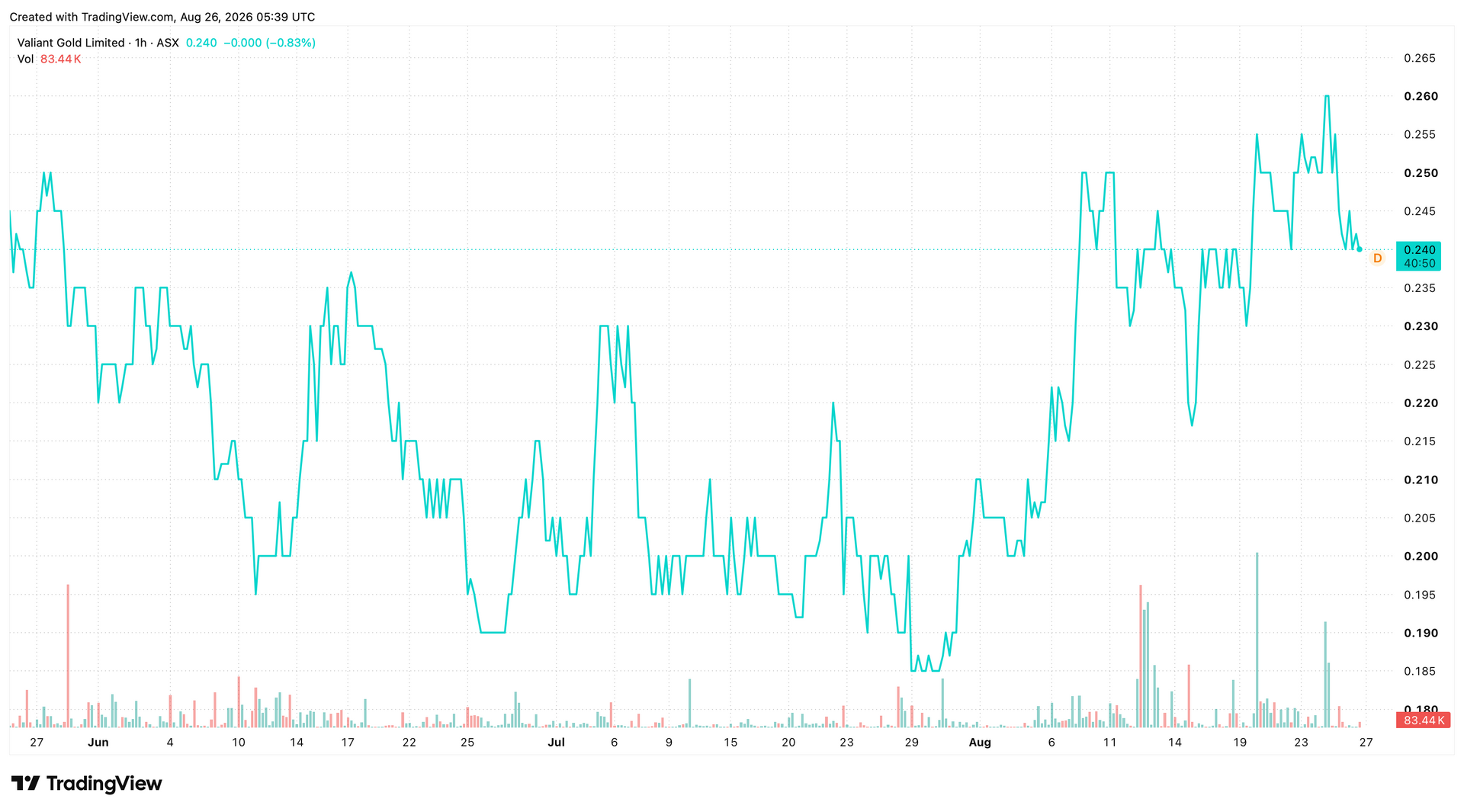
Get the latest on Valiant Gold (ASX: VAL) with our share price, technical analysis, forecasts & key insights. See if this ASX gold stock fits your investment goals.
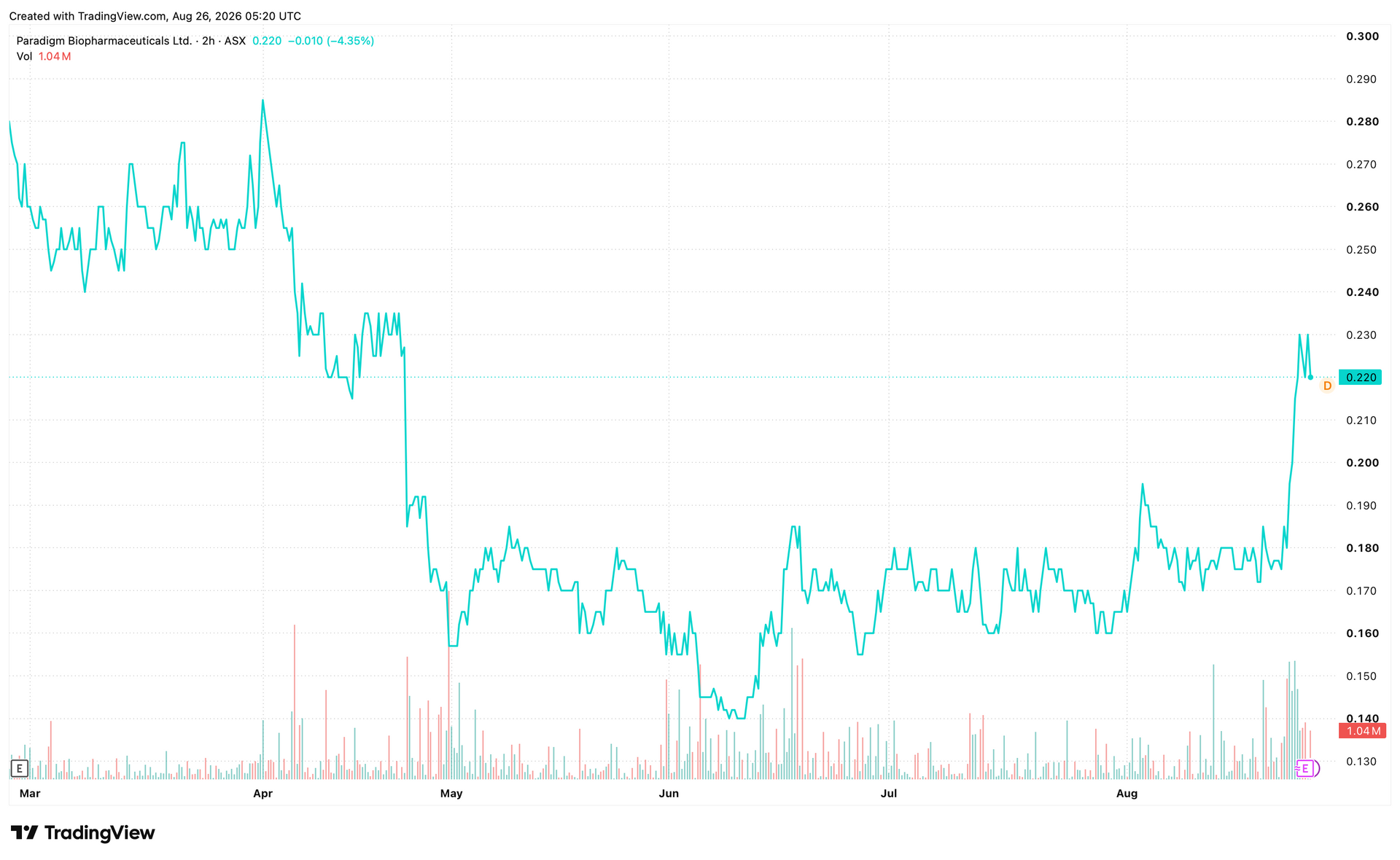
Learn about Percheron Therapeutics (ASX: PER). Offering share price, technical analysis, forecasts & insights. See if this ASX biotech stock fits your goals.

Brent crude hits US$91 as US-Iran talks stall and Strait of Hormuz disruption persists. What's driving the move and what comes next for oil
