
From Transition to Opportunity: How 2025 Is Shaping Markets in 2026

Rather than being shaped by a single defining shock, 2025 has been characterised by a series of structural shifts across monetary policy, currencies, geopolitics, technology investment, and capital allocation. For investors, the challenge has not been reacting to headlines, but recognising how these underlying changes are reshaping the opportunity set for the next phase of the market cycle.
Central Banks: From Rate Cycles to Policy Normalisation
By 2025, the global rate-hiking cycle that defined the post-pandemic period is firmly in the rear-view mirror. Central banks are no longer singularly focused on suppressing inflation, but on carefully calibrating policy to avoid overtightening into slowing growth.
The U.S. Federal Reserve remains central to this transition. After holding rates at restrictive levels for an extended period, attention has shifted to the timing and pace of easing. Importantly, rate cuts in this cycle are less about stimulating growth and more about preventing real rates from becoming excessively restrictive as inflation continues to moderate.
This shift has been evident across major central banks. The U.S. Federal Reserve has begun preparing markets for its first rate cut as inflation eased, while the European Central Bank moved earlier by cutting its deposit rate to support slowing growth. In Japan, the Bank of Japan ended its long-standing negative interest rate policy, marking a significant departure from decades of ultra-loose monetary settings.
The lagged effects of the 2023–2024 tightening cycle are still flowing through credit markets, housing, and corporate investment. For markets, this points to a backdrop where liquidity conditions gradually improve into 2026, even if policy settings remain cautious. In this environment, selective risk-taking is likely to be rewarded over broad, liquidity-driven rallies.
Inflation’s Second Phase: Services, Wages, and Structural Pressures
While headline inflation has moderated meaningfully, 2025 has made it clear that inflation is no longer just a supply-chain story. The second phase of inflation has proven more persistent and complex.
Services inflation, wage growth, and labour market tightness remain key challenges across developed economies. Demographic pressures, skills shortages, and the re-shoring of supply chains are keeping cost bases elevated, even as goods prices stabilise. This has reinforced a more cautious policy stance among central banks, even as inflation trends lower.
For companies, this environment is increasingly differentiating. Businesses without pricing power face margin pressure, while those able to pass through costs or improve productivity are better positioned. From an equity market perspective, inflation is no longer a blunt macro force. It has become a filter that separates resilient business models from those more exposed to structural cost pressures.
A Turning Point for the U.S. Dollar and Global Equity Leadership
One of the more important shifts emerging in 2025 is the improving outlook for non-U.S. equity markets. After more than a decade of U.S. market dominance, supported by strong earnings growth and a rising U.S. dollar, the balance is beginning to change.
Global investors have spent years building portfolios around U.S. exceptionalism and dollar strength. However, a growing consensus is forming around the possibility of a softer U.S. dollar in 2026, driven by narrowing interest-rate differentials and rising fiscal concerns.
Expected U.S. Federal Reserve rate cuts are narrowing the interest-rate differentials that previously supported the dollar. At the same time, capital is gradually rotating toward international markets offering more attractive valuations, improving earnings momentum, and supportive policy settings. Expanding U.S. fiscal deficits and debt levels are also weighing on the dollar’s longer-term appeal as the world’s primary reserve currency.
For equity markets, this shift has meaningful implications. A weaker dollar can provide a tailwind for non-U.S. equities by lifting local-currency returns for global investors. Regions such as Europe, Japan, and select emerging markets may benefit as capital flows become less concentrated. Heading into 2026, geographic diversification is increasingly shifting from a risk-management tool to a potential source of returns.
AI, Energy, and the Infrastructure Catch-Up
Artificial intelligence has dominated investment narratives in recent years, but 2025 has highlighted a critical constraint: infrastructure. The scale of AI-related capital expenditure announced over the past few years has collided with the physical realities of power generation, grid capacity and data-centre availability.
Rather than accelerating endlessly, AI investment in 2025 has entered a more disciplined adjustment phase. Companies are reassessing returns, refining deployment strategies and confronting bottlenecks in energy, hardware and skilled labour. This moderation should be viewed less as a setback and more as a necessary step toward sustainable long-term adoption.
Importantly, this reassessment has shifted investor attention away from pure software narratives toward the systems that support digital expansion. Power availability, grid resilience and energy security are emerging as binding constraints on technological growth, reflecting years of underinvestment in infrastructure.
This uneven backdrop has been visible across commodity markets. Crude oil prices weakened through 2025 as increased supply met softer global demand, while gold prices surged to record highs as investors sought protection amid economic uncertainty and heightened geopolitical risk. The divergence highlights how commodities are responding to very different forces, ranging from energy transition dynamics to financial risk hedging and capital preservation.
Looking ahead to 2026, potential beneficiaries include utilities, grid operators, energy infrastructure providers and select industrials positioned at the intersection of technology, power demand and long-duration capital expenditure.
Geopolitics and the New Cost of Security
Geopolitical risk is no longer episodic. Throughout 2025, markets have increasingly accepted that strategic competition, particularly between the United States and China, represents a structural feature of the global landscape.
Technology controls, supply-chain realignment and rising defence spending are reshaping capital allocation decisions. Governments are placing greater emphasis on resilience and security, often at the expense of efficiency. Industrial policy, once peripheral to market analysis, has become a more influential driver of earnings visibility and sector leadership.
For investors, geopolitical risk is no longer simply a tail risk to hedge. It is an ongoing influence on capital expenditure priorities, supply chains and long-term return expectations.
China’s Transition and Global Spillovers
China’s role in global markets continues to evolve. While policymakers have stabilised near-term growth, the economy remains in a structural transition away from property-led expansion toward advanced manufacturing, technology, and strategic industries.
These changes are unfolding against a backdrop of moderating global growth. After expanding at an estimated 2.9% in 2024, global growth was expected to slow to around 2.6% in 2025, with both the U.S. and China experiencing a cooling in activity. This environment elevates the importance of productivity gains and targeted investment over broad-based expansion.
The global implications are significant. Demand for traditional bulk commodities has softened, while demand for critical minerals, clean energy inputs and advanced manufacturing components has remained comparatively resilient. Emerging markets linked to these supply chains may benefit, while economies reliant on China’s previous growth model continue to adjust.
Asset Market Signals Investors Should Not Ignore
By late 2025, headline equity markets reflected a more optimistic tone. Major U.S. indices, including the S&P 500, Nasdaq and Dow Jones, alongside international markets such as Japan’s Nikkei 225, reached record highs during the year. These gains were supported by continued enthusiasm around artificial intelligence and growing confidence that interest rates were approaching a peak.
Beneath the surface, however, market leadership remained narrow. Equity performance became increasingly concentrated in a smaller group of companies and themes, while credit spreads stayed relatively contained and volatility turned more episodic rather than suppressed.
Together, these conditions suggest markets are moving away from easy beta and toward a regime where selectivity matters. The divergence between companies with strong balance sheets and pricing power and those without continues to widen. Heading into 2026, this environment is likely to favour disciplined portfolio construction and active decision-making.
What This Means for Investors Heading into 2026
The common thread linking 2025’s financial events is transition, but these developments represent only part of a broader and evolving picture. While liquidity conditions are gradually improving, structural constraints across inflation, geopolitics, energy, and capital markets remain firmly in place. As a result, volatility is likely to remain a feature of markets rather than an exception.
Market leadership in 2026 is therefore likely to favour quality and selectivity over scale. The broad-based rallies supported by multiple expansion are becoming harder to sustain, with greater emphasis placed on pricing power, balance-sheet strength, and exposure to longer-term growth themes. Companies reliant on cheap capital or operating with limited margin flexibility may face a more challenging environment, even if overall growth remains steady.
Geographic diversification is also regaining importance. A potentially softer U.S. dollar, combined with valuation and earnings differences across regions, suggests international equities may play a more meaningful role in portfolio outcomes. At the same time, long-term investment themes such as infrastructure, energy, defence, and the systems supporting technological change are becoming increasingly relevant as capital expenditure cycles lengthen.
Conclusion
Periods of transition are rarely obvious while they are unfolding, and 2025 has been no exception. While markets have appeared relatively settled on the surface, the year has quietly reshaped several of the forces likely to influence investment outcomes in 2026. These developments represent some, but not all, of the dynamics that will shape the next phase of the market cycle.
As these shifts take hold, investors may encounter a more selective and globally diverse environment, where outcomes depend less on broad market moves and more on how portfolios are positioned. This makes it an appropriate moment to reassess whether existing strategies remain aligned with long-term objectives, risk tolerance and evolving market conditions.
To understand how these developments may affect your portfolio and which investment approach best suits your goals, consider
speaking to an advisor or learning more through our advisory services.
Subscribe to our newsletter
Disclaimer: This article does not constitute financial advice nor a recommendation to invest in the securities listed. The information presented is intended to be of a factual nature only. Past performance is not a reliable indicator of future performance. As always, do your own research and consider seeking financial, legal and taxation advice before investing.
Speak to an Advisor

The RBA has raised rates to 4.60% as inflation pressures persist. Explore the impact of energy costs, AI demand and the key signals investors should watch next.

Discover how advances in genomics, AI, diagnostics and gene editing are creating a broader healthcare opportunity and where commercial value is emerging.

The AI trade is being forced to rethink the pace of progress. Here is what investors should watch across Nvidia, chips, AI spending, software and adoption.

Copper is at a record high, yet the global market still has a surplus. So where is all the copper, and why is it becoming harder to find?
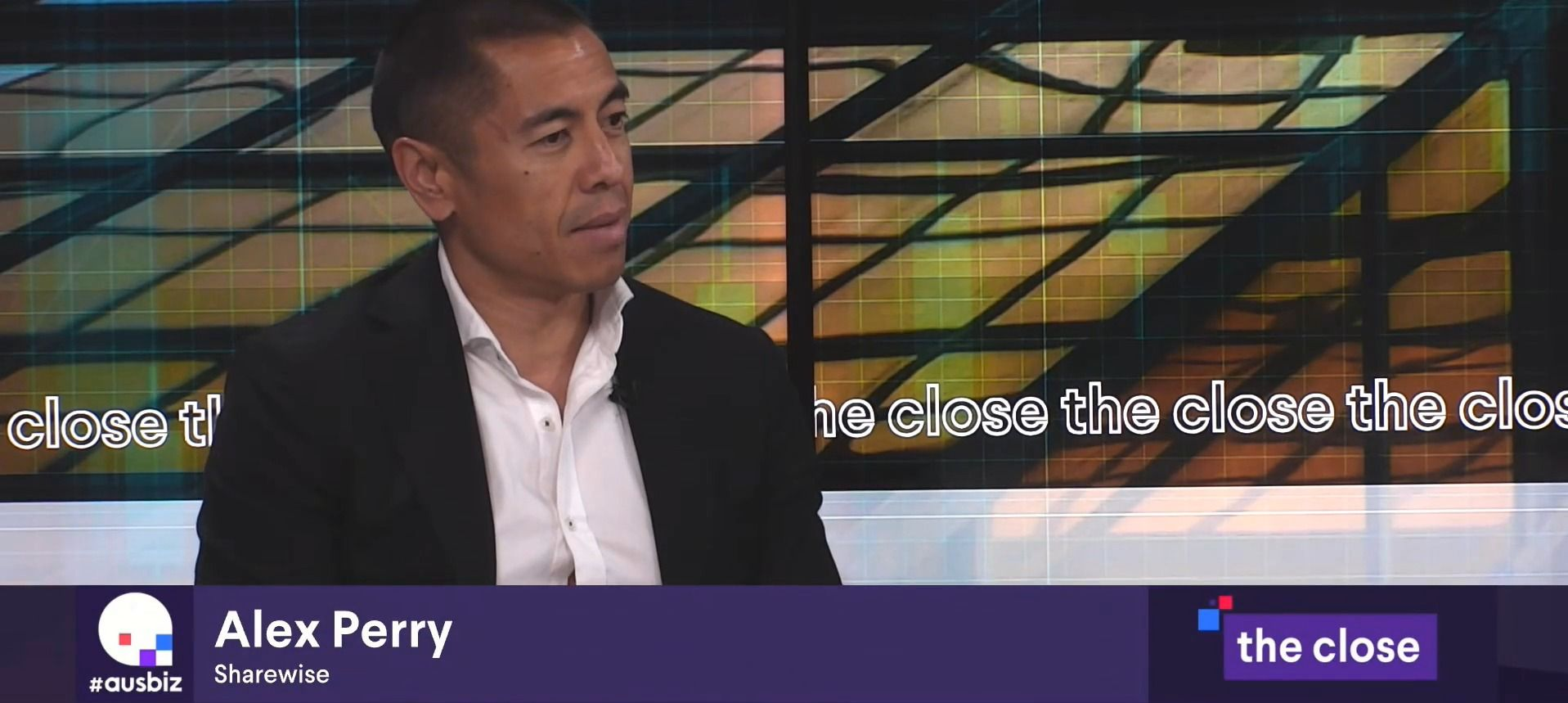
Sharewise CEO Alex Perry sat down with ausbiz to unpack how the platform approached FY26, a year in which it reported an ASX return of almost 11% and a US return above 32%. The conversation ranged from the AI infrastructure theme to specific names on Perry's radar in resources and quantum computing. Here's a rundown of the key points.

Warsh gave markets a framework, not a forecast. What his first Jackson Hole keynote means for inflation, rates, forward guidance and the outlook for equities.
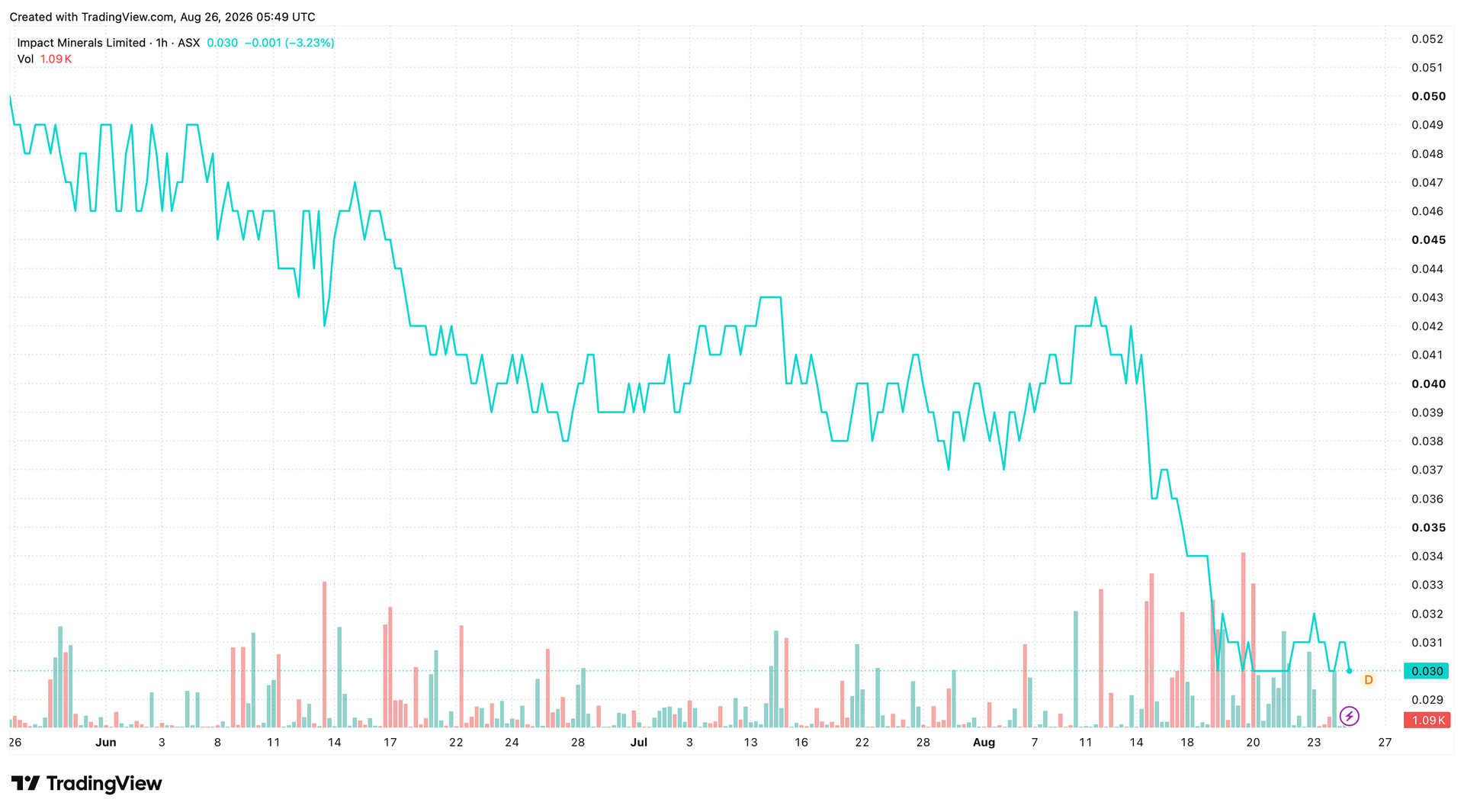
Get the latest on Impact Minerals (ASX: IPT), including stock performance, technical analysis, forecasts & key insights. See if IPO supports your goals.
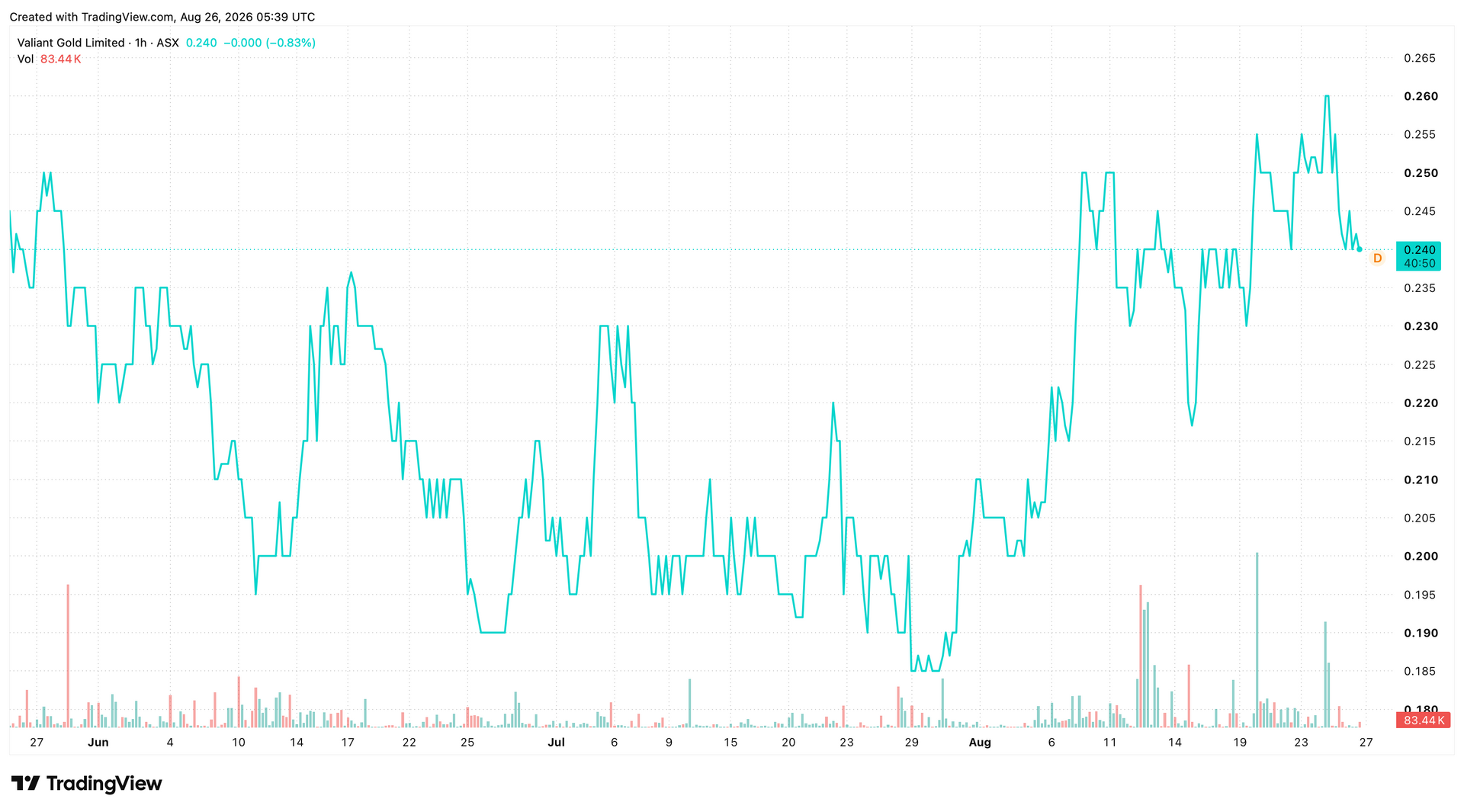
Get the latest on Valiant Gold (ASX: VAL) with our share price, technical analysis, forecasts & key insights. See if this ASX gold stock fits your investment goals.
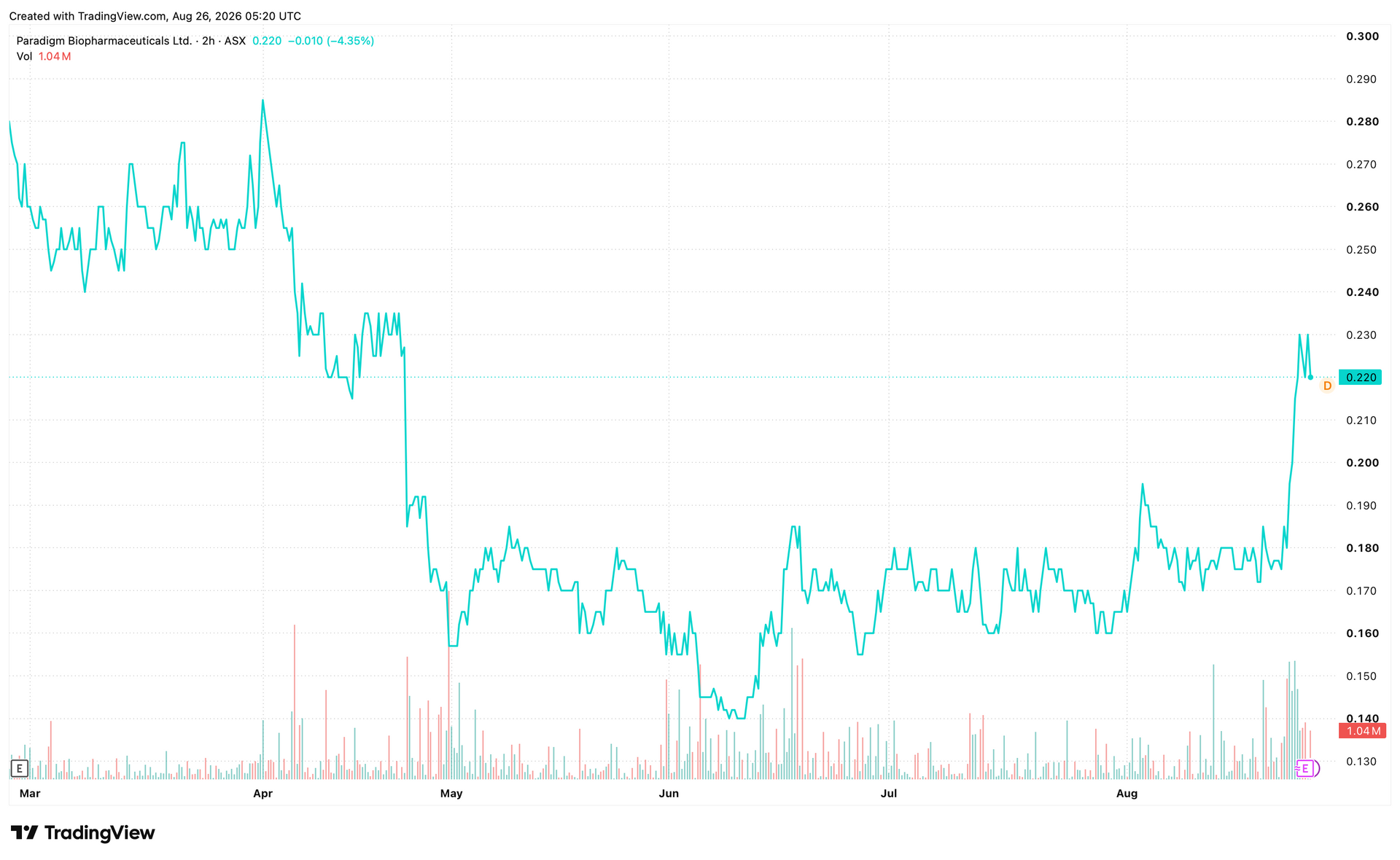
Learn about Percheron Therapeutics (ASX: PER). Offering share price, technical analysis, forecasts & insights. See if this ASX biotech stock fits your goals.

Brent crude hits US$91 as US-Iran talks stall and Strait of Hormuz disruption persists. What's driving the move and what comes next for oil
