
The Cold War for Chips – How the U.S.–China Tech Battle Is Reshaping Global Markets
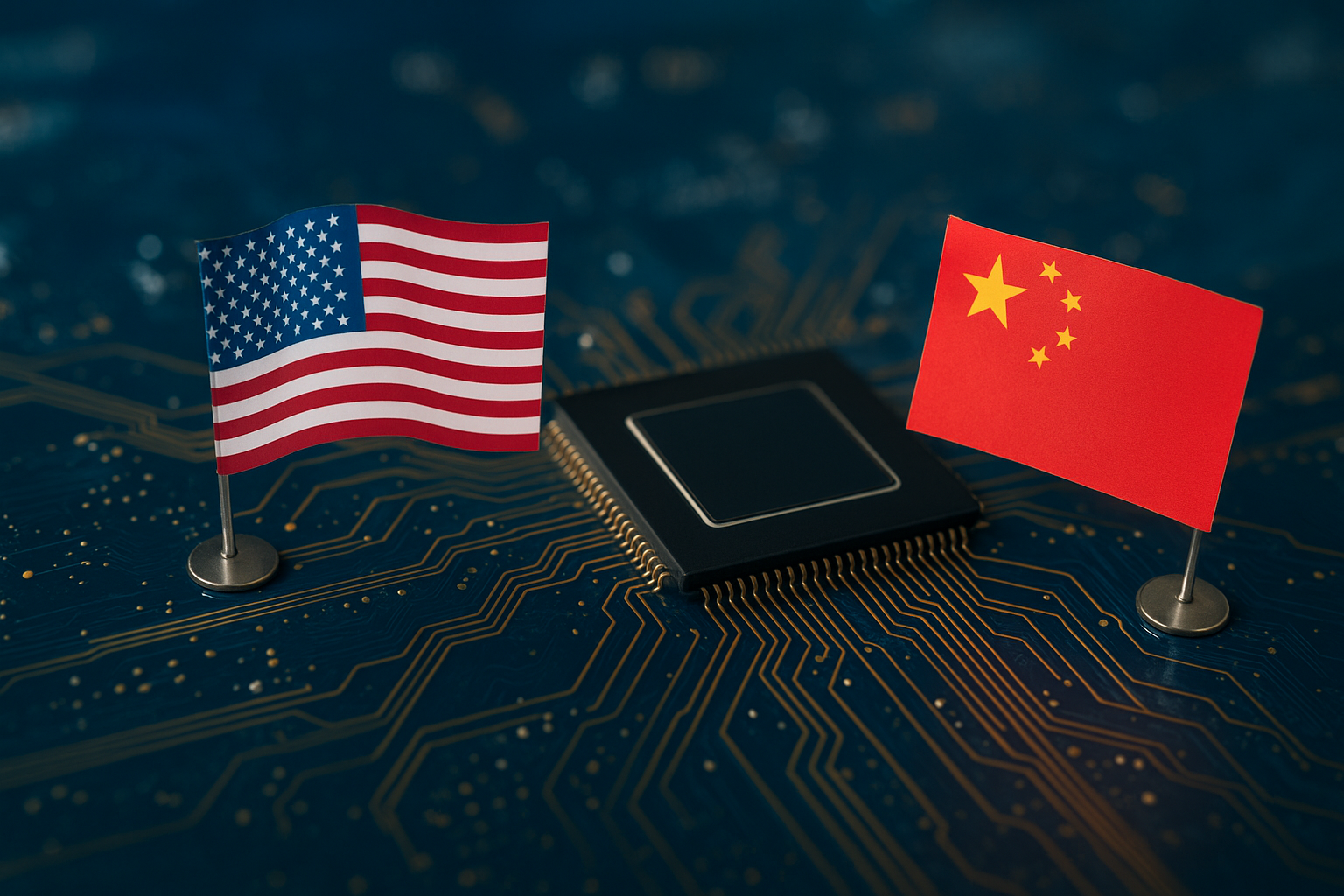
Semiconductors are no longer just the backbone of consumer electronics. They have become a strategic resource shaping artificial intelligence, cloud infrastructure, defence systems and advanced manufacturing. Technology now defines national competitiveness, and the relationship between the United States and China has shifted from commercial rivalry to a contest centred on control of chip technology. What began as a race for manufacturing efficiency is now a geopolitical struggle with far-reaching implications for global capital flows, supply chains and market leadership. Investors monitoring these developments must understand how technology, infrastructure and policy intersect to shape long-term opportunities.
Where the Battle Is Being Fought in the Semiconductor Supply Chain
Competition between the U.S. and China is concentrated along three critical layers of the semiconductor value chain. The first is chip design. U.S. firms such as NVIDIA, AMD, Arm and Apple dominate high-end AI accelerators, edge processors and data-centre architectures. Their intellectual property ensures they remain essential to the global computing roadmap. These designs underpin frontier AI development, advanced defence systems and industrial automation, making design leadership a strategic chokepoint that China cannot easily replicate.
Fabrication is the second battleground. Taiwan, led by TSMC, remains the world’s most advanced producer of cutting-edge chips. Its leadership at 3 nanometres, with plans for 2 nanometres, places it at the centre of geopolitical attention. No alternative producer matches its scale or technical capability, creating strategic dependence and concentration risk. South Korea plays a similarly critical role in memory and advanced logic production. Any disruption in these hubs would have immediate consequences for cloud computing, AI development and broader digital infrastructure.
The third layer is semiconductor manufacturing equipment, which represents the industrial hard power of the sector. ASML, Applied Materials, Tokyo Electron and Lam Research control the lithography, deposition and etching tools required to build advanced chips. Because these firms operate in U.S.-aligned economies, the U.S. can restrict China’s access to key equipment. Limits on EUV and advanced DUV systems have slowed China’s progress at the frontier and highlight how manufacturing equipment has become one of the most strategically influential parts of the supply chain.
U.S. Strategy: Containment Through Technology Denial
The U.S. has adopted a containment strategy that uses technology access as a strategic lever. Export controls introduced since 2022 restrict China’s access to advanced GPUs, lithography platforms and specialised design software, aiming to limit China’s capabilities in frontier AI models and high-performance computing. Companies have been required to modify products or withdraw them entirely from China when performance thresholds exceed the controlled limits.
This approach is reinforced by domestic investment. The CHIPS and Science Act allocates more than USD 50 billion to expand U.S. fabrication, strengthen advanced packaging and accelerate R&D. The goal is to rebuild strategic elements of the supply chain, reduce reliance on overseas foundries and maintain U.S. leadership in defence-relevant technologies.
Alliance alignment strengthens this strategy. Japan and the Netherlands control essential lithography and materials technologies, while Taiwan and South Korea provide global leading-edge manufacturing capacity. Through coordinated export controls, the U.S. has expanded the reach of its restrictions and increased the effectiveness of its containment effort.
China’s Countermove: Self-Sufficiency and Import Substitution
China has accelerated its goal of building a domestic semiconductor ecosystem capable of operating independently from U.S. influence. National and provincial programs have committed an estimated USD 150–200 billion to expand fabrication, strengthen memory production, support local design houses and build domestic equipment capability. Progress at 28 and 40 nanometres has been significant, enabling China to scale output for automotive, industrial and consumer applications.
Still, China remains several generations behind at the leading edge. EUV systems remain inaccessible due to export restrictions, and domestic alternatives are not yet competitive. China is developing its own AI accelerators to replace restricted U.S. chips, but performance gaps persist. At the same time, China is also strengthening ties with regions willing to expand technology cooperation, including parts of Southeast Asia and the Middle East. The long-term aim is an end-to-end semiconductor supply chain that can function independently of foreign pressure.
The AI Power Bottleneck: Data Centres, Energy and Infrastructure Limits
The rapid growth of AI is creating a new constraint across the semiconductor ecosystem: data-centre power and infrastructure capacity. Global electricity demand from data centres is forecast to more than double by 2030, reaching around 945 TWh annually, with AI servers contributing nearly half of this growth. In the U.S., data-centre electricity usage is expected to rise 165% by 2030 relative to 2023, and by 2035, peak power demand linked to AI workloads may exceed 100 GW. These figures highlight how quickly power availability and grid readiness are becoming limiting factors.
AI workloads also require far more energy- and cooling-intensive infrastructure. GPU-optimised racks typically draw 40–60 kW, with high-density configurations surpassing 100 kW. This places pressure on electricity grids, substation buildouts, water usage and permitting processes. As a result, the constraints around AI deployment are shifting from chip availability to data-centre readiness. Regions with flexible power supply and supportive regulatory frameworks may capture a greater share of AI investment, while areas facing energy bottlenecks could experience delays in hardware deployment and uneven semiconductor demand.
Market Implications: Winners and Losers
The evolving semiconductor landscape is creating differentiated opportunities and risks. U.S. chip designers and memory suppliers are benefiting from strong AI-driven demand, with GPU accelerators, high-bandwidth memory and advanced packaging in multi-year expansion cycles. Equipment suppliers across Europe, Japan and the United States are also well positioned, supported by global capex expected to reach USD 374 billion between 2026 and 2028. China is seeing selective growth in mature-node fabrication, memory and domestic AI accelerators as it accelerates import substitution.
Pressure points are emerging as well. Rapid investment in mature-node capacity raises the risk of oversupply in 28 and 40 nanometre nodes by 2026, which could compress margins for Chinese foundries. Companies with significant exposure to China, or whose products sit near export-control thresholds, face regulatory uncertainty and higher compliance costs. Taiwan and South Korea remain essential to leading-edge production but carry heightened geopolitical sensitivity due to their strategic position in the supply chain.
The AI power bottleneck introduces a new layer of market divergence. Even as chip supply improves, AI hardware deployment may become uneven across regions depending on power availability and infrastructure readiness. Markets with favourable energy policy and grid capacity may see accelerated semiconductor demand, while constrained regions risk slower rollouts. This dynamic is shaping competitive positioning across the industry.
Investor Considerations
Two themes are likely to guide investor positioning. The first is supply-chain resilience. Companies with diversified manufacturing across the United States, Japan, South Korea, India and Southeast Asia are better insulated from policy shocks and geopolitical tension. Those concentrated in a single high-risk region face greater exposure to delays, regulatory intervention and restricted access to advanced technologies.
The second theme is the rise of two distinct technology ecosystems. As U.S. and Chinese standards diverge, companies operating in both markets must redesign products, navigate complex compliance requirements and adapt their long-term strategies. Firms that adjust early may secure stronger competitive positions, while those slow to respond may lose market access.
Semiconductor equipment suppliers remain a structural growth opportunity. Governments and corporations are expanding fabrication capacity, driving sustained demand for lithography, etching, metrology and packaging tools. The scale-up of AI infrastructure reinforces this demand, particularly in high-bandwidth memory, GPU accelerators and advanced packaging.
Investors should also monitor constraints outside chip manufacturing. AI data centres are increasingly limited by power availability, cooling capacity and network infrastructure. These bottlenecks may influence hardware demand and shape semiconductor supply-demand dynamics.
Conclusion
The U.S.–China semiconductor conflict has transformed chips from a specialised industry into a strategic asset affecting national security, energy planning and global market behaviour. Both countries are vying for leadership in AI and advanced manufacturing, directing capital toward regions and companies with genuine technological depth, resilient supply chains and infrastructure capable of supporting accelerating AI demand.
Over the next decade, the emergence of parallel technology ecosystems, sustained investment in AI infrastructure, and energy capacity expansion will redefine global market leadership. Understanding how geopolitics, power constraints and semiconductor capabilities interact will be central to long-term investment positioning. Regions with favourable policy, robust infrastructure and leading-edge technology will likely capture a disproportionate share of AI-driven growth, shaping competitive and financial outcomes well beyond 2030.
Subscribe to our newsletter
Disclaimer: This article does not constitute financial advice nor a recommendation to invest in the securities listed. The information presented is intended to be of a factual nature only. Past performance is not a reliable indicator of future performance. As always, do your own research and consider seeking financial, legal and taxation advice before investing.
Speak to an Advisor

The RBA has raised rates to 4.60% as inflation pressures persist. Explore the impact of energy costs, AI demand and the key signals investors should watch next.

Discover how advances in genomics, AI, diagnostics and gene editing are creating a broader healthcare opportunity and where commercial value is emerging.

The AI trade is being forced to rethink the pace of progress. Here is what investors should watch across Nvidia, chips, AI spending, software and adoption.

Copper is at a record high, yet the global market still has a surplus. So where is all the copper, and why is it becoming harder to find?
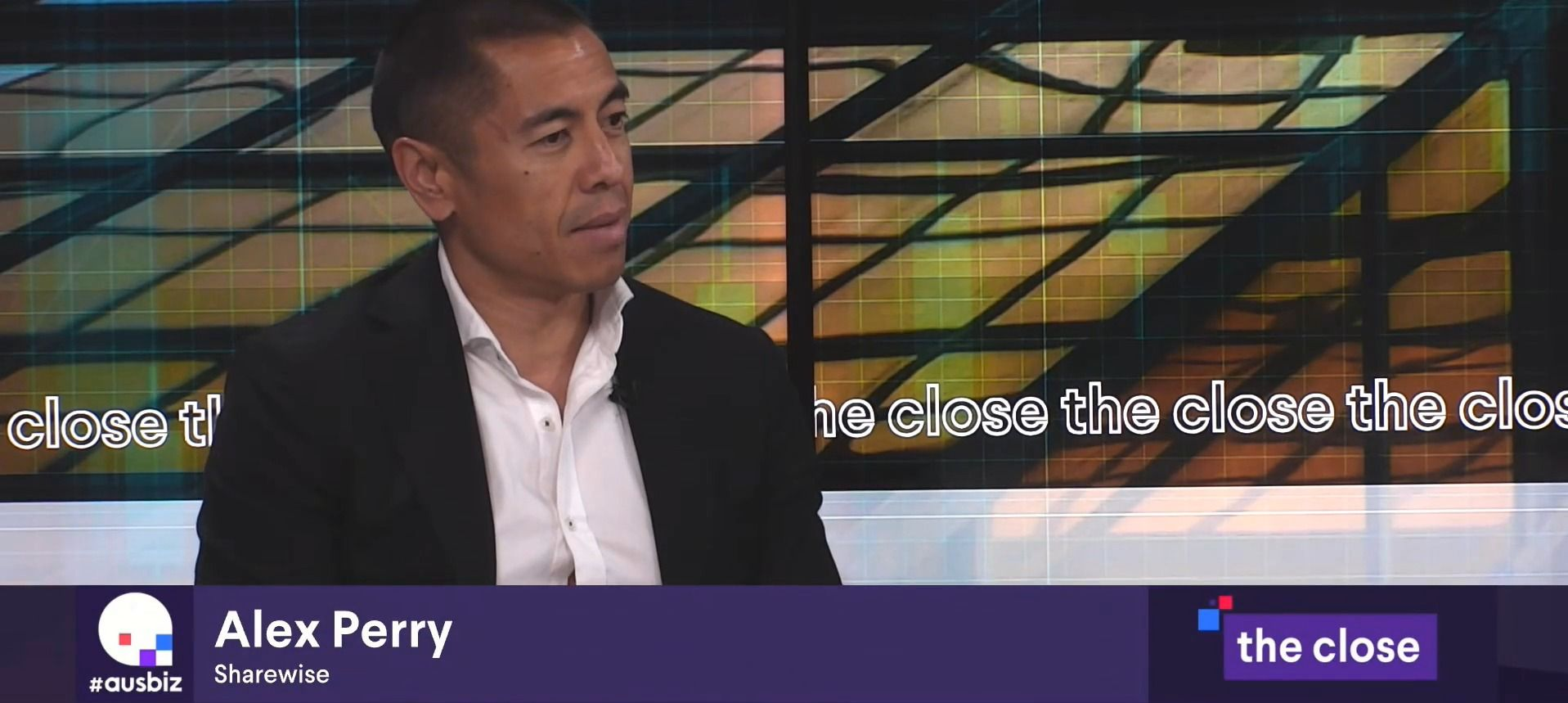
Sharewise CEO Alex Perry sat down with ausbiz to unpack how the platform approached FY26, a year in which it reported an ASX return of almost 11% and a US return above 32%. The conversation ranged from the AI infrastructure theme to specific names on Perry's radar in resources and quantum computing. Here's a rundown of the key points.

Warsh gave markets a framework, not a forecast. What his first Jackson Hole keynote means for inflation, rates, forward guidance and the outlook for equities.
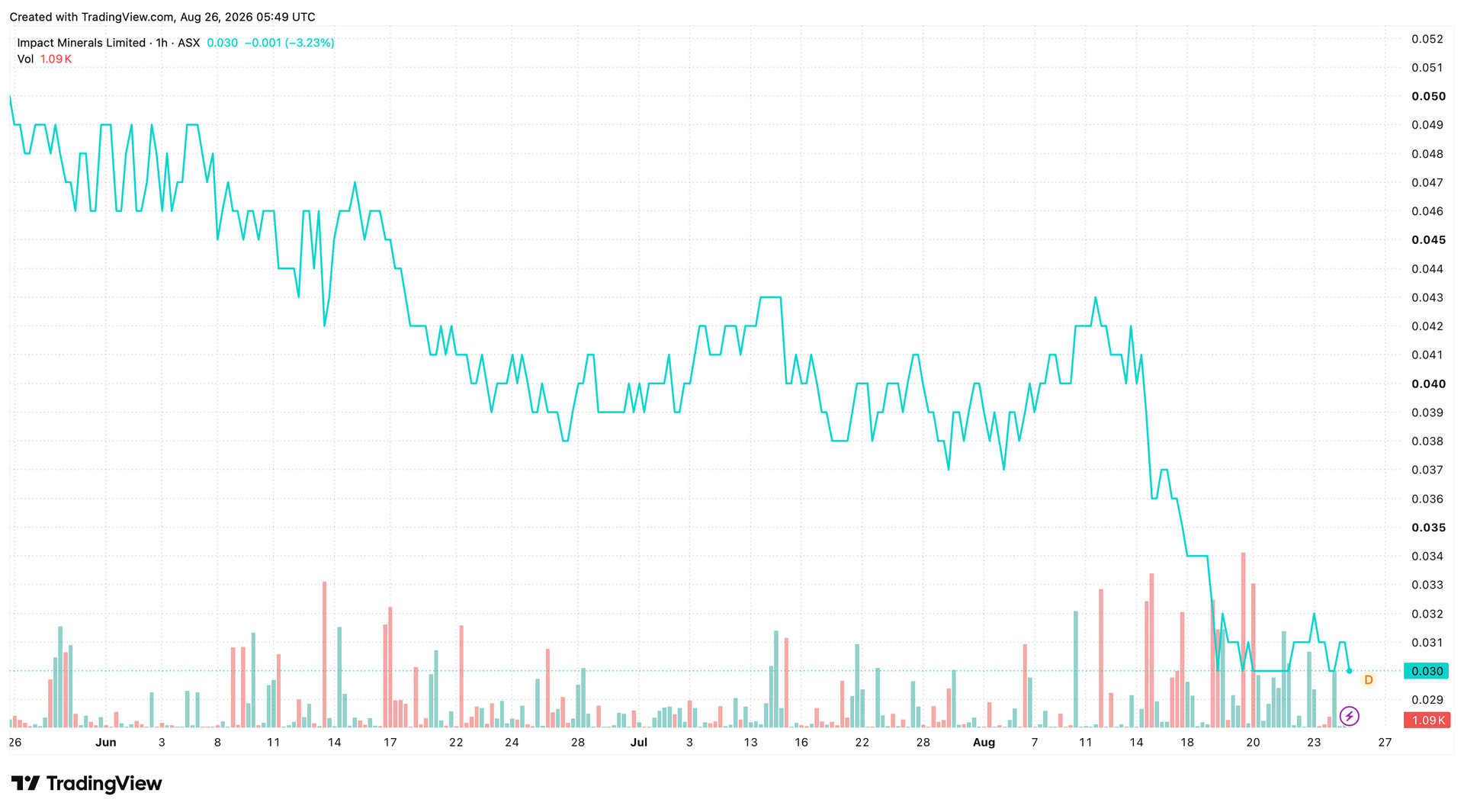
Get the latest on Impact Minerals (ASX: IPT), including stock performance, technical analysis, forecasts & key insights. See if IPO supports your goals.
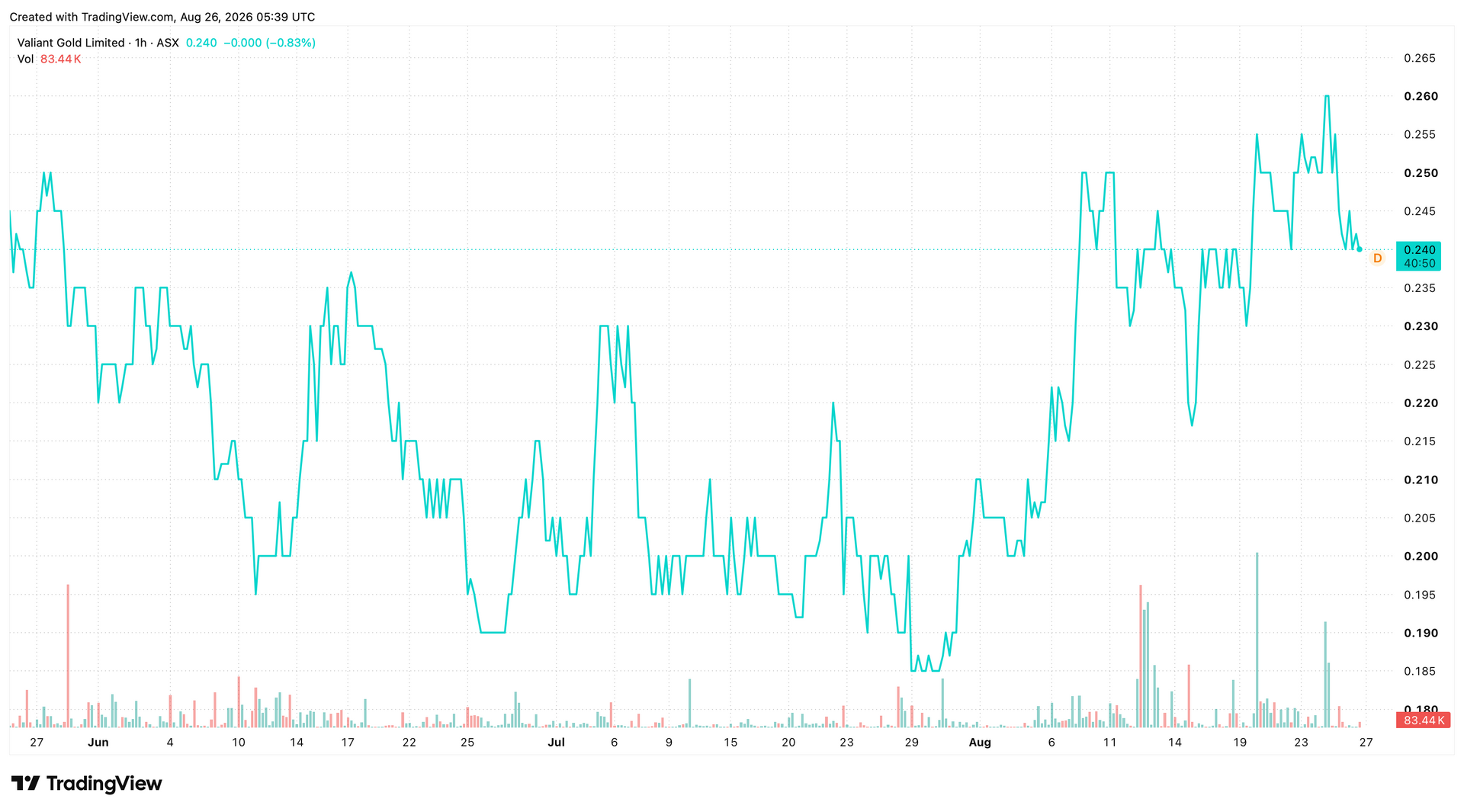
Get the latest on Valiant Gold (ASX: VAL) with our share price, technical analysis, forecasts & key insights. See if this ASX gold stock fits your investment goals.
Learn about Percheron Therapeutics (ASX: PER). Offering share price, technical analysis, forecasts & insights. See if this ASX biotech stock fits your goals.

Brent crude hits US$91 as US-Iran talks stall and Strait of Hormuz disruption persists. What's driving the move and what comes next for oil
