
What’s Next for the Fed?
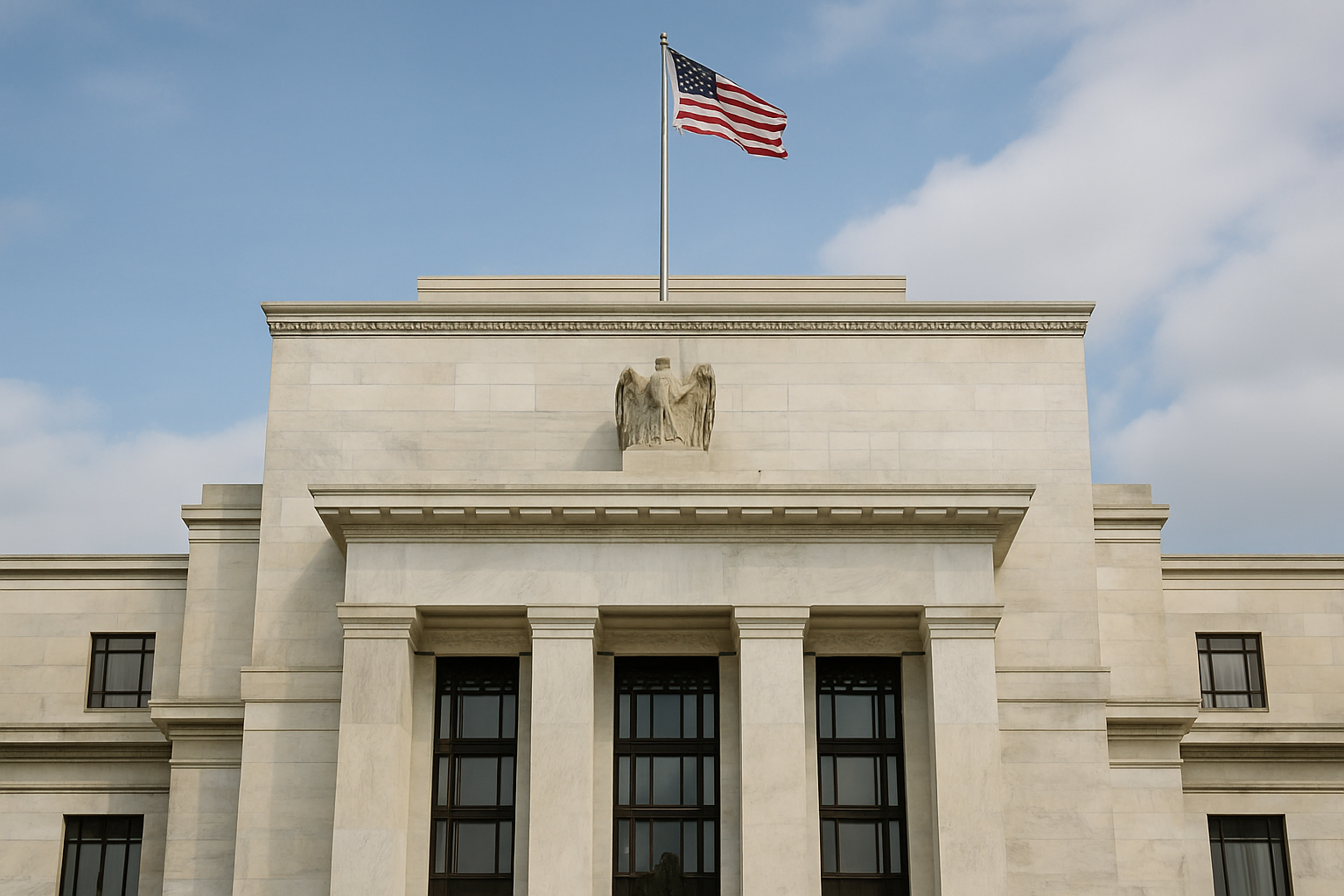
Reading the Economic Pulse
Recent indicators paint a mixed picture. Labour-market momentum is easing, with job creation slowing and vacancy rates drifting lower. Wage growth has moderated, though employment levels remain historically resilient. These dynamics signal a gradual normalisation rather than a sharp deterioration in activity.
Inflation, however, continues to challenge policymakers. The latest core PCE reading sits just above 2.8%, indicating only modest progress in recent months. Housing, health care and several services categories remain elevated, suggesting structural contributors to inflation are taking longer to unwind. The central question is whether inflation is simply settling more slowly or whether deeper constraints are limiting how quickly it can return sustainably to 2%.
Financial markets are already positioned for further easing. Futures pricing implies a strong probability of another 25 basis point cut, and rate-sensitive equities have strengthened accordingly. Treasury yields have edged lower and credit spreads have narrowed, reflecting rising confidence in a more supportive policy stance. Yet such positioning increases the risk of volatility should the Fed adopt a more cautious tone.
What the Fed Could Do Next
Looking ahead, three primary scenarios appear most plausible for the Fed’s next move. The base case is a 25 basis point cut, which aligns with signs of labour-market softness and market expectations. Such a modest reduction would lower borrowing costs, support consumer spending, and provide incremental support for corporate investment. Equities, particularly growth sectors, could benefit from the easing, while fixed-income investors may see modest downward pressure on yields.yes pls polish
Alternatively, the Fed could opt to pause if incoming economic data show persistent inflation or stronger-than-expected employment growth. A pause would signal caution and reinforce the Fed’s commitment to data-driven policy rather than preemptive easing, but it could also trigger short-term volatility in markets as investors reassess expectations for future rate cuts, affecting both equities and interest rate-sensitive bonds.
A third possibility is a cut with caution, where the Fed implements a small reduction while providing forward guidance that future easing depends on evolving economic conditions. This approach allows the Fed to meet market expectations without committing to an aggressive path, preserving flexibility while managing inflation risks. In this scenario, market reactions are likely to be nuanced, with sectors such as technology benefiting from lower rates, while bond markets and the U.S. dollar respond more cautiously.
Adding further complexity are internal divisions within the FOMC and uncertainty stemming from delayed economic data, partly due to the recent U.S. government shutdown. Policymakers must weigh the benefits of easing against the risk of reigniting inflation, making the outcome far from certain despite widespread market expectations.
Investor Implications
The policy outcome will influence near-term asset-allocation views. A rate cut would likely support equities, particularly in technology, consumer discretionary and infrastructure-linked sectors, while exerting downward pressure on Treasury yields. A softer US dollar could favour international and emerging-market equities, especially those sensitive to currency movements.
A pause presents a different risk profile. Markets have already priced a degree of easing, so a more hawkish stance could challenge growth sectors and steepen the yield curve as investors reassess the 2026 policy path. For diversified portfolios, this environment underscores the importance of balancing defensives, cyclicals and income-generating exposures.
The broader risk lies in assuming too aggressive an easing cycle next year. Should inflation remain sticky or economic resilience persist, the Fed may deliver fewer cuts than markets anticipate. In such a scenario, valuations in high-growth areas may come under pressure as discount rates adjust and investors shift toward steady-cash-flow sectors.
Looking Ahead to 2026
Attention is now turning to the Fed’s policy path for 2026. While markets continue to price in a steady easing cycle, a slower and more conditional approach appears more realistic. Should core PCE continue trending toward 2%, gradual rate reductions are likely, though the central bank may be constrained by ongoing economic resilience and elevated labour-market activity. Policymakers are expected to proceed cautiously to avoid easing too quickly and risking another inflation uptick.
Economic growth dynamics will be central to the 2026 narrative. Current indicators point to moderation rather than contraction, suggesting that the Fed may pursue only a shallow easing cycle unless employment softens more materially. Elevated term premiums and continued Treasury issuance could keep longer-term yields higher than policy rates alone would imply, tempering the effect of cuts and shaping credit and equity valuations.
Global central-bank divergence adds further complexity. The European Central Bank is anticipated to move cautiously, while Japan continues its gradual exit from ultra-loose policy. These dynamics are likely to drive currency volatility and influence relative equity performance across regions. In this environment, markets in 2026 may feature slower earnings growth, narrower sector leadership, and greater focus on balance-sheet strength. Overall, investors should prepare for a year guided less by aggressive policy support and more by a measured balancing act between containing inflation and sustaining economic momentum.
Conclusion
The December Fed meeting represents a critical inflection point for markets. While a 25 basis point cut is widely anticipated, the nuance in the Fed’s communication on inflation, employment, and the future path of rates will likely determine short-term market reactions and shape expectations for 2026. Investors should view the statement as a roadmap for risk management, not a guarantee of continued policy support.
Disciplined positioning, attention to sector-level opportunities and awareness of currency implications will be essential as markets transition into 2026. The Fed’s next move will signal how it intends to balance growth support against inflation control, influencing sentiment and asset pricing well into the year ahead.
Subscribe to our newsletter
Disclaimer: This article does not constitute financial advice nor a recommendation to invest in the securities listed. The information presented is intended to be of a factual nature only. Past performance is not a reliable indicator of future performance. As always, do your own research and consider seeking financial, legal and taxation advice before investing.
Speak to an Advisor

The RBA has raised rates to 4.60% as inflation pressures persist. Explore the impact of energy costs, AI demand and the key signals investors should watch next.

Discover how advances in genomics, AI, diagnostics and gene editing are creating a broader healthcare opportunity and where commercial value is emerging.

The AI trade is being forced to rethink the pace of progress. Here is what investors should watch across Nvidia, chips, AI spending, software and adoption.

Copper is at a record high, yet the global market still has a surplus. So where is all the copper, and why is it becoming harder to find?
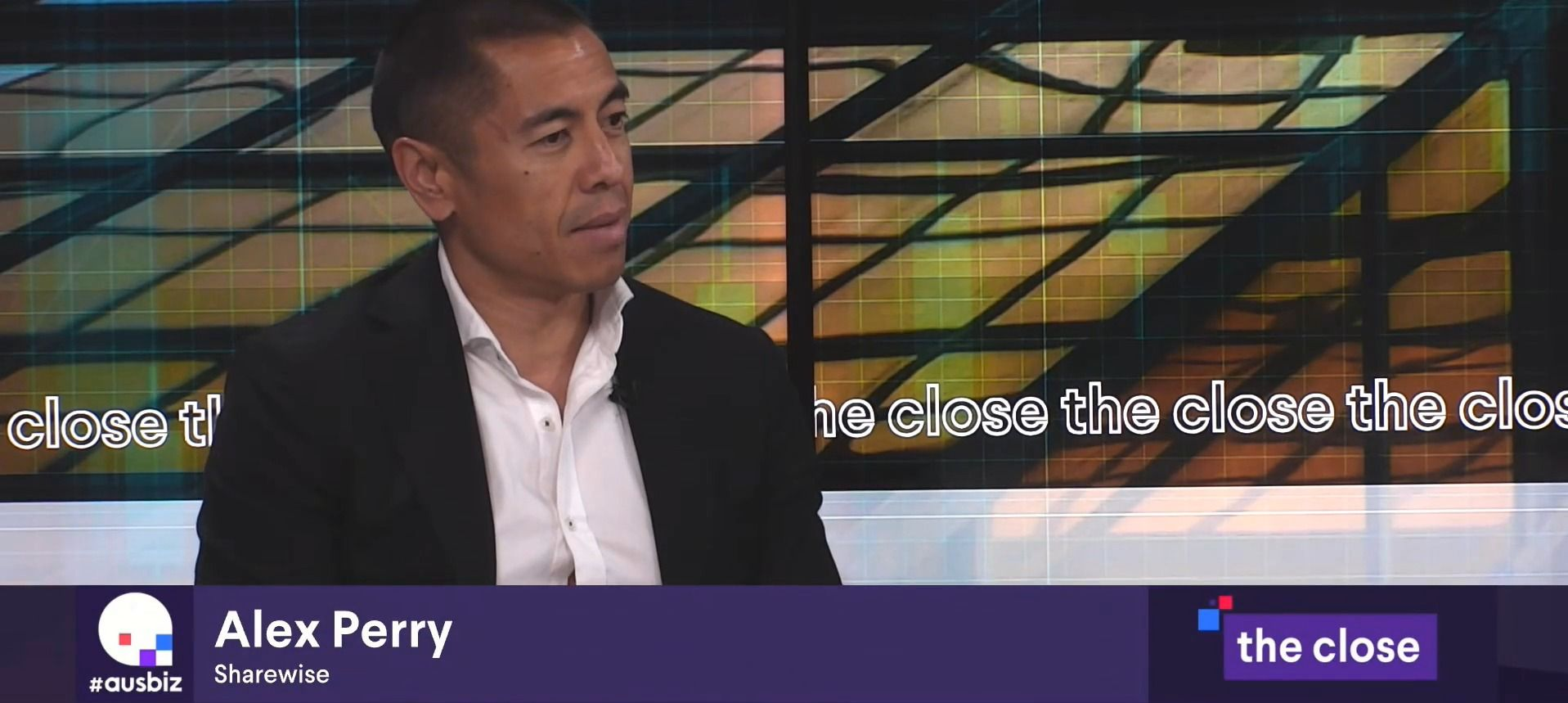
Sharewise CEO Alex Perry sat down with ausbiz to unpack how the platform approached FY26, a year in which it reported an ASX return of almost 11% and a US return above 32%. The conversation ranged from the AI infrastructure theme to specific names on Perry's radar in resources and quantum computing. Here's a rundown of the key points.

Warsh gave markets a framework, not a forecast. What his first Jackson Hole keynote means for inflation, rates, forward guidance and the outlook for equities.
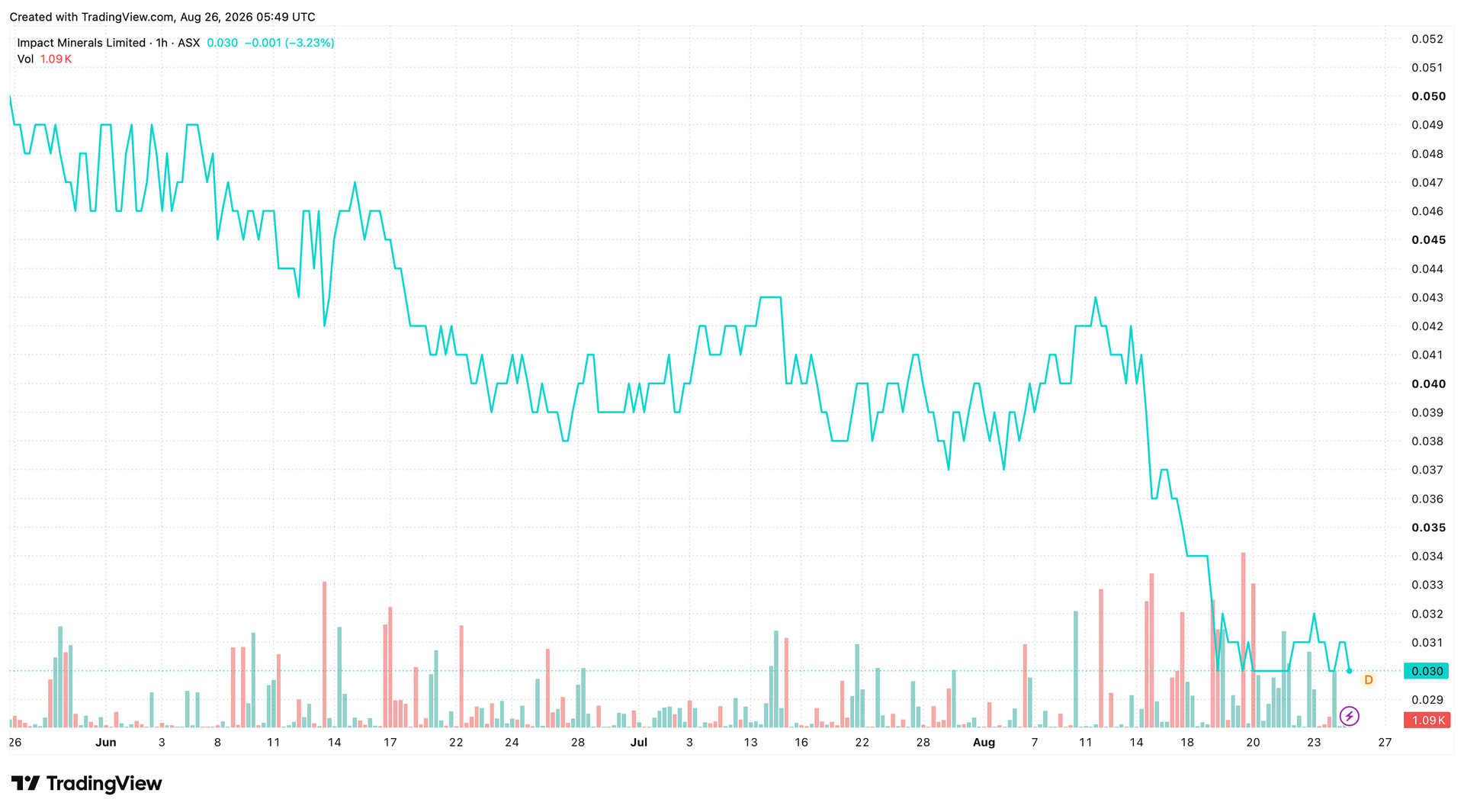
Get the latest on Impact Minerals (ASX: IPT), including stock performance, technical analysis, forecasts & key insights. See if IPO supports your goals.
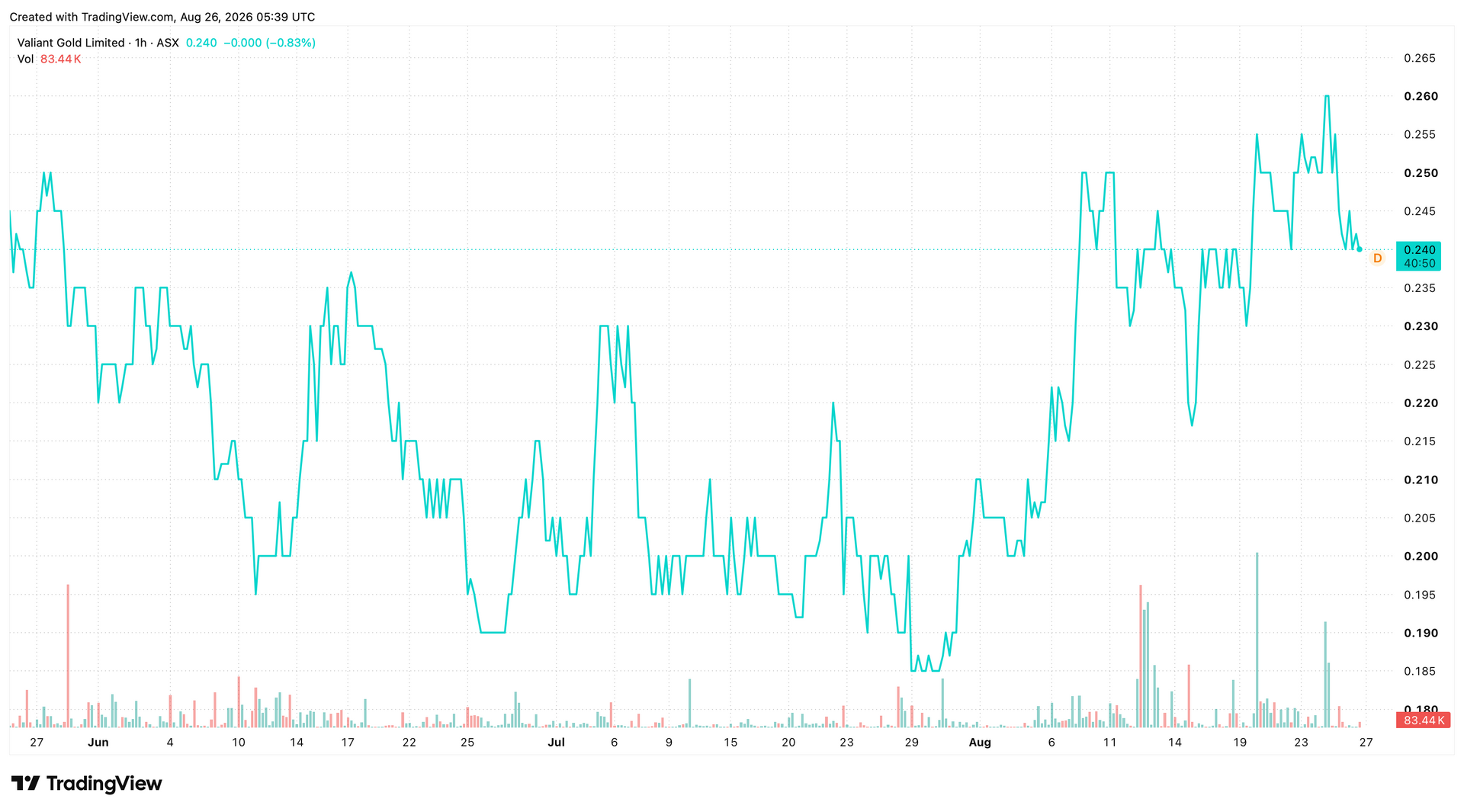
Get the latest on Valiant Gold (ASX: VAL) with our share price, technical analysis, forecasts & key insights. See if this ASX gold stock fits your investment goals.
Learn about Percheron Therapeutics (ASX: PER). Offering share price, technical analysis, forecasts & insights. See if this ASX biotech stock fits your goals.

Brent crude hits US$91 as US-Iran talks stall and Strait of Hormuz disruption persists. What's driving the move and what comes next for oil
