The RBA at 4.35%: What It Means for Households, Markets and the Road Ahead
A Small Hike With a Larger Message
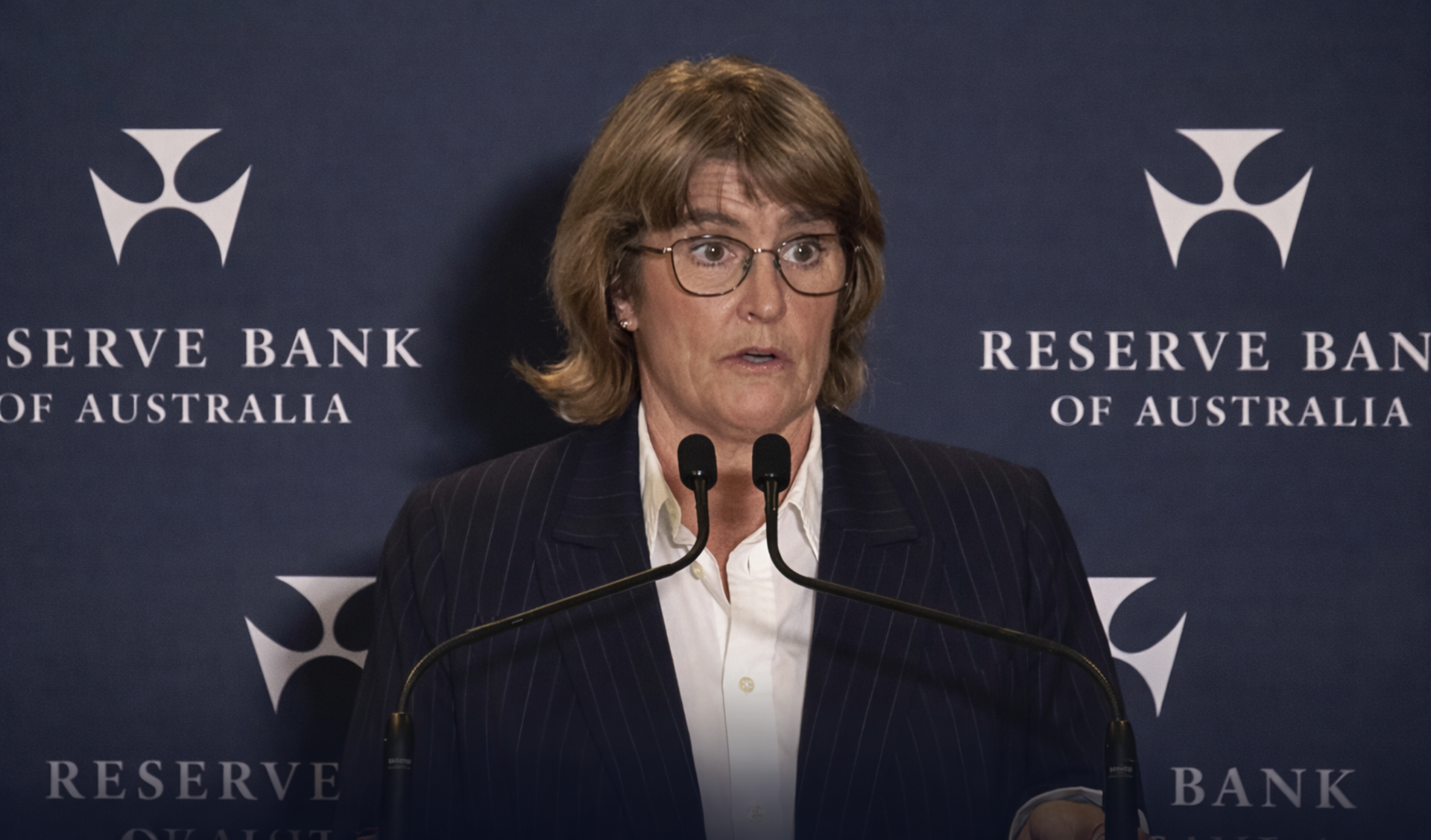
The Reserve Bank of Australia has lifted the cash rate to 4.35%, delivering another 25 basis point increase at a time when many investors had hoped the tightening cycle was nearing its end. The move itself was not a surprise. Every major bank had forecast the decision, and financial markets had largely priced it in ahead of the meeting. The decision was expected. The message accompanying it was far more significant.
The clearest signal came from the RBA’s warning that higher fuel prices are beginning to generate “second-round effects” across the broader economy. Those words matter because they indicate the Board no longer views inflation as confined to energy costs alone. Businesses are beginning to pass higher input costs through to consumers, while workers increasingly seek wage increases to offset declining purchasing power. Once inflation broadens in this way, it becomes more difficult to reverse and typically requires a more sustained policy response.
This explains why the RBA continues to prioritise inflation control despite slowing economic momentum and rising household pressure. Earlier in the year, markets had started positioning for policy stability and eventual rate cuts in 2026. This latest decision challenges that assumption and reinforces the view that interest rates may remain elevated for longer than previously expected.
The 8-1 vote strengthens that message. Only one Board member supported a pause, underscoring how strongly the RBA still views inflation as the dominant macroeconomic risk. The central bank is signalling that restoring price stability remains the priority, even if that comes at the expense of weaker growth in the near term.
For investors, the significance of the decision lies not simply in borrowing costs moving higher, but in what it reveals about the broader economic environment Australia is now entering.
Why the RBA Raised Rates Again
The decision to raise rates again reflects two distinct inflationary forces now operating simultaneously across the economy.
The first is a domestic inflation problem that predates the Iran conflict. Inflation was already running well above the RBA’s 2–3% target range before global energy markets deteriorated earlier this year. Capacity pressures across the economy, including a still-tight labour market, elevated construction costs and persistent services inflation, had proven more difficult to resolve than policymakers expected. Earlier forecasts already suggested underlying inflation would take until 2027 to return sustainably within the target band, even before the latest external shocks emerged.
The second force is the global energy shock now feeding into the domestic economy. Rising oil prices linked to disruptions in the Middle East have pushed fuel costs sharply higher, adding renewed inflationary pressure across transport, logistics and production chains. Because Australia imports the majority of its refined fuel, these increases flow quickly through the economy and affect a broad range of goods and services.
The RBA’s concern is no longer confined to fuel prices themselves, but to the broader inflationary effects that follow. The Board’s reference to “second-round effects” signals growing concern that higher energy costs are beginning to feed into wider services pricing and wage expectations. Once inflation broadens beyond its original source, it becomes harder to reverse and requires a more sustained policy response.
Services inflation remains particularly important in this context. Labour-intensive sectors continue to experience elevated wage and operating cost pressures, keeping underlying inflation elevated even as overall economic growth slows. The labour market has softened compared with earlier extremes, but unemployment remains relatively low and wage growth has remained firm enough to support the RBA’s concern that inflation persistence could continue.
Credibility also matters. Having faced criticism for responding too slowly during the earlier inflation surge, the RBA is reluctant to risk easing prematurely and allowing inflation expectations to become entrenched again. From the Board’s perspective, accepting slower growth in the near term is considered less damaging than losing control of inflation over the longer term.
The Household Impact Is Starting to Deepen
Higher interest rates are no longer simply a macroeconomic discussion. They are increasingly becoming a household cash flow issue, and the cumulative effect of three consecutive rate hikes is now becoming materially visible across the economy.
The February, March and May increases have added approximately AUD227 per month to repayments on an AUD500,000 mortgage. A borrower with an AUD700,000 loan is now paying roughly AUD295 more per month than at the start of 2026, while an AUD1 million mortgage now costs approximately AUD453 more each month. All four major banks have confirmed they will pass the latest increase through to variable-rate borrowers, meaning the impact will begin flowing into household cash flow almost immediately.
Mortgage stress is rising alongside those repayments. Estimates now suggest almost one in three mortgage holders could be experiencing some degree of repayment pressure following the latest hike. That matters because mortgage stress feeds directly into consumer behaviour. As households allocate a larger share of income toward debt servicing, discretionary spending slows.
The effects are already beginning to emerge across the economy. Retail, hospitality and travel spending softened through April as households adjusted to higher fuel costs and rising repayments simultaneously. Petrol and essential spending categories remained firm, suggesting consumers are increasingly prioritising necessities over discretionary purchases. This flows directly into revenue pressure for retailers, hospitality operators and housing-related sectors.
Housing activity is also becoming more sensitive to policy tightening. While population growth and limited housing supply continue to provide underlying support in some parts of the property market, higher borrowing costs are reducing purchasing capacity and weighing on affordability. Consumer confidence has weakened alongside this adjustment, reinforcing a more cautious spending environment.
The lag effect of monetary policy remains important. Rate hikes typically affect the economy gradually over many months, meaning the full household impact of the tightening cycle may not yet have fully emerged.
What the Market Reaction Actually Revealed
The relatively calm market reaction to the RBA’s decision is itself an important signal. The ASX 200 slipped only modestly following the announcement, reflecting the fact that financial markets had already largely priced in the probability of another rate increase in the weeks leading up to the meeting. The decision itself was expected. The more important information sat within the RBA’s statement and what it implied for the path ahead.
Markets react to surprises, not headlines. Once investors began adjusting to the likelihood of another hike through April, much of the valuation impact had already occurred progressively rather than in a single trading session. The limited immediate market move does not suggest the decision was insignificant. It suggests the market had already repriced for it beforehand.
What changed more materially following the announcement was the expected forward rate path. Expectations for near-term rate cuts have now been pushed further out as investors reassess how long interest rates may need to remain restrictive. The RBA’s emphasis on “second-round effects” and the strength of the 8-1 vote reinforced the higher-for-longer narrative now shaping market expectations.
This shift matters directly for valuations. Australian 10-year government bond yields have continued moving higher as investors price a more prolonged restrictive policy environment. Rising long-term yields increase the discount rate applied to future earnings, compressing valuations for growth-oriented sectors where a larger share of value depends on long-duration cash flows. At the same time, higher yields improve the relative appeal of defensive and income-generating assets with more immediate cash flow visibility.
The key signal was not the 25 basis point move itself, but the RBA’s indication that inflation risks remain elevated enough to keep policy restrictive for longer than markets previously anticipated.
Which Sectors Feel the Pressure Most
Higher interest rates do not affect all parts of the market equally. They reshape sector leadership in identifiable ways, and understanding that shift is more useful for investors than focusing solely on index-level moves.
Consumer discretionary sectors face some of the clearest pressure. Three consecutive rate hikes have materially reduced household discretionary spending capacity, particularly for mortgage holders already dealing with elevated living costs and higher fuel prices. Retailers, travel businesses, hospitality operators and leisure companies are beginning to reflect this through softer demand trends and weaker spending activity.
Housing-linked sectors are also under pressure. Property developers, REITs and businesses exposed to residential turnover face weaker affordability, slower transaction activity and higher financing costs. Growth-oriented technology companies face a similar challenge, as rising bond yields increase discount rates and reduce the present value of future earnings that support premium valuations.
Banks occupy a more balanced position. Higher rates can support net interest margins, particularly for institutions with strong deposit franchises, although rising mortgage stress and deteriorating loan quality offset part of that benefit. Insurers are among the clearer beneficiaries, as elevated bond yields improve investment returns on insurance float portfolios.
Defensive cash flow businesses continue to attract capital. Companies in consumer staples, healthcare and utilities with stable demand, pricing power and stronger balance sheets are generally better positioned in a higher-rate environment. The broader effect is not uniform market weakness, but a rotation toward resilience, cash flow quality and earnings stability.
The Bigger Economic Risk: Tightening Into Slowing Growth
The most important context surrounding the RBA’s latest decision is that the Board is tightening policy into an economy that is already losing momentum. Growth is slowing, consumer demand is weakening and business confidence has become increasingly cautious, even before the full effect of prior rate hikes has flowed through the system.
Current forecasts suggest Australian GDP growth could slow toward 1.9% in 2026, below long-term trend levels, while unemployment is expected to drift higher through the second half of the year. Under normal conditions, an economy slowing at this pace would typically strengthen the case for policy easing rather than additional tightening.
The complication is that the inflation problem is largely external in origin but domestic in consequence. Rising energy prices linked to geopolitical disruptions are feeding into transport, production and household costs across the economy. Higher interest rates cannot resolve the underlying supply shock, but the RBA is attempting to prevent those cost increases from becoming embedded in wages, services pricing and broader inflation expectations.
This creates a difficult policy trade-off. Tightening too slowly risks allowing inflation persistence to worsen. Tightening too aggressively risks amplifying the economic slowdown and weakening labour market conditions more sharply than necessary. The challenge is intensified by the lag effect of monetary policy, where the full impact of earlier hikes may not become visible for many months.
For investors, the key risk is assuming the economy can absorb prolonged restrictive policy without consequence. Earnings growth across multiple sectors is likely to face increasing pressure as financing costs remain elevated and consumer demand softens further through the second half of 2026.
What Investors Should Focus On From Here
The key question is no longer whether interest rates are restrictive, but how long they remain at these levels. The higher-for-longer scenario is now becoming the market baseline, forcing investors who entered 2026 positioned for an earlier rate-cutting cycle to reassess those assumptions. Duration risk matters not only within fixed income allocations, but across equities whose valuations rely heavily on future earnings.
This environment places greater emphasis on earnings resilience, pricing power and balance sheet quality. Companies reliant on cheap capital, elevated leverage or aggressive growth assumptions face greater pressure as financing costs remain high. In contrast, businesses with stable cash flow, stronger balance sheets and lower sensitivity to borrowing costs are likely to remain more resilient as economic conditions soften.
The broader market shift is subtle but important. Markets are moving away from an environment dominated by liquidity and low rates toward one increasingly shaped by cost of capital and earnings durability. Investors who focus on resilience rather than simply growth are likely to navigate this phase more effectively.
Subscribe to our newsletter
Disclaimer: This article does not constitute financial advice nor a recommendation to invest in the securities listed. The information presented is intended to be of a factual nature only. Past performance is not a reliable indicator of future performance. As always, do your own research and consider seeking financial, legal and taxation advice before investing.
Speak to an Advisor