
How Defensive Is Your Portfolio? What Cochlear’s 40% Collapse Reveals About Defensive Stocks
Markets have a habit of exposing assumptions at the worst possible time.
On 23 April 2026, Cochlear Limited (ASX:COH), long regarded as one of Australia’s highest-quality healthcare companies, fell 40.7% in a single session to a decade low of AUD99.58, erasing more than AUD4 billion in market capitalisation. For many investors, the move was not just unexpected, it was inconsistent with how the stock was perceived.
Healthcare, particularly medical technology, is often treated as a safe allocation. Stable demand, strong margins and long-term growth narratives tend to place companies like Cochlear firmly in the “defensive” category. The assumption is that these businesses should hold up when conditions become uncertain.
It did not behave that way. The reality is more complex. The speed and magnitude of the decline highlight a critical point. Defensiveness is not a label. It is a function of how earnings behave under pressure.
Understanding what happened, and why it matters beyond a single stock, is essential for investors assessing whether their portfolios are positioned the way they believe they are.
What Happened: Breaking Down the Cochlear Profit Warning
Cochlear’s downgrade was not driven by a single factor. It reflected a combination of demand softness, operational pressures and currency headwinds, each manageable in isolation but collectively significant enough to reduce underlying net profit guidance by approximately 31% at the midpoint.
The most material pressure came from developed markets. In the United States, strong momentum through the December quarter extended into early February before sales weakened sharply into March. This shift was most evident in the adult and senior segment, which had historically delivered consistent double-digit growth but is now expected to grow at a materially lower rate. Management acknowledged that consumer sentiment is now influencing procedure decisions in a way not previously observed.
Europe added further pressure. Healthcare systems in key markets such as the United Kingdom and Germany are dealing with capacity constraints, resulting in surgical backlogs and prioritisation of other procedures. Industrial disruptions in parts of Southern Europe have further reduced throughput.
In the Middle East, geopolitical instability has affected orders, delayed surgeries and limited product access in a region that contributes meaningfully to emerging market revenue.
Operational factors compounded these challenges. Lower sales and elevated inventory led to reduced manufacturing output, resulting in under-recovery of overhead costs. At the same time, a stronger Australian dollar created an additional earnings headwind for a business that generates the majority of its revenue offshore.
The market reaction was swift and severe. The share price decline reflected more than a downgrade in near-term earnings. It represented a reset in expectations. A company that had been priced for consistent growth and resilience was suddenly being reassessed for variability, and that shift in perception drove a disproportionate repricing relative to the earnings revision itself.
The Myth of the Defensive Stock
The assumption that healthcare equates to defensiveness is deeply embedded in portfolio construction. It is based on a simple premise. People require medical care regardless of economic conditions, and healthcare spending has historically been more resilient than discretionary consumption.
At an aggregate level, this holds. At the company level, it is far less reliable.
Not all healthcare demand is equal. A useful distinction is between non-discretionary and deferrable care. Essential treatments such as emergency procedures, oncology and critical therapies tend to be insensitive to economic conditions. Demand remains stable because delay is not an option.
Deferrable care sits at the other end. These are procedures that improve quality of life but involve a decision-making process influenced by affordability, access and system capacity. Patients may delay treatment due to financial pressure or logistical constraints.
Cochlear sits closer to this second category than many investors had assumed. Hearing implants deliver clear benefits, but demand is influenced by patient choice, healthcare system capacity and funding availability. Management has acknowledged that recent sales trends show a stronger link to consumer sentiment than previously understood.
Funding structures reinforce this dynamic. Healthcare demand is often mediated through insurance and government systems. Changes in policy, affordability or access can directly influence volumes even when underlying need remains unchanged.
Defensive sectors can still contain cyclical earnings drivers. Sector classification provides a starting point for analysis, but it does not determine how a business will behave under stress.
Where Cochlear Sits: Quality Business, Variable Earnings
None of this diminishes the underlying quality of Cochlear Limited as a business. The company remains a global leader in implantable hearing solutions, supported by strong brand recognition, deep clinical relationships and a long history of innovation. Its competitive position is reinforced by high switching costs, as surgeons trained on its systems are unlikely to transition, and by a well-established research and development pipeline, with recent product launches progressing in line with expectations. Long-term growth drivers, including ageing populations and increased penetration in under-served markets, remain intact.
However, quality does not eliminate variability.
Cochlear’s revenue model is closely linked to surgical procedures, introducing dependencies on hospital capacity, clinician availability and patient decision-making. These factors are influenced by broader economic conditions and healthcare system constraints, even when underlying demand for the product remains structurally strong. As a result, long-term growth can coexist with short-term earnings volatility.
Recent developments suggest that this variability is now being more accurately reflected in market pricing. Growth expectations have moderated, and the outlook over the next one to two years is likely to be characterised by a more gradual recovery, particularly in the adults and seniors segment. While the longer-term investment case remains intact, near-term conditions may continue to constrain earnings momentum.
High quality does not equal low volatility. That distinction matters enormously for how you size and weight positions in a portfolio. A portfolio built around quality companies can support long-term compounding, but it must still be structured to absorb periods of volatility when earnings expectations shift.
Why the Sell-Off Was So Severe
A 31% reduction in earnings guidance leading to a 40% share price decline reflects more than a simple downgrade. It highlights the impact of valuation compression and expectation reset.
Cochlear historically traded at a premium to both the broader ASX and its global peers. That premium was supported by assumptions around consistent growth, predictable revenue and market leadership.
When those assumptions were challenged, the adjustment extended beyond earnings. The market reduced the multiple it was willing to pay for those earnings. Lower earnings combined with a lower valuation multiple resulted in a larger share price decline than the earnings change alone would suggest.
Positioning amplified the move. Cochlear was widely held as a defensive growth name. When confidence in that positioning weakened, selling pressure extended beyond fundamentals as portfolios reassessed their exposure.
The result was a rapid convergence toward more typical valuation levels, reflecting a shift in perception from stability to variability. The higher the expectations embedded in a valuation, the greater the sensitivity to disappointment when those expectations are no longer met.
What This Means for Your Portfolio
The Cochlear decline is not just a company-specific event. It is a portfolio-level signal, and it raises three important questions for investors.
The first is
definitional. What does “defensive” actually mean within your portfolio? Owning a stock because it sits within the healthcare sector is a classification. Owning it because its demand is genuinely non-discretionary, its revenue is supported by stable funding and its earnings have demonstrated resilience through previous downturns is an analytical decision. The two are not the same, and the distinction becomes clear when expectations are tested.
The second is
structural. Defensive exposure is often grouped into a single category, but the underlying drivers vary meaningfully. Healthcare, consumer staples and infrastructure each respond differently to economic conditions, policy changes and system constraints. A portfolio concentrated in one form of defensive exposure may offer less protection than it appears, particularly if those exposures share similar sensitivities.
The third is
behavioural. How would your portfolio respond to a similar shock? A 20% to 40% drawdown in a perceived safe holding is not just a valuation change, it is a test of positioning and conviction. If that scenario would lead to reactive decision-making or an uncomfortable level of drawdown, the portfolio may not be structured for the level of risk being taken.
A portfolio is only defensive if it behaves defensively under pressure. Labels provide a starting point, but real resilience is determined by how assets perform when underlying assumptions are challenged.
Building True Defensiveness: A Better Framework
If sector labels are not a reliable guide, defensiveness must be assessed through underlying business characteristics rather than classification.
Demand resilience sits at the core. Truly defensive businesses provide goods or services that remain essential regardless of economic conditions. Utilities, basic food, critical healthcare and infrastructure assets with contracted revenue streams tend to exhibit this stability. By contrast, demand that depends on patient choice, affordability or system capacity introduces variability.
Pricing power
is equally important. A defensive company can maintain or increase prices without materially impacting demand. This ability protects margins when input costs rise and supports earnings stability through inflationary or uncertain environments.
Earnings consistency
across cycles provides the clearest evidence of defensiveness. Historical performance matters more than sector affiliation. Businesses that have demonstrated stable earnings through multiple economic environments offer stronger proof of resilience than those tested only in favourable conditions.
Cash flow strength underpins the entire framework. Consistent free cash flow, supported by a solid balance sheet, allows a company to sustain operations, fund growth and maintain shareholder returns without reliance on external capital during periods of stress.
Defensiveness is built through the combination of these characteristics rather than assumed through sector classification. A portfolio structured around these principles is more likely to deliver resilience when conditions become challenging.
The Lesson Beyond Cochlear
Cochlear remains a high-quality business, with a defensible competitive position, a well-established research and development pipeline and a long-term growth opportunity in the underpenetrated adult hearing loss market. The medium-term investment case remains intact.
What recent developments have exposed is a flawed assumption. The view that a healthcare classification inherently ensures defensive earnings behaviour under all conditions does not hold in practice. In Cochlear’s case, demand within the adults and seniors segment has proven more sensitive to macro and system-level pressures than previously understood, challenging the stability that had been priced into the stock.
This has broader implications. The labels investors rely on in portfolio construction are generalisations. They provide a useful starting point, but they are not a substitute for detailed analysis of underlying earnings drivers and their behaviour under stress.
The real test of a defensive portfolio is not how it performs in stable markets. It is how it behaves when expectations break.
Subscribe to our newsletter
Disclaimer: This article does not constitute financial advice nor a recommendation to invest in the securities listed. The information presented is intended to be of a factual nature only. Past performance is not a reliable indicator of future performance. As always, do your own research and consider seeking financial, legal and taxation advice before investing.
Speak to an Advisor

Big Tech reports next week. Learn how to read earnings releases and filings, and what to look for in AI spending, cloud growth, cash flow and guidance.

Understand how AI investment could affect global financial stability, as the IMF and RBA warn of rising debt, market concentration and funding risks.

Firmus’ proposed mega-IPO puts a spotlight on the cost, capital intensity and risks of building AI infrastructure as investors weigh the next phase of the AI boom.
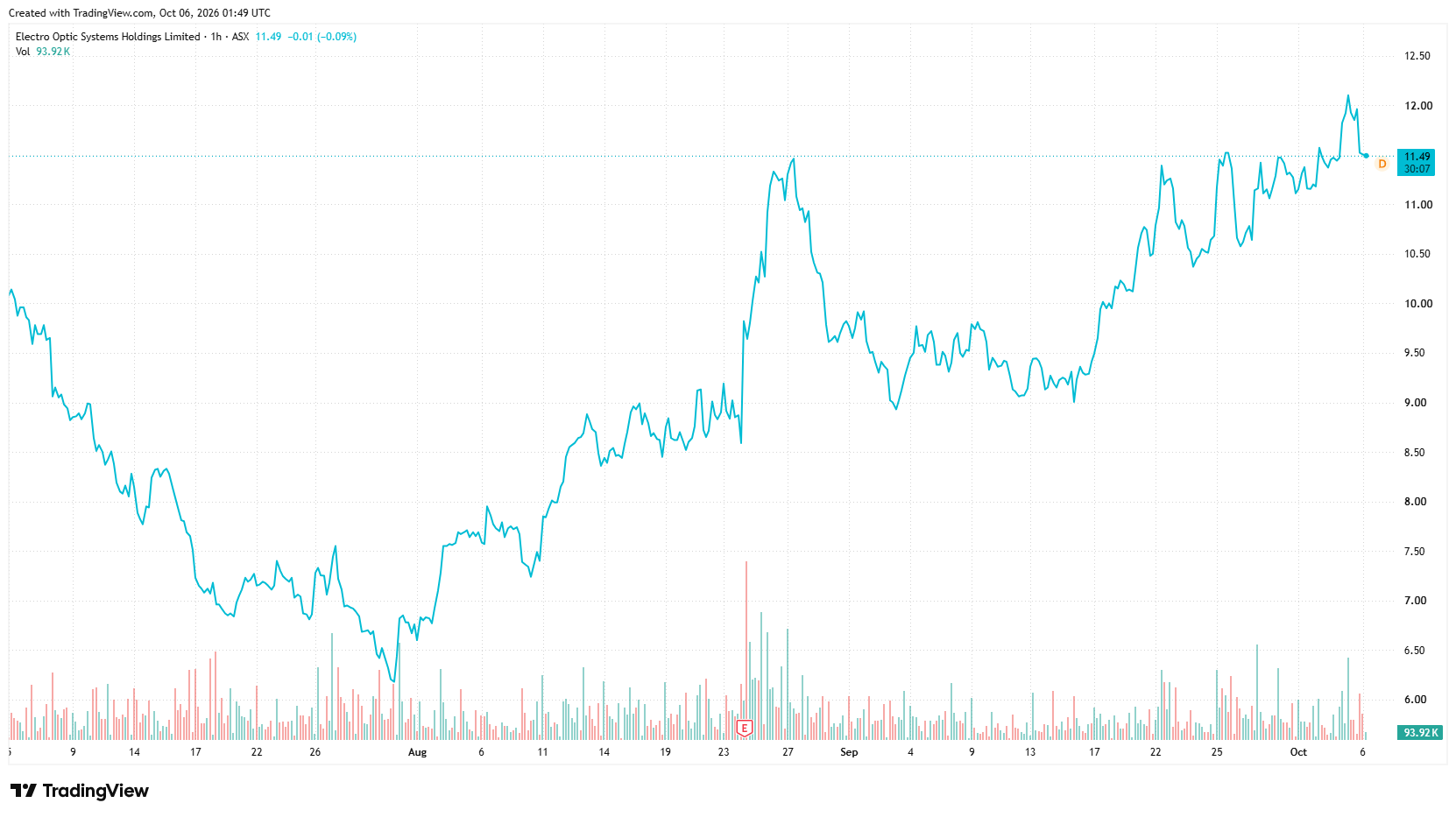
About Electro Optic Systems Holdings Ltd. Electro Optic Systems Holdings Limited engages in the development, manufacture, and sale of telescopes and dome enclosures, laser satellite tracking systems, remote weapon systems, and high laser weapon. It operates through Defense Systems and Space Systems segments. The company develops, manufactures, and markets fire control, surveillance, weapon systems, and high energy laser to military customers. It also provides passive optical and laser sensing equipment; optical, microwave and on-the-move radio and satellite products; and laser-based surveillance systems with space tracking capability. In addition, the company offers counter-drone, firepower, force protection, and UGV and marine lethality systems, as well as high energy laser weapon; optical tracking systems, space control, space domain awareness, satellite laser ranging, space sustainability, and precision optics. It operates in Australia, the United States, Singapore, the United Arab Emirates, the United Kingdom, New Zealand, the Netherlands, North America, Germany, and rest of Europe. Electro Optic Systems Holdings Limited was founded in 1983 and is based in Symonston, Australia. Source: EODHD Key Stats
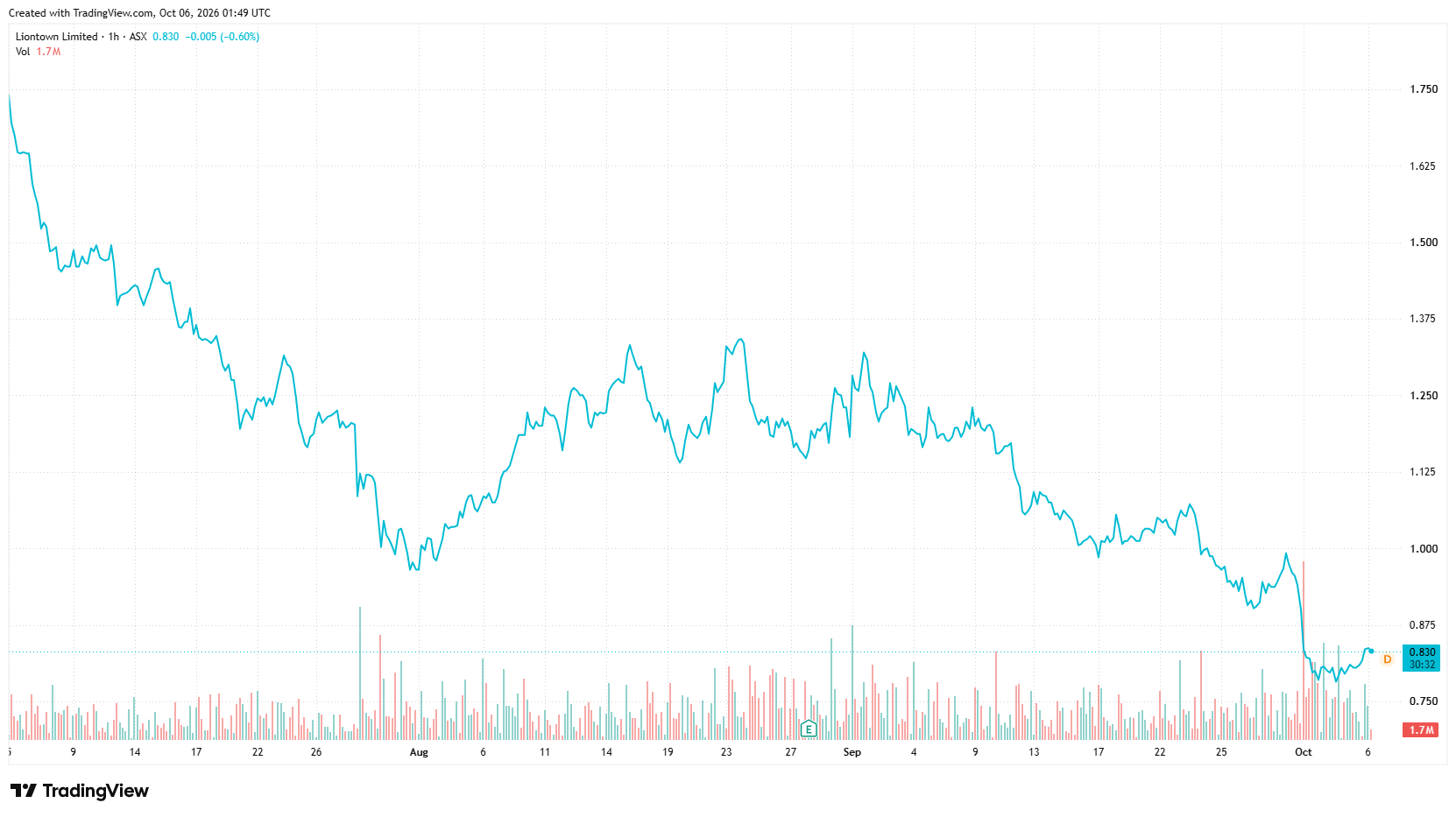
About Liontown Ltd. Liontown Limited engages in the exploration, evaluation, and development of mineral properties in Australia. It primarily explores for lithium, gold, and nickel deposits. The company's flagship property is the Kathleen Valley lithium project located in Perth, Western Australia. The company was formerly known as Liontown Resources Limited and change its name to Liontown Limited in November 2025. Liontown Limited was incorporated in 2006 and is headquartered in West Perth, Australia. Source: EODHD Key Stats

The RBA has raised rates to 4.60% as inflation pressures persist. Explore the impact of energy costs, AI demand and the key signals investors should watch next.

Discover how advances in genomics, AI, diagnostics and gene editing are creating a broader healthcare opportunity and where commercial value is emerging.

The AI trade is being forced to rethink the pace of progress. Here is what investors should watch across Nvidia, chips, AI spending, software and adoption.

Copper is at a record high, yet the global market still has a surplus. So where is all the copper, and why is it becoming harder to find?
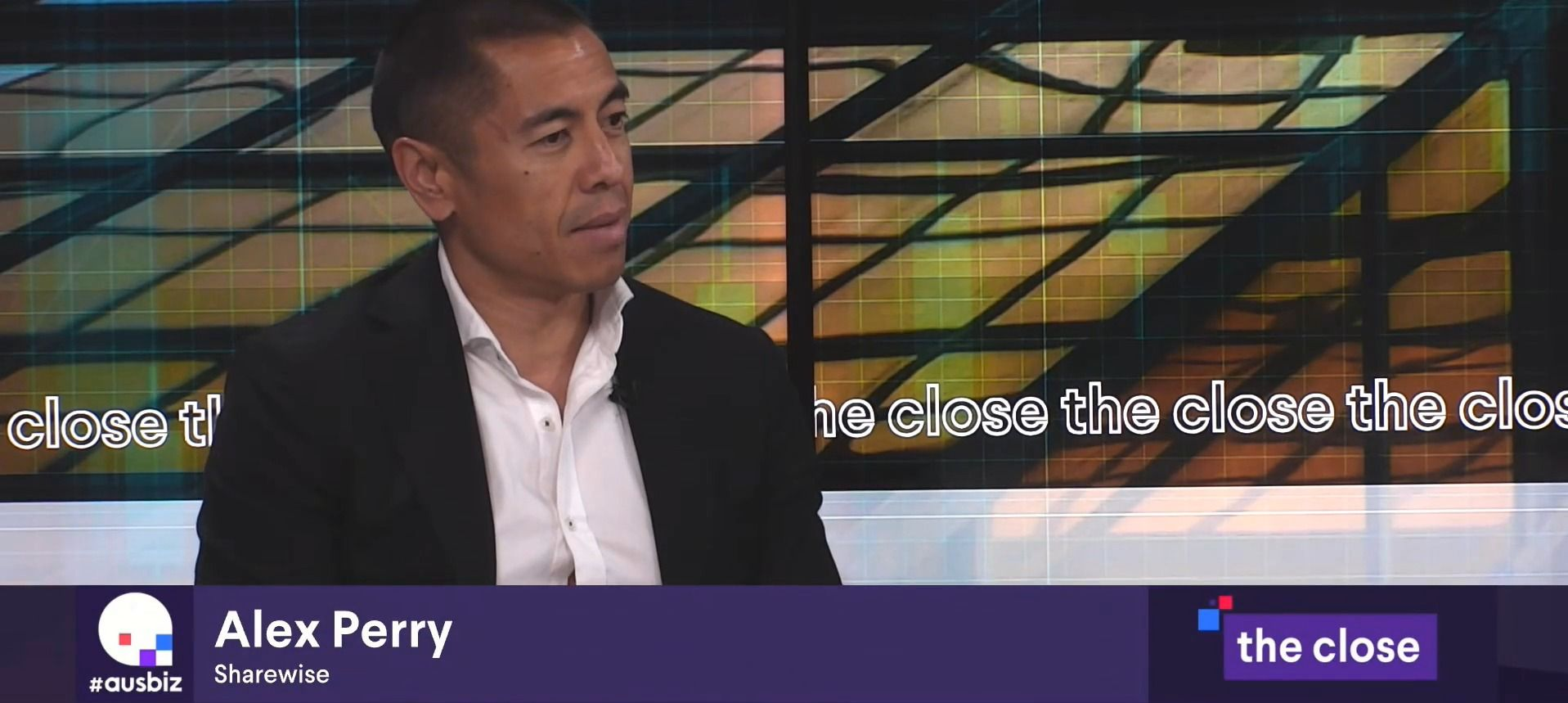
Sharewise CEO Alex Perry sat down with ausbiz to unpack how the platform approached FY26, a year in which it reported an ASX return of almost 11% and a US return above 32%. The conversation ranged from the AI infrastructure theme to specific names on Perry's radar in resources and quantum computing. Here's a rundown of the key points.
