
From Ceasefire to Blockade in 72 Hours: What Actually Happened?
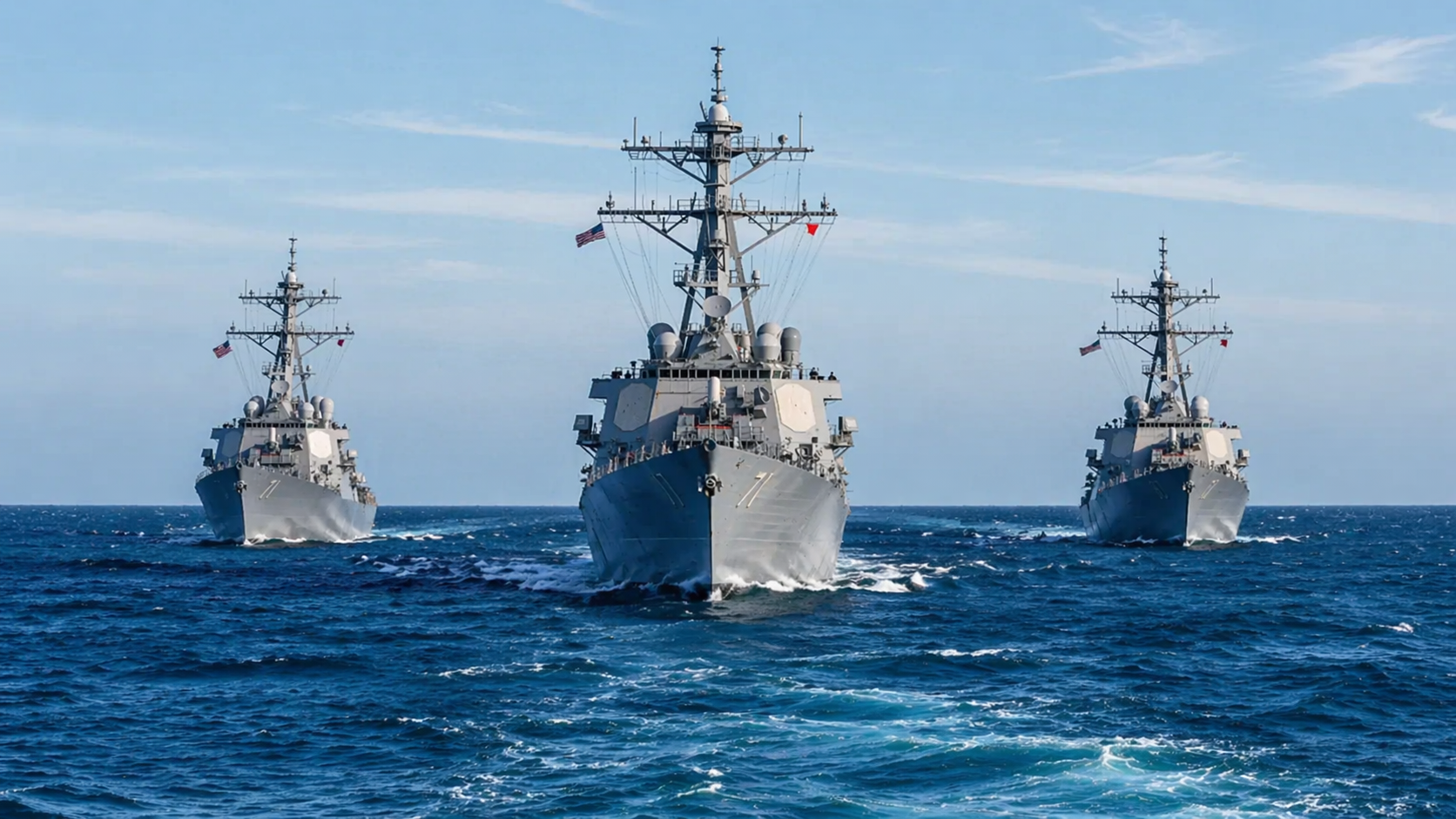
In geopolitics, sentiment can turn quickly when underlying tensions are unresolved. The collapse of recent United States and Iran negotiations was not a sudden reversal, but the inevitable outcome of positions that were never aligned despite a brief window of optimism.
On 8 April, markets rallied on the announcement of a two-week ceasefire. Oil fell 16% in its largest one-day decline since the pandemic, the ASX rose 2.6%, and Qantas Airways Limited gained 9% as investors priced in easing risk. Within seventy-two hours, that optimism reversed. Talks collapsed after 21 hours in Islamabad, the United States imposed a naval blockade on Iranian ports, and markets repriced sharply. Oil moved back above US$104 per barrel, the Australian dollar weakened, and the Reserve Bank of Australia acknowledged rising stagflation risk.
This was not a gradual deterioration but a rapid shift from diplomacy to enforcement. Markets had priced in peace, but what existed was only a temporary pause with no shared end state. The failure of talks did not create risk, it revealed it. The blockade represents a decisive escalation, but also a broader signal that economic coercion is once again a primary tool of statecraft.
What the Talks Were Trying to Achieve
Before examining why the Islamabad talks failed, it is necessary to understand the scale of what they were attempting to deliver. The negotiations aimed to establish a verified framework to constrain Iran’s nuclear programme in exchange for sanctions relief, effectively a successor to the agreement abandoned in 2018. Attempting to reach such an outcome during an active conflict, within a compressed timeframe, left limited room for compromise.
The United States entered with clear non-negotiable demands. These included verifiable limits on uranium enrichment, dismantling advanced centrifuge infrastructure, removal of highly enriched uranium stockpiles, and cessation of funding for regional militant groups such as Hezbollah. Iran’s position moved in the opposite direction. Tehran sought full sanctions relief, recognition of its right to enrich uranium, security guarantees against future military action, compensation for war-related damage, and recognition of its influence over the Strait of Hormuz.
Despite these differences, expectations remained cautiously constructive. Both sides faced genuine pressure. Iran’s oil revenues had been disrupted, while the United States was managing elevated fuel prices and domestic political sensitivity. Pakistan’s role as a neutral intermediary enabled both delegations to engage. The incentives to negotiate were present, but the underlying positions remained structurally incompatible.
The Breakdown: Why Talks Collapsed
The collapse of the talks was not a last-minute failure. The structural conditions required for agreement were absent from the outset, and the 21 hours of discussions confirmed this reality.
Three fault lines defined the negotiations. The first was a deep trust deficit. Iran’s position was shaped by the 2018 withdrawal from the original agreement and the reimposition of sanctions despite prior compliance. From Tehran’s perspective, any new agreement carried a high risk of being abandoned. The United States viewed Iran’s continued enrichment activity as evidence of bad faith. Both positions were grounded in recent history, making compromise difficult.
The second fault line was the absence of a credible enforcement framework. The United States required verifiable nuclear concessions before offering sanctions relief. Iran demanded sanctions relief as a precondition for any concessions. Both positions are internally consistent but incompatible. Without a trusted third-party verification mechanism, sequencing could not be resolved.
The third was a mismatch in timelines and strategic priorities. The United States sought rapid, measurable outcomes. Iran’s position reflected a longer-term strategic approach in which its nuclear programme is tied to sovereignty and long-term security. These perspectives could not be reconciled within a compressed negotiation window.
The breakdown reflected structural incompatibility rather than negotiation failure. The speed of escalation that followed highlighted how little room there was for delay.
The Pivot: Why the United States Chose a Naval Blockade
With diplomacy exhausted, the United States faced limited options. Accepting a nuclear-capable Iran with influence over a critical energy corridor was not politically viable. Resuming direct military strikes carried significant escalation and diplomatic risks. Economic pressure emerged as the most viable alternative, targeting Iran’s primary revenue source through oil exports.
Iran’s oil sector generates approximately USD45 billion annually, or around 13% of GDP, with exports near 1.85 million barrels per day. Disrupting this flow applies direct economic pressure without the costs associated with military engagement. A naval blockade allows enforcement to take effect immediately through interception and rerouting of vessels.
The blockade offers three advantages. It delivers immediate impact, carries lower political cost than military strikes, and provides flexibility. Enforcement can be scaled depending on Iran’s response, maintaining leverage.
Its scope is also deliberate. The blockade targets Iranian ports while allowing freedom of navigation through the Strait of Hormuz for non-Iranian traffic. This approach aims to restrict Iranian exports without fully disrupting global energy flows. Its effectiveness depends on the compliance of third-party actors such as China, India and Russia, which remain the key variable in determining outcomes.
The First 72 Hours: Theory Becoming Real-World Disruption
The events following the collapse illustrate how quickly geopolitical decisions translate into economic outcomes. On 12 April, negotiations ended with conflicting statements and oil moved higher in after-hours trading.
Within 48 hours, the blockade was implemented. Shipping routes were adjusted, insurance costs increased, and vessels carrying Iranian crude faced interception risk. Risk-sensitive currencies weakened, oil prices rose, and Asia-Pacific equities declined.
By 14 April, the effects had extended into corporate earnings and sentiment. Qantas Airways Limited warned of up to AUD800 million in additional fuel costs. Westpac Banking Corporation and National Australia Bank flagged deteriorating credit conditions. Consumer sentiment declined sharply. The Reserve Bank of Australia warned of a potential stagflationary shock.
These developments emerged within forty-eight hours of the blockade, demonstrating how quickly geopolitical risk now feeds through markets and the real economy.
Market and Economic Implications: From Global Shock to Domestic Transmission
At the global level, the brief removal of the risk premium during the ceasefire has fully reversed. The blockade directly threatens Iran’s oil exports, which were running at approximately 1.7 million barrels per day, tightening already constrained physical markets. Even where actual supply disruption remains contained, the reintroduction of uncertainty has been sufficient to drive price volatility. At the same time, freight and insurance markets are repricing risk across key shipping routes, with disruptions likely to persist well beyond any near-term diplomatic resolution. The situation also introduces new geopolitical flashpoints, particularly around enforcement, including the potential targeting of third-party vessels, which could materially escalate tensions.
These global pressures are now transmitting directly into the Australian economy through multiple channels. The most immediate is fuel and inflation. Australia imports close to 90% of its refined fuel, making it highly exposed to sustained increases in oil prices. The cost pressures flagged by Qantas Airways Limited are indicative of a broader dynamic affecting transport, logistics and manufacturing. Persistently elevated oil prices are likely to flow through to headline inflation, complicating the policy outlook for the Reserve Bank of Australia.
This feeds directly into interest rate expectations. Markets are increasingly pricing further tightening as the central bank balances rising inflation against slowing growth. The use of stagflationary language by policymakers signals a willingness to prioritise inflation control, even at the expense of economic momentum. At the corporate level, early warnings from institutions such as Westpac Banking Corporation and National Australia Bank point to rising credit stress and deteriorating business conditions as higher input costs and borrowing rates converge.
Equity markets are already reflecting these shifts. The rotation observed during the ceasefire period has reversed, with energy producers benefiting from higher prices while banks and consumer-facing sectors come under renewed pressure. More broadly, the environment reinforces a defensive positioning bias, with dispersion increasing across sectors as investors respond to a combination of higher costs, tighter financial conditions and elevated geopolitical risk.
Conclusion: A Shift from Hope to Reality
The pace of this escalation is the defining feature. Markets moved from a ceasefire-driven rally to pricing an active naval blockade within seventy-two hours, while policymakers shifted from cautious optimism to openly discussing stagflation within the same week. What changed was not the underlying reality, but the market’s understanding of it. Diplomacy created hope, but the structural differences between the United States and Iran meant a durable agreement was never in place.
The blockade is now the central fact shaping global energy markets and will remain so until one of three outcomes emerges: a credible return to negotiations, economic pressure forcing Iranian concessions, or escalation into a broader conflict. In the meantime, the reintroduction of a sustained geopolitical risk premium is already feeding through commodities, trade flows, monetary policy expectations and corporate earnings.
For Australian investors, the implication is clear. The question is no longer whether this matters, but whether it is being understood with sufficient clarity to inform deliberate decisions. With CPI data, an election cycle and the next Reserve Bank of Australia meeting all imminent, the coming weeks represent a critical window. This is not simply another news cycle. It is a live macro shock, and how it is interpreted will directly shape outcomes across portfolios, policy and the broader economy.
Subscribe to our newsletter
Disclaimer: This article does not constitute financial advice nor a recommendation to invest in the securities listed. The information presented is intended to be of a factual nature only. Past performance is not a reliable indicator of future performance. As always, do your own research and consider seeking financial, legal and taxation advice before investing.
Speak to an Advisor

Understand how AI investment could affect global financial stability, as the IMF and RBA warn of rising debt, market concentration and funding risks.

Firmus’ proposed mega-IPO puts a spotlight on the cost, capital intensity and risks of building AI infrastructure as investors weigh the next phase of the AI boom.
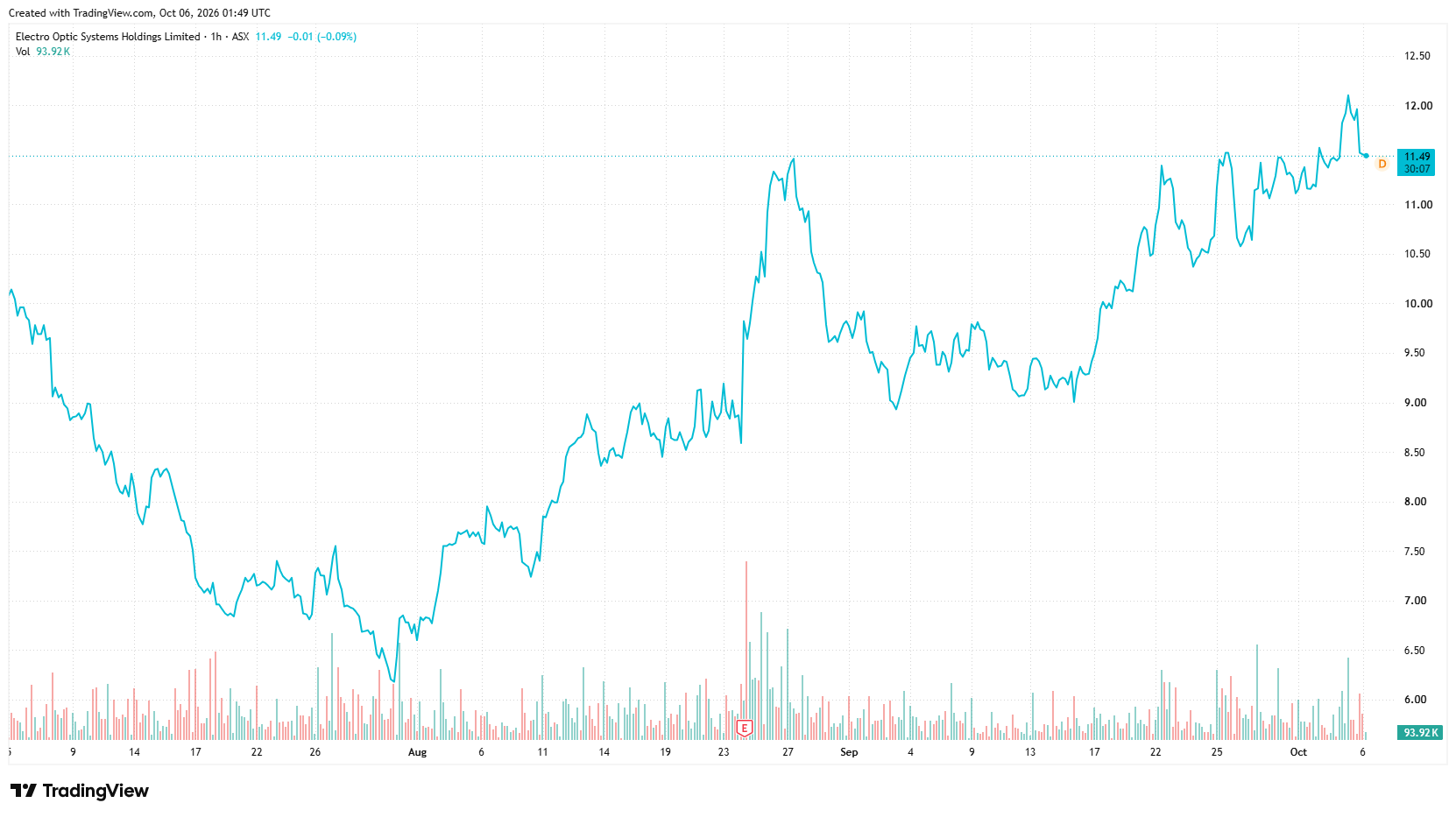
About Electro Optic Systems Holdings Ltd. Electro Optic Systems Holdings Limited engages in the development, manufacture, and sale of telescopes and dome enclosures, laser satellite tracking systems, remote weapon systems, and high laser weapon. It operates through Defense Systems and Space Systems segments. The company develops, manufactures, and markets fire control, surveillance, weapon systems, and high energy laser to military customers. It also provides passive optical and laser sensing equipment; optical, microwave and on-the-move radio and satellite products; and laser-based surveillance systems with space tracking capability. In addition, the company offers counter-drone, firepower, force protection, and UGV and marine lethality systems, as well as high energy laser weapon; optical tracking systems, space control, space domain awareness, satellite laser ranging, space sustainability, and precision optics. It operates in Australia, the United States, Singapore, the United Arab Emirates, the United Kingdom, New Zealand, the Netherlands, North America, Germany, and rest of Europe. Electro Optic Systems Holdings Limited was founded in 1983 and is based in Symonston, Australia. Source: EODHD Key Stats
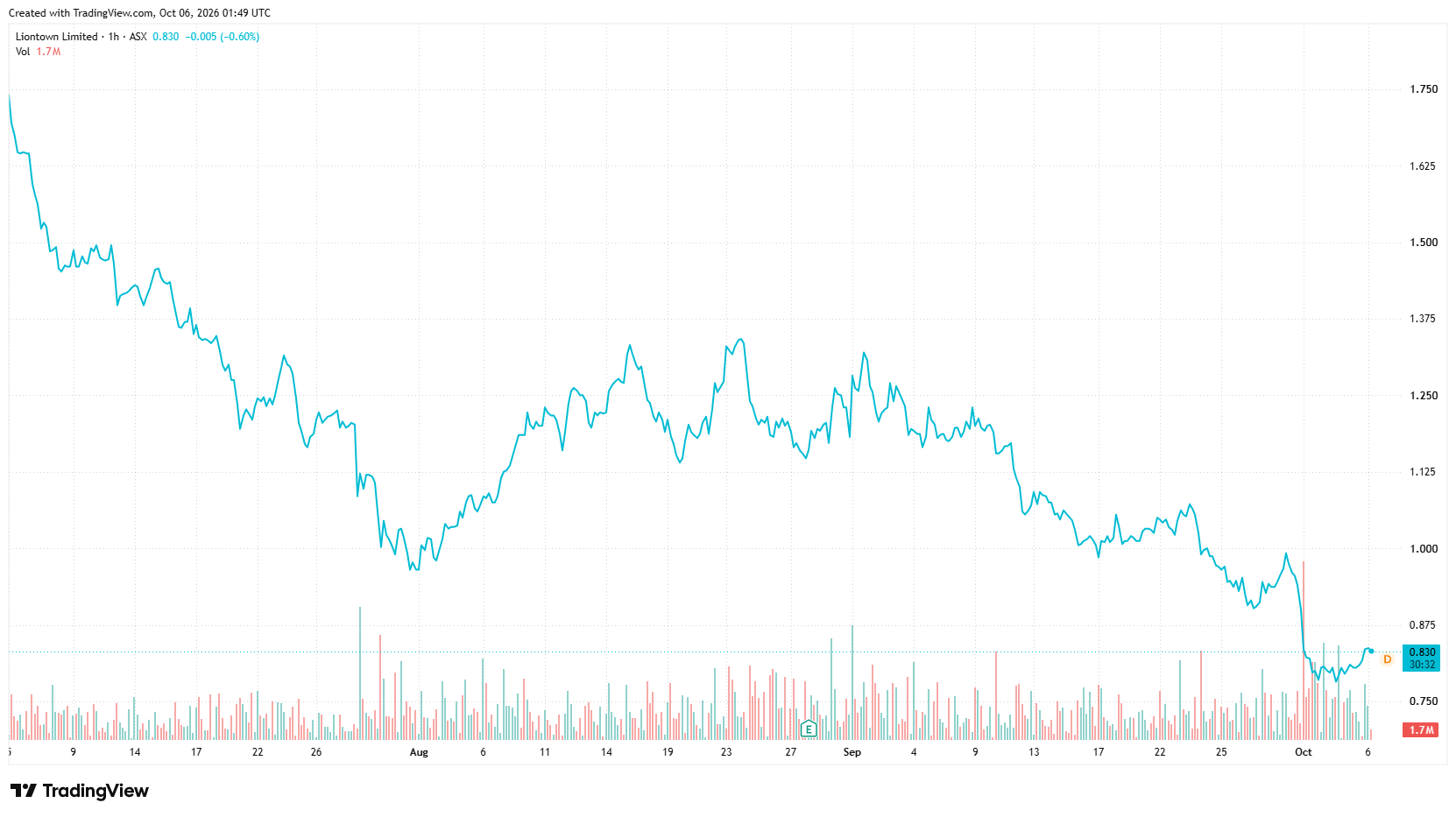
About Liontown Ltd. Liontown Limited engages in the exploration, evaluation, and development of mineral properties in Australia. It primarily explores for lithium, gold, and nickel deposits. The company's flagship property is the Kathleen Valley lithium project located in Perth, Western Australia. The company was formerly known as Liontown Resources Limited and change its name to Liontown Limited in November 2025. Liontown Limited was incorporated in 2006 and is headquartered in West Perth, Australia. Source: EODHD Key Stats
The RBA has raised rates to 4.60% as inflation pressures persist. Explore the impact of energy costs, AI demand and the key signals investors should watch next.

Discover how advances in genomics, AI, diagnostics and gene editing are creating a broader healthcare opportunity and where commercial value is emerging.

The AI trade is being forced to rethink the pace of progress. Here is what investors should watch across Nvidia, chips, AI spending, software and adoption.

Copper is at a record high, yet the global market still has a surplus. So where is all the copper, and why is it becoming harder to find?
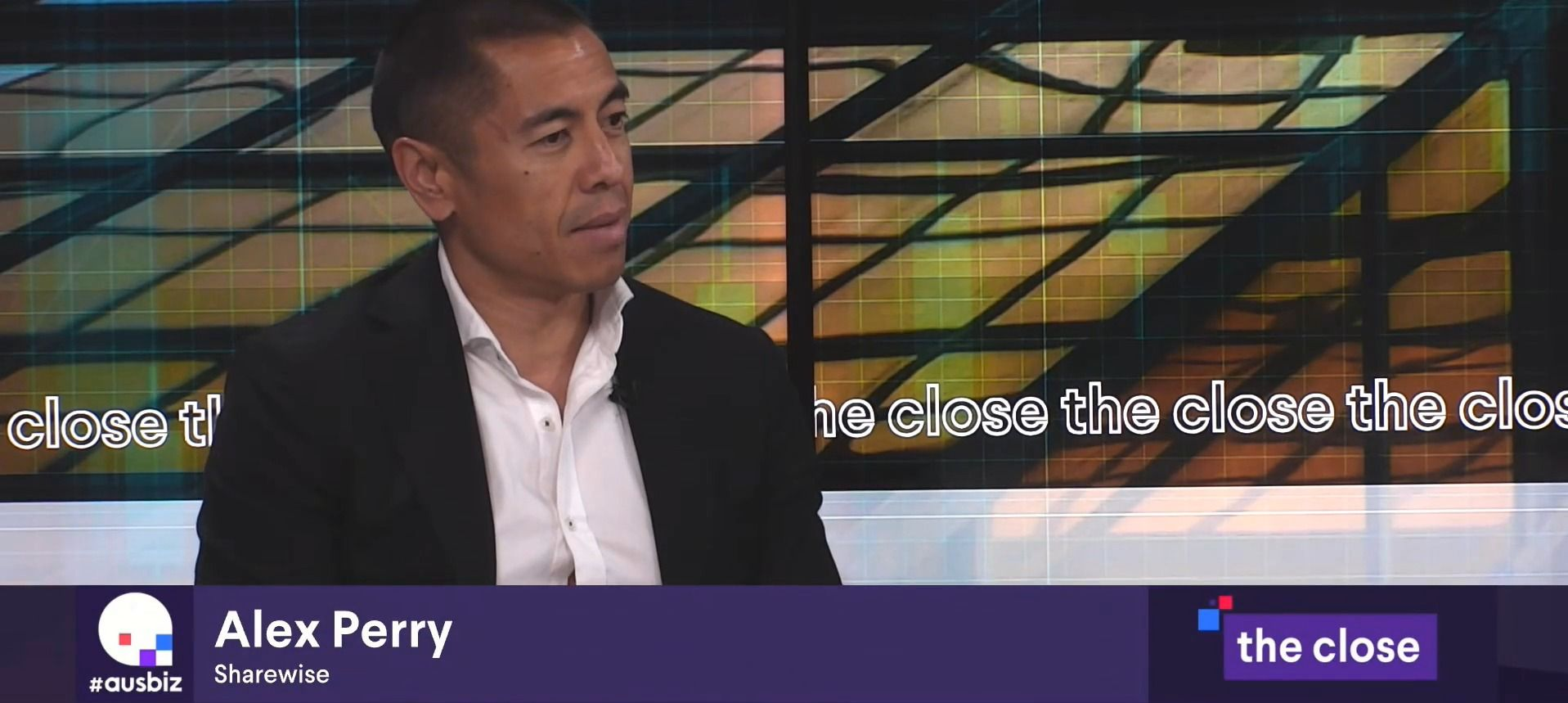
Sharewise CEO Alex Perry sat down with ausbiz to unpack how the platform approached FY26, a year in which it reported an ASX return of almost 11% and a US return above 32%. The conversation ranged from the AI infrastructure theme to specific names on Perry's radar in resources and quantum computing. Here's a rundown of the key points.
Warsh gave markets a framework, not a forecast. What his first Jackson Hole keynote means for inflation, rates, forward guidance and the outlook for equities.
