
From Chatbots to Agents: Why Agentic AI Is Emerging as the Next Investment Frontier

AI Is Entering Its Next Phase
For the past three years, the AI investment narrative has been driven by a familiar set of indicators. User growth, model capability benchmarks, data centre expansion and semiconductor earnings shaped how markets priced the opportunity. The S&P 500’s largest technology names repriced significantly as investors focused on infrastructure build-out and adoption.
That phase is now largely reflected in valuations. Semiconductor leaders have delivered strong returns, cloud providers have repriced for AI-driven growth, and data centre operators have attracted substantial institutional capital. The initial question was whether AI could scale. The market is now asking a more demanding one.
Where does AI generate measurable economic value at enterprise scale? The focus is shifting from demonstration and engagement metrics toward outcomes that appear in operating margins, earnings growth and competitive positioning.
The shift is clear. The next phase of AI is not about answering questions. It is about taking action.
What Is Agentic AI?
Agentic AI refers to artificial intelligence systems that can plan and execute multi-step tasks autonomously, without requiring human input at each stage.
This represents a clear step beyond what most users associate with AI today. A chatbot receives a prompt and produces a response. The interaction ends there. Nothing is executed beyond the answer itself. An AI agent operates differently. It is given an objective, breaks that objective into steps, executes those steps across multiple systems, adapts when conditions change and reports back on completion. The defining feature is autonomy. It acts independently toward a defined goal.
This shift is already being deployed across enterprise environments. AI systems are moving beyond assisting with tasks to executing them within software workflows, coding environments and operational processes. Activities that previously required human involvement at each step are increasingly being automated end to end.
The implications are visible across industries. In Australia, accounting platforms are beginning to reconcile transactions and identify anomalies autonomously. Legal systems are moving from document search toward automated contract review. Across sectors, AI is being embedded into workflows rather than used as a standalone tool.
The concept can be reduced to a single idea. Agentic AI is the shift from systems that think to systems that do.
From Chatbots to Agents: What Has Actually Changed
The difference between a chatbot and an AI agent is not incremental. It represents a fundamental shift in capability that changes both what the technology can do and the economic value it can generate.
A chatbot is reactive. It responds to a prompt and stops. It has no memory of prior interactions, cannot act within external systems, and cannot plan or execute a sequence of tasks. Its functionality is confined to the conversation itself.
An agentic AI system operates differently across all of these dimensions. It is goal-driven rather than prompt-driven. It maintains context across extended tasks, interacts with databases and software applications, and executes multi-step workflows from start to finish. It can plan, act, evaluate outcomes and adjust when conditions change, completing processes that previously required human involvement at each stage.
This distinction becomes clearer in practical terms. A chatbot may explain how to resolve an accounting discrepancy. An agent identifies the issue, traces its source, drafts a correction and updates records. In logistics, a chatbot describes how to respond to delays. An agent monitors shipments, adjusts schedules and updates systems in real time.
The shift from interaction to execution marks a turning point. AI is no longer limited to assisting individuals. It is beginning to reshape how work is performed at the organisational level, with direct implications for cost structures and operating efficiency.
Why Agentic AI Matters Economically
The significance of agentic AI is not technical. It is economic.
The first wave of generative AI improved productivity but had limited impact on enterprise cost structures. Faster content generation is useful, but it does not fundamentally change how businesses operate. An AI agent that manages an entire workflow represents a structural shift.
At scale, three effects become material.
Productivity improves as tasks that previously required human input at each stage are executed autonomously. Activities such as scheduling, compliance checks and reporting can be completed at scale without proportional labour input.
Cost structures change through operating leverage. As output increases without a corresponding rise in headcount, the marginal cost of additional work declines significantly.
Scalability improves as revenue growth is no longer constrained by hiring capacity. Businesses can expand without maintaining a linear relationship between output and labour.
This is where the economic case for AI aligns with market expectations. The impact becomes visible in operating margins and earnings over time. Companies that deploy agentic AI effectively will show measurable improvements in efficiency and profitability, while those that do not risk higher costs without corresponding returns.
The Investment Shift: Where Capital Is Moving
The AI investment cycle has distinct phases, and identifying where the market sits within that cycle is critical for investors allocating capital to the theme.
The first phase was driven by infrastructure. Semiconductors, cloud providers and data centre operators benefited from the global buildout required to support AI workloads. Companies such as Nvidia, TSMC and Broadcom, along with hyperscalers including Amazon, Alphabet and Meta Platforms, delivered significant returns. This layer is now well owned and largely priced for visible demand. In Australia, NextDC remains the clearest domestic exposure.
The next phase is emerging at the application layer. Enterprise software, workflow automation platforms and AI-native applications are integrating agentic capabilities into their core products. Companies such as Microsoft, Salesforce and Adobe are positioning themselves as the interface through which enterprises deploy and manage AI at scale. In Australia, WiseTech Global provides a clear example of AI embedded into operational systems.
The value is moving up the stack. Infrastructure established the foundation, but the application layer is where AI generates measurable productivity gains and competitive advantages.
At the same time, disruption risk is increasing. Agentic AI can replace elements of traditional software, particularly models built on per-user licensing. This creates both opportunity and risk as the next phase of value creation favours companies that translate AI capability into operational outcomes.
Risks and Reality: Not All AI Is Equal
The investment case for agentic AI is strong, but execution risks remain significant.
Market re-rating has extended beyond companies demonstrating measurable impact. Many have benefited from association rather than delivery, creating a gap between expectation and execution.
Data quality is a key constraint. Agentic systems rely on accurate and integrated data, yet many enterprises operate on fragmented systems. Addressing these limitations is costly and time-intensive.
Integration complexity presents another challenge. Agentic AI must operate across multiple systems, but legacy architectures were not designed for this level of interoperability. As a result, the gap between announced capability and actual deployment can be material.
Reliability also remains a limiting factor. In high-stakes industries, the tolerance for error is low, and consistent performance is required before widespread adoption occurs.
From an investment perspective, narrative in parts of the market is ahead of monetisation. Companies trading on prospective AI-driven growth without demonstrated earnings contribution carry valuation risk if execution falls short. This reinforces the need for selectivity.
Portfolio Implications: How to Think About AI Exposure
The key portfolio insight is that AI is not a single trade. It is an ecosystem with multiple layers, each carrying different risk and return characteristics, different stages of earnings realisation and different sensitivities to the economic cycle. Treating it as a binary position misses the complexity of where value is created.
Concentration in a single layer introduces specific risks. Exposure limited to semiconductors ties performance to the capital expenditure cycle, where a slowdown in infrastructure investment can quickly impact demand and valuations. Exposure focused on early-stage applications carries monetisation risk, where expectations may be reflected in prices well before earnings are realised. At the same time, avoiding the theme entirely leaves portfolios underexposed to one of the primary drivers of global earnings growth.
A more effective approach is diversified exposure across the AI stack. The infrastructure layer, including companies such as Nvidia, TSMC and major cloud providers, offers more established earnings visibility but is now more mature in valuation terms. The platform layer, where companies such as Microsoft, Salesforce and Adobe are embedding agentic AI into enterprise workflows, represents the emerging second phase with higher growth potential but greater execution risk. The application layer offers the highest potential returns but requires careful selection, as the gap between narrative and monetisation remains wide.
For Australian investors, this can be accessed through a combination of domestic names such as NextDC and WiseTech Global alongside global exposures via broad market or thematic ETFs. Within a broader portfolio, AI sits within growth allocations, and maintaining balance with defensive assets remains important to manage volatility.
The objective is not to predict which individual companies will dominate, but to maintain exposure across the ecosystem in a way that aligns with risk tolerance and investment horizon. This structure allows participation in a structural growth theme while retaining the discipline required to stay invested through inevitable market cycles.
A Structural Shift, Not a Passing Trend
Agentic AI represents the next phase of digital transformation, where artificial intelligence moves from demonstration to measurable economic impact.
This early stage of adoption is where the investment opportunity sits. The investors who benefited most from the first wave of AI understood the infrastructure buildout before it was fully priced. The next phase requires recognising the shift up the stack toward enterprise software, workflow automation and AI-native platforms, where value creation will increasingly be realised.
Selectivity will determine outcomes. Not all companies will deliver on current expectations, and not all implementations will generate the projected productivity gains. Distinguishing between genuine value creation and narrative-driven valuation is essential for disciplined investment in this theme.
The shift from chatbots to agents marks the point where AI moves from potential to execution, and where the investment opportunity becomes more complex, and more meaningful.
Looking to gain exposure to the AI theme?
As the market shifts from infrastructure to applications, identifying the right exposure becomes increasingly important.
Explore leading opportunities across markets:
Subscribe to our newsletter
Disclaimer: This article does not constitute financial advice nor a recommendation to invest in the securities listed. The information presented is intended to be of a factual nature only. Past performance is not a reliable indicator of future performance. As always, do your own research and consider seeking financial, legal and taxation advice before investing.
Speak to an Advisor

Big Tech reports next week. Learn how to read earnings releases and filings, and what to look for in AI spending, cloud growth, cash flow and guidance.

Understand how AI investment could affect global financial stability, as the IMF and RBA warn of rising debt, market concentration and funding risks.

Firmus’ proposed mega-IPO puts a spotlight on the cost, capital intensity and risks of building AI infrastructure as investors weigh the next phase of the AI boom.
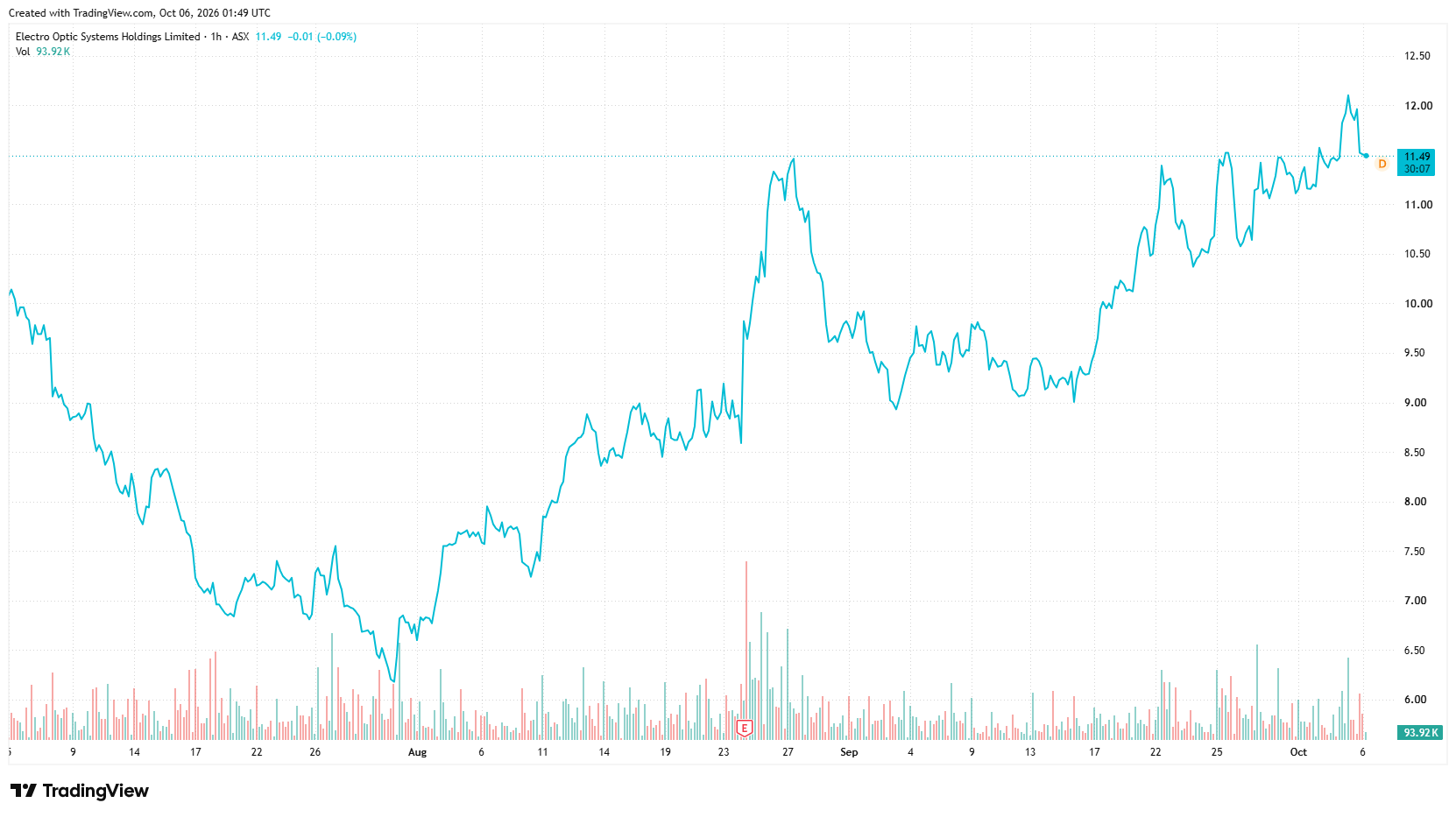
About Electro Optic Systems Holdings Ltd. Electro Optic Systems Holdings Limited engages in the development, manufacture, and sale of telescopes and dome enclosures, laser satellite tracking systems, remote weapon systems, and high laser weapon. It operates through Defense Systems and Space Systems segments. The company develops, manufactures, and markets fire control, surveillance, weapon systems, and high energy laser to military customers. It also provides passive optical and laser sensing equipment; optical, microwave and on-the-move radio and satellite products; and laser-based surveillance systems with space tracking capability. In addition, the company offers counter-drone, firepower, force protection, and UGV and marine lethality systems, as well as high energy laser weapon; optical tracking systems, space control, space domain awareness, satellite laser ranging, space sustainability, and precision optics. It operates in Australia, the United States, Singapore, the United Arab Emirates, the United Kingdom, New Zealand, the Netherlands, North America, Germany, and rest of Europe. Electro Optic Systems Holdings Limited was founded in 1983 and is based in Symonston, Australia. Source: EODHD Key Stats
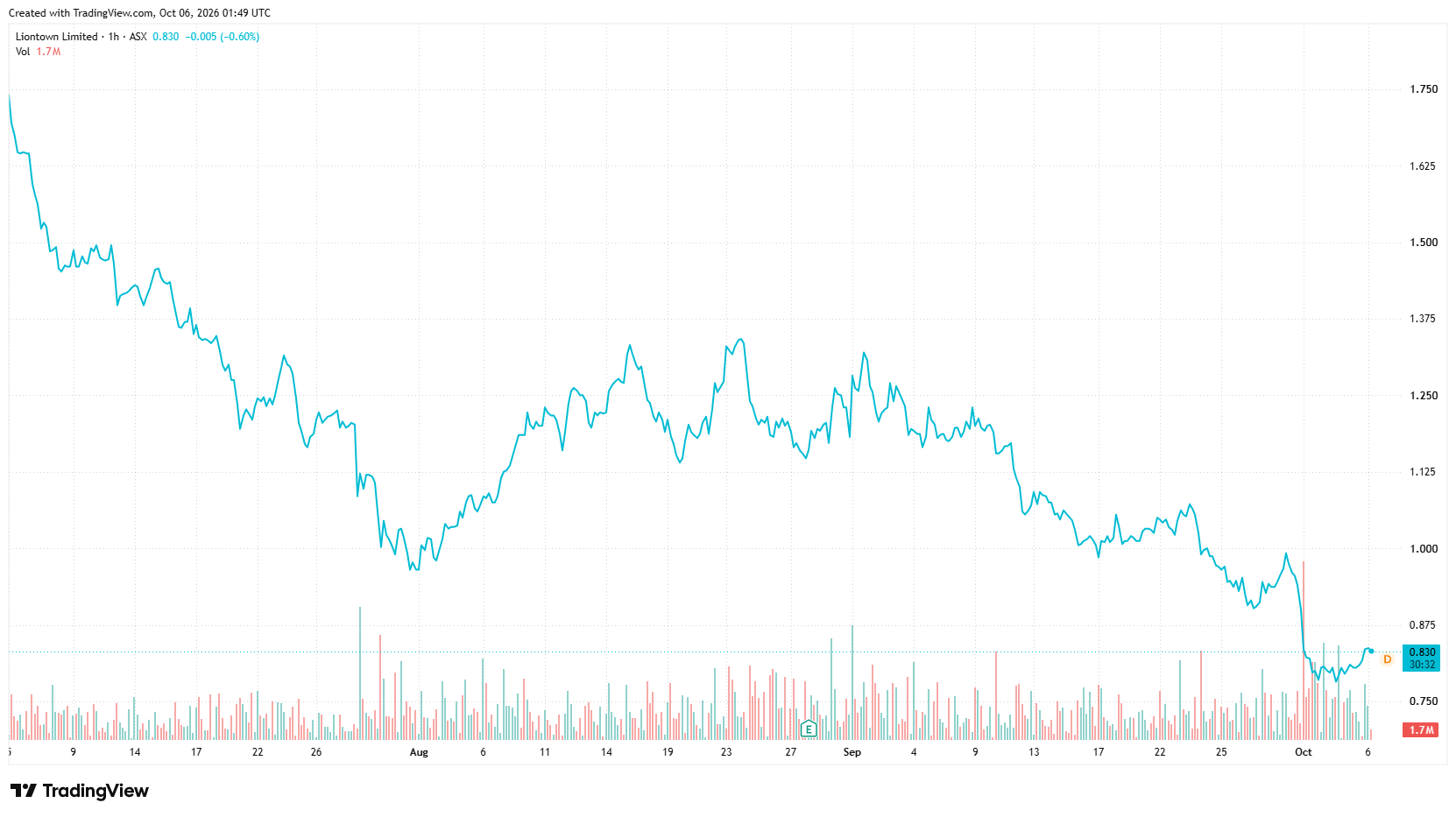
About Liontown Ltd. Liontown Limited engages in the exploration, evaluation, and development of mineral properties in Australia. It primarily explores for lithium, gold, and nickel deposits. The company's flagship property is the Kathleen Valley lithium project located in Perth, Western Australia. The company was formerly known as Liontown Resources Limited and change its name to Liontown Limited in November 2025. Liontown Limited was incorporated in 2006 and is headquartered in West Perth, Australia. Source: EODHD Key Stats

The RBA has raised rates to 4.60% as inflation pressures persist. Explore the impact of energy costs, AI demand and the key signals investors should watch next.

Discover how advances in genomics, AI, diagnostics and gene editing are creating a broader healthcare opportunity and where commercial value is emerging.

The AI trade is being forced to rethink the pace of progress. Here is what investors should watch across Nvidia, chips, AI spending, software and adoption.

Copper is at a record high, yet the global market still has a surplus. So where is all the copper, and why is it becoming harder to find?
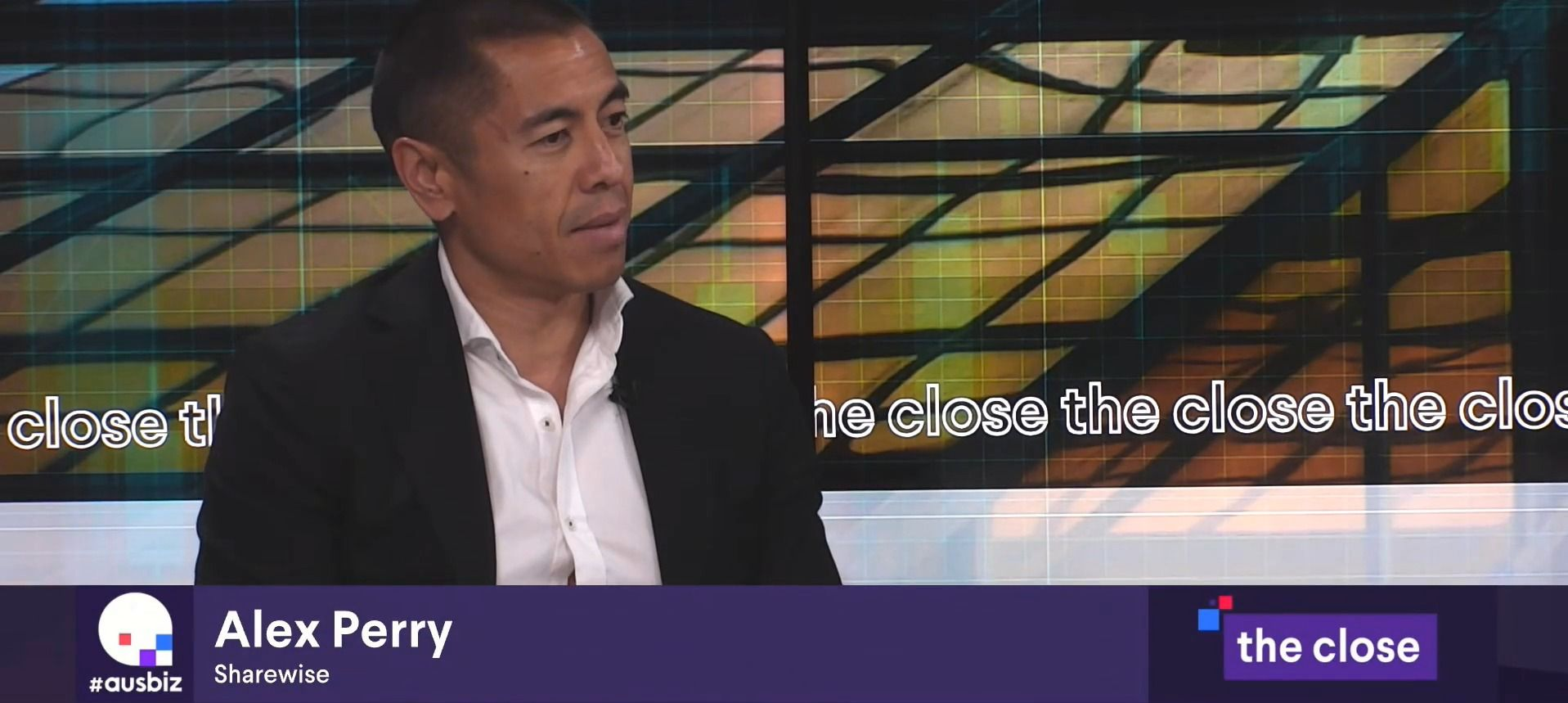
Sharewise CEO Alex Perry sat down with ausbiz to unpack how the platform approached FY26, a year in which it reported an ASX return of almost 11% and a US return above 32%. The conversation ranged from the AI infrastructure theme to specific names on Perry's radar in resources and quantum computing. Here's a rundown of the key points.
