
As Diplomacy Falters, Defence Is Becoming a Structural Trade, Not a Tactical One
From Diplomacy to Defence
Geopolitical risk has always influenced markets, but it has typically done so in cycles. Periods of escalation would drive short bursts of defence spending, followed by retracement as tensions eased. That pattern is now breaking down. The events of the past eight weeks highlight a faster and more decisive shift from diplomacy to disruption.
A ceasefire was announced and markets responded immediately. Oil fell 16%, equities rallied and investors positioned for a return to stability. Within seventy two hours, that optimism reversed. Peace talks in Islamabad collapsed after 21 hours, the United States announced a naval blockade of Iranian ports, and oil moved back above USD100. The ASX retraced earlier gains and the relief trade unwound as quickly as it formed. The speed of that reversal reflects how fragile diplomatic progress has become and how quickly markets are forced to reprice when it fails.
At the same time, policy responses are becoming more explicit. Australia’s 2026 National Defence Strategy committed an additional AUD53 billion to defence over the next decade, with spending set to reach around 3% of GDP by 2033. Government commentary points to a world where conflict is more widespread and constraints on the use of force are weakening. This is not a reaction to a single event. It reflects a broader reassessment of the global environment, where diplomacy is proving less effective in resolving tensions.
Defence is no longer just a tactical response to isolated crises. It is becoming embedded within long term government spending frameworks. The distinction matters. Tactical trades rely on timing. Structural themes rely on persistence. Defence is increasingly exhibiting the characteristics of the latter.
Why This Cycle Is Different
Not all defence spending cycles are equal. The case for treating defence as a structural allocation rests on how the current environment differs from previous cycles.
The Iraq and Afghanistan periods were driven largely by a single buyer, the United States, responding to defined conflicts with an implied end point. As those engagements wound down, spending normalised and defence equities underperformed. The thesis was valid, but its duration depended on the lifecycle of specific events.
The current cycle is fundamentally different. The global order is becoming increasingly multipolar, with strategic competition between the United States and China forming a long term backdrop that extends beyond any single flashpoint. At the same time, instability in the Middle East and the reassessment of security in Europe reflect deeper structural tensions rather than isolated crises. These are not conflicts with clear resolution timelines. They are overlapping sources of uncertainty that require sustained investment in defence capability.
The breadth of demand also marks a shift. Global defence spending reached approximately USD2.7 trillion in 2024, the fastest rate of increase since the Cold War. NATO members are moving towards a minimum of 2% of GDP in defence spending, with longer term targets rising further. Indo Pacific nations including Australia and Japan are expanding budgets based on their own strategic priorities. Demand is no longer concentrated in one geography or driven by one buyer. It is broad based and simultaneous.
There is also no credible end state. Previous cycles had at least a theoretical path to de escalation. The current environment does not. Strategic competition, regional instability and shifting alliances are long duration dynamics embedded into multi year budget frameworks. Defence spending is becoming less sensitive to short term developments and more reflective of a sustained reassessment of global security.
The Structural Drivers of Defence Demand
The current defence cycle is underpinned by a set of forces that are both independent and durable. Together, they reinforce the case for defence as a long term theme.
The first is geopolitical fragmentation. The erosion of the post Cold War order has changed how governments assess risk. The Russia Ukraine conflict demonstrated that territorial aggression remains a viable strategy for major powers. Developments in the Middle East have shown how critical infrastructure such as shipping routes and energy facilities can be disrupted with immediate economic consequences. Once the need for credible deterrence becomes embedded in national strategy, it tends to persist.
The second driver is the protection of trade routes and economic continuity. Global supply chains depend on a small number of critical maritime corridors, many of which are now contested. This has driven a shift towards naval capability, surveillance systems and long range strike capacity. Australia’s investment under AUKUS and its broader focus on maritime defence reflect this reality. Defence is no longer just about territorial protection. It is about safeguarding economic flows.
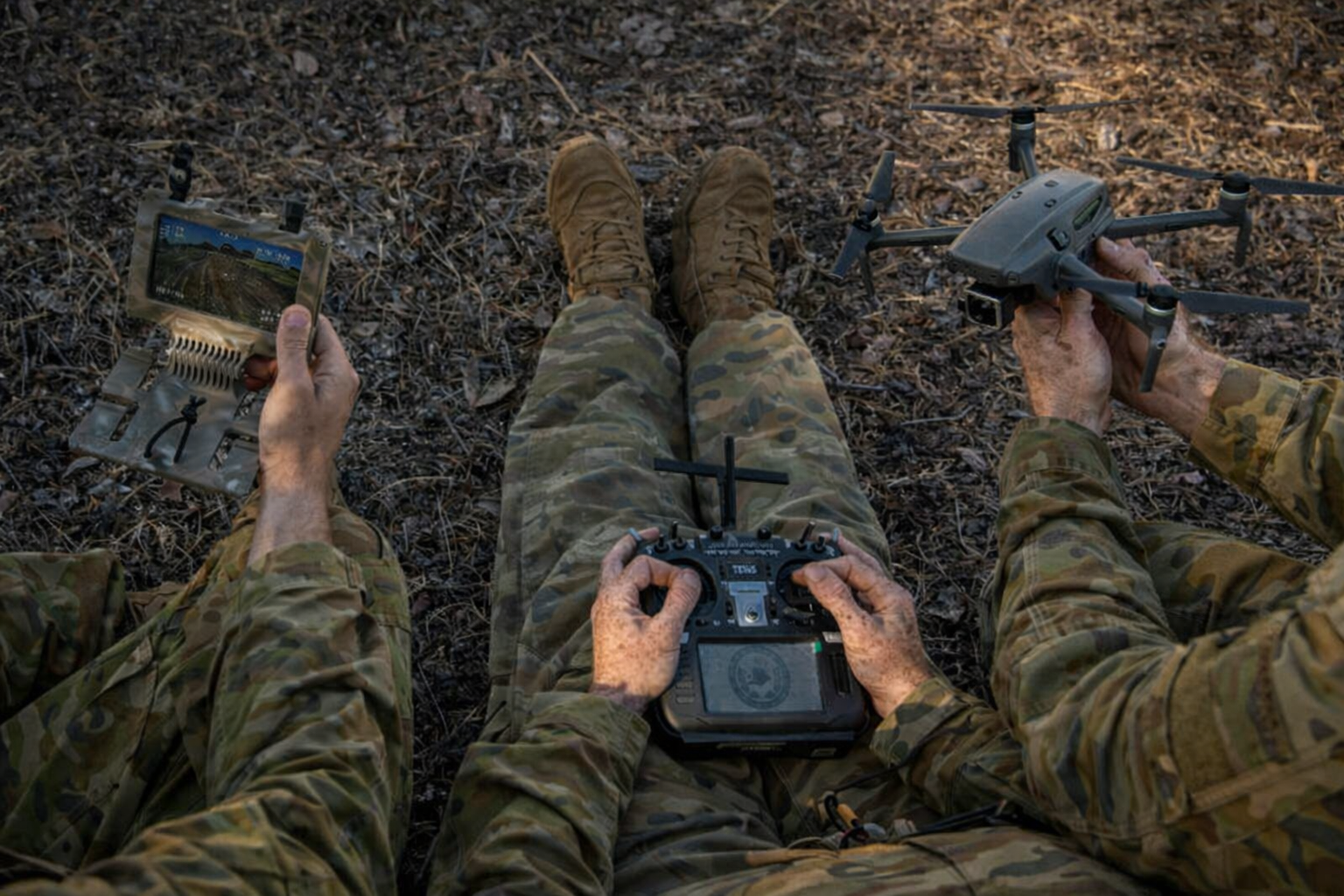
The third is the technology arms race. Modern warfare is evolving rapidly, with drones, artificial intelligence, cyber capability and advanced surveillance systems becoming central to military operations. These are not one off investments. They require continuous development and integration. This creates sustained demand across multiple capability areas that did not exist in previous cycles.
These drivers are interconnected. They extend across regions, technologies and strategic priorities, reinforcing a sustained increase in defence spending that is less dependent on short term developments.
From Deterrence to Deployment
The defining feature of the current cycle is the shift from deterrence to active deployment. In previous periods, defence investment focused on maintaining capability against potential threats. Today, capability is being used in real operational environments, and that usage is driving procurement.
Missile stockpiles are being drawn down, naval assets are deployed in active operations, and air defence systems are operating under live conditions. In Australia, priorities such as undersea warfare, maritime capability, long range strike and missile defence reflect immediate operational requirements rather than theoretical planning. Consumption is now driving procurement.
Procurement timelines are compressing as a result. Programmes that historically took years to assess and deliver are being accelerated to meet near term needs. This benefits defence contractors through faster revenue recognition and stronger pricing dynamics as urgency increases.
The stockpile rebuild cycle is particularly important. Even if conflicts ease, the depletion of munitions and wear on equipment create a multi year replenishment programme that continues regardless of diplomatic outcomes. Once authorised, these programmes tend to run to completion, providing sustained demand beyond any single event.
Defence spending is no longer centred on preparing for future conflict. It is responding to present conditions, and that shift has lasting implications for demand.
Defence as an Investment Theme
As defence spending becomes more structural, its role within equity markets is evolving. What was once a niche sector is increasingly being treated as a core thematic allocation, supported by a set of investment characteristics that differ meaningfully from most industries.
The most distinctive feature is earnings visibility. Defence companies typically operate under long-term government contracts, often spanning five to fifteen years, with built-in protections that provide a high degree of revenue certainty. This is particularly valuable in a more volatile macro environment. Austal Limited is a clear example, with an order book of approximately AUD13.1 billion and a multi-year delivery pipeline that underpins forward earnings. Its recent profit growth and role as Australia’s Strategic Shipbuilder highlight how sustained government demand can translate into both scale and financial momentum.
At the same time, parts of the sector are exhibiting strong growth characteristics. DroneShield Limited has reported rapid revenue expansion, supported by rising demand for counter-drone solutions, with quarterly revenue reaching around USD63 million and a growing global pipeline. This reflects a broader shift towards newer defence technologies. However, that growth has been reflected in valuations, with some names trading at premiums that require continued execution to justify.
Between these extremes sits a group of companies benefiting from both structural demand and technological transition. Electro Optic Systems Holdings Limited, for example, has secured a growing backlog of around AUD459 million, including contracts linked to next-generation capabilities such as directed energy systems. These areas are increasingly central to defence procurement and support a more durable growth profile.
The re-rating across the sector reflects investors beginning to treat defence as a long-duration theme rather than a short-term trade. The key consideration now is valuation. The structural case for defence spending is clear, but returns will depend on entry points, execution and the ability of individual companies to convert demand into sustainable earnings growth. Selectivity, rather than broad exposure, is becoming increasingly important.
What Investors Should Focus On
Analysing defence as a structural theme requires a different lens from traditional cyclical sectors.
Order backlog is a critical metric. It provides visibility into future revenue and reflects the strength of underlying demand. Companies with large and growing backlogs are better positioned to benefit from sustained spending.
Margin profile is equally important. Not all defence contracts are equally profitable, and the ability to manage costs while delivering on complex projects is a key differentiator. Businesses with strong execution track records tend to command higher valuations.
Exposure to high-growth segments also matters. Areas such as naval systems, cyber capabilities and autonomous technologies are attracting a disproportionate share of incremental spending. Companies with meaningful exposure to these segments are likely to see stronger growth.
At the same time, risks should not be overlooked. Defence spending is ultimately driven by government policy, and shifts in political priorities can influence budget allocations. Cost overruns and project delays can also impact profitability. Understanding these factors is essential in assessing the sustainability of earnings.
Outlook: A Multi-Year Defence Cycle
Defence spending is set to remain elevated regardless of how individual conflicts evolve. Diplomatic progress may occur, but it is unlikely to reverse the structural drivers now in place.
Commitments are already embedded. NATO targets extend well beyond current conflicts. AUKUS is a multi decade programme. Europe’s rearmament reflects a fundamental shift in security thinking. Australia’s AUD53 billion commitment is legislated within a long term framework.
This defines a structural trade. It does not rely on a single event. It relies on conditions that persist across cycles. Geopolitical fragmentation, supply chain security and technological competition operate on decade long timelines.
For investors, the implication is a shift in perspective. Defence is moving from a reactive trade to a long duration allocation. The focus is not whether the theme holds, but how to access it effectively within a diversified portfolio.
Defence is no longer simply a reaction to crisis. It is becoming a core component of portfolio construction in a world where geopolitical risk is no longer episodic, but persistent.
Subscribe to our newsletter
Disclaimer: This article does not constitute financial advice nor a recommendation to invest in the securities listed. The information presented is intended to be of a factual nature only. Past performance is not a reliable indicator of future performance. As always, do your own research and consider seeking financial, legal and taxation advice before investing.
Speak to an Advisor

Understand how AI investment could affect global financial stability, as the IMF and RBA warn of rising debt, market concentration and funding risks.

Firmus’ proposed mega-IPO puts a spotlight on the cost, capital intensity and risks of building AI infrastructure as investors weigh the next phase of the AI boom.
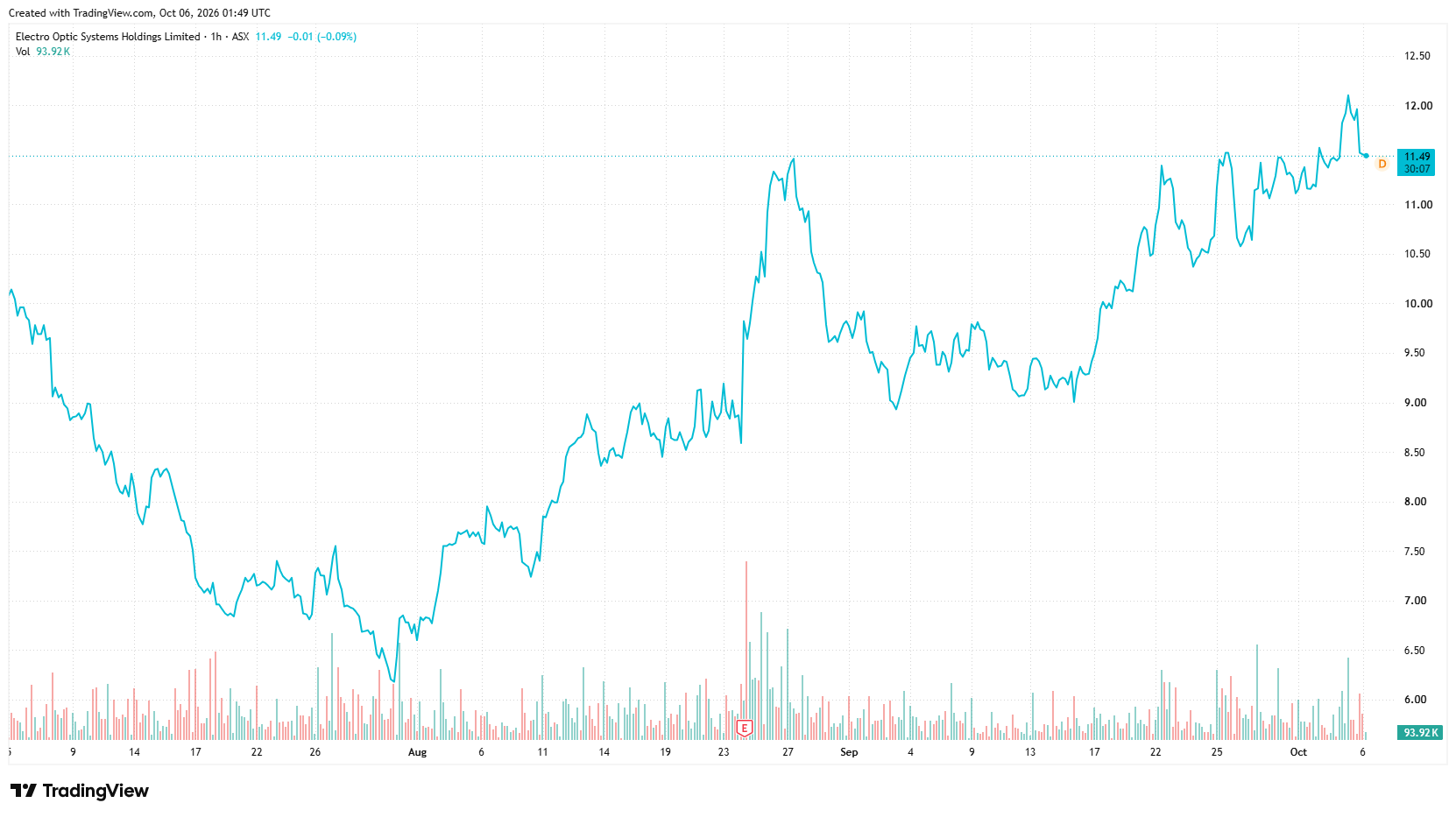
About Electro Optic Systems Holdings Ltd. Electro Optic Systems Holdings Limited engages in the development, manufacture, and sale of telescopes and dome enclosures, laser satellite tracking systems, remote weapon systems, and high laser weapon. It operates through Defense Systems and Space Systems segments. The company develops, manufactures, and markets fire control, surveillance, weapon systems, and high energy laser to military customers. It also provides passive optical and laser sensing equipment; optical, microwave and on-the-move radio and satellite products; and laser-based surveillance systems with space tracking capability. In addition, the company offers counter-drone, firepower, force protection, and UGV and marine lethality systems, as well as high energy laser weapon; optical tracking systems, space control, space domain awareness, satellite laser ranging, space sustainability, and precision optics. It operates in Australia, the United States, Singapore, the United Arab Emirates, the United Kingdom, New Zealand, the Netherlands, North America, Germany, and rest of Europe. Electro Optic Systems Holdings Limited was founded in 1983 and is based in Symonston, Australia. Source: EODHD Key Stats
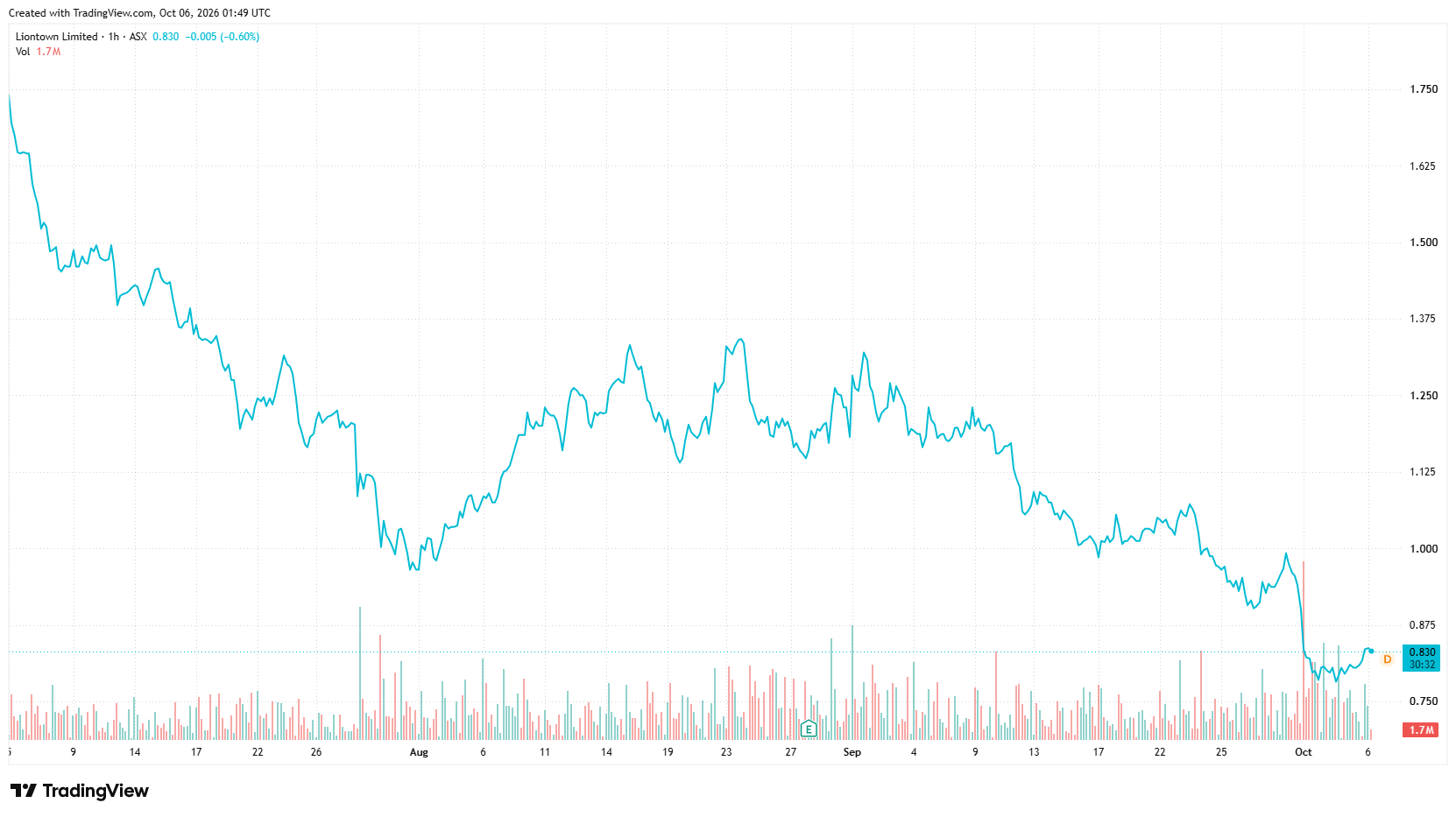
About Liontown Ltd. Liontown Limited engages in the exploration, evaluation, and development of mineral properties in Australia. It primarily explores for lithium, gold, and nickel deposits. The company's flagship property is the Kathleen Valley lithium project located in Perth, Western Australia. The company was formerly known as Liontown Resources Limited and change its name to Liontown Limited in November 2025. Liontown Limited was incorporated in 2006 and is headquartered in West Perth, Australia. Source: EODHD Key Stats

The RBA has raised rates to 4.60% as inflation pressures persist. Explore the impact of energy costs, AI demand and the key signals investors should watch next.

Discover how advances in genomics, AI, diagnostics and gene editing are creating a broader healthcare opportunity and where commercial value is emerging.

The AI trade is being forced to rethink the pace of progress. Here is what investors should watch across Nvidia, chips, AI spending, software and adoption.

Copper is at a record high, yet the global market still has a surplus. So where is all the copper, and why is it becoming harder to find?
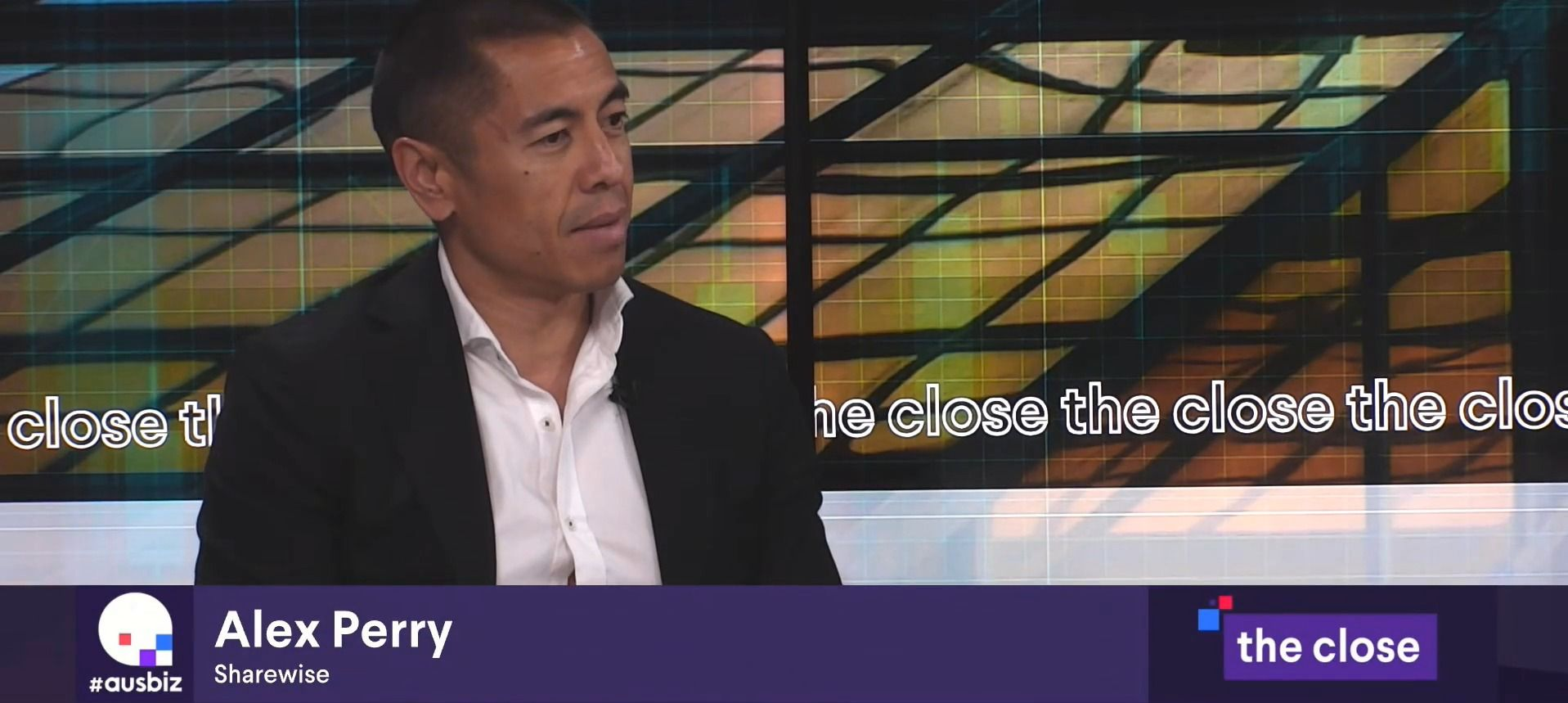
Sharewise CEO Alex Perry sat down with ausbiz to unpack how the platform approached FY26, a year in which it reported an ASX return of almost 11% and a US return above 32%. The conversation ranged from the AI infrastructure theme to specific names on Perry's radar in resources and quantum computing. Here's a rundown of the key points.
Warsh gave markets a framework, not a forecast. What his first Jackson Hole keynote means for inflation, rates, forward guidance and the outlook for equities.
