
US–Iran Ceasefire Is Real—But Are Markets Misreading the Relief?
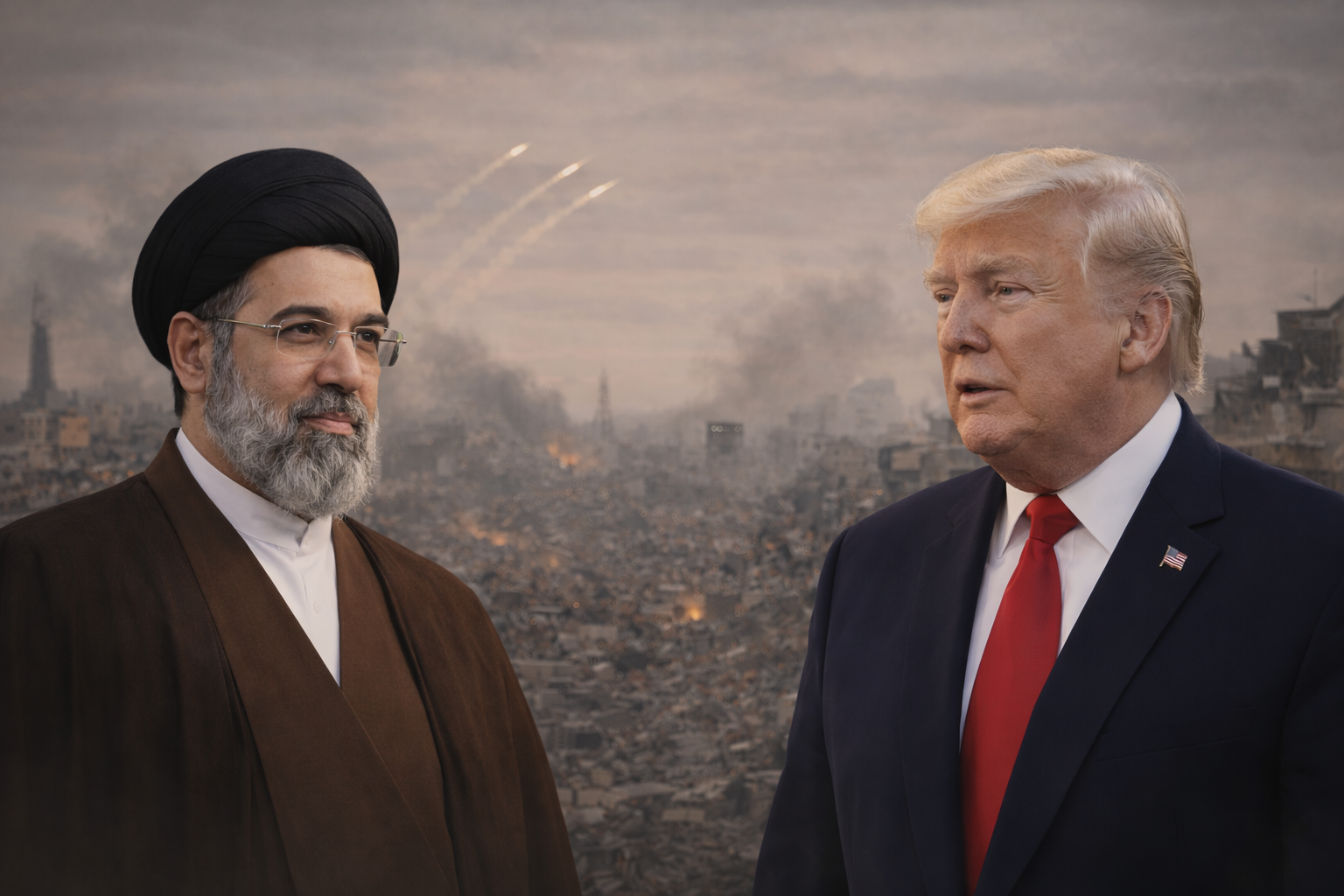
The announcement of a US–Iran ceasefire triggered an immediate and aggressive relief rally across global markets. Australia’s ASX 200 surged 2.6%, oil prices plunged nearly 16%, and equities across Asia, Europe and the United States followed higher after US President Donald Trump confirmed a two-week ceasefire with Iran. The reaction was swift, broad-based, and entirely understandable.
Six weeks of conflict had unsettled global energy markets, pushed oil above US$100 per barrel, reignited inflation concerns, and contributed to renewed tightening pressure from central banks, including back-to-back rate hikes from the Reserve Bank of Australia. For investors, the ceasefire felt like a turning point, a signal that the worst of the disruption may be behind us.
On the surface, the market’s response makes sense. A key geopolitical risk appeared to de-escalate. Energy supply fears eased. Inflation expectations softened.
But markets are not just reacting to what has happened, they are pricing what comes next. And that is where the risk lies.
Before repositioning portfolios, investors should pause and ask a more difficult question: is the market pricing in peace, when what actually exists is a temporary pause?
The Strait of Hormuz Remains a Pressure Point
The ceasefire was announced on the condition that Iran would reopen the Strait of Hormuz, one of the most critical chokepoints in the global energy system. Roughly 20% of the world’s oil and gas flows through this narrow waterway.
Initial signs appeared encouraging. Within hours of the announcement, two tankers successfully transited the Strait, reinforcing market confidence and supporting the rally in risk assets.
That optimism proved short-lived. Israel launched its largest wave of attacks on Lebanon since the conflict began, and Iran responded by suspending tanker traffic and requiring vessels to seek approval before transit. In effect, the Strait was only operational for a matter of hours.
Reopening in principle is not the same as normalisation in practice. Trade flows remain constrained, security risks persist, and shipping activity has yet to return to normal levels. Insurance costs remain elevated and operational confidence is still limited.
In practical terms, the route that facilitates a fifth of global energy trade is not functioning normally. The ceasefire has reduced immediate disruption, but it has not restored stability.
Oil Fell Sharply, But Remains Elevated
The market reaction was most visible in oil. WTI crude declined by roughly 18% to around USD92 per barrel, signalling an easing in immediate stress.
Even after this pullback, oil remains well above pre-conflict levels of approximately USD65 to USD70 per barrel. The panic-driven spike has unwound, but a meaningful geopolitical risk premium remains embedded.
This matters because inflation is driven by absolute price levels, not just direction. Elevated energy costs continue to feed through to transport, production, and consumer prices. Wholesale fuel prices remain well above pre-war levels, and retail petrol is unlikely to return to prior lows in the near term.
For Australian households, the implications are direct. Inflation pressures have moderated but not reversed, and expectations for a rapid shift in RBA policy may prove optimistic.
The Infrastructure Damage Will Last Years, Not Days
Even if the ceasefire holds, which is already uncertain, the physical damage inflicted over six weeks of conflict cannot be reversed in a matter of weeks. The impact extends well beyond immediate supply disruptions and into the structural capacity of the global energy system.
Key assets have been materially affected. Ras Laffan, the world’s largest LNG export complex, saw an estimated 17% of Qatar’s capacity taken offline, with repairs expected to take several years. Restoring these facilities is not a simple restart process. It requires significant capital, specialised labour, and stable operating conditions, all of which remain constrained in the current environment.
This shifts the nature of the energy shock. What began as a disruption to transit and logistics is evolving into a longer-term supply constraint. Industry expectations now point to elevated LNG prices persisting through 2026 and potentially into 2027, reflecting both reduced capacity and ongoing geopolitical risk.
For energy-importing economies, this creates a prolonged cost overhang. Sustained pressure in global fuel markets is likely to continue flowing through to transport, manufacturing, and broader inflation dynamics, regardless of any short-term easing in geopolitical tensions. The ceasefire may ease short-term volatility, but it does not resolve the structural constraints that will shape energy prices over the years ahead.
The Ceasefire Agreement Is Riddled With Contradictions
Perhaps the most revealing aspect of the market’s reaction is how little attention has been paid to the substance of the ceasefire itself. Beneath the headlines, the agreement appears less like a unified framework and more like two fundamentally different interpretations of what has been agreed.
Almost immediately, signs of strain emerged. Iranian officials accused the United States of breaching multiple elements of the agreement within the first day, citing developments in Lebanon, airspace violations, and disputes over uranium enrichment. The White House rejected these claims outright, describing key Iranian demands as unacceptable and dismissed from negotiations.
At the core of the issue is a widening gap in expectations. Iran has publicly framed the ceasefire as recognition of a broader set of concessions, including sanctions relief, military withdrawal, and nuclear rights. In contrast, US officials have made clear that no such terms have been accepted. Both sides are effectively describing a different agreement.
This is not a minor discrepancy. It goes to the heart of the ceasefire’s durability. A temporary pause in hostilities can hold only if there is alignment on terms and intent. Where that alignment is absent, the risk of breakdown increases materially.
Subsequent developments reinforce this fragility. Conflicting statements, continued military activity, and warnings from senior US officials all point to an agreement that is holding tactically, but remains unstable at a structural level. Markets may have responded to the announcement, but the underlying conditions suggest a truce that is far from secure.
Positioning Signals: What Smart Money Is Really Doing
One of the more telling developments beneath Wednesday’s rally was what happened outside equities. While stock markets surged on the ceasefire announcement, traditional defensive assets continued to strengthen. Gold rose around 3% to US$4,827 per ounce, bond yields declined, and although the VIX fell sharply, it remained elevated relative to pre-conflict levels.
This divergence is significant. In a true “risk-on” environment, defensive assets typically weaken as capital rotates decisively into equities. Instead, markets are sending a more nuanced signal. Investors are responding to de-escalation headlines, but they are not fully unwinding protection against further volatility.
In practical terms, this reflects how institutional capital is positioning. Rather than declaring the conflict resolved, investors appear to be selectively adding risk while maintaining hedges. Relief and caution are coexisting. Equity exposure may be increasing at the margin, but allocations to gold, bonds, and other defensive assets suggest underlying uncertainty remains.
This also creates a different dynamic for market behaviour in the days ahead. Investors who were positioned for a prolonged escalation may use the rally as an opportunity to reduce exposure or lock in gains. As a result, some degree of profit-taking would not be unexpected, particularly if the underlying geopolitical situation shows signs of further instability.
The key takeaway is that while headline markets appear optimistic, capital flows tell a more measured story. Smart money is adjusting to improved conditions, but it is not yet positioned for a clean resolution.
Relief Is Not Resolution
A ceasefire is unambiguously better than war, and the market’s initial reaction was rational. The relief rally reflected a genuine easing in immediate geopolitical risk and a repricing of worst-case scenarios. But markets have a habit of treating a pause as a resolution, and that is where investors can be caught off guard.
The underlying conditions suggest the situation remains far from settled. The Strait of Hormuz has already faced renewed disruption since the announcement. Both sides continue to present conflicting interpretations of the agreement. Critical energy infrastructure will take years, not weeks, to fully recover. And upcoming diplomatic talks must bridge a gap between positions that remain, by any objective measure, materially apart.
Markets, however, are forward-looking. The recent rally implies a degree of confidence in a more durable outcome. That assumption carries risk. While the ceasefire may have altered the near-term trajectory of the conflict, it has not resolved the structural issues that underpin it.
The coming weeks will be instructive. They will determine whether this marks the beginning of a genuine de-escalation or simply a temporary pause in a more prolonged period of instability.
For investors, the most prudent approach is to acknowledge the improvement in conditions while maintaining protection against the possibility that volatility returns.
Subscribe to our newsletter
Disclaimer: This article does not constitute financial advice nor a recommendation to invest in the securities listed. The information presented is intended to be of a factual nature only. Past performance is not a reliable indicator of future performance. As always, do your own research and consider seeking financial, legal and taxation advice before investing.
Speak to an Advisor

Firmus’ proposed mega-IPO puts a spotlight on the cost, capital intensity and risks of building AI infrastructure as investors weigh the next phase of the AI boom.
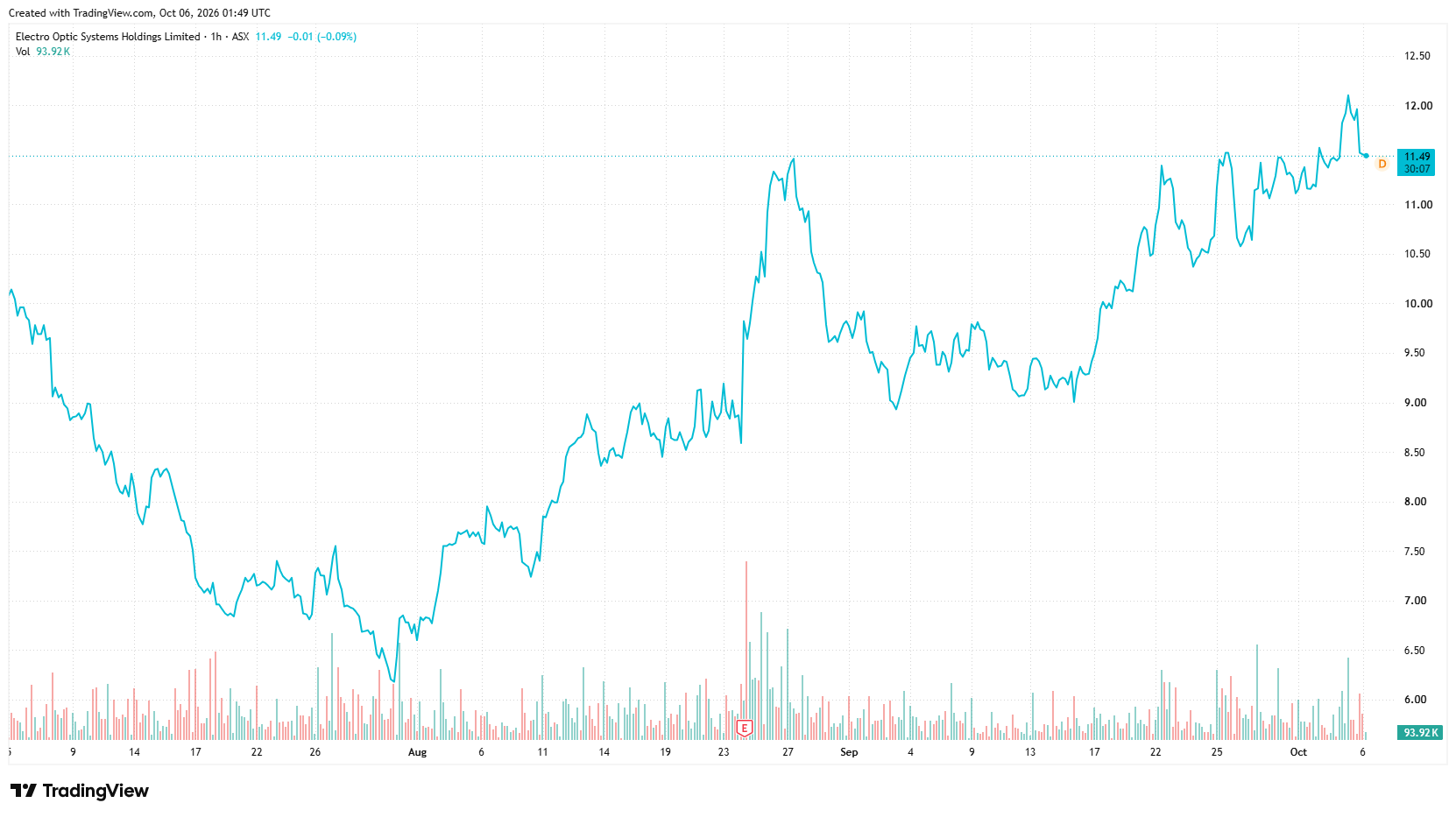
About Electro Optic Systems Holdings Ltd. Electro Optic Systems Holdings Limited engages in the development, manufacture, and sale of telescopes and dome enclosures, laser satellite tracking systems, remote weapon systems, and high laser weapon. It operates through Defense Systems and Space Systems segments. The company develops, manufactures, and markets fire control, surveillance, weapon systems, and high energy laser to military customers. It also provides passive optical and laser sensing equipment; optical, microwave and on-the-move radio and satellite products; and laser-based surveillance systems with space tracking capability. In addition, the company offers counter-drone, firepower, force protection, and UGV and marine lethality systems, as well as high energy laser weapon; optical tracking systems, space control, space domain awareness, satellite laser ranging, space sustainability, and precision optics. It operates in Australia, the United States, Singapore, the United Arab Emirates, the United Kingdom, New Zealand, the Netherlands, North America, Germany, and rest of Europe. Electro Optic Systems Holdings Limited was founded in 1983 and is based in Symonston, Australia. Source: EODHD Key Stats
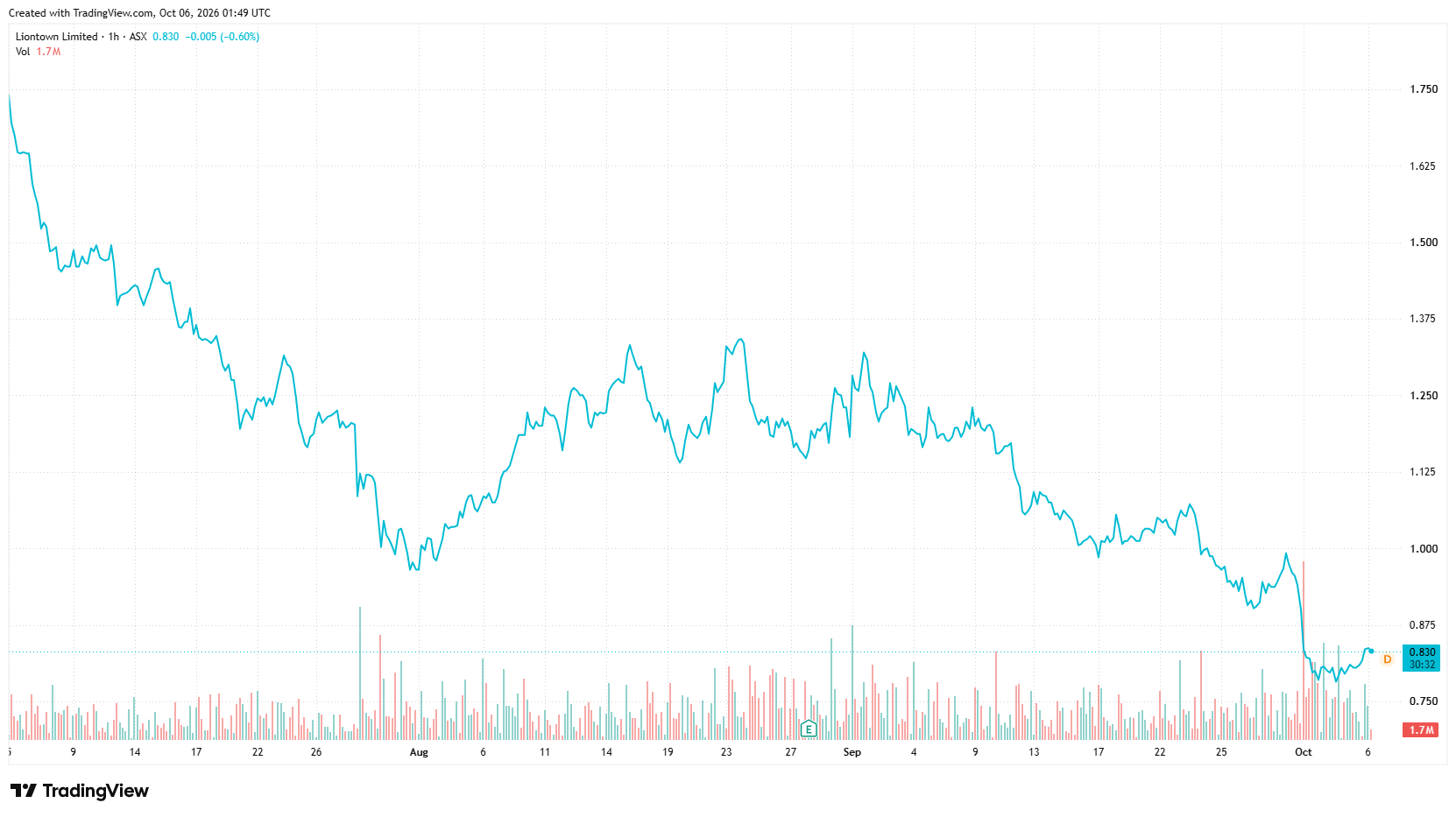
About Liontown Ltd. Liontown Limited engages in the exploration, evaluation, and development of mineral properties in Australia. It primarily explores for lithium, gold, and nickel deposits. The company's flagship property is the Kathleen Valley lithium project located in Perth, Western Australia. The company was formerly known as Liontown Resources Limited and change its name to Liontown Limited in November 2025. Liontown Limited was incorporated in 2006 and is headquartered in West Perth, Australia. Source: EODHD Key Stats
The RBA has raised rates to 4.60% as inflation pressures persist. Explore the impact of energy costs, AI demand and the key signals investors should watch next.

Discover how advances in genomics, AI, diagnostics and gene editing are creating a broader healthcare opportunity and where commercial value is emerging.

The AI trade is being forced to rethink the pace of progress. Here is what investors should watch across Nvidia, chips, AI spending, software and adoption.

Copper is at a record high, yet the global market still has a surplus. So where is all the copper, and why is it becoming harder to find?
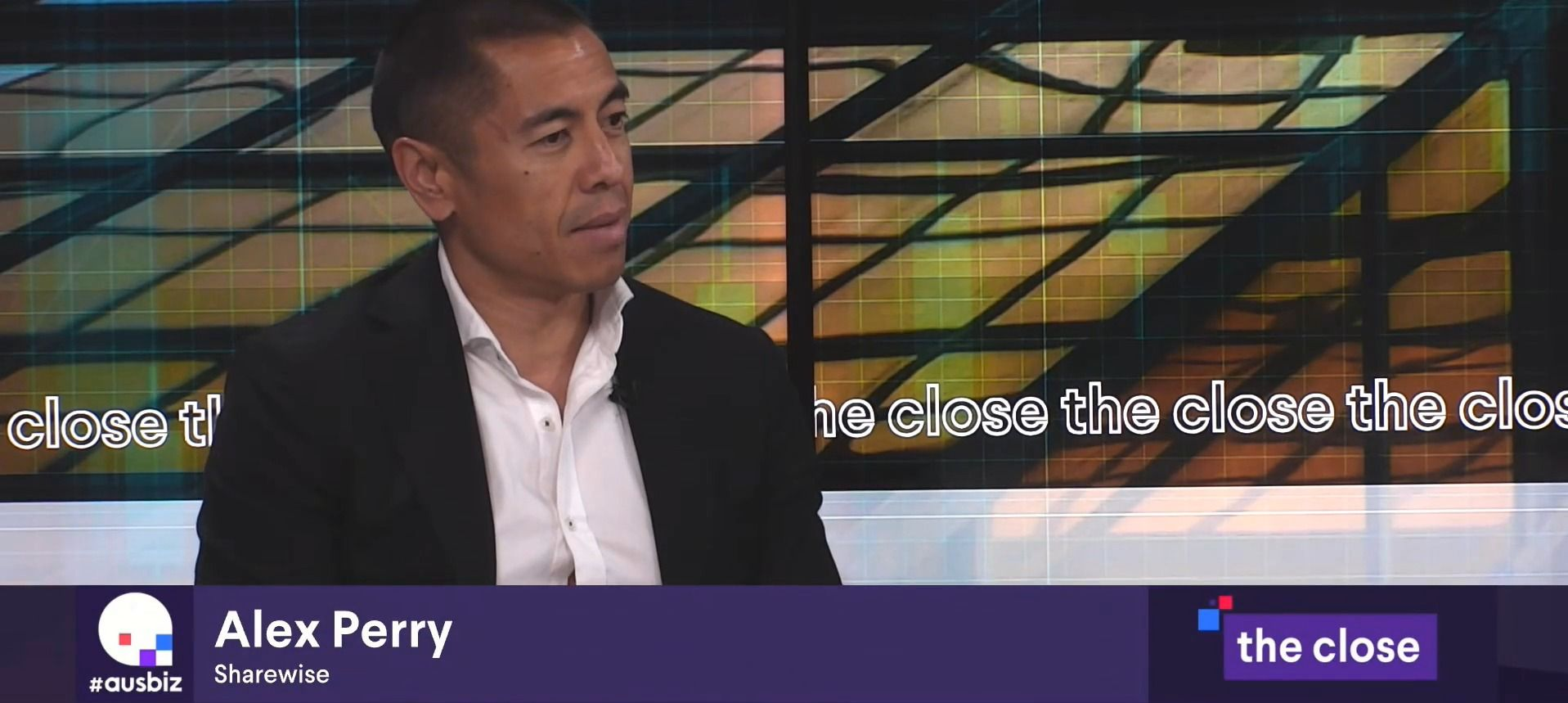
Sharewise CEO Alex Perry sat down with ausbiz to unpack how the platform approached FY26, a year in which it reported an ASX return of almost 11% and a US return above 32%. The conversation ranged from the AI infrastructure theme to specific names on Perry's radar in resources and quantum computing. Here's a rundown of the key points.
Warsh gave markets a framework, not a forecast. What his first Jackson Hole keynote means for inflation, rates, forward guidance and the outlook for equities.
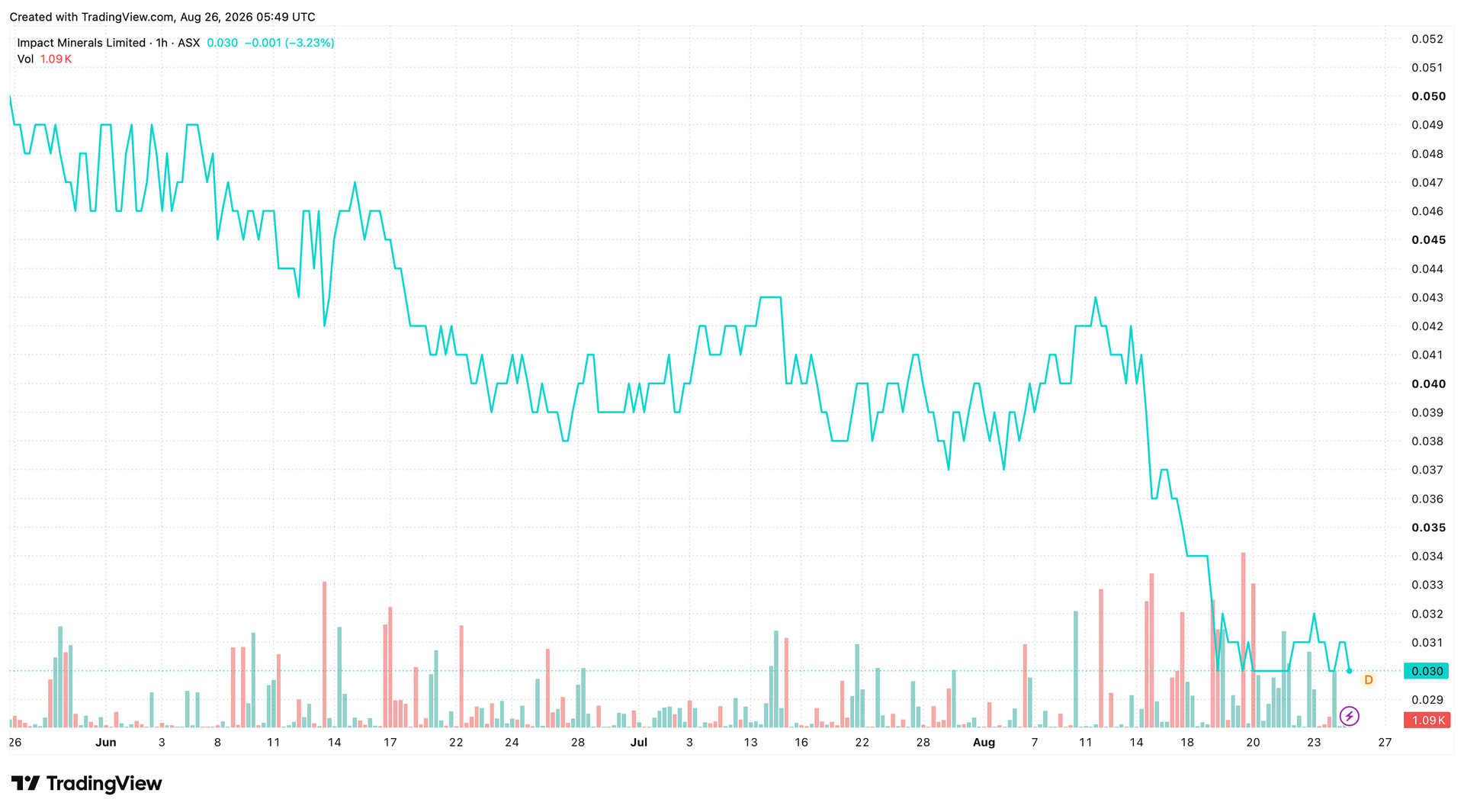
Get the latest on Impact Minerals (ASX: IPT), including stock performance, technical analysis, forecasts & key insights. See if IPO supports your goals.
