
Beyond Oil: The Food, Fertiliser, and Supply Chain Crisis Nobody Is Talking About

Three weeks into the US–Israel strikes on Iran, markets have responded in a familiar way, focusing on the most visible and measurable variable. Brent crude has moved above $100, energy earnings expectations are being revised higher, and tanker equities have rallied sharply. The energy trade is well understood, widely positioned, and increasingly reflected in current pricing.
What remains underpriced is the secondary shock building beneath the surface. While attention is centred on oil flows through the Strait of Hormuz, a parallel and more complex disruption is emerging in global fertiliser markets. Unlike oil, where strategic reserves exist, production can adjust, and substitution is possible to a degree, fertiliser markets lack these buffers. There are no meaningful reserves, limited spare capacity, and no substitute for the nutrients required to sustain crop yields.
Timing amplifies the risk. The Northern Hemisphere spring planting season runs from mid February through early May, placing farmers in the US, India, and across Asia in the middle of critical input decisions. These choices will determine harvest outcomes in the second half of 2026. The fertiliser shock is not a distant risk, but an immediate one. This distinction matters. Oil shocks can reverse, but missed planting windows cannot. The implications for food prices, agricultural earnings, and inflation across emerging markets are already forming, yet remain only partly reflected in equity markets.
Hormuz Is Not Just an Oil Story, It Is a Food Story
The Strait of Hormuz is widely recognised as a critical artery for global energy markets, accounting for roughly 20% of the world’s oil and gas flows. Its importance extends beyond energy. It is also a key transit route for global fertiliser supply, particularly urea, the most widely used nitrogen fertiliser. A significant share of traded fertiliser volumes moves through this corridor, making it central to the agricultural supply chain.
Since late February, disruptions have moved quickly through the system. Following attacks on LNG infrastructure, QatarEnergy halted production at the world’s largest urea facility after shutting down upstream gas supply. The effects have extended beyond the Gulf. India has reduced output across several domestic plants, while Bangladesh has shut down most of its fertiliser capacity. In the United States, seasonal availability is already tracking below typical levels for this time of year, highlighting how quickly supply constraints are emerging.
Price signals are beginning to reflect these pressures. Urea export prices from the Middle East have risen by approximately 40% within weeks, while benchmark markets have recorded even stronger gains. At the farm level, these increases are feeding directly into higher input costs, with producers already absorbing meaningful price rises.
Nitrogen fertilisers have little flexibility. Farmers can defer potash or phosphate for a season, but nitrogen must be applied each year to maintain yields. There is limited scope to delay or substitute without reducing output. Disruptions during the planting window have direct consequences. Missed application today translates into lower yields at harvest, linking current supply constraints to future food production.
This Is a Supply Chain Shock, Not Just a Commodity Shock
Understanding why this crisis is harder to resolve than a typical commodity spike requires a clear distinction. A commodity shock is a pricing issue. Buyers pay more, producers benefit, and the market rebalances through demand adjustment, supply response, and time. The fertiliser shock in 2022 broadly followed this pattern. It was disruptive, but manageable through rerouting and alternative sourcing.
The current disruption is different because it is a supply chain shock. The issue is not only price, but physical movement. Fertiliser is becoming harder to transport. There are no viable alternatives capable of handling the bulk volumes produced in the Persian Gulf. Infrastructure designed to bypass the Strait is limited to oil, while alternative ports and routes have also faced disruption. The corridor is not congested or expensive. It is constrained.
A further layer of complexity lies in sulphur, a key input used to convert phosphate rock into usable fertiliser. Without it, phosphate production cannot proceed regardless of resource availability. As sulphur supply tightens, pressure is building across phosphate markets, with downstream effects expected to become more visible as seasonal demand increases.
This shock is highly interconnected. Countries reliant on fertiliser imports are directly exposed, and in some cases this feeds into global agricultural supply chains. Disruptions in one region can reduce crop yields elsewhere, with effects flowing through to food production, trade, and pricing. The transmission mechanism is already underway, suggesting markets may be underestimating both scale and duration.
Policy Constraints Limit the Effectiveness of a Response
Investors looking to policy as a solution should consider the limits of what can be done. The core issue is structural. Unlike oil markets, where governments can release reserves to stabilise supply, there is no equivalent for fertilisers. There are no stockpiles of urea or ammonia available for emergency use, and building such capacity is not a near-term option.
Current policy responses reflect these limits. Measures such as suspending tariffs may reduce costs at the margin, but they do not address the underlying issue of constrained supply. When product cannot move through key routes, pricing measures have limited effect.
Logistics add further constraints. Transporting fertiliser through an active conflict zone is difficult, especially when higher-value cargo such as oil takes priority. Shipping decisions are driven by risk and return, and fertiliser ranks lower on that scale. Insurance, security, and capacity constraints all work against timely delivery.
The global safety net is also weaker than in previous cycles. International support systems that helped absorb earlier shocks are now more limited. Countries reliant on imports have fewer buffers available to manage supply disruptions.
Policy is unlikely to resolve the issue within the current planting window. Government responses operate over longer timelines, while agricultural decisions are being made now. This gap increases the likelihood that current disruptions translate directly into lower output and more persistent inflation.
Investment Implications: Where Markets Have Not Yet Caught Up
The investment opportunity lies in recognising that this is not simply an energy-driven event, but a multi-quarter disruption to agricultural supply that remains underappreciated in current market pricing.
Agricultural commodities are tightening into H2 2026.
Reduced fertiliser application during the planting window is likely to lower yields, particularly for nitrogen-intensive crops such as corn. Wheat and rice face similar pressures across fertiliser-dependent regions. This reflects constrained inputs rather than speculation. With inventories already tight, even modest yield declines could drive significant price movements.
Fertiliser and input producers gain sustained pricing support.
Supply is slow to respond, with limited capacity to increase production in the near term. This supports margins beyond the initial disruption. Producers with access to low-cost feedstock, particularly natural gas, are advantaged relative to higher-cost or disrupted regions. Earnings expectations have not fully adjusted to this dynamic.
Margin pressure across food and consumer value chains is building.
Higher input costs at the farm level are unlikely to be fully passed through, particularly in price-sensitive markets. The impact will emerge with a lag, moving from crop yields to commodity prices, then into processors and retailers. Companies with limited pricing power or exposure to spot input costs face the greatest risk, while those with stronger cost control or contractual protection are better positioned.
Emerging market vulnerability remains underappreciated.
Countries reliant on imported fertiliser and food face simultaneous cost and availability pressures, with limited fiscal capacity to absorb the shock. The likely result is higher food inflation, currency pressure, and strain on subsidy systems. These risks are not fully reflected in current market pricing, particularly in regions where food represents a large share of household expenditure.
Outlook and Strategic Considerations
The current market narrative remains centred on energy, but the more persistent risk is emerging within the global food system. What begins as a disruption in fertiliser supply is already feeding through to agricultural production, trade flows, and inflation. The challenge is not visibility, but timing. The most significant effects will emerge with a lag, which explains why they remain underrepresented in current pricing.
This is not a typical commodity cycle that resolves through higher prices and supply response. It is a system-level disruption where constraints on movement, limited policy tools, and tight capacity extend the duration of the shock. Once planting decisions are made, outcomes are largely fixed. The adjustment then moves downstream, from crop yields to food prices and broader economic effects.
For investors, the focus should be on what is still developing rather than what is already visible. Agricultural commodities, fertiliser producers, and supply-constrained inputs offer the most direct exposure. Food value chains and import-dependent economies face increasing pressure. The divergence across sectors and regions is likely to widen as the effects become clearer.
Markets have priced the first-order shock. The second-order effects are still building. Recognising that distinction, and acting early, will shape performance in the quarters ahead.
To explore how we are positioning for this environment, click
here to access our Wartime Portfolio.
Subscribe to our newsletter
Disclaimer: This article does not constitute financial advice nor a recommendation to invest in the securities listed. The information presented is intended to be of a factual nature only. Past performance is not a reliable indicator of future performance. As always, do your own research and consider seeking financial, legal and taxation advice before investing.
Speak to an Advisor

Discover how advances in genomics, AI, diagnostics and gene editing are creating a broader healthcare opportunity and where commercial value is emerging.

The AI trade is being forced to rethink the pace of progress. Here is what investors should watch across Nvidia, chips, AI spending, software and adoption.

Copper is at a record high, yet the global market still has a surplus. So where is all the copper, and why is it becoming harder to find?
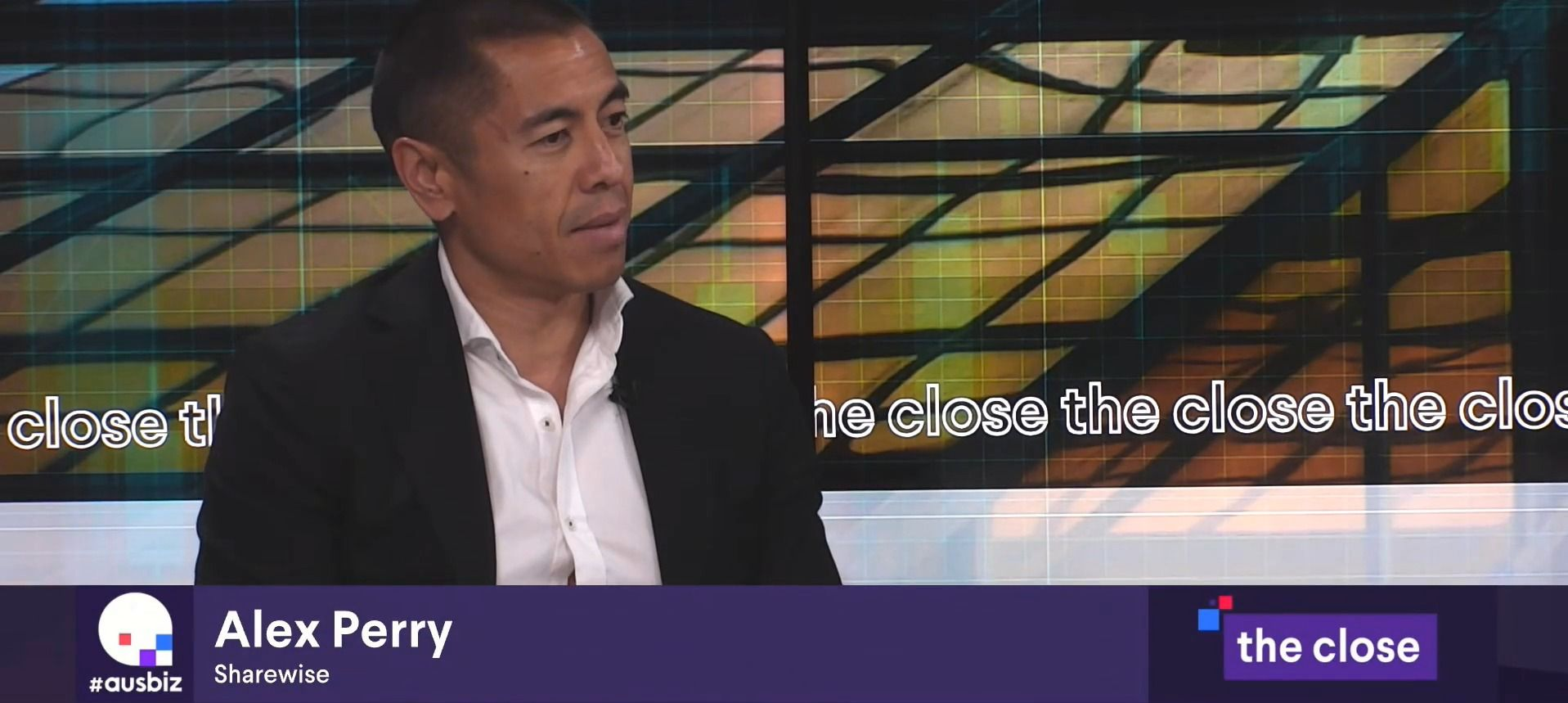
Sharewise CEO Alex Perry sat down with ausbiz to unpack how the platform approached FY26, a year in which it reported an ASX return of almost 11% and a US return above 32%. The conversation ranged from the AI infrastructure theme to specific names on Perry's radar in resources and quantum computing. Here's a rundown of the key points.

Warsh gave markets a framework, not a forecast. What his first Jackson Hole keynote means for inflation, rates, forward guidance and the outlook for equities.
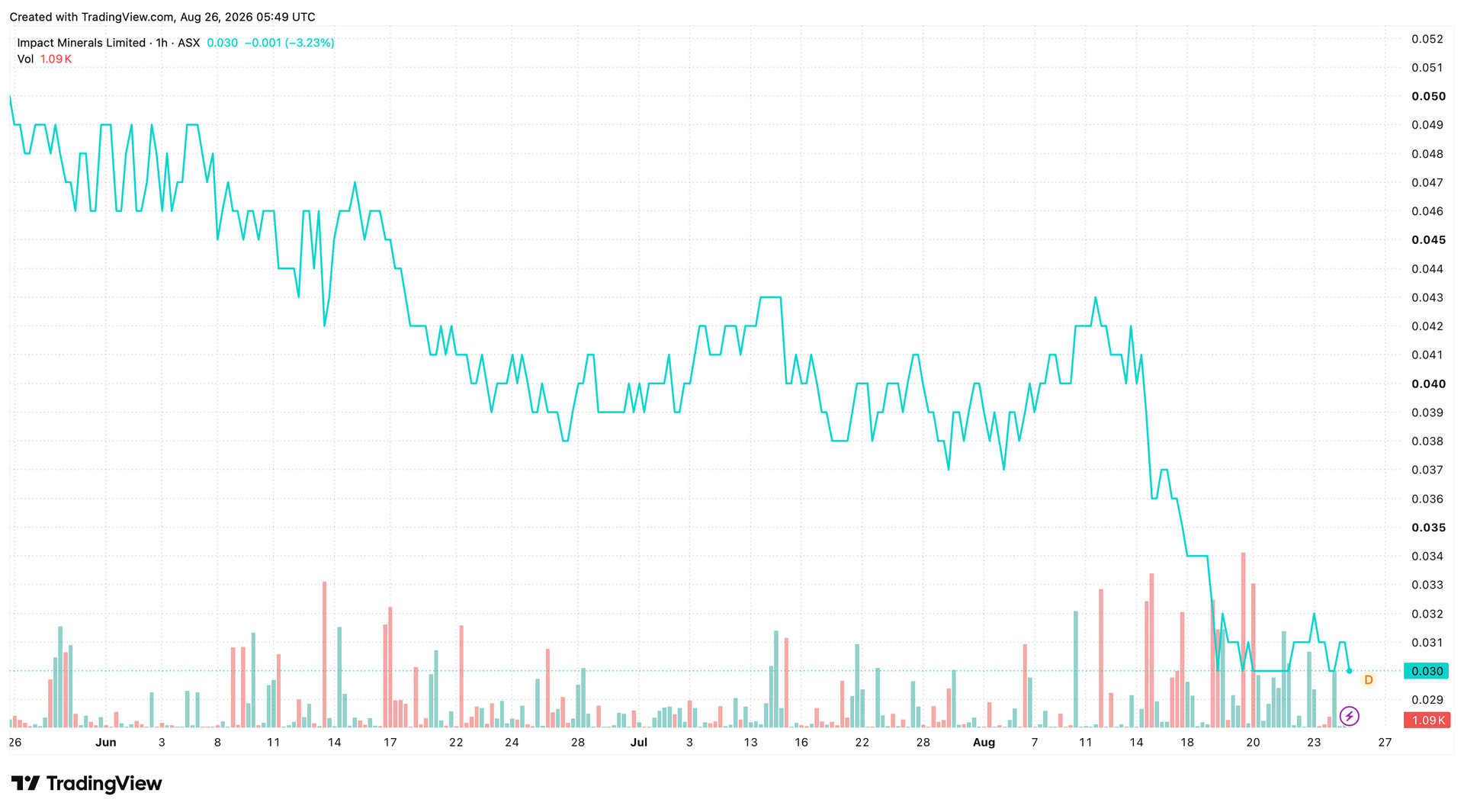
Get the latest on Impact Minerals (ASX: IPT), including stock performance, technical analysis, forecasts & key insights. See if IPO supports your goals.
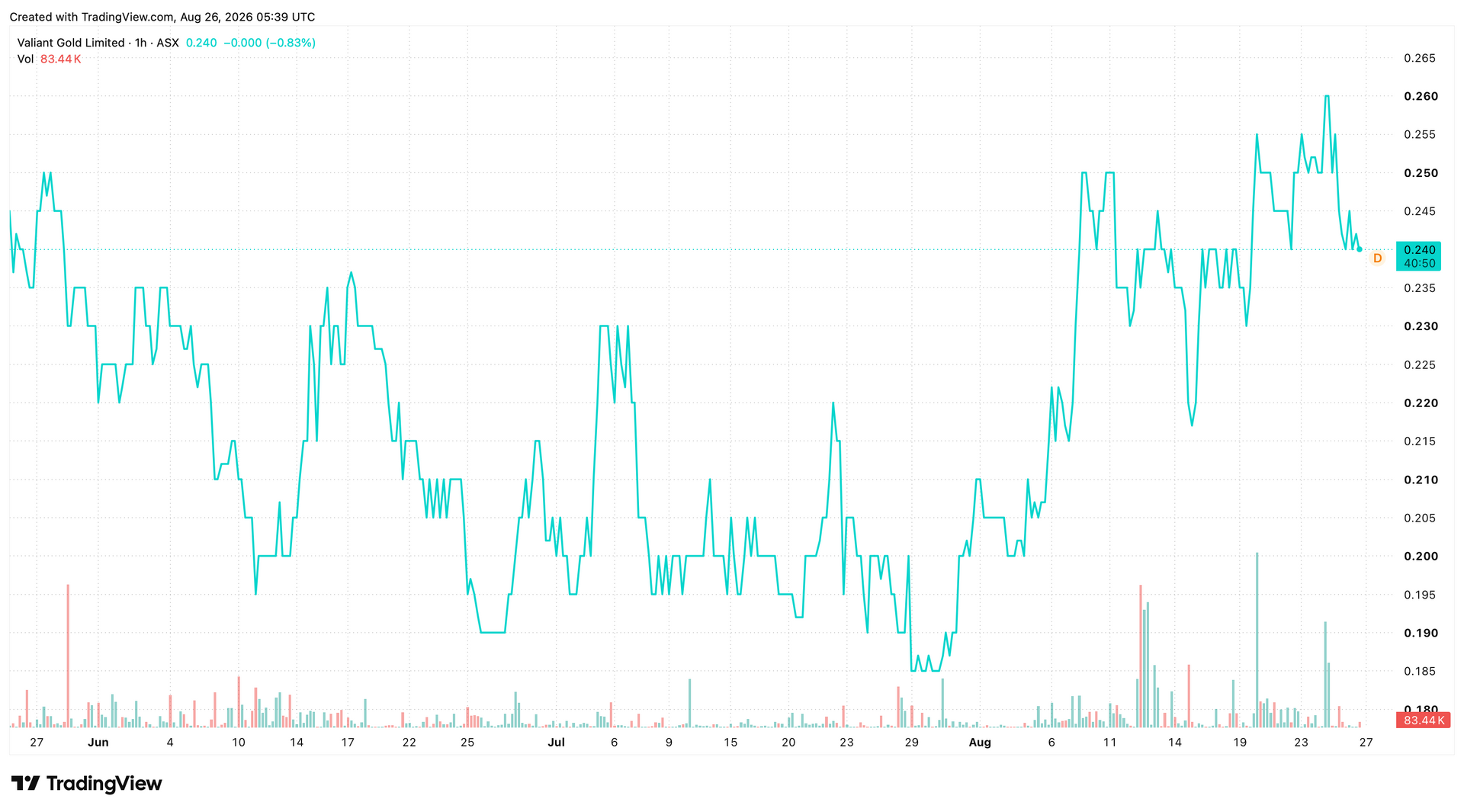
Get the latest on Valiant Gold (ASX: VAL) with our share price, technical analysis, forecasts & key insights. See if this ASX gold stock fits your investment goals.
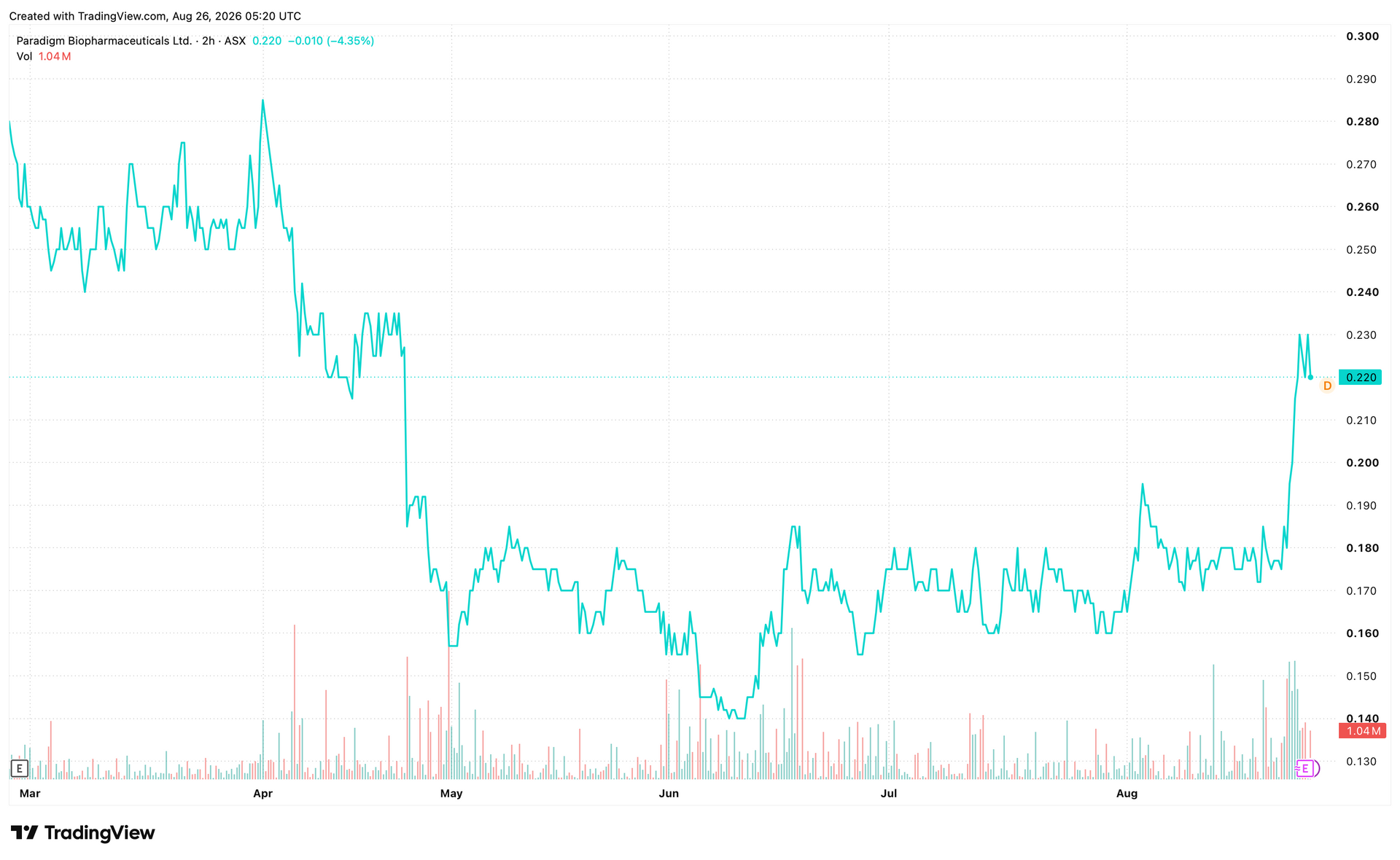
Learn about Percheron Therapeutics (ASX: PER). Offering share price, technical analysis, forecasts & insights. See if this ASX biotech stock fits your goals.

Brent crude hits US$91 as US-Iran talks stall and Strait of Hormuz disruption persists. What's driving the move and what comes next for oil

The RBA holds rates at 4.35% as inflation remains elevated. Here’s what the August decision means for the Australian economy, markets and key sectors.
