
Building a Wartime Portfolio: Positioning for Persistent Geopolitical Risk

There is a version of the current Iran conflict that markets are comfortable with. In that version, disruption in the Strait of Hormuz is temporary. Oil spikes, volatility rises, and then diplomacy, deterrence, or exhaustion restores equilibrium. Portfolios absorb the drawdown, the dip is bought, and the prevailing narrative of the past three decades holds, that geopolitical events are noise rather than signal.
That framework is becoming increasingly difficult to sustain. The Hormuz disruption is not an isolated event, but part of a broader shift in the global risk environment. Since 2022, markets have absorbed a land war in Europe, a reconfiguration of global energy trade, the use of supply chains as instruments of statecraft, and now an active conflict affecting one of the world’s most critical maritime chokepoints. Each event has been treated as temporary. Taken together, they point to a new baseline.
This shift has significant implications for portfolio construction. Investors remain positioned for resolution, not persistence. The assumption that geopolitical shocks are short-lived continues to underpin asset allocation, despite growing evidence that supply disruption, trade fragmentation, and strategic competition are becoming embedded features of the system.
The distinction between event risk and structural change is critical. Event risk is mean-reverting and can be managed with tactical hedges. Structural change requires a different response. It demands a reassessment of what constitutes a resilient portfolio. The investors who outperform will not be those who react fastest to individual events, but those who recognise early that the portfolio built for the world of 2015 is no longer suited to the conditions of 2026.
Why Traditional Portfolios Break Under Geopolitical Stress
The traditional 60/40 portfolio is not simply an allocation model, but a set of embedded assumptions about how the world functions. It assumes inflation is stable enough for bonds to act as a hedge against equity drawdowns. It assumes global supply chains are efficient and resilient, keeping input cost shocks contained. It assumes policy settings are predictable enough to anchor valuations. In a stable geopolitical environment, these assumptions hold. In the current environment, they are increasingly unreliable.
Recent market behaviour has exposed these weaknesses. Supply-driven inflation, particularly from energy, food, and logistics disruptions, has created periods where equities and bonds decline together. Rising input costs compress margins and weigh on growth, while central banks are constrained in their response, tightening policy into a slowing environment. When both the growth and inflation hedges in a portfolio are compromised at the same time, the core logic of diversification begins to break down.
This environment introduces a second layer of risk through valuation sensitivity. Growth-oriented equities, particularly in the technology sector, are highly exposed to higher rates, weaker consumer demand, and reduced earnings visibility. These assets have driven returns over the past decade, but they are also among the most vulnerable in a period defined by supply shocks and geopolitical uncertainty.
The required adjustment is not a simple rotation between asset classes. It is a shift in framework. Portfolios built for efficiency in a stable world are not designed for persistent disruption. In a regime shaped by geopolitical stress, resilience, flexibility, and exposure to real assets become more important than optimisation.
How Geopolitical Risk Transmits Through Markets
To build a portfolio that is resilient to geopolitical stress, it is essential to understand how shocks move through markets over time. These events do not impact asset prices in a single step. They unfold through a sequence of transmission channels, each with different timing and levels of market visibility.
The
first-order effects are immediate and highly visible. Energy markets react quickly to disruption, particularly when critical trade routes are affected. Oil prices rise, tanker rates increase, and energy and defence equities re-rate. These moves are real, but they are also rapidly priced. In most cases, investors entering these trades after the initial move are responding to information that is already reflected in market pricing.
The
second-order effects develop more gradually and tend to be less crowded. Higher energy costs feed into fertiliser production, which affects agricultural input availability, crop yields, and ultimately food prices. At the same time, supply chain disruption flows through logistics, manufacturing, and inventory cycles across sectors with no direct exposure to the initial shock. These effects are slower to appear in market data, but they are often more persistent and less fully priced.
The
third-order effects are the most delayed
and the most enduring. Sustained cost pressures move into consumer prices, influencing monetary policy, discount rates, and earnings across the broader market. Margin compression becomes visible in sectors such as food, consumer staples, and manufacturing, while emerging markets face pressure from higher import costs and tighter financial conditions. These dynamics unfold over multiple quarters and are rarely reflected in pricing at an early stage.
Markets tend to price the first layer quickly, while underestimating the scale and duration of the second and third. For investors, the opportunity lies in aligning portfolios with this sequence. Core exposure to first-order beneficiaries may already be established, but the more compelling positioning sits in second-order themes and in preparing for third-order consequences before they are widely recognised.
Core Principles of a Wartime Portfolio
A wartime portfolio is not built for efficiency in stable conditions, but for resilience under uncertainty. The objective is not to predict a single outcome, but to perform across a range of scenarios, including escalation, prolonged tension, and de-escalation.
The first principle is
resilience over optimisation. Portfolios built for one outcome are fragile. In a geopolitical environment, exposure must be structured across multiple scenarios, not just diversified by asset class.
The second is
exposure to scarce, non-substitutable inputs. Assets such as energy, agricultural commodities, and defence systems derive pricing power from supply constraints, making them more resilient during disruption.
The third is asymmetry over precision. The goal is not to be exactly right, but to position where upside outweighs downside. Defensive shorts and hedges are active allocations that shape outcomes.
The fourth principle is
liquidity and optionality. Cash is not a residual allocation, but a strategic asset. The ability to deploy capital quickly into confirmed opportunities, without being forced to exit existing positions at unfavourable levels, is a source of return. A deliberate cash buffer provides both protection and flexibility in a rapidly evolving environment.
Together, these principles define a portfolio structured for disruption rather than stability.
From Framework to Execution: Structuring the Portfolio
Translating these principles into a portfolio requires a structure that is both directional and adaptive. The objective is not to position for a single outcome, but to remain effective across multiple scenarios, including escalation, stalemate, and de-escalation.
At the centre of this framework is a simple governing logic:
Oil funds the war. Shorts hedge the peace. Cash buys the next move.
Each component serves a distinct role. Energy exposure captures the immediate impact of supply disruption and drives returns in an escalation scenario. Short positions provide protection when broader markets weaken or when energy trades retrace during de-escalation. Cash preserves capital while offering the flexibility to deploy into opportunities as clearer signals emerge.
This is not a directional bet on escalation. It is a multi-scenario design that acknowledges uncertainty and builds it into the portfolio. The goal is to generate acceptable outcomes across a range of conditions, while retaining the ability to capture stronger returns as higher-probability scenarios begin to materialise.
Key Exposures: Where the Portfolio Is Positioned
Energy - The Core Allocation (35%)
Energy is the primary transmission mechanism of geopolitical disruption and remains the highest-conviction allocation. The Strait of Hormuz carries a significant share of global oil and gas flows, meaning any sustained disruption directly impacts supply balances. Integrated majors provide leverage to elevated oil prices, while LNG-focused producers offer additional upside in a prolonged disruption scenario. The allocation is diversified across regions and currencies to maintain thematic exposure while limiting concentration risk.
Short ETFs - Downside Protection (20%)
The short sleeve is not a hedge against the core thesis failing, but an independent allocation with its own return logic. Rate-sensitive indices, particularly technology-heavy benchmarks, are vulnerable to the combination of energy-driven inflation and the policy response that follows. Inverse positions across major equity markets provide protection against broad drawdowns and help offset any retracement in energy positions during de-escalation scenarios.
Cash - Strategic Optionality (30%)
Cash is the largest single allocation and reflects liquidity as a core strategy. It preserves capital in volatile or weakening market conditions while providing the flexibility to deploy into high-conviction opportunities as clearer signals emerge. This allocation is actively managed and deployed only when conditions justify it, ensuring capital is not forced into uncertain environments.
Wartime Commodities - The Second-Order Trade (5%)
Exposure to food and fertiliser captures second-order effects that develop with a lag. These positions are less dependent on immediate energy price movements and reflect the downstream impact of supply disruption on agricultural production. Their behaviour differs from energy, providing diversification in scenarios where the initial shock stabilises but its consequences continue to build.
Satellite Exposures - Asymmetric and Thematic (10%)
Smaller allocations provide targeted exposure to structural themes. Defence reflects sustained increases in military spending, uranium captures the shift toward energy security, cybersecurity addresses escalation risk in the digital domain, and tanker exposure offers short-duration leverage to freight rate dislocation. These positions are sized to contribute meaningfully without dominating overall portfolio risk.
Positioning Ahead of the Market
Markets continue to respond to geopolitical shocks by pricing what is visible and immediate while deferring what is complex and delayed. Energy has already repriced. The second and third-order effects have not. The gap between what is visible and what is reflected in asset prices is where the opportunity lies.
The persistence of these shocks is being underestimated. Supply constraints across fertiliser, food, and logistics are building through mechanisms that operate over quarters. Structural shifts in defence spending and energy security represent multi-year capital cycles that remain in their early stages. These dynamics are not fully reflected in consensus earnings or sector valuations.
Performance will not come from reacting to what is already priced. It will come from positioning for what is still developing and maintaining the structure to hold that positioning through volatility and shifting headlines.
The Wartime Portfolio is the practical expression of this framework, comprising 20 positions across 8 themes, 5 exchanges, and 6 countries. It is structured for escalation, stalemate, and de-escalation, with defined deployment triggers and a 30% cash buffer to preserve flexibility as conditions evolve. Access the full report by clicking
here.
Disclaimer:
Sharewise Group Pty Ltd (ABN 22 664 471 247) is a Corporate Authorised Representative (No. 001302760) of Sharewise Compliance and Administration Pty Ltd (AFS License No. 280420).
This publication has been prepared by Sharewise and is of a general nature only. It does not constitute personal financial advice and does not take into account your objectives, financial situation, or needs. You should consider the appropriateness of the information and seek independent advice before acting. Trading in stocks and other securities carries risks, including the potential loss of your invested capital. The market is subject to various factors that can impact the value and performance of securities. We do not guarantee the performance or returns of any investments or financial products mentioned, and past performance is not a reliable indicator of future performance. Any investment decisions you make are your own responsibility and you should consider seeking professional advice before making any financial decisions. While we make every effort to ensure accuracy, Sharewise cannot guarantee the completeness, accuracy, or timeliness of the information and assumes no responsibility for any errors or omissions.
Subscribe to our newsletter
Disclaimer: This article does not constitute financial advice nor a recommendation to invest in the securities listed. The information presented is intended to be of a factual nature only. Past performance is not a reliable indicator of future performance. As always, do your own research and consider seeking financial, legal and taxation advice before investing.
Speak to an Advisor

Discover how advances in genomics, AI, diagnostics and gene editing are creating a broader healthcare opportunity and where commercial value is emerging.

The AI trade is being forced to rethink the pace of progress. Here is what investors should watch across Nvidia, chips, AI spending, software and adoption.

Copper is at a record high, yet the global market still has a surplus. So where is all the copper, and why is it becoming harder to find?
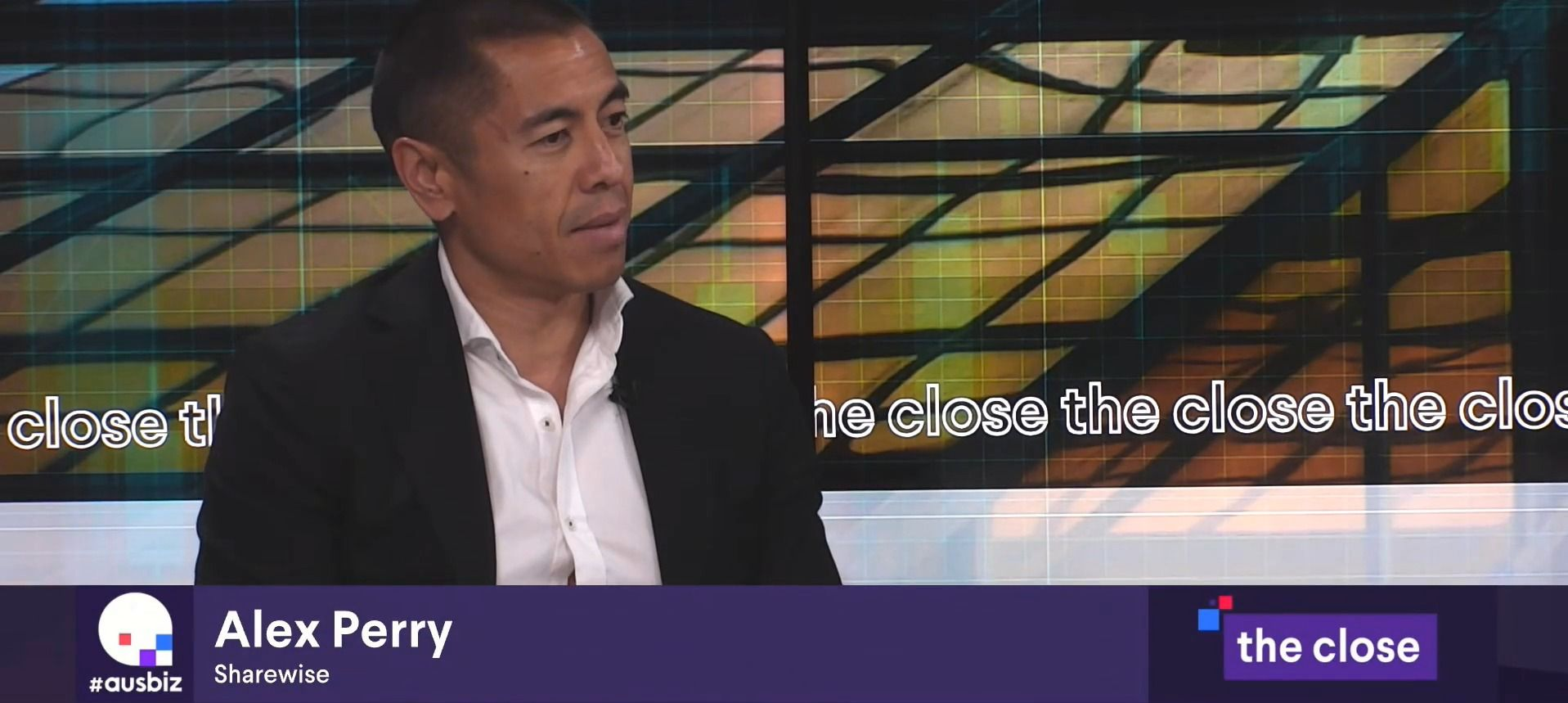
Sharewise CEO Alex Perry sat down with ausbiz to unpack how the platform approached FY26, a year in which it reported an ASX return of almost 11% and a US return above 32%. The conversation ranged from the AI infrastructure theme to specific names on Perry's radar in resources and quantum computing. Here's a rundown of the key points.
Warsh gave markets a framework, not a forecast. What his first Jackson Hole keynote means for inflation, rates, forward guidance and the outlook for equities.
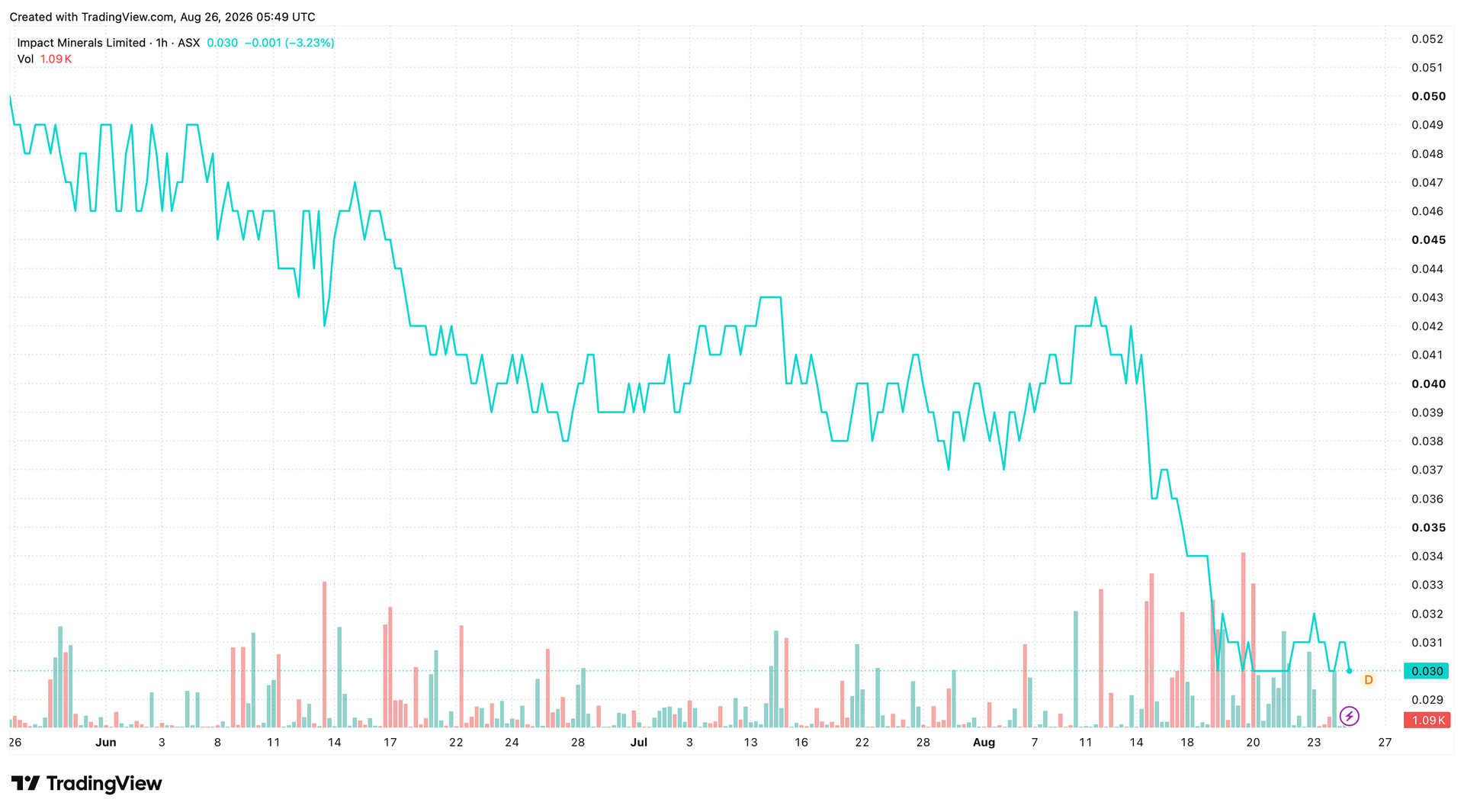
Get the latest on Impact Minerals (ASX: IPT), including stock performance, technical analysis, forecasts & key insights. See if IPO supports your goals.
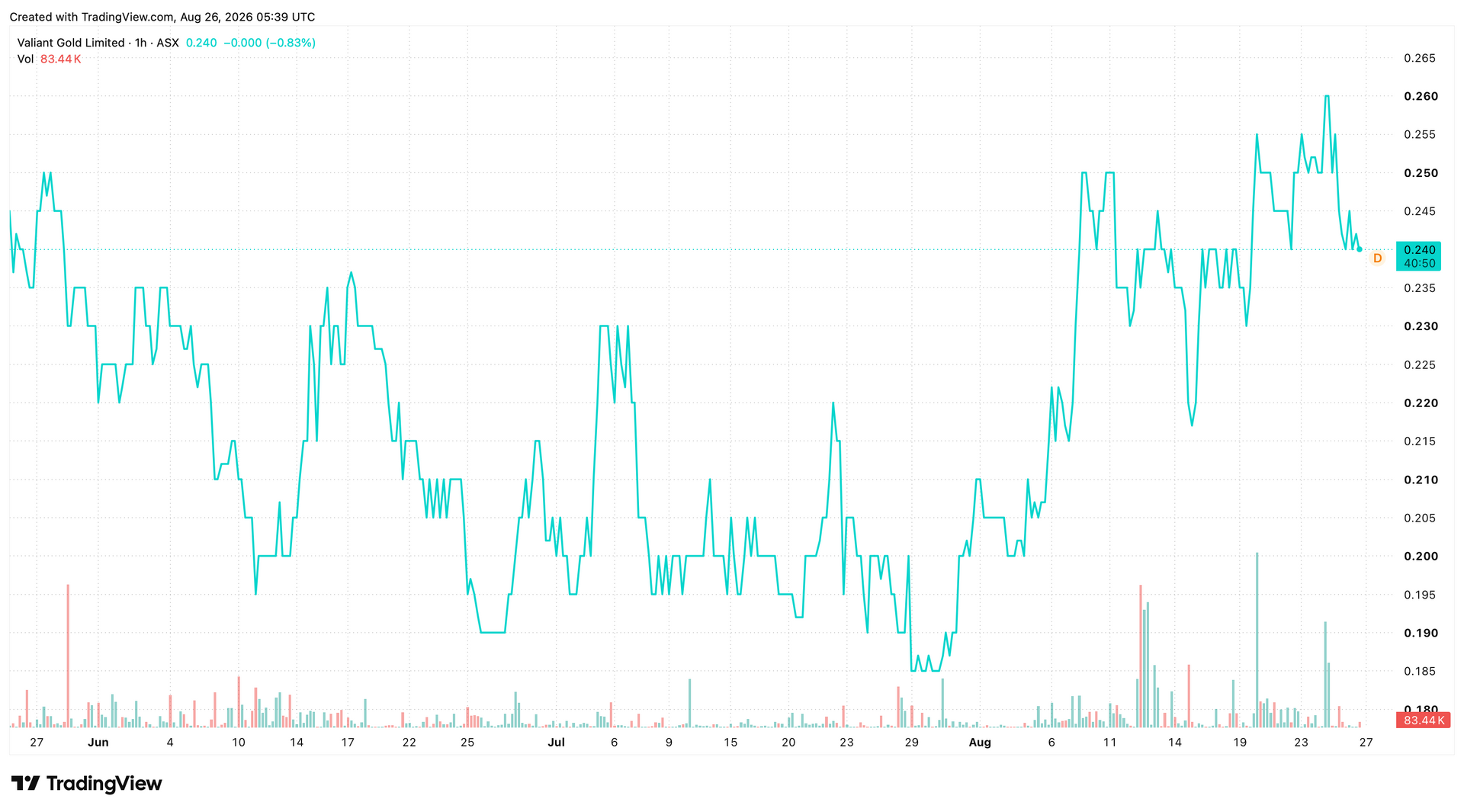
Get the latest on Valiant Gold (ASX: VAL) with our share price, technical analysis, forecasts & key insights. See if this ASX gold stock fits your investment goals.
Learn about Percheron Therapeutics (ASX: PER). Offering share price, technical analysis, forecasts & insights. See if this ASX biotech stock fits your goals.

Brent crude hits US$91 as US-Iran talks stall and Strait of Hormuz disruption persists. What's driving the move and what comes next for oil
The RBA holds rates at 4.35% as inflation remains elevated. Here’s what the August decision means for the Australian economy, markets and key sectors.
