
Australia's Fuel Excise Cut: What It Signals for Inflation, Rates and Equities

Fuel Excise Cut: Short-Term Relief or a New Policy Risk for Markets?
Prime Minister Anthony Albanese announced that the Australian Government will halve the fuel excise on petrol and diesel for a three-month period, effective from 1 April to 30 June. The measure is expected to reduce fuel prices by 26.3 cents per litre, equating to a saving of roughly AUD 19 on a standard 65-litre tank. In addition, the heavy vehicle road user charge will be reduced to zero over the same period, with the next scheduled increase deferred by six months.
The package is estimated to cost the federal budget approximately AUD 2.55 billion. It forms part of a broader four-stage National Fuel Security Plan, with Australia currently elevated to stage two, described as “keep Australia moving”. Alongside the excise reduction, the government has released 20% of national fuel reserves, increased penalties for price gouging, secured a supply agreement with Singapore, and directed the Australian Competition and Consumer Commission (ACCC) to intensify fuel price monitoring.
For households, the policy provides immediate and tangible relief. For investors, its significance lies in what it signals. This marks the second fuel excise intervention in four years, underscoring the scale of current energy pressures. More importantly, it represents a direct macroeconomic intervention with implications for inflation measurement, the Reserve Bank of Australia’s policy outlook, fiscal positioning, and sector-level earnings across the ASX.
Inflation Optics Versus Inflation Reality
At first glance, the excise cut is disinflationary. Lower fuel prices will flow directly into the Consumer Price Index (CPI), the primary measure of inflation, creating the appearance of easing price pressures in the near term. Given the weight of fuel in the basket, this mechanical effect could be meaningful in upcoming readings and may support short-term market sentiment.
The underlying dynamics are more complex. By increasing household disposable income, the policy introduces a modest stimulus at a time when the economy remains constrained. Lower fuel costs can support consumption at the margin, particularly in discretionary categories, sustaining demand that the Reserve Bank of Australia (RBA) is attempting to moderate. This creates a clear tension between fiscal support and monetary restraint.
The result is a divergence between headline and underlying inflation. While CPI may soften temporarily, core measures could remain elevated or reaccelerate. Trimmed mean inflation, the RBA’s preferred gauge, was running at 3.3% in the 12 months to February, above the 2–3% target band, and this preceded the late-February oil shock. The March CPI release on 29 April, just ahead of the RBA’s 5 May meeting, will provide the first meaningful read on these pressures.
For markets, this distinction is critical. Headline improvement may mask persistent inflation, complicating expectations for policy. Westpac estimates headline inflation could reach 5.5% by mid-2026, while the Treasurer has indicated it may approach 5% this year. The excise cut may smooth near-term data, but underlying pressures remain intact.
A Familiar Playbook: Lessons from the 2022 Excise Cut
This is not the first time an Australian government has implemented fuel excise relief in response to an energy shock. In March 2022, the Morrison Government halved the fuel excise by 22 cents per litre for six months following the surge in oil prices linked to Russia’s invasion of Ukraine. The sequence that followed provides a clear reference point.
The initial impact was predictable. Fuel prices declined, and the fuel component detracted from headline CPI in the June quarter, creating a temporary signal of easing inflation. The RBA acknowledged this effect, noting that lower fuel prices would weigh on headline inflation if sustained. The effect proved temporary.
When the excise cut expired in September, fuel prices adjusted higher, contributing to a rebound in headline CPI in the December quarter. The RBA highlighted this reversal, attributing it largely to the unwinding of the tax relief. Markets that had interpreted earlier inflation prints as a turning point were forced to reassess.
The more important observation is that underlying inflation was unaffected. Trimmed mean inflation continued to rise during the excise cut period, reaching 6.1%, the highest level since 1990. Over the same period, the RBA increased the cash rate at every meeting, from 0.10% in April to 3.10% by December. The policy did not alter the inflation trajectory or the direction of monetary policy.
Interest Rates: A More Complex Path for the RBA
The RBA faces an increasingly complex policy environment. The cash rate stands at 4.10%, with markets pricing a further 70 basis points of tightening through 2026. This implies a terminal rate near 4.80%, a level that would place increasing pressure on households and the broader economy.
The excise cut adds to this complexity. While it may reduce headline inflation in the short term, it also supports household spending, acting as a modest fiscal stimulus. If consumption proves resilient or inflation expectations remain elevated, the RBA may have limited scope to ease policy.
Inflation expectations are a key consideration. The Melbourne Institute measure has risen to 6.9%, the highest level since the pandemic. At these levels, the RBA is unlikely to shift its stance based on short-term improvements in headline CPI. Maintaining credibility requires anchoring expectations, even if that means keeping policy restrictive.
For investors, this reinforces the prevailing rate environment. Fixed income markets are likely to remain volatile as they balance slowing growth against persistent inflation. Equity valuations, particularly in growth sectors, remain sensitive to discount rates. The excise cut does little to alter the broader trajectory of monetary policy.
Sector Impacts on the ASX: Marginal Gains, Uneven Outcomes
From an equity perspective, the impact of the excise cut is incremental rather than transformative. Consumer discretionary and transport sectors are the most direct beneficiaries. Lower fuel costs ease pressure on household budgets, which may support spending at the margin. Retailers could see modest relief, while logistics and freight operators benefit from reduced input costs, including the suspension of the heavy vehicle charge. Airlines may see improved cost dynamics depending on pricing behaviour.
Energy producers such as Woodside, Santos and Beach Energy remain largely unaffected by the policy itself. Their earnings are driven by global oil prices, which remain elevated. Historical precedent suggests caution. During the 2008 cycle, Woodside’s share price declined more than 50% as oil prices reversed sharply, highlighting the cyclical nature of the sector.
There are also areas of relative pressure. Lower petrol prices may reduce the urgency of transitioning to electric vehicles, creating a modest headwind for renewables. Rate-sensitive sectors such as REITs and growth equities remain driven by interest rate expectations rather than fuel costs. A weaker Australian dollar adds complexity, increasing imported inflation while supporting unhedged global exposures.
The Fiscal Trade-Off: Relief Today, Constraints Tomorrow
The estimated AUD 2.55 billion cost of the package is material, particularly ahead of a federal budget expected to show a weaker position. ANZ forecasts GDP growth of 1.3% in 2026, implying softer tax revenues. Iron ore prices are easing alongside China’s slowdown, with every AUD 10 per tonne decline reducing revenue by approximately AUD 500 million. Defence spending is also rising, placing further pressure on the budget.
Fuel excise remains a meaningful revenue source. Reducing it while deficits are widening raises questions around fiscal sustainability. If further measures are required, the cumulative cost could increase significantly. Bond markets may begin to reflect fiscal risk alongside inflation risk, influencing government bond yields and spreads.
The deeper issue is structural. Australia imports around 90% of its liquid fuel and operates only two domestic refineries. The excise cut reduces prices but does not address supply vulnerability. Localised shortages have already emerged, and the risk of disruption remains elevated.
What This Means for Investors
From an investment perspective, the fuel excise cut reinforces several core themes shaping markets in 2026.
First, inflation remains structurally complex. Temporary policy measures may influence headline data, but underlying pressures are more persistent and harder to address.
Second, monetary policy is increasingly constrained by fiscal decisions. The interaction between the two is becoming a key driver of market outcomes, particularly in interest rate-sensitive asset classes.
Third, markets are operating in a more policy-driven environment. Government actions, even when targeted and temporary, can have meaningful second-order effects on inflation, rates, and sector performance.
Finally, energy remains a central macro variable. Despite efforts to transition toward alternative sources, traditional energy markets continue to influence inflation, growth, and geopolitical stability.
Conclusion: A Tactical Fix in a Structural Environment
The temporary halving of the fuel excise provides immediate relief to households and businesses, but its significance extends beyond short-term savings. While it may reduce headline inflation and ease pressure on consumer budgets, it does not alter the underlying inflation trajectory, shift the Reserve Bank of Australia’s policy stance, or address Australia’s structural reliance on imported fuel. The 2022 experience reinforces this dynamic, where temporary relief was followed by a rebound in inflation and continued rate tightening.
For investors, the signal is more important than the policy itself. The government’s actions point to a more active, crisis-driven policy approach, suggesting underlying conditions may be more strained than headline narratives imply. As a result, focus should remain on second-order effects, including interest rate expectations, fiscal pressures, and the trajectory of inflation.
We remain in a volatile, policy-sensitive environment shaped largely by external forces. The excise cut may buy time, but it does not resolve the underlying challenges. Portfolio positioning should continue to reflect a higher-for-longer rate environment and elevated macro uncertainty.
Subscribe to our newsletter
Disclaimer: This article does not constitute financial advice nor a recommendation to invest in the securities listed. The information presented is intended to be of a factual nature only. Past performance is not a reliable indicator of future performance. As always, do your own research and consider seeking financial, legal and taxation advice before investing.
Speak to an Advisor
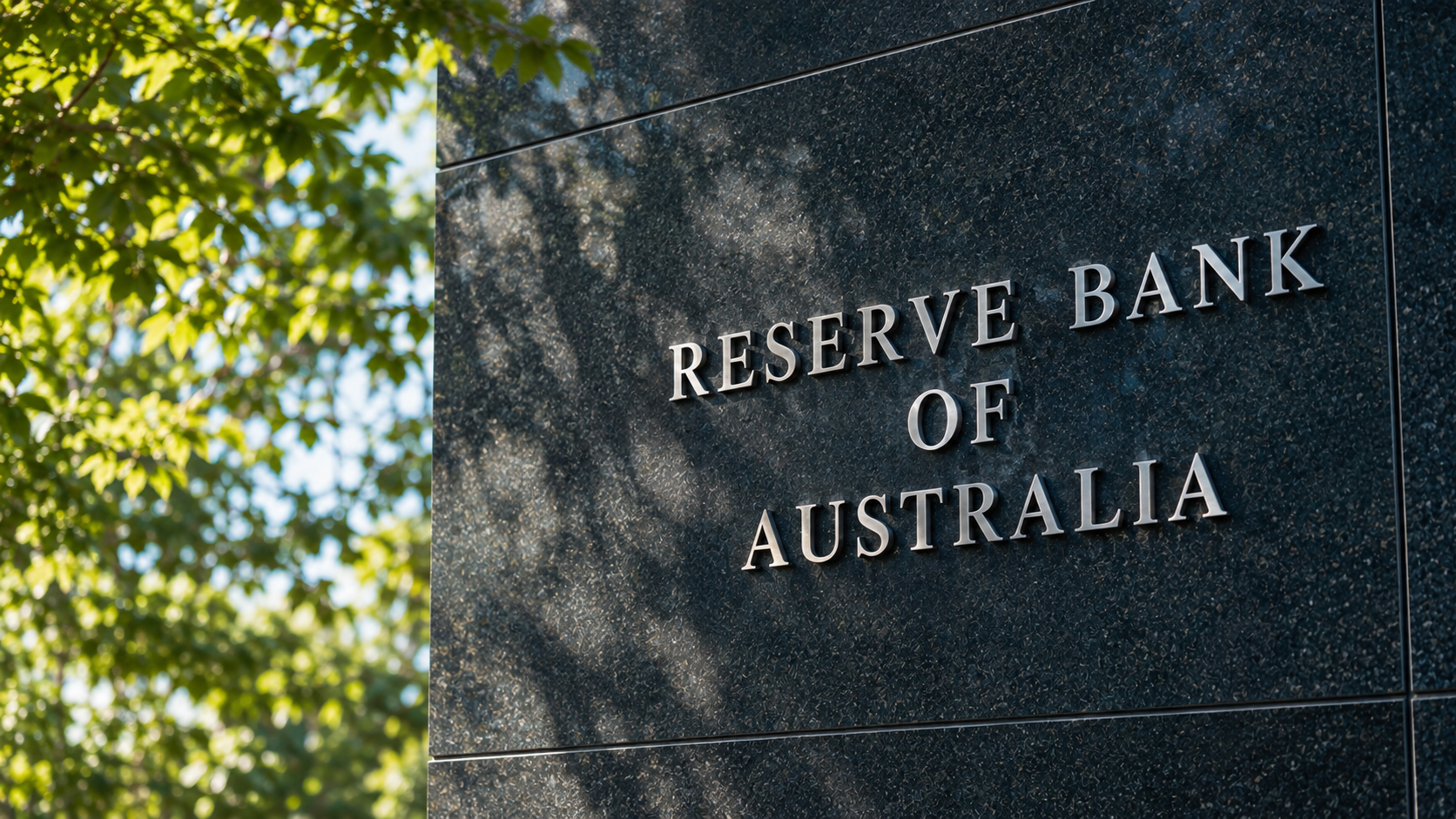
The RBA has raised rates to 4.60% as inflation pressures persist. Explore the impact of energy costs, AI demand and the key signals investors should watch next.

Discover how advances in genomics, AI, diagnostics and gene editing are creating a broader healthcare opportunity and where commercial value is emerging.

The AI trade is being forced to rethink the pace of progress. Here is what investors should watch across Nvidia, chips, AI spending, software and adoption.

Copper is at a record high, yet the global market still has a surplus. So where is all the copper, and why is it becoming harder to find?
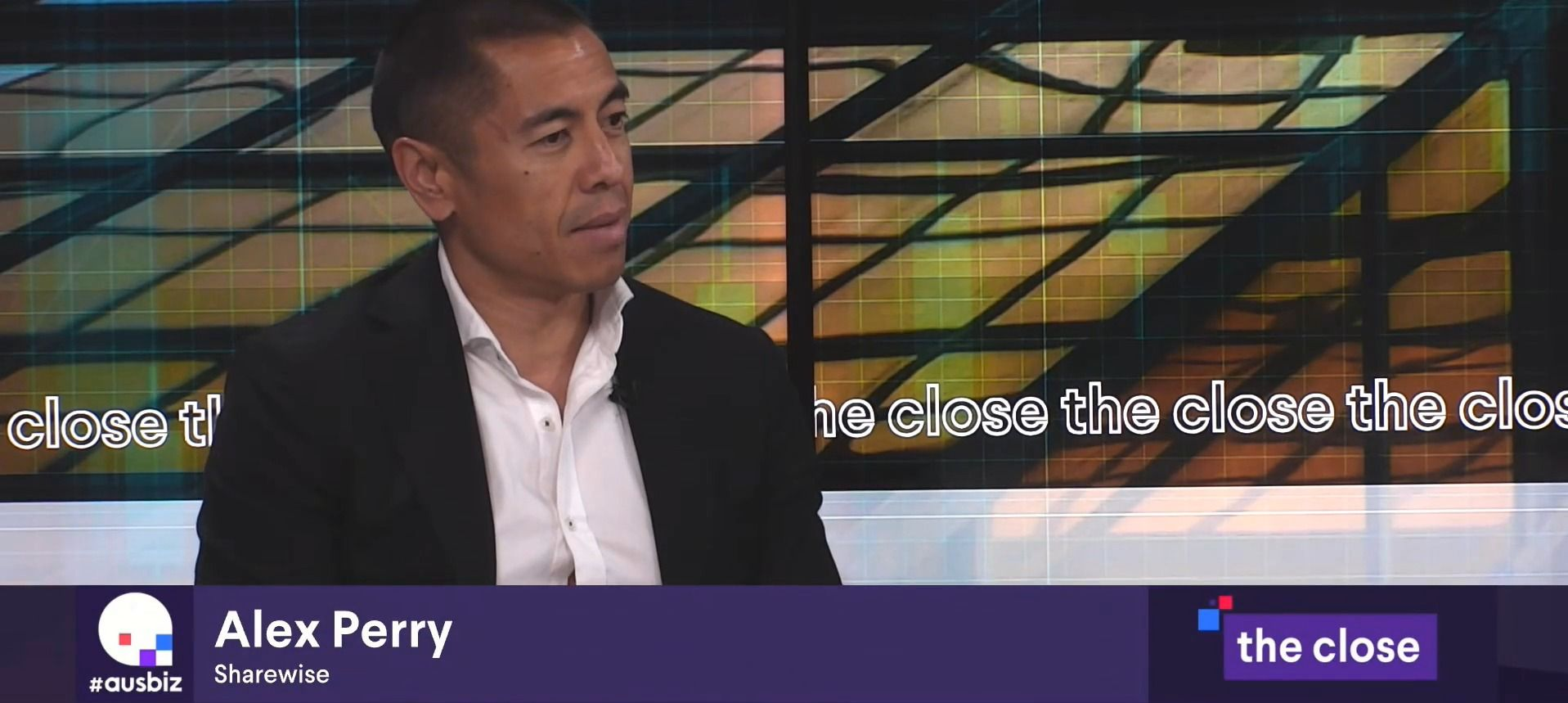
Sharewise CEO Alex Perry sat down with ausbiz to unpack how the platform approached FY26, a year in which it reported an ASX return of almost 11% and a US return above 32%. The conversation ranged from the AI infrastructure theme to specific names on Perry's radar in resources and quantum computing. Here's a rundown of the key points.

Warsh gave markets a framework, not a forecast. What his first Jackson Hole keynote means for inflation, rates, forward guidance and the outlook for equities.
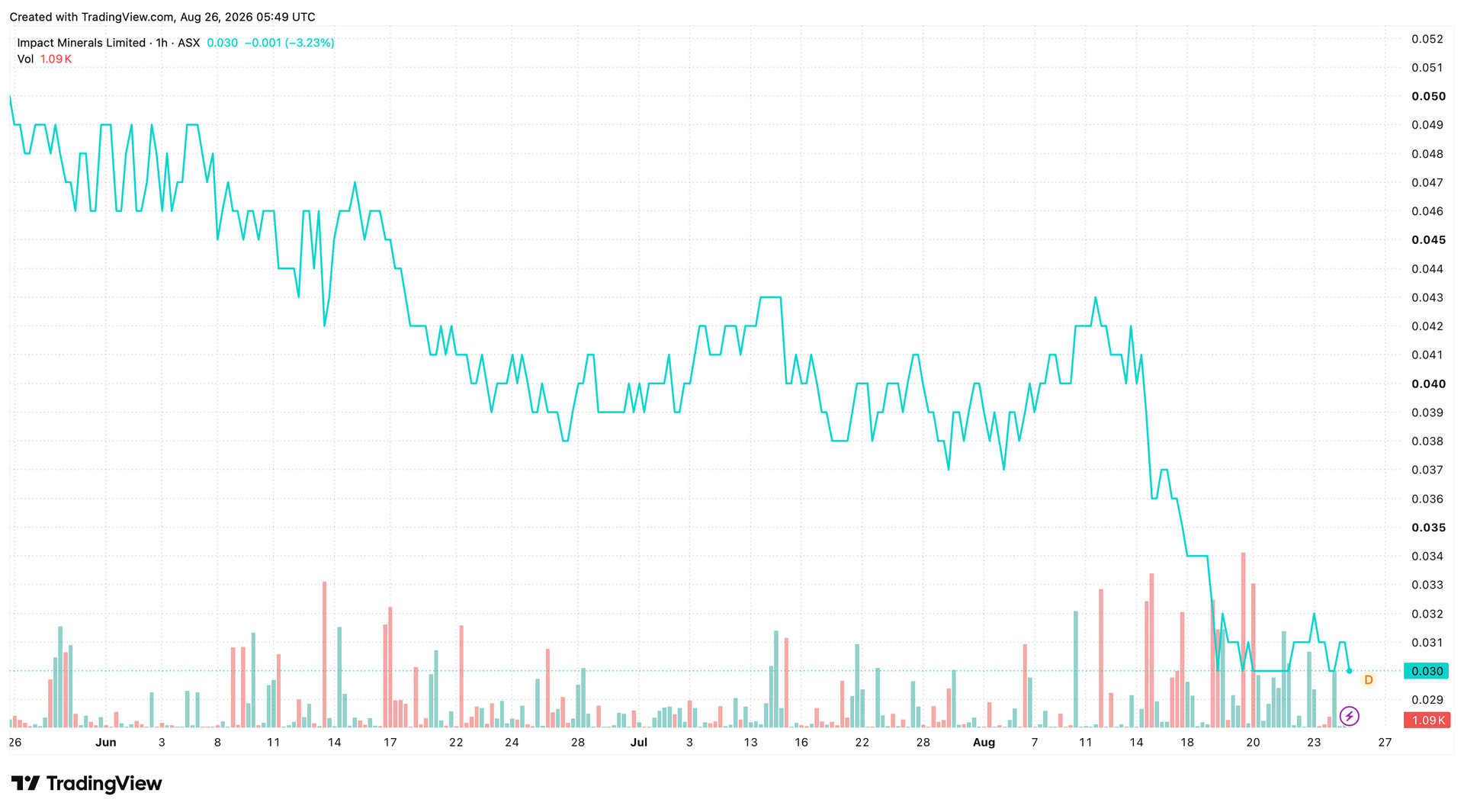
Get the latest on Impact Minerals (ASX: IPT), including stock performance, technical analysis, forecasts & key insights. See if IPO supports your goals.
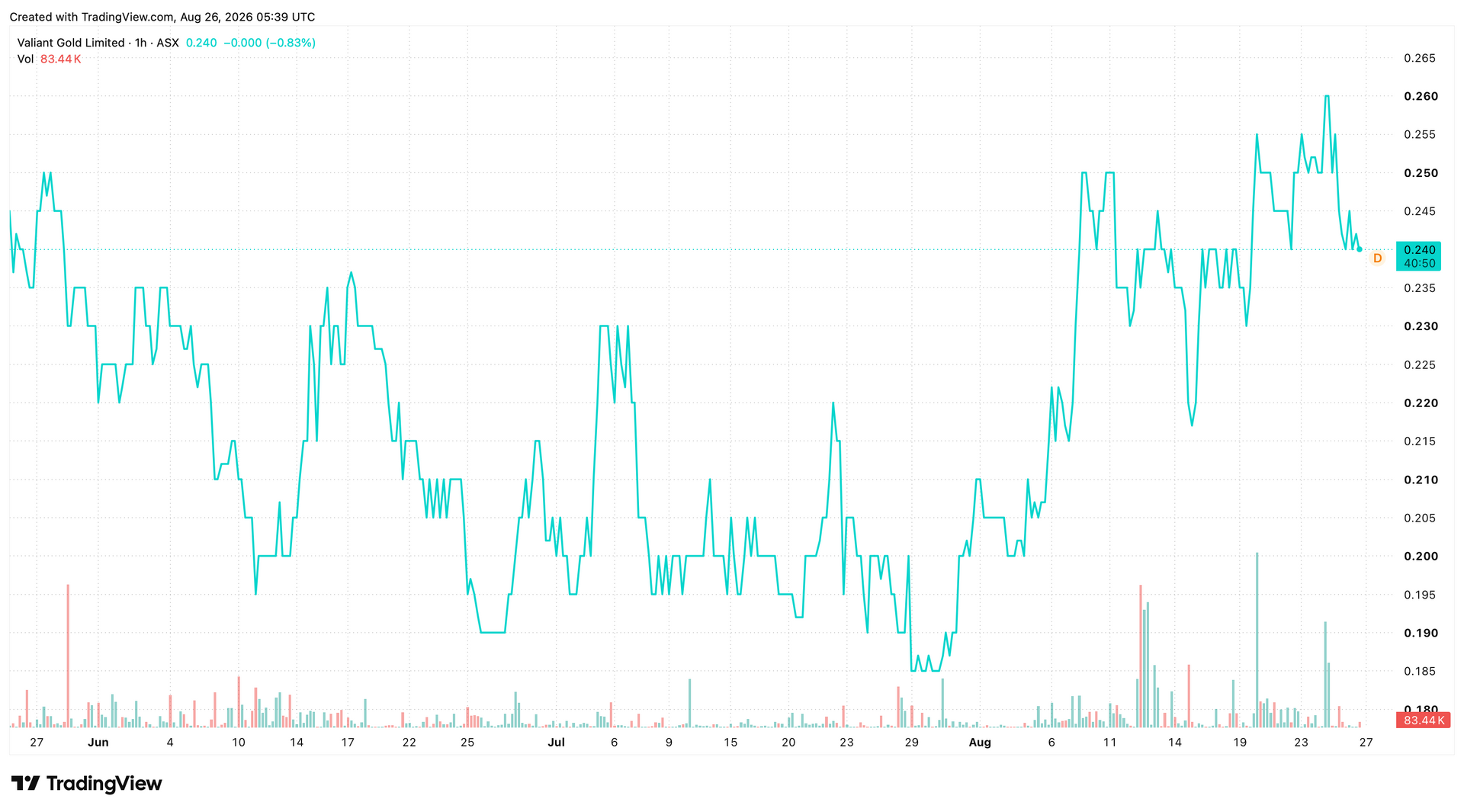
Get the latest on Valiant Gold (ASX: VAL) with our share price, technical analysis, forecasts & key insights. See if this ASX gold stock fits your investment goals.
Learn about Percheron Therapeutics (ASX: PER). Offering share price, technical analysis, forecasts & insights. See if this ASX biotech stock fits your goals.

Brent crude hits US$91 as US-Iran talks stall and Strait of Hormuz disruption persists. What's driving the move and what comes next for oil
