
When Safe Havens Break Down: What Markets Are Telling Investors

When the Playbook Stops Working
The traditional risk-off framework is deeply embedded in portfolio construction. In periods of stress, equities fall, government bonds rally, gold rises, and the US dollar strengthens. This relationship has held consistently enough over decades to form the foundation of diversified portfolios.
Recent market behaviour has challenged that assumption in a meaningful way. During a period defined by geopolitical conflict, elevated inflation, and tightening financial conditions, traditional safe havens failed to respond as expected. Gold declined sharply despite active military tensions. Government bonds sold off alongside equities as yields repriced higher. The US dollar, rather than gold or bonds, emerged as the primary defensive asset, supported by interest rate differentials and global funding demand.
This was not a marginal deviation. It exposed a breakdown in correlations that investors rely on for diversification. Safe havens remain relevant, but their behaviour is being reshaped by persistent inflation, rising real yields, fiscal pressure, and a liquidity environment that increasingly rewards yield over store-of-value assets.
The Breakdown: What Actually Happened
Recent market performance highlights how far conditions have diverged from historical patterns. Equity markets declined, with the S&P 500 falling 5.4% and the Nasdaq down 6.6%. The ASX 200 declined 2.9% and experienced a sharp drawdown through March. Beneath the surface, losses were more severe, with broad-based weakness across sectors.
In a conventional risk-off environment, these conditions would support defensive assets. Instead, government bonds sold off as yields moved higher, reflecting repricing of interest rate expectations. Markets began pricing a terminal cash rate near 4.80% in Australia, pushing yields higher and generating capital losses across fixed income portfolios.
Gold did not provide consistent protection. After an initial rally driven by geopolitical developments, prices reversed sharply under pressure from rising real yields and a stronger US dollar. Silver experienced even greater volatility, reinforcing instability across precious metals.
The US dollar was the only consistent beneficiary. Strength was driven by interest rate differentials and its role as the global funding currency. The result was a period where equities, bonds, and gold declined simultaneously, reducing the effectiveness of diversification and leaving cash and US dollar exposure as the primary sources of resilience.
Inflation and Real Yields: The Core Disruption
Inflation is the central force driving this shift. The dominant risk is not a demand-driven slowdown but a supply-driven inflation shock, with oil above USD 110, elevated shipping costs, and rising food prices feeding into broader price pressures.
In a typical downturn, central banks ease policy, bond yields fall, and defensive assets perform as expected. In the current environment, inflation remains elevated, limiting the ability of central banks to cut rates. The Federal Reserve held rates at 3.5–3.75% and removed easing from the near-term outlook. The Reserve Bank of Australia increased the cash rate to 4.10%. Markets are now pricing a meaningful probability of further tightening.
Rising real yields sit at the centre of this dynamic. As nominal yields remain elevated and inflation expectations stabilise, real yields increase. Bond prices fall as yields rise, while gold becomes less attractive relative to income-generating assets offering returns above 4%.
This creates a scenario where traditional safe havens weaken at the same time. The forces driving market stress also reinforce inflation and keep policy restrictive. Until inflation is contained, this relationship is likely to persist.
The Liquidity Crunch: Why Gold Got Sold
Gold’s decline during a period of geopolitical stress reflects market structure rather than a loss of relevance.
In periods of market stress, investors prioritise liquidity. As equity markets weaken and volatility rises, leveraged investors often face margin calls and are forced to raise cash. Gold, as one of the most liquid assets in a portfolio, is frequently sold to meet these obligations. This can result in sharp price declines even when the broader macro backdrop would typically support demand.
At the same time, the institutional support that had underpinned gold weakened. Turkey's central bank liquidated an estimated 59 tonnes of gold in two weeks to defend the lira as capital fled the country. China's central bank, which had accumulated more than 300 tonnes over three years, paused purchases in late 2025. India's central bank became a net seller in January as the rupee came under pressure. The simultaneous withdrawal of these large, price-insensitive buyers removed an important source of support.
Currency dynamics compounded the pressure. A stronger US dollar increases the cost of gold for non-US investors, dampening demand at the margin. The combination of liquidity-driven selling, reduced institutional demand, and adverse currency movements created a challenging environment for gold.
Gold’s role remains intact, but its behaviour is conditional. Liquidity, positioning, and currency movements now play a larger role alongside traditional macro drivers.
Fiscal Pressure and the Changing Bond Market
Bond market behaviour reflects a broader structural shift. For more than a decade, yields were suppressed by central bank policy through quantitative easing and forward guidance, allowing bonds to act as a reliable hedge.
That environment has changed. Bond markets are now driven by fiscal dynamics, supply, and term premium. Governments are issuing more debt, and investors require higher yields to absorb that supply. In Australia, the combination of rate hikes and fiscal measures, including the AUD 2.55 billion fuel excise cut, has contributed to higher yields.
When bonds are repriced for both inflation and fiscal risk, their hedge properties weaken. Instead of offsetting equity declines, they can move in the same direction when both asset classes respond to shared macro pressures. Duration becomes a source of risk rather than protection, particularly for longer-dated bonds.
This shift reflects a move from policy-driven markets to market-driven pricing. The adjustment remains ongoing and continues to reshape how fixed income behaves within portfolios.
Portfolio Construction in a Changing Regime
If safe havens are conditional rather than automatic, portfolio construction must adjust. This does not require abandoning bonds or gold, but it does require a clearer understanding of when they provide protection and when they do not. The traditional 60/40 framework, built on stable negative correlations between equities and bonds, has come under pressure as those relationships have become less reliable.
Diversification
remains essential, but it must be broader and more deliberate. Within fixed income, shorter-duration instruments and floating rate exposures can reduce sensitivity to rising yields. In a higher-rate environment, limiting duration helps manage downside risk, while floating rate structures adjust with policy settings rather than moving against them. Inflation-linked bonds offer more direct protection against the dominant risk currently shaping markets.
Real assets and commodities have provided more consistent support in this environment.
Energy
has been a standout performer on the ASX, reflecting supply-driven inflation dynamics that have pressured traditional defensive assets. These exposures can offer protection, but they are inherently cyclical. Prolonged price shocks often lead to demand destruction, which can reverse gains. This makes commodity exposure more suited to tactical allocation rather than a permanent portfolio anchor.
Currency positioning
has emerged as an important driver of returns. Australian investors with unhedged US dollar exposure benefited from a weaker Australian dollar, which supported returns even when underlying asset performance was mixed. This highlights the importance of reviewing hedging strategies as part of broader portfolio construction.
Cash
has also regained relevance. With deposit rates above 4%, the opportunity cost of holding liquidity has declined. In an environment where correlations shift and multiple asset classes move in the same direction, liquidity provides both protection and flexibility. Maintaining dry powder is no longer a passive decision, but an active component of risk management.
Conclusion: Safe Havens Are Changing, Not Disappearing
Gold is not broken. Bonds are not obsolete. However, the assumption that any single asset can reliably protect portfolios across all environments is no longer supported by recent market behaviour. Safe havens remain relevant, but their performance is no longer consistent or automatic.
The traditional framework was built for demand-driven downturns, where growth weakens, central banks ease policy, and defensive assets respond in a predictable manner. The current environment is different. A supply-driven inflation shock, combined with geopolitical conflict, fiscal expansion, and tighter liquidity, has altered how markets respond to risk. Correlations have shifted, and assets that were expected to diversify risk have at times moved in the same direction.
For investors, the implication is not to abandon defensive assets, but to reassess how they are used. No single asset provides protection in all conditions. Effective diversification requires exposure to assets that respond to different economic drivers, rather than relying on historical relationships. Understanding why an asset is held, and under what conditions it performs, is as important as the allocation itself.
Markets are increasingly influenced by policy decisions, inflation dynamics and liquidity conditions. This requires a more adaptive approach to portfolio construction. Investors who adjust their frameworks to reflect these dynamics will be better positioned for future volatility. Those relying on past correlations may find that the environment has already changed.
Whether you're reviewing your asset allocation, reassessing duration exposure, or exploring diversification strategies suited to the current environment, we encourage you to
speak with an adviser
for strategic guidance on navigating these conditions.
Subscribe to our newsletter
Disclaimer: This article does not constitute financial advice nor a recommendation to invest in the securities listed. The information presented is intended to be of a factual nature only. Past performance is not a reliable indicator of future performance. As always, do your own research and consider seeking financial, legal and taxation advice before investing.
Speak to an Advisor
The RBA has raised rates to 4.60% as inflation pressures persist. Explore the impact of energy costs, AI demand and the key signals investors should watch next.

Discover how advances in genomics, AI, diagnostics and gene editing are creating a broader healthcare opportunity and where commercial value is emerging.

The AI trade is being forced to rethink the pace of progress. Here is what investors should watch across Nvidia, chips, AI spending, software and adoption.

Copper is at a record high, yet the global market still has a surplus. So where is all the copper, and why is it becoming harder to find?
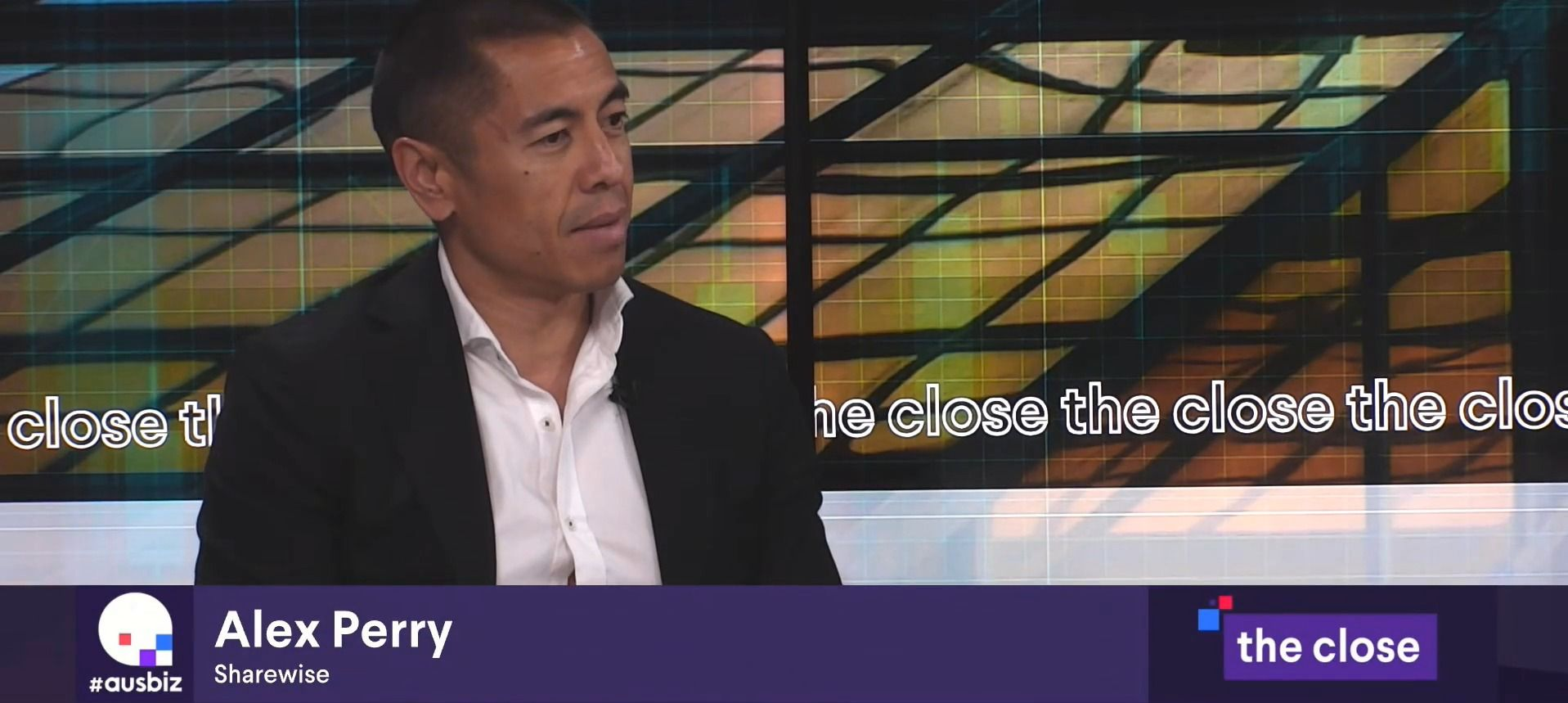
Sharewise CEO Alex Perry sat down with ausbiz to unpack how the platform approached FY26, a year in which it reported an ASX return of almost 11% and a US return above 32%. The conversation ranged from the AI infrastructure theme to specific names on Perry's radar in resources and quantum computing. Here's a rundown of the key points.

Warsh gave markets a framework, not a forecast. What his first Jackson Hole keynote means for inflation, rates, forward guidance and the outlook for equities.
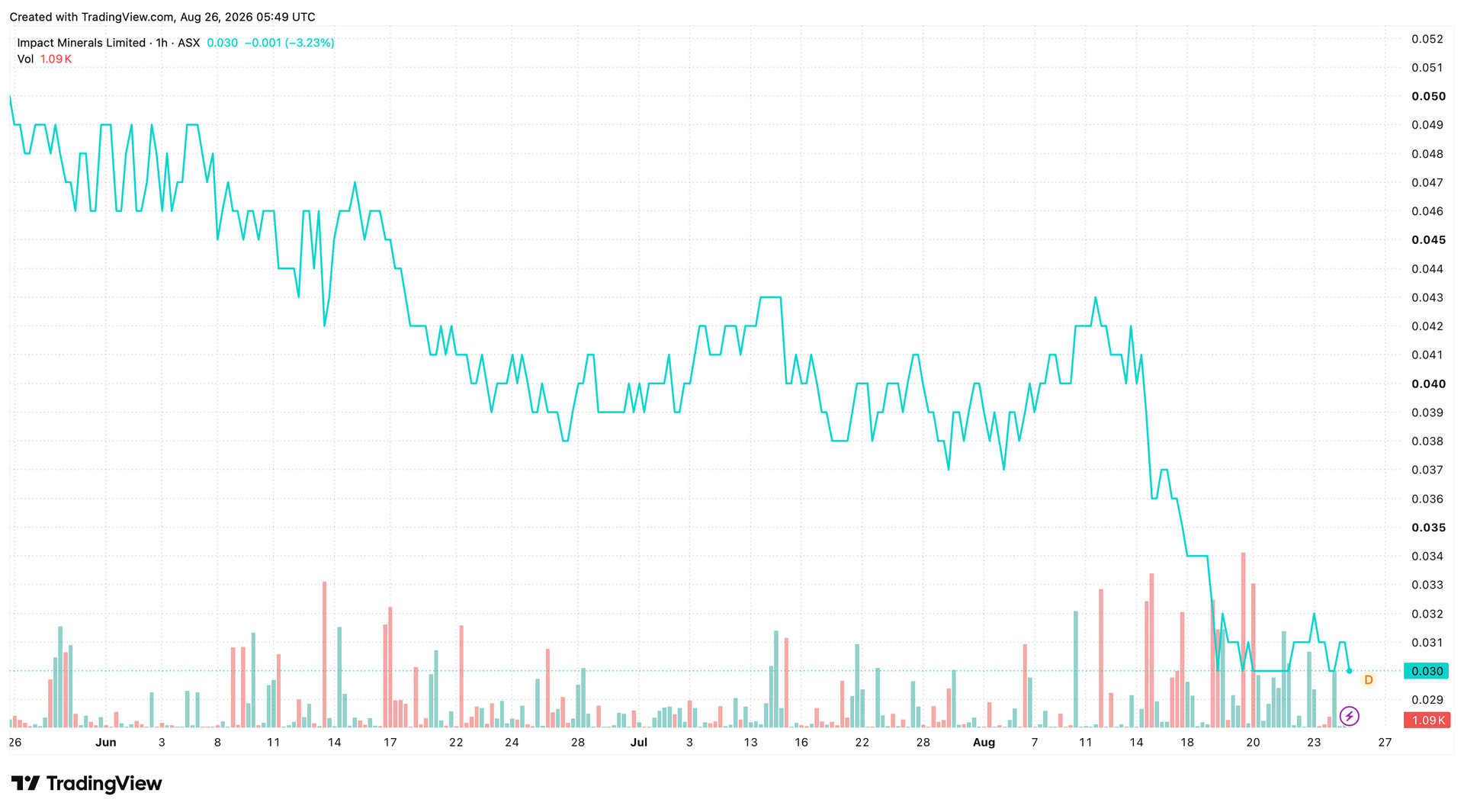
Get the latest on Impact Minerals (ASX: IPT), including stock performance, technical analysis, forecasts & key insights. See if IPO supports your goals.
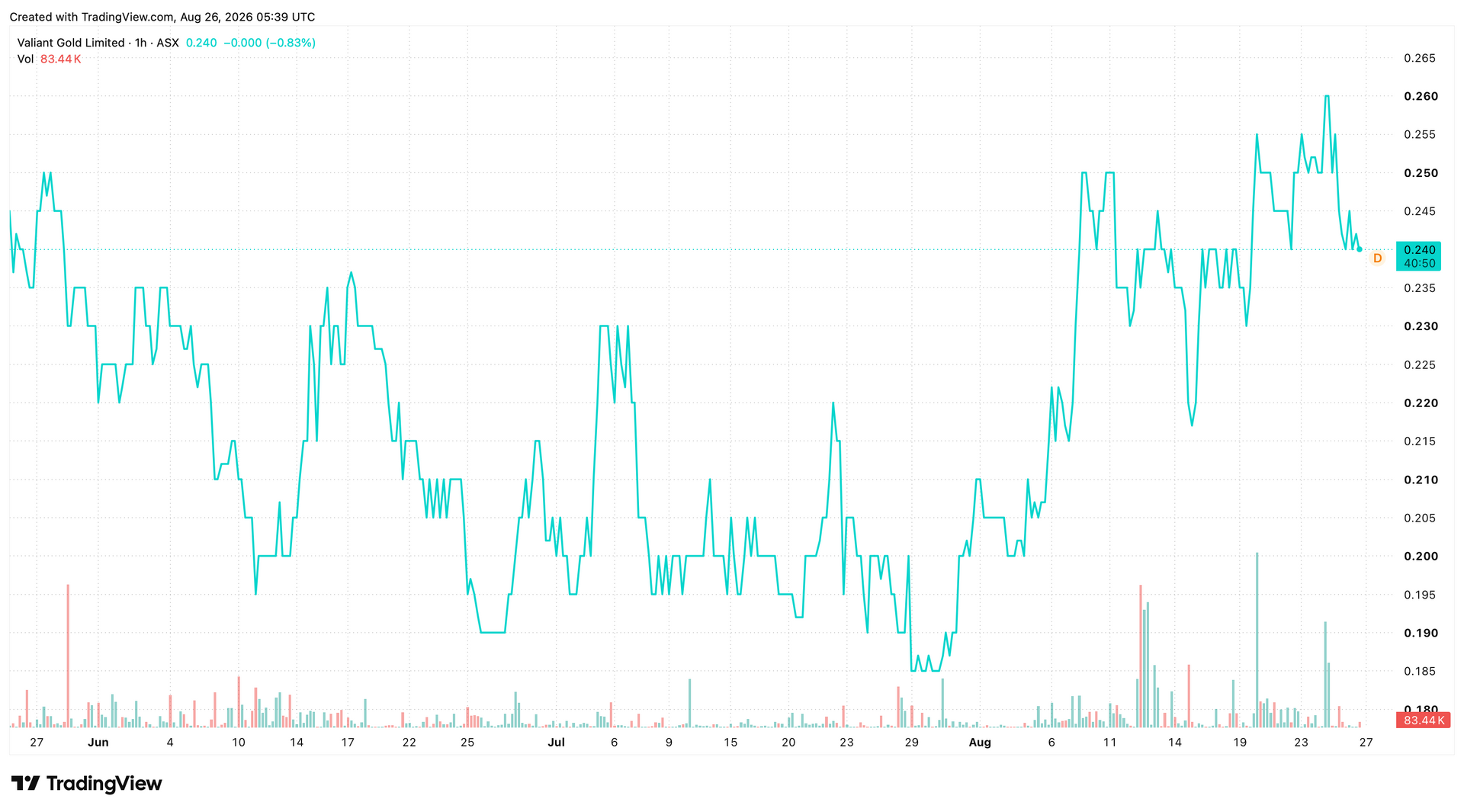
Get the latest on Valiant Gold (ASX: VAL) with our share price, technical analysis, forecasts & key insights. See if this ASX gold stock fits your investment goals.
Learn about Percheron Therapeutics (ASX: PER). Offering share price, technical analysis, forecasts & insights. See if this ASX biotech stock fits your goals.

Brent crude hits US$91 as US-Iran talks stall and Strait of Hormuz disruption persists. What's driving the move and what comes next for oil
