
The US-Iran War: Portfolio Risks, Market Signals, and the Road Ahead

This escalation, long anticipated following the collapse of diplomatic negotiations in late 2025, has now materialised into a direct and sustained military confrontation. What had previously been characterised by proxy engagements and strategic posturing has transitioned into a full-scale conflict between the United States and Iran. This represents an event without modern precedent in its current form.
Markets reacted immediately. Oil prices surged as supply risks were repriced, gold moved to record highs amid a flight to safety, and risk assets sold off as investors reassessed the global risk premium.
For investors, the question is no longer whether geopolitics matters for portfolios—it clearly does. The more important considerations are how deep the impact will be, how long it may persist, and through which channels it will ultimately influence asset prices.
Understanding the Macro Context
Before assessing market implications, it is important to ground the situation within its broader context.
The recent strikes did not occur without warning. Tensions have been building since mid-2025, when Israel targeted Iranian nuclear facilities in a 12-day conflict that also involved limited US participation. Diplomatic efforts continued in the months that followed, with talks mediated by Oman and held in Geneva extending into late February 2026. However, these negotiations ultimately collapsed without resolution just days before the strikes commenced.
At the same time, the United States had been increasing its military presence in the region, with a buildup widely regarded as the largest since the 2003 Iraq invasion. This deployment signalled a clear shift in posture, and markets had already begun to incorporate a degree of geopolitical risk into asset prices.
A further catalyst emerged domestically within Iran. Nationwide anti-government protests intensified in late December 2025, driven by a deepening economic crisis, sharp currency depreciation, and rising cost-of-living pressures. The government’s forceful response added another layer of instability to an already fragile environment.
The United States has cited both the internal crackdown and Iran’s alleged nuclear ambitions as justification for its actions. Regardless of the framing, the outcome is evident. The situation has moved beyond diplomatic tension into open and sustained conflict, with significant implications for global markets.
The Strait of Hormuz: The Variable That Matters Most
For global markets, the defining question is not who prevails in this conflict, but whether the Strait of Hormuz remains open. Approximately 13 million barrels of crude oil pass through the strait each day, accounting for around 30% of global seaborne oil flows and roughly 20% of total global consumption. As the world’s most critical energy chokepoint, any disruption would translate directly into higher oil prices and broader macroeconomic pressure. This is the primary channel through which geopolitical risk becomes market risk.
Two scenarios frame the current outlook. In a contained conflict, military actions remain targeted and time-bound, with shipping flows largely uninterrupted. Oil prices may spike as a risk premium is priced in, but stabilise as supply continuity becomes clear, consistent with the pattern observed in June 2025. In contrast, a prolonged escalation would involve sustained attempts to disrupt traffic through the strait, whether via naval activity, mining, or continued strikes on regional infrastructure. Even partial interference would tighten supply conditions, push oil prices higher, and reinforce inflationary pressures.
At present, markets are not pricing a full closure of the strait, but they are assigning a growing premium to disruption risk. The distinction is important. The key risk lies not only in the severity of disruption, but in how long that risk persists.
What Markets Are Doing Right Now
With markets open on Monday, investors are navigating a broad risk-off shift across asset classes. Early price action reflects a rapid repricing of geopolitical risk, with a pronounced divergence between defensive assets and growth-sensitive sectors.
Oil and Energy
Energy markets have moved first. Brent crude settled at US$72.48 on Friday, already up approximately 19% year to date, while WTI closed at US$67.02. In the immediate aftermath of the weekend strikes, oil futures rose by around 5%, reflecting the rapid incorporation of supply risk. Energy equities had already been outperforming in the lead-up to the escalation, with ExxonMobil
(XOM) and Chevron
(CVX) both gaining more than 11% year to date. The sector has seen sustained rotation in recent weeks, suggesting that part of the geopolitical premium may already be priced in. This introduces a more nuanced risk-reward dynamic for investors considering incremental exposure.
Defence
Defence stocks are emerging as the clearest near-term beneficiaries. Lockheed Martin
(LMT) and Northrop Grumman
(NOC) had risen approximately 14.9% and 10.9% respectively year to date prior to the weekend, reflecting elevated geopolitical tensions. Boeing
(BA) and Elbit Systems
(ESLT) are also seeing positive early sentiment. These moves are underpinned by expectations of increased defence spending, a theme that is likely to remain supported should the conflict persist.
Gold
Gold continues to perform its traditional role as a safe-haven asset. Futures rose approximately 1.2% following the strikes, with spot prices trading near US$5,247 per troy ounce as of Monday morning. The metal has already experienced a strong upward trend through 2025 and early 2026. The key question for investors is whether current momentum represents a continuation of structural demand or a more crowded positioning dynamic.
Equities
Global equity markets entered the week from a position of relative fragility. The S&P 500 closed Friday at 6,878, down 0.43%, while the Dow Jones fell 1.05% and the Nasdaq declined 0.92%. Markets had already been contending with geopolitical uncertainty alongside concerns around earnings sustainability, particularly within technology sectors exposed to AI-driven disruption. The VIX rose to 19.86, up 6.60% on the day, signalling a clear increase in risk aversion. Early positioning suggests that high-beta, cyclical, and growth-oriented sectors are likely to remain under pressure. Some institutional commentary has already cautioned against aggressive dip-buying, noting that the current risk-reward profile remains uncertain.
Airlines and Consumer Discretionary
Airlines are among the most impacted sectors. United Airlines
(UAL), Delta Air Lines
(DAL), and American Airlines
(AAL) have all declined sharply, with the US Global Jets ETF
(JETS) also trading lower. Rising fuel costs and potential airspace disruptions are weighing on earnings expectations, with similar pressure across consumer-facing sectors.
Currencies and Crypto
Currency markets are reflecting a defensive shift. The
US Dollar (DXY) and
Japanese Yen (JPY) have strengthened as capital rotates toward perceived safe havens. Higher-risk assets have weakened, with
Bitcoin
declining approximately 3% over the weekend. The Iranian Rial has depreciated sharply, reflecting both economic stress and capital flight.
Bonds
Fixed income markets are seeing renewed demand. US Treasuries
(UST) had already been attracting inflows in the lead-up to the escalation, and this trend is expected to continue. Flight-to-safety dynamics are likely to place downward pressure on yields as bond prices rise, although the inflationary implications of higher energy prices may introduce offsetting forces over time.
The ASX: A Split Market
For Australian investors, the market response is more nuanced than the broader global risk-off move. The S&P/ASX 200 fell 0.48% at Monday's open, although sector divergence has been pronounced. Energy names have rallied strongly, with Woodside Energy
(WDS) up 6.7%, Santos
(STO) up 7.2%, and Beach Energy
(BPT) leading with a 10.5% gain, as higher oil and LNG prices are priced in. Gold producers, including Evolution Mining
(EVN) and Northern Star Resources
(NST), are also benefiting from safe-haven flows, while a weaker Australian dollar, down more than 0.5% in early Asian trade, is providing a partial offset for investors with unhedged offshore exposure.
By contrast, iron ore majors BHP Group
(BHP), Fortescue
(FMG), and Rio Tinto
(RIO) are under pressure, reflecting concerns around global growth and Chinese demand rather than direct exposure to the conflict. China sits at the intersection of two key pressure points, as both the world's largest iron ore importer and a major buyer of Iranian oil. The result is a fragmented market in which energy and gold outperform while cyclicals lag, reinforcing the case for selective positioning rather than broad defensive allocation.
The Duration Problem
One of the most consistent lessons from past geopolitical shocks is that duration is the critical variable. Markets have historically absorbed short and contained conflicts relatively well. The June 2025 Israel–Iran exchange is a recent example, where equities sold off sharply at the open but recovered once it became clear that the Strait of Hormuz remained undisrupted. Both global and Israeli equities ultimately moved higher over the course of that 12-day conflict.
The current situation differs in both scale and stated intent. Operation Epic Fury has been framed by the US administration as extending beyond a limited strike, with objectives that include broader strategic outcomes within Iran. Even with the reported removal of senior leadership, succession dynamics remain uncertain. US intelligence assessments suggest that potential successors are likely to come from hardline elements within the Islamic Revolutionary Guard Corps, which continue to oversee key military, nuclear, and regional proxy networks.
Achieving the stated objectives of dismantling Iran’s nuclear capabilities, degrading its military infrastructure, and influencing political leadership outcomes represents a materially more complex undertaking than prior engagements in the region.
For markets, this reinforces the importance of time horizon. The longer the conflict persists, the greater the probability of conditions associated with prolonged escalation. This includes sustained elevation in oil prices, persistent inflationary pressure, and an extended period of uncertainty that weighs on equity valuations and tightens financial conditions.
Portfolio Implications
This is not an environment that rewards aggressive or highly directional positioning. The next several weeks will be critical in determining whether this remains a short-term volatility event or evolves into a more structural repricing of risk.
Key considerations for investors include:
- Expect volatility, but not necessarily escalation. Geopolitical shocks often produce sharp market reactions, but not all result in lasting damage. Absent a material disruption to the Strait of Hormuz, historical patterns suggest markets can absorb these events over the medium term. Prior analysis indicates such conflicts are typically too contained to materially alter the global earnings outlook, provided escalation remains limited.
- Be selective with safe-haven exposure. Gold, US Treasuries, the Swiss franc, and the Japanese yen remain traditional defensive assets. However, positioning had already been building ahead of the escalation. Entering after the initial move risks paying for protection that is already partially priced.
- Treat energy exposure as a tactical position. Energy assets benefit from rising oil prices but represent a directional trade rather than a pure hedge. Any signal of de-escalation or confirmation that shipping routes remain secure could see the geopolitical premium unwind quickly. Position sizing should reflect this asymmetry.
- Monitor inflation implications closely. Sustained elevation in oil prices would reinforce inflationary pressures and may alter the expected path of monetary policy. Duration-sensitive assets could face renewed headwinds, while companies with strong pricing power and lower input cost exposure are likely to be more resilient.
- Maintain discipline in long-term allocations. Historical market behaviour shows that periods of geopolitical stress are often followed by recovery. Investors who exit diversified, long-term positions during peak uncertainty risk missing that rebound. Unless exposure to directly impacted sectors is significant or investment horizons are short, disciplined positioning remains the more effective approach.
Navigating an Uncertain Environment
The current situation is without clear precedent in modern Middle Eastern geopolitics. The reported death of a sitting Supreme Leader in a US-led strike, the breakdown of diplomatic negotiations immediately prior to military action, and the scale of retaliatory activity across the region represent a combination of events that do not align neatly with historical frameworks.
Uncertainty remains high, and no participant can confidently define the path forward. What can be assessed is how markets are likely to respond. Pricing will adjust as new information emerges, with the Strait of Hormuz remaining the key link between geopolitical developments and economic outcomes.
In this environment, disciplined decision-making remains essential. Maintaining diversification, aligning positions with investment horizons, and avoiding reactive adjustments are likely to prove more effective than responding to short-term headlines.
Subscribe to our newsletter
Disclaimer: This article does not constitute financial advice nor a recommendation to invest in the securities listed. The information presented is intended to be of a factual nature only. Past performance is not a reliable indicator of future performance. As always, do your own research and consider seeking financial, legal and taxation advice before investing.
Speak to an Advisor

Understand how AI investment could affect global financial stability, as the IMF and RBA warn of rising debt, market concentration and funding risks.

Firmus’ proposed mega-IPO puts a spotlight on the cost, capital intensity and risks of building AI infrastructure as investors weigh the next phase of the AI boom.
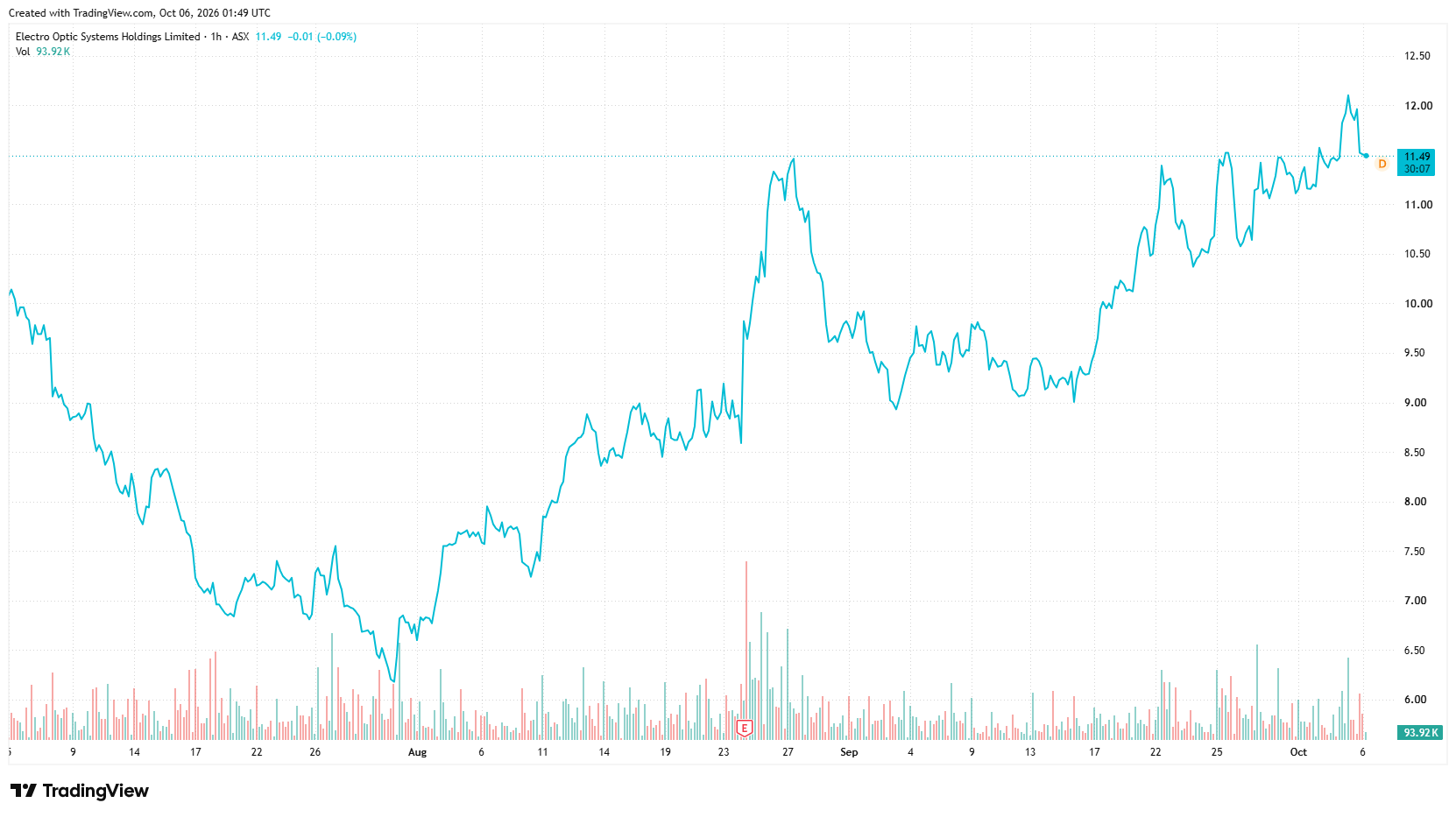
About Electro Optic Systems Holdings Ltd. Electro Optic Systems Holdings Limited engages in the development, manufacture, and sale of telescopes and dome enclosures, laser satellite tracking systems, remote weapon systems, and high laser weapon. It operates through Defense Systems and Space Systems segments. The company develops, manufactures, and markets fire control, surveillance, weapon systems, and high energy laser to military customers. It also provides passive optical and laser sensing equipment; optical, microwave and on-the-move radio and satellite products; and laser-based surveillance systems with space tracking capability. In addition, the company offers counter-drone, firepower, force protection, and UGV and marine lethality systems, as well as high energy laser weapon; optical tracking systems, space control, space domain awareness, satellite laser ranging, space sustainability, and precision optics. It operates in Australia, the United States, Singapore, the United Arab Emirates, the United Kingdom, New Zealand, the Netherlands, North America, Germany, and rest of Europe. Electro Optic Systems Holdings Limited was founded in 1983 and is based in Symonston, Australia. Source: EODHD Key Stats
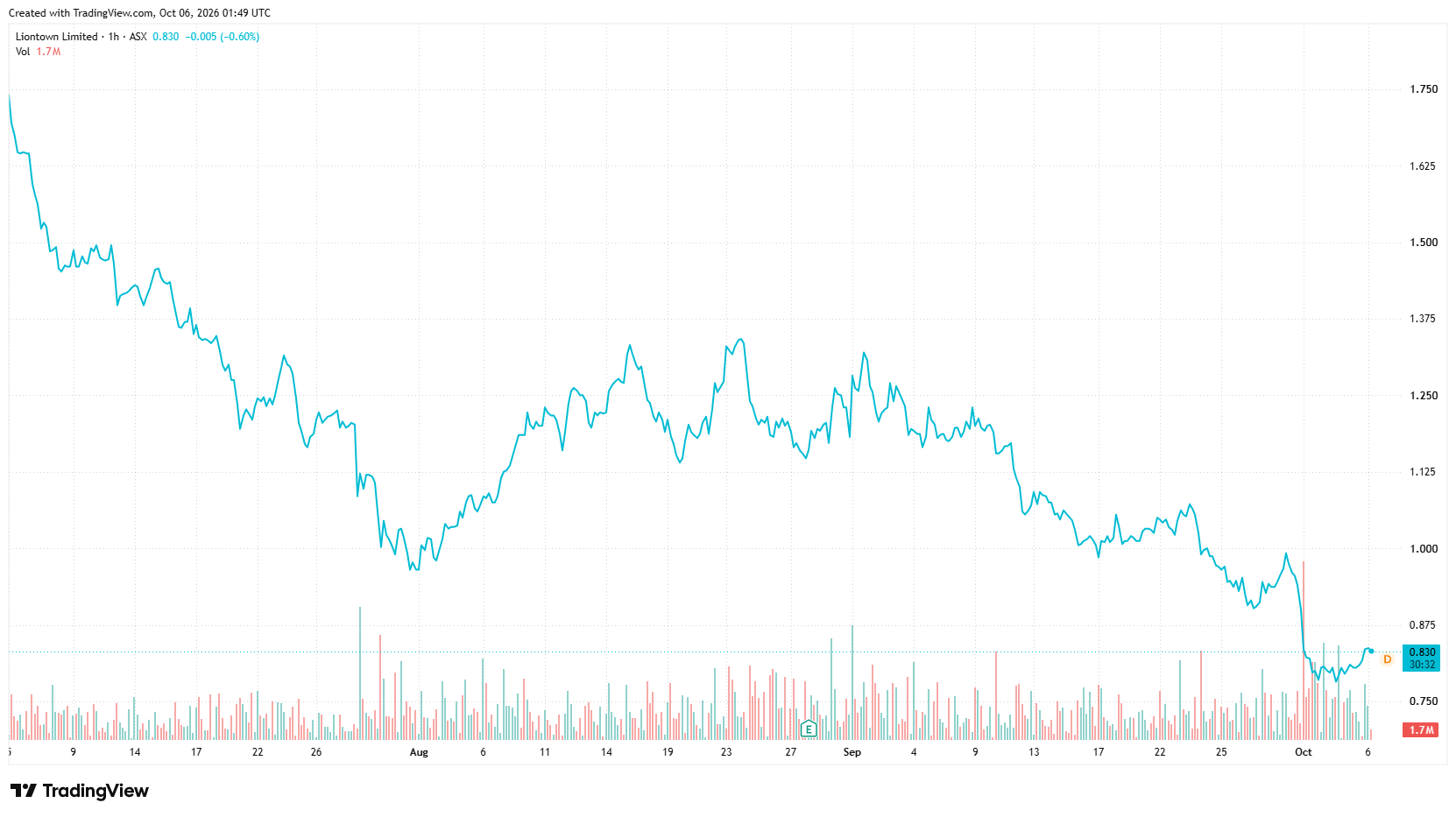
About Liontown Ltd. Liontown Limited engages in the exploration, evaluation, and development of mineral properties in Australia. It primarily explores for lithium, gold, and nickel deposits. The company's flagship property is the Kathleen Valley lithium project located in Perth, Western Australia. The company was formerly known as Liontown Resources Limited and change its name to Liontown Limited in November 2025. Liontown Limited was incorporated in 2006 and is headquartered in West Perth, Australia. Source: EODHD Key Stats
The RBA has raised rates to 4.60% as inflation pressures persist. Explore the impact of energy costs, AI demand and the key signals investors should watch next.

Discover how advances in genomics, AI, diagnostics and gene editing are creating a broader healthcare opportunity and where commercial value is emerging.

The AI trade is being forced to rethink the pace of progress. Here is what investors should watch across Nvidia, chips, AI spending, software and adoption.

Copper is at a record high, yet the global market still has a surplus. So where is all the copper, and why is it becoming harder to find?
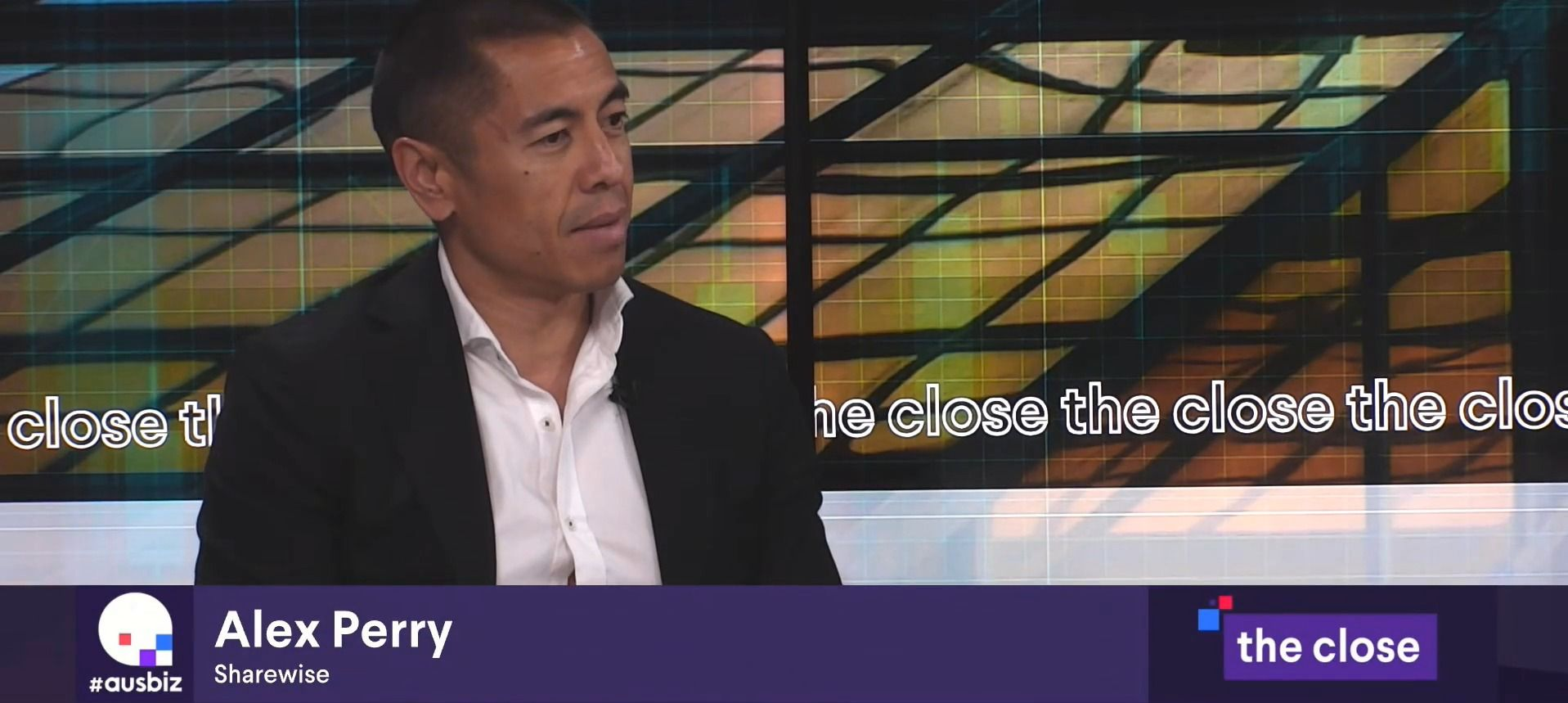
Sharewise CEO Alex Perry sat down with ausbiz to unpack how the platform approached FY26, a year in which it reported an ASX return of almost 11% and a US return above 32%. The conversation ranged from the AI infrastructure theme to specific names on Perry's radar in resources and quantum computing. Here's a rundown of the key points.
Warsh gave markets a framework, not a forecast. What his first Jackson Hole keynote means for inflation, rates, forward guidance and the outlook for equities.
