Anthropic's IPO Marks a Turning Point for AI Investing
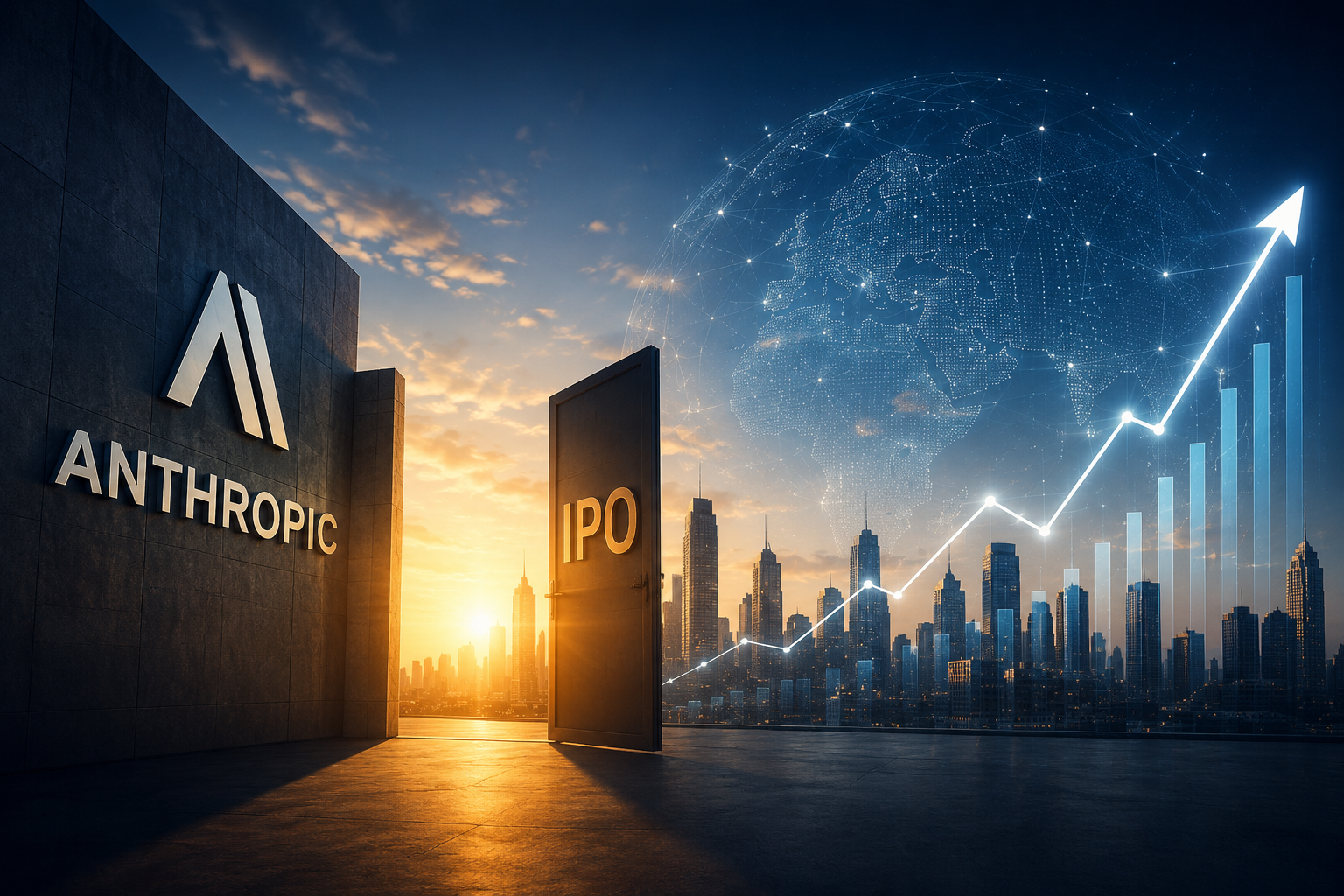
On 1 June 2026, Anthropic confidentially filed for a US initial public offering, marking one of the most significant milestones yet in the artificial intelligence boom. While the move had been widely anticipated, its timing surprised many market participants and immediately shifted attention from technological progress to something more tangible: valuation.
For years, investors have watched private funding rounds propel leading AI companies to extraordinary valuations. Anthropic, OpenAI and a growing group of frontier AI developers have attracted hundreds of billions of dollars from venture capital firms, sovereign wealth funds and technology giants eager to secure a foothold in what many believe will be the most transformative technology of the century. Yet private markets have largely been insulated from the scrutiny that public investors bring.
Anthropic's IPO changes that dynamic. More than a listing, it represents one of the first major opportunities for investors to assess whether the extraordinary valuations attached to generative AI can be justified by commercial reality. The listing arrives at a pivotal moment. AI has already reshaped equity markets, driven record infrastructure spending and created some of the world's most valuable companies. What remains unresolved is whether the economics of the industry can ultimately support the expectations embedded in today's valuations.
From AI Startup to Capital Markets Phenomenon
Founded in 2021 by former OpenAI researchers Dario and Daniela Amodei, Anthropic began as a safety-focused artificial intelligence laboratory seeking to develop advanced AI systems with a greater emphasis on reliability and alignment. In just five years, it has evolved into one of the most valuable private companies in the world.
The scale of Anthropic's growth is difficult to compare with previous technology success stories. The company reportedly achieved an annualised revenue run-rate of approximately USD47 billion in May 2026, up from roughly USD10 billion a year earlier, highlighting the rapid adoption of its Claude family of AI models across enterprise and developer markets. Investor enthusiasm has been equally striking. Anthropic's most recent Series H funding round raised USD65 billion and valued the business at approximately USD965 billion, placing it among the most highly capitalised private enterprises in history and fuelling expectations that its eventual public debut could command a valuation exceeding USD1 trillion.
These figures highlight a broader shift taking place across financial markets. Artificial intelligence is no longer simply a venture capital story or an emerging technology trend. It has become a major capital markets theme attracting institutional investors, pension funds, sovereign wealth funds and public market participants alike.
Anthropic's IPO therefore represents a transition point. Investors are moving from financing the promise of AI to evaluating the economics of AI.
The First Real Test of AI Economics
Much of the discussion surrounding Anthropic's IPO has centred on its confidential filing, but the process is often misunderstood.
A confidential S-1 allows a company to begin the IPO process with regulators without immediately disclosing detailed financial information to the public. While the filing signals serious intent, it does not establish a firm listing date, final valuation or offering size. Those details are typically revealed later as regulatory review progresses.
What matters is not the filing itself, but what comes next. Until now, investors have relied largely on management commentary, funding announcements and estimates derived from private market transactions. The public S-1 will provide the first detailed look at Anthropic's economics, including gross margins, customer concentration, infrastructure commitments, compute expenses and profitability trends.
For all the attention focused on valuation, the most important figure may be margin. Investors already know demand for Claude is growing rapidly. What they do not yet know is how much of that revenue survives after the enormous costs associated with training, deploying and maintaining frontier AI models.
The answers will matter not only for Anthropic but also for every company seeking to build, deploy or monetise advanced AI systems.
The Race With OpenAI and Why Timing Matters
Anthropic may have filed first, but it is far from the only AI company preparing for public markets. Its closest rival, OpenAI, is reportedly targeting a listing later in 2026 at a valuation of approximately USD852 billion. With Anthropic last valued at around USD965 billion, the gap between the two is narrower than many investors realise. The race is no longer just about building the most capable AI models. It is increasingly about who gets to tell their story to public investors first.
The stakes extend well beyond the AI sector. Alongside Anthropic and OpenAI, SpaceX is pursuing an offering that could raise approximately USD75 billion at a valuation approaching USD1.75 trillion. Combined, the three companies represent more than USD3.5 trillion of private market value seeking an eventual home in public markets. It is difficult to find a historical parallel for three companies of this scale potentially listing within the same six-month period.
Wall Street is already preparing for the influx. Goldman Sachs has projected that US IPO proceeds could reach approximately USD160 billion in 2026, more than four times the amount raised in 2025. Yet even that forecast was made before the current pipeline fully took shape. If Anthropic, OpenAI and SpaceX all proceed within a similar six-month window, investors may face one of the busiest periods for growth capital allocation in more than a decade.
That matters because capital is finite. Large institutions cannot continuously add new positions without trimming existing ones. For many fund managers, participation in these offerings may require reducing exposure elsewhere, particularly within the large-cap technology stocks that have dominated portfolios in recent years. Anthropic's IPO is therefore about more than one company. It is part of a broader reshaping of capital markets that could influence portfolio flows, valuations and market leadership across the technology sector.
What Anthropic's IPO Means for the Stocks You Already Own
The immediate question many investors will ask is whether Anthropic's IPO is worth buying. A more interesting question is what the listing means for the stocks they already own.
Nvidia has been the clearest beneficiary of the AI boom since 2023, with demand for its GPUs underpinned by the enormous computing requirements of companies such as Anthropic, OpenAI and the hyperscalers supporting them. A successful listing at or near a USD1 trillion valuation would reinforce the market's belief that this spending cycle still has room to run. On the other hand, if Anthropic's public filings reveal weaker-than-expected margins or higher operating costs, investors may begin questioning not just Anthropic's valuation, but the economics underpinning the broader AI ecosystem.
The implications extend beyond chipmakers. Microsoft and Amazon occupy a unique position as both infrastructure providers and strategic partners. Their investments in Anthropic have so far been valued largely through private market transactions. A public listing will provide a far clearer benchmark, allowing investors to assess the value of those relationships and the extent to which AI investments are translating into tangible shareholder value.
Australian investors are not removed from these dynamics. Many superannuation funds, global equity mandates and technology-focused ETFs have significant exposure to the Magnificent 7 and broader US technology sector. If institutional capital begins rotating into a new generation of AI listings, some of that money may come from the very companies that have led markets over recent years. Anthropic's IPO is therefore not just a test of appetite for one company. It could become an important catalyst for how capital is distributed across the technology sector during the next phase of the AI cycle.
What Is Anthropic Actually Worth?
For all the excitement surrounding Anthropic's IPO, this is the question that ultimately matters. And for now, the honest answer is that nobody knows.
At its most recent private valuation of approximately USD965 billion and a reported revenue run-rate of around USD47 billion, Anthropic is being valued at roughly 20 times revenue. That multiple is not unprecedented for a company growing at extraordinary speed, but it assumes that today's growth can continue for years while margins expand significantly along the way. Investors may believe that outcome is achievable. Public markets will want proof.
The real debate sits on the cost side of the equation. Anthropic has reportedly committed to purchasing USD30 billion of Azure compute capacity from Microsoft and is estimated to be spending approximately USD1.25 billion per month for access to SpaceX's Colossus data centre. Layer on long-term custom chip agreements with Google and Broadcom, and it becomes clear that growth is being supported by an enormous infrastructure buildout. These are not one-off investments. They are recurring commitments that sit at the heart of the business model.
That raises a question investors are still struggling to answer: is generative AI fundamentally a software business or an infrastructure business? Software companies typically become more profitable as they scale, with high margins and relatively low incremental costs. Infrastructure businesses operate differently. They require continuous investment, significant physical assets and ongoing capital expenditure to support growth. Right now, elements of both stories appear to be embedded in Anthropic's valuation.
The public filing should provide the clearest indication yet of which model is closer to reality. Margins, compute costs, cash generation and customer concentration will all come under scrutiny. The conclusions investors draw from those numbers will extend well beyond Anthropic itself. They may influence how the market values everything from AI model developers and cloud providers to semiconductor manufacturers and data centre operators. In many respects, Anthropic's IPO is not simply a test of one company. It is the first large-scale test of the economics underpinning the entire AI trade.
How Australian Investors Can Position for the Next Phase of AI
Anthropic is not yet listed, and Australian investors cannot buy shares directly. That does not mean the opportunity set is closed.
The most obvious exposure sits with Anthropic's existing partners. Amazon and Alphabet have both committed significant capital and infrastructure to the company, meaning a successful IPO would provide public validation of investments that have so far been valued largely through private market transactions. For investors seeking AI exposure today, these companies remain among the most direct listed beneficiaries.
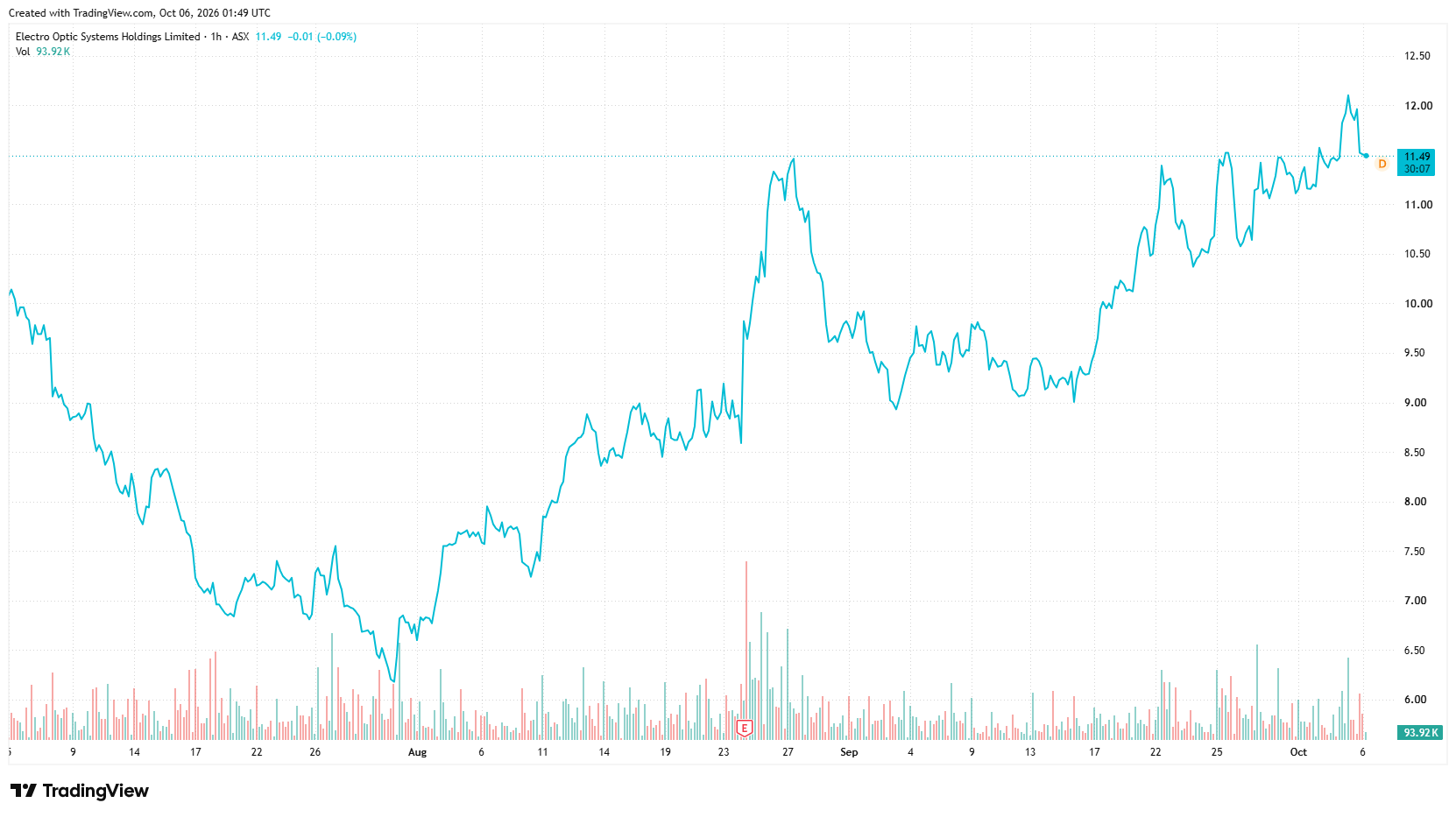
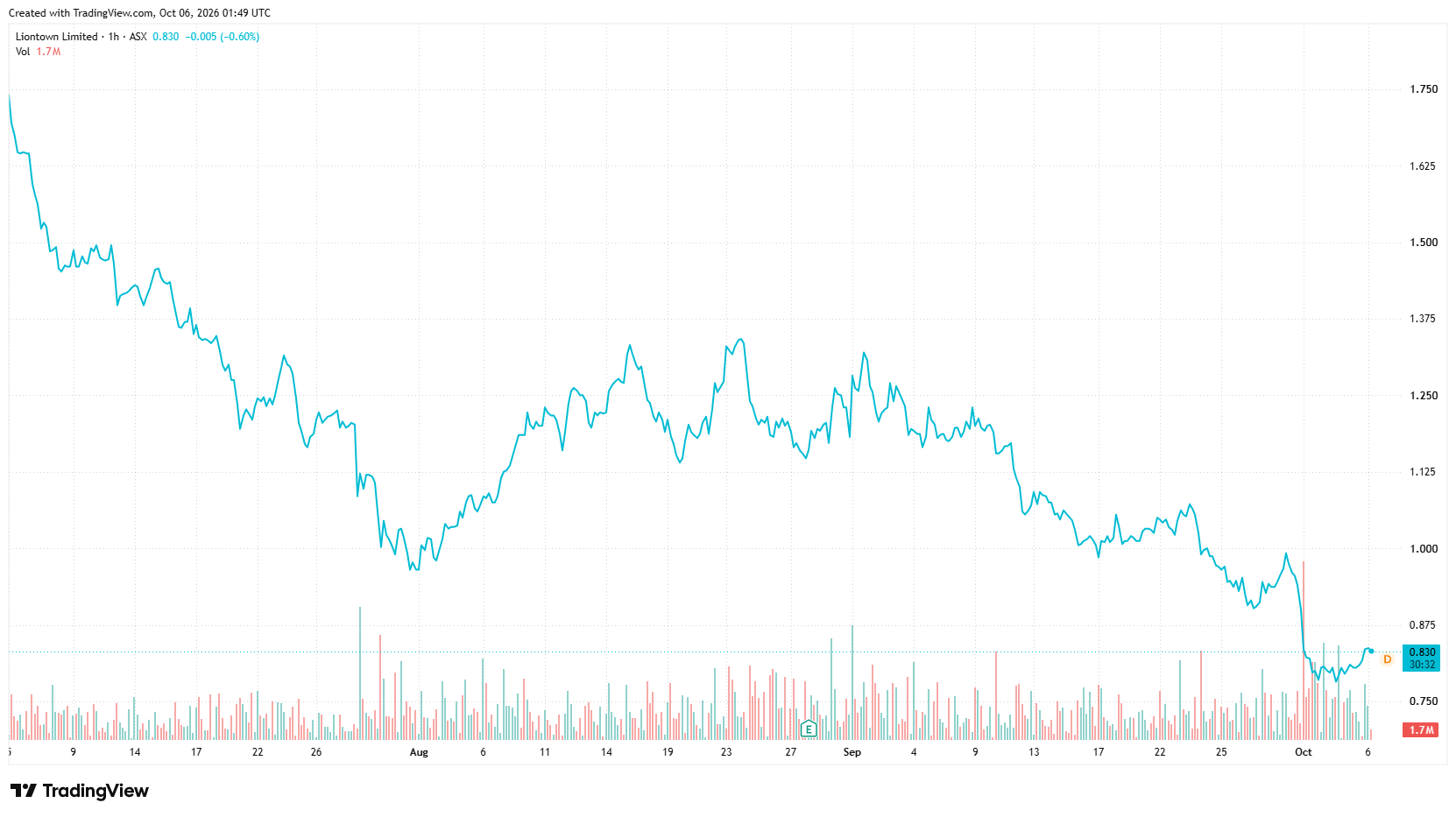
Closer to home, the opportunity may be less about AI models and more about the infrastructure that supports them. Data centre operators such as NextDC and Goodman Group sit within the supply chain required to meet the growing demand for computing power. Beyond that, copper producers, uranium companies and broader electrification themes could benefit from the rising energy and resource intensity of AI infrastructure.
For those who prefer a diversified approach, global technology ETFs provide exposure to many of the companies building the hardware, cloud platforms and data centres underpinning the AI ecosystem. It is also worth remembering that the biggest gains from transformative technologies are not always captured by the headline company. More often, they accrue to the businesses supplying the picks and shovels. Every major advance in artificial intelligence ultimately requires more computing power, more electricity and more physical infrastructure, creating opportunities well beyond the software companies attracting the headlines.
For now, a watchlist approach is likely the most sensible. The public S-1 will reveal far more about Anthropic's economics than any private funding round ever could. Investors will then have an opportunity to assess whether the valuation is supported by the underlying business before the IPO window opens.
A Benchmark for the Entire AI Trade
Anthropic's IPO is about far more than a single company.
The listing represents one of the first major public market tests of the economics underpinning generative artificial intelligence. Investors will gain unprecedented insight into how a leading AI developer generates revenue, manages costs and approaches profitability. More importantly, they will be asked to decide what those economics are worth.
The outcome could influence valuations across the broader AI ecosystem, affecting companies involved in semiconductors, cloud computing, data centres, digital infrastructure and enterprise software. It may also shape how future AI listings are received by public markets.
For Australian investors, understanding the market's verdict on Anthropic could prove valuable regardless of whether they ever own a share. In many respects, the IPO will serve as a referendum on the AI investment thesis itself. The result may help determine not only the future of Anthropic, but also the next phase of one of the most important investment themes of the decade. In many respects, Anthropic's IPO will become the first large-scale public market verdict on generative AI. The valuation investors ultimately assign to the company may influence how the entire sector is assessed, from AI model developers and cloud providers to semiconductor manufacturers and data centre operators. For that reason alone, it could become one of the most important market events of 2026.
Subscribe to our newsletter
Disclaimer: This article does not constitute financial advice nor a recommendation to invest in the securities listed. The information presented is intended to be of a factual nature only. Past performance is not a reliable indicator of future performance. As always, do your own research and consider seeking financial, legal and taxation advice before investing.
Speak to an Advisor