
RBA Hikes to 4.10%: Why the Latest Move Is Sending Mixed Signals Across Markets
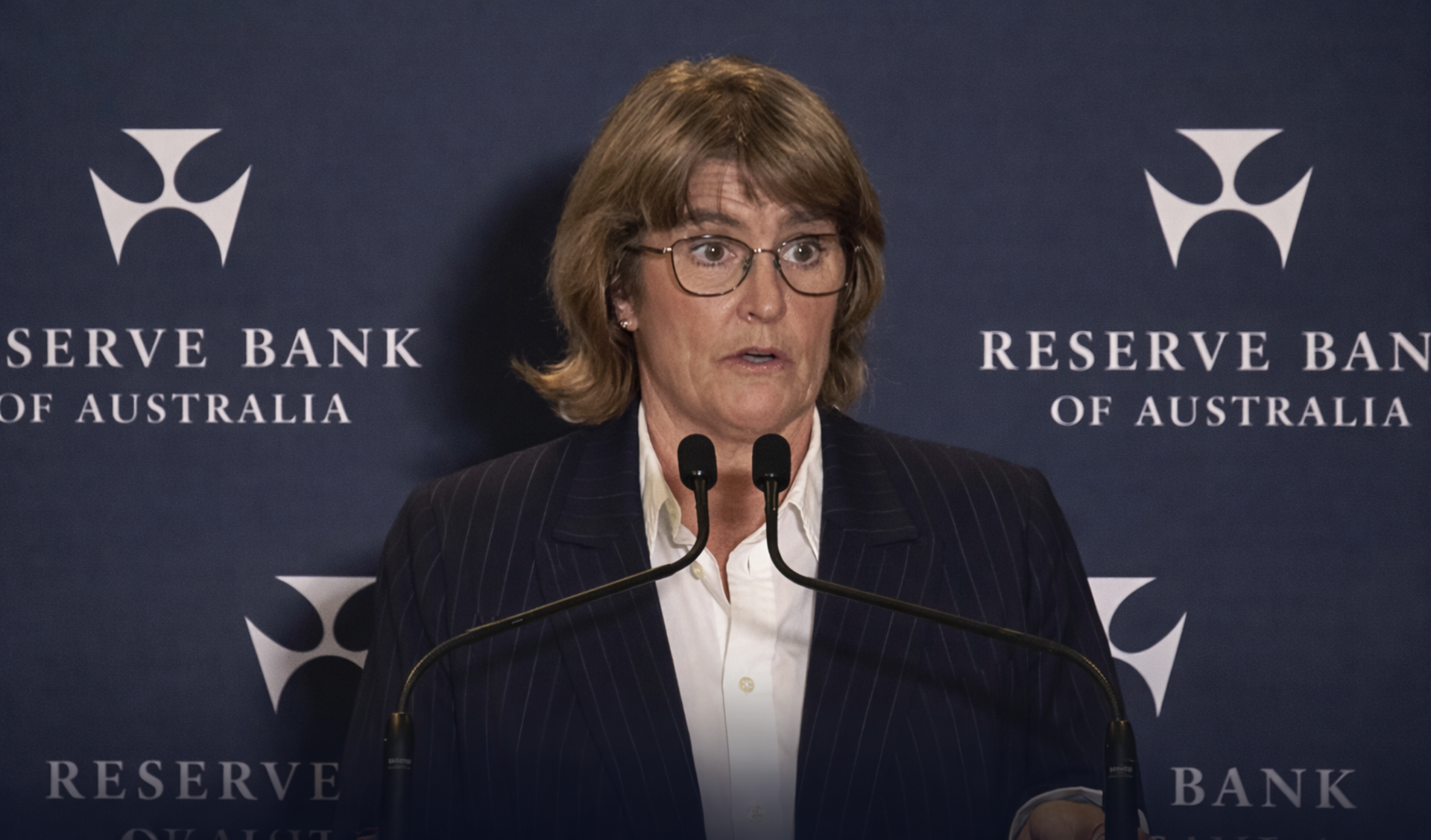
There is a particular kind of market uncertainty that emerges not from surprise, but from ambiguity about what comes next. The latest decision by the Reserve Bank of Australia delivered exactly that. The Monetary Policy Board lifted the cash rate from 3.85% to 4.10% in what, on the surface, appeared to be a continuation of the tightening cycle. The move was widely anticipated, fully priced by markets and forecast by major banks, yet the reaction across asset classes suggested anything but clarity.
Rather than reinforcing a clear policy trajectory, the decision introduced a more nuanced signal. The Australian dollar softened modestly, bond yields eased, and equities traded without conviction. When a fully expected policy move still produces this degree of hesitation, markets are not reacting to the decision itself, but to what it implies or fails to imply about the path ahead. The 5–4 vote reinforced that signal, with the central bank not acting with unified conviction, but navigating genuinely competing pressures.
Each incremental move carries greater informational weight. The key question is no longer whether rates need to rise, but how much further policy must tighten and for how long. Whether this marks the latter stages of a short, sharp cycle or the beginning of a more prolonged tightening phase remains unclear. That ambiguity is now the central narrative, and it will shape how investors interpret incoming economic data and policy signals in the weeks ahead.
Policy Under Constraint: A Cycle Reversed at Pace
The Reserve Bank of Australia cut rates three times across 2025, only to reverse those moves in rapid succession. The February increase to 3.85% was unanimous. The move to 4.10% was not. In six weeks, the central bank has effectively unwound last year’s easing cycle, reflecting urgency rather than gradual recalibration.
Recent data has made the case for reversal difficult to dismiss. Inflation remains above target, with headline CPI at 3.8% and trimmed mean at 3.4%, indicating persistent underlying pressure. The labour market has also held firm, with unemployment at 4.1%. This combination reinforces concern that inflation may remain entrenched without further tightening.
The latest hike therefore appears less a proactive tightening step and more a reactive measure aimed at preserving policy credibility. The role of external factors, including geopolitical tensions and energy prices, is additive rather than causal. They reinforce the underlying inflation risk but did not drive the decision. That distinction matters. A tightening cycle anchored in inflation risk rather than growth strength tends to coincide with greater volatility and a more fragile macro backdrop.
The 5–4 Split: When Policy Tension Becomes Visible
The narrow vote was not a procedural detail. It was the clearest expression of the policy tension markets are now grappling with. At this stage of the cycle, disagreement at the margin carries more informational value than the decision itself.
Governor Michele Bullock emphasised that the split reflected a difference in timing rather than direction. Members who voted to hold still accepted that further tightening would likely be required, characterising their position as holding in a hawkish sense. The debate centred on whether conditions warranted immediate action or whether waiting for additional data was the more prudent course.
The majority focused on the risk of second-round inflation effects. If higher energy costs become embedded in broader pricing behaviour, inflation could prove more persistent and more difficult to reverse. The decision therefore reflects reluctant tightening rather than a confident hawkish shift, and the split suggests the threshold for further increases is rising.
Markets moved quickly to price out the more aggressive tightening path, with expectations for the terminal rate shifting lower and the timing of further hikes moving further into the year. The disagreement is no longer about whether policy is restrictive, but about how much further tightening is required. Resolving that question will be critical for asset pricing in the months ahead.
The Oil Shock Constraint: Policy Meets Its Limits
A deeper tension sits beneath the decision. The renewed inflation risk is being driven by an external, supply-side energy shock. Oil prices above US$110 per barrel following disruption around the Strait of Hormuz are not a function of excess domestic demand. Monetary policy, however, operates through demand.
Rate hikes can suppress consumption and reduce pricing power, but they cannot increase oil supply or resolve geopolitical disruption. This creates a mismatch between the source of inflation and the tools available to address it.
The central bank’s focus is therefore on second-round effects. As Governor Michele Bullock noted, the objective is to prevent higher energy costs from becoming embedded in broader pricing behaviour. If that occurs, inflation becomes more persistent and harder to reverse.
Against that backdrop, a fork emerges in the outlook. If energy prices stabilise, the inflation impulse may fade, leaving policy restrictive relative to growth. If elevated prices persist, inflation could reaccelerate, forcing further tightening. The policy path is therefore contingent on a geopolitical outcome monetary policy cannot forecast, which explains the lack of conviction in market pricing.
How Markets Are Interpreting the Decision
Equities
The cross-asset reaction to the RBA’s latest move reflects a repricing of uncertainty rather than direction. Equity markets showed limited conviction at the index level, with the ASX 200 edging higher as the narrow 5–4 split diluted the perceived hawkishness of the hike. The message was not one of tightening momentum, but of a higher bar for further moves. Sector performance was more revealing. Financials outperformed, supported by the prospect of stronger net interest margins and reduced risk of aggressive over-tightening. Rate-sensitive sectors such as real estate also found support, reflecting a lower probability of an extended rate path, while technology stocks remained under pressure as higher discount rates continue to weigh on valuations.
Australian Dollar
The currency response provided a clearer signal of market thinking. The Australian dollar weakened modestly following the decision, an outcome that is notable in the context of a rate hike. A currency that fails to strengthen in response to tighter policy suggests that markets are not convinced the hiking cycle will continue at the previously assumed pace. Instead, attention has shifted to the next key data points, particularly inflation and the trajectory of energy prices, as the primary drivers of near-term currency direction.
Fixed Income
The most significant adjustment occurred in fixed income markets. Bond yields moved lower, and expectations for further tightening were scaled back meaningfully. Markets moved quickly to price out the more aggressive tightening path, reducing expectations for total hikes and assigning a more balanced probability to a follow-up move in the coming months. This shift reflects growing uncertainty around the terminal rate and the timing of any additional tightening.
Positioning
The divergence between economist forecasts and market pricing now captures the central tension. While some expect further tightening toward a higher terminal rate, bond markets are signalling a more cautious outlook. This gap will not close until incoming data provides greater clarity on inflation persistence and the resilience of the labour market. Until then, asset prices are likely to remain sensitive to incremental shifts in expectations rather than any single policy decision.
Portfolio Implications: Translating Uncertainty Into Positioning
The value of the latest decision lies less in forecasting the exact rate path and more in refining sector positioning in an environment where outcomes remain contested. With policy signals mixed and the terminal rate uncertain, positioning should reflect both the direction of travel and the range of plausible scenarios.
Financials: Selective Positioning
Higher rates continue to support net interest margins, but the benefit is uneven. Rising funding costs offset part of the margin expansion, making balance sheet strength and deposit franchises more important differentiators. At the same time, credit risk is becoming more relevant. If rates extend further, pressure on household balance sheets could translate into higher provisioning and weaker earnings quality.
Real Estate: Tactical Relief, Structural Caution
Lower terminal rate expectations have provided near-term support for real estate, easing pressure on valuations and financing costs. However, structural challenges remain. Elevated leverage, higher refinancing costs and uncertain demand, particularly in office, continue to constrain the outlook. The sector may benefit tactically, but the medium-term headwinds remain intact.
Consumer Discretionary: Reduce Exposure
Consumer sectors remain directly exposed to higher rates. The pass-through into mortgage repayments is immediate and materially reduces discretionary income. This dynamic is likely to weigh on demand and margins, particularly where pricing power is limited. The sector remains sensitive to both further tightening and any softening in labour market conditions.
Energy and Gold: Maintain Overweight
The case for maintaining exposure to energy and gold remains grounded in broader macro conditions rather than the domestic rate outlook. Elevated oil prices continue to support earnings across energy producers, particularly in the context of constrained global supply and strong regional demand. At the same time, gold retains its role as a hedge against geopolitical risk and persistent inflation. Together, these exposures provide diversification benefits in an environment characterised by policy uncertainty and external shocks.
Fixed Income: Duration Risk Remains
Duration remains the key risk. While recent repricing has eased immediate pressure on bond valuations, uncertainty around the policy path persists. If rates stabilise, longer-duration assets may hold. If tightening continues, downside risk remains. Shorter-duration and floating-rate exposures remain more resilient until the outlook clarifies.
Conclusion: What Resolves the Uncertainty
The latest decision has shifted the focus away from the rate move itself and toward the data that will determine what comes next. The near-term outlook now hinges on three variables. The February CPI print will be the most immediate test of inflation persistence and the degree to which higher energy prices are feeding into domestic price pressures. Labour force data will provide a read on the resilience of the economy and whether policy is beginning to constrain demand more meaningfully. Alongside this, the trajectory of Brent crude, and developments around the Strait of Hormuz, will shape the external inflation impulse that monetary policy must respond to but cannot control.
The 4.10% decision itself was relatively straightforward. Inflation remains above target, the labour market is still firm, and the majority judged that the risk of inaction outweighed the risk of tightening into uncertainty. The 5–4 split, however, was more consequential. It revealed a board divided on timing and shifted the policy signal from continuation to conditionality.
Divergence in expectations reflects this shift. Some anticipate a further move in the near term, while others argue that policy is already sufficiently restrictive and should be held steady. Market pricing has settled between these views, reflecting a reassessment of both the terminal rate and the likelihood of additional tightening. Each position is defensible given the current information set, which is precisely w
hy uncertainty remains elevated.
The central conclusion is that policy has entered a more data-dependent phase, where the path forward is contingent on information yet to be released and developments beyond the central bank’s control. For investors, the implication is not to seek precision in forecasting the next move, but to recognise that the environment now rewards disciplined positioning over directional conviction.
The framework is clear even if the outcome is not. Positioning through a period of policy uncertainty requires more than a macro view. If you would like to discuss how the current rate environment may affect your portfolio, we encourage you to
speak with one of our advisers.
Subscribe to our newsletter
Disclaimer: This article does not constitute financial advice nor a recommendation to invest in the securities listed. The information presented is intended to be of a factual nature only. Past performance is not a reliable indicator of future performance. As always, do your own research and consider seeking financial, legal and taxation advice before investing.
Speak to an Advisor

Copper is at a record high, yet the global market still has a surplus. So where is all the copper, and why is it becoming harder to find?
Sharewise CEO Alex Perry sat down with ausbiz to unpack how the platform approached FY26, a year in which it reported an ASX return of almost 11% and a US return above 32%. The conversation ranged from the AI infrastructure theme to specific names on Perry's radar in resources and quantum computing. Here's a rundown of the key points.

Warsh gave markets a framework, not a forecast. What his first Jackson Hole keynote means for inflation, rates, forward guidance and the outlook for equities.
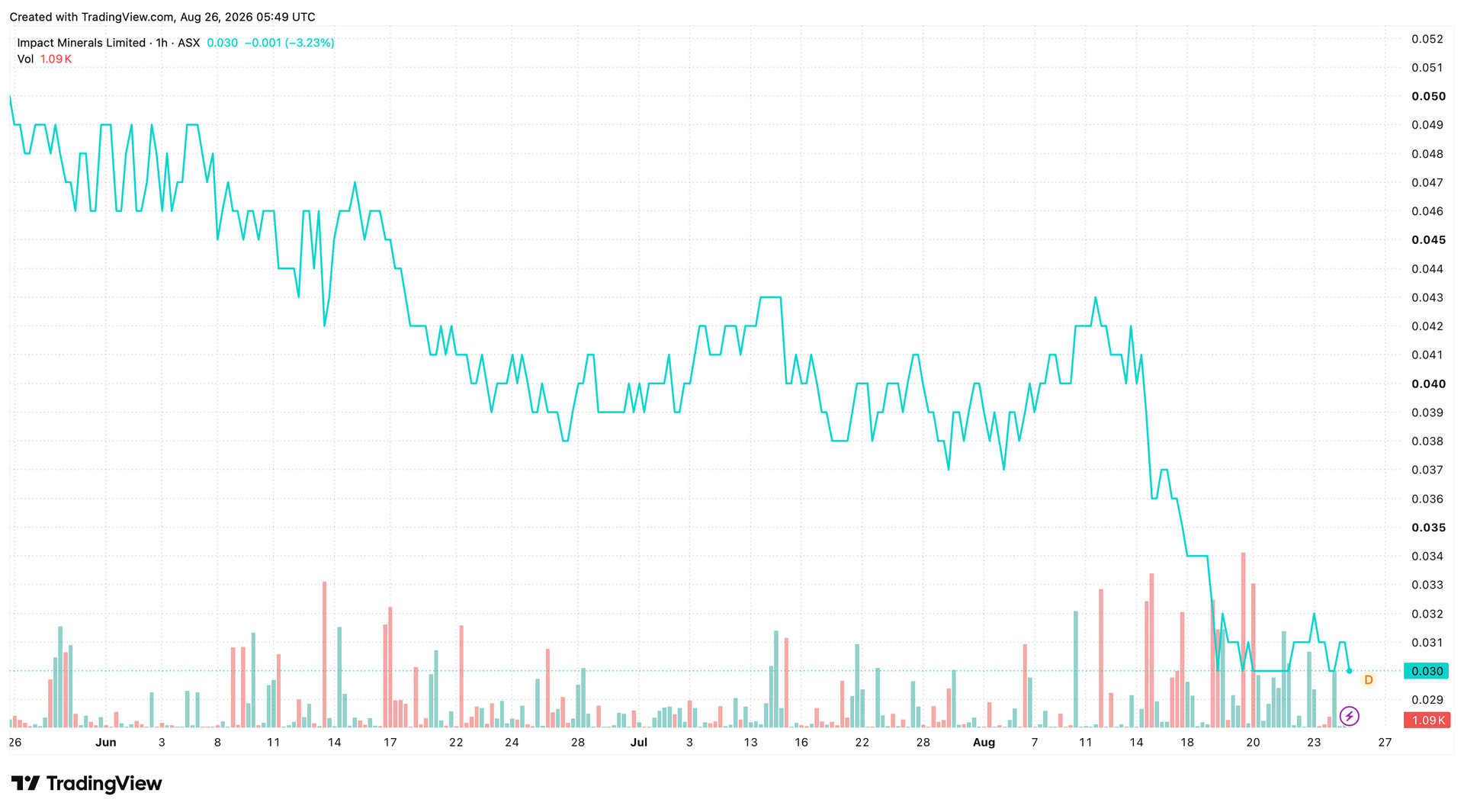
Get the latest on Impact Minerals (ASX: IPT), including stock performance, technical analysis, forecasts & key insights. See if IPO supports your goals.
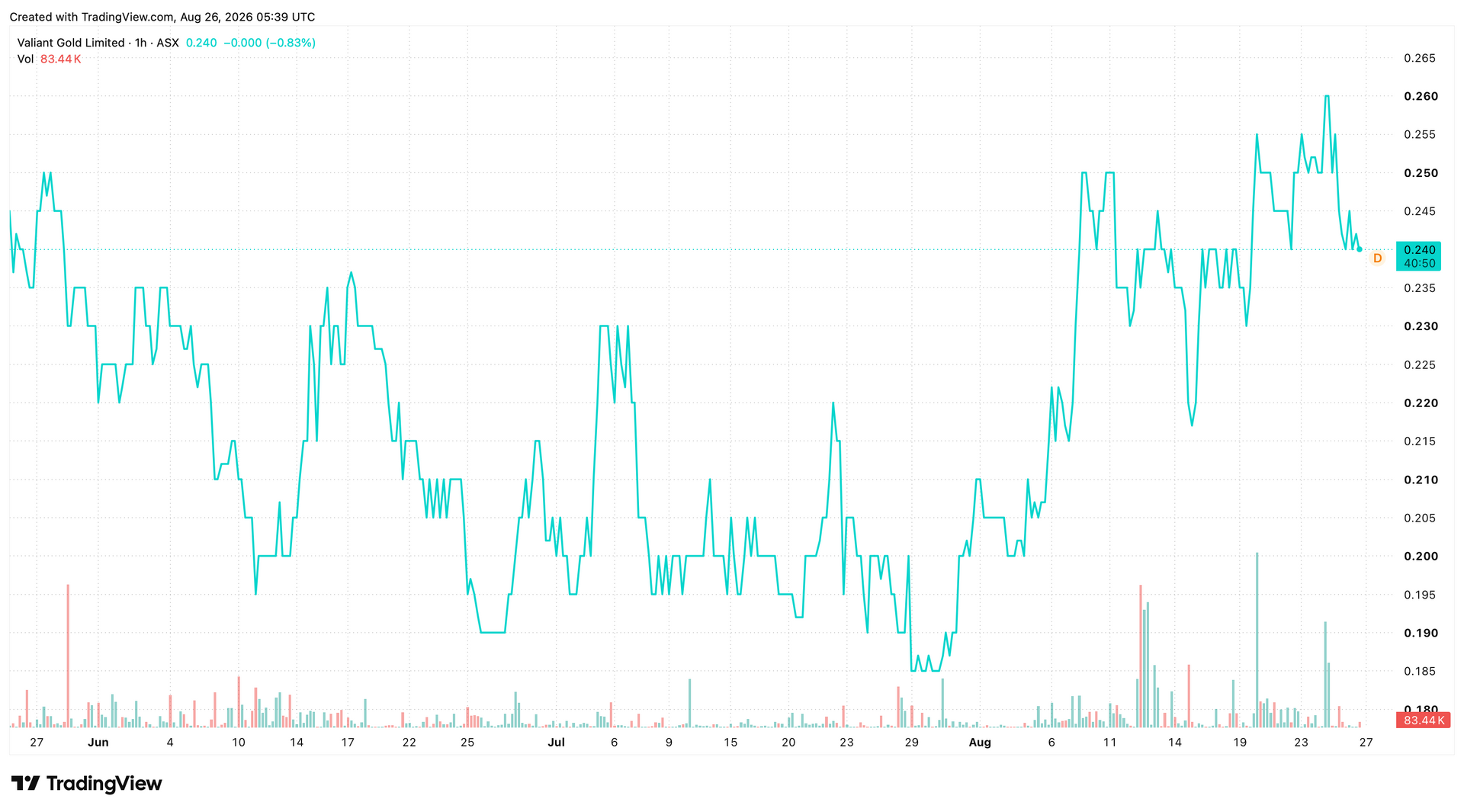
Get the latest on Valiant Gold (ASX: VAL) with our share price, technical analysis, forecasts & key insights. See if this ASX gold stock fits your investment goals.
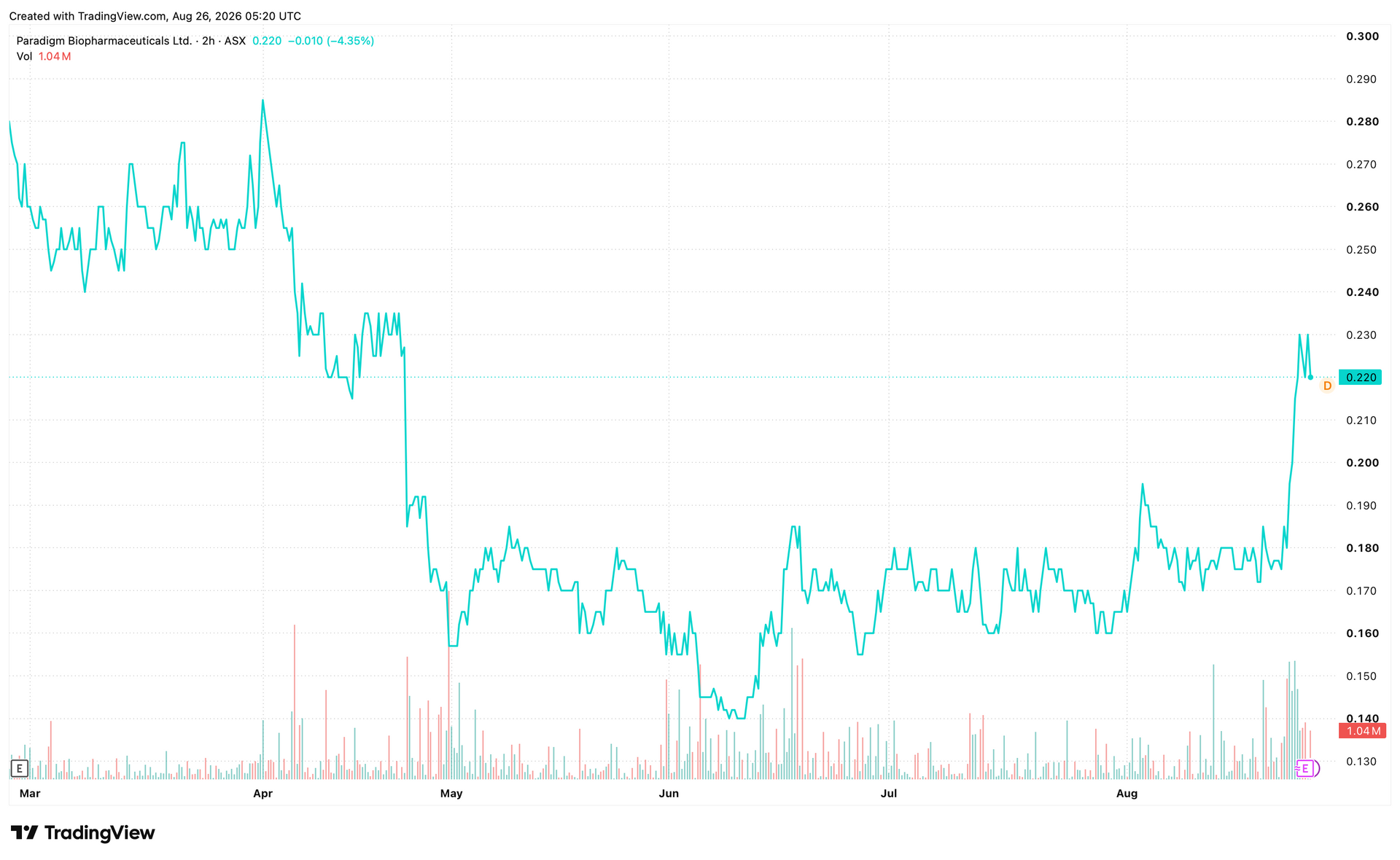
Learn about Percheron Therapeutics (ASX: PER). Offering share price, technical analysis, forecasts & insights. See if this ASX biotech stock fits your goals.

Brent crude hits US$91 as US-Iran talks stall and Strait of Hormuz disruption persists. What's driving the move and what comes next for oil
The RBA holds rates at 4.35% as inflation remains elevated. Here’s what the August decision means for the Australian economy, markets and key sectors.

As AI becomes cheaper to deploy, could the next investment winners shift beyond chipmakers? Explore how the AI cost race is redefining future tech leaders.
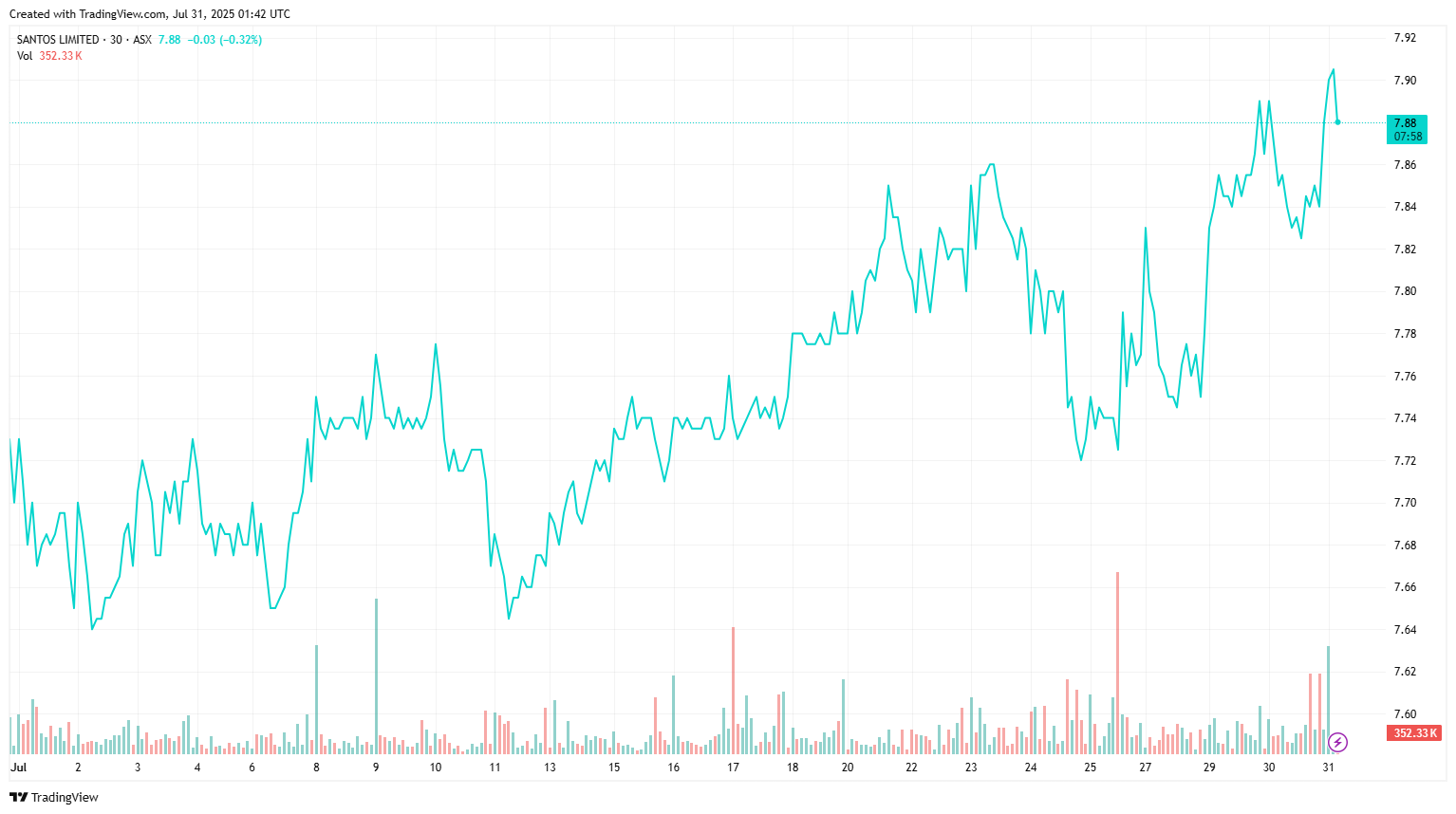
Get the latest on Santos Limited (ASX:STO), including stock performance, technical analysis, forecasts & key insights. See if STO supports your goals.
