
Gold Is Holding Near $5,000: Why the Fed Will Decide What Happens Next
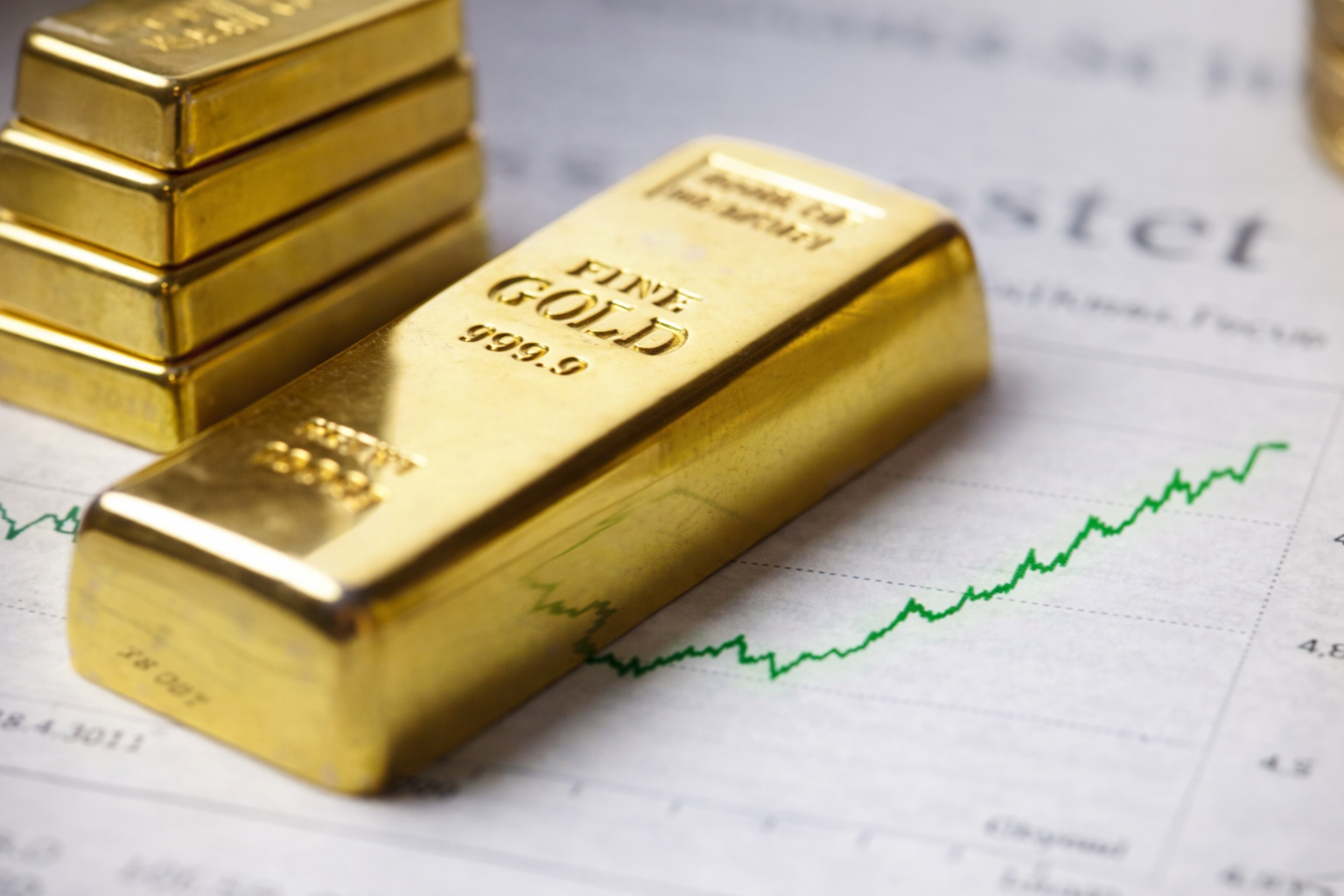
Gold is trading near record highs, yet its momentum has stalled. The metal has gained 16% year-to-date and breached $5,000 per ounce for the first time in history, but is now moving sideways within a narrow range. That pause is occurring despite escalating geopolitical tension, with conflict in the Middle East entering its third week and oil prices rising sharply.
In a more straightforward environment, this backdrop would be unambiguously bullish. Safe-haven demand typically accelerates during periods of conflict and supply disruption. Yet gold’s inability to break decisively higher suggests that much of this risk has already been priced in. The divergence is not a contradiction, but a signal. Markets are no longer reacting to the presence of uncertainty, but to what comes next.
The key shift is that gold has transitioned from a crisis-driven rally to a policy-driven one. The conditions for the move have been established by geopolitics and inflation risk. Whether that move extends now depends less on events themselves and more on how central banks respond to them.
Why Gold Is Near $5,000
The move toward $5,000 is not the result of a single catalyst. It reflects the convergence of several structural forces that have been building over time.
Central bank demand has been a consistent driver. Sovereign accumulation of gold has remained elevated, reflecting a broader effort to diversify reserves and reduce reliance on traditional currency holdings. This type of demand is less sensitive to short-term price movements and provides a stable foundation for the market.
At the same time, inflation uncertainty remains a persistent feature of the macro environment. While headline inflation has moderated from its peak, underlying pressures have proven more resilient. Energy prices, in particular, continue to introduce volatility into the outlook, reinforcing gold’s role as a hedge against purchasing power erosion.
Investor positioning has also begun to normalise. After a prolonged period of outflows, capital has gradually returned to gold-linked instruments, supporting prices from a financial flow perspective. Importantly, positioning does not appear stretched, suggesting that the current level is supported rather than speculative.
Taken together, these forces indicate that gold’s move higher is structural rather than reactive. The rally has been built over time, not triggered by a single event.
The Real Driver: Rates, Not Headlines
Gold’s price is ultimately anchored by two variables: real interest rates and the US dollar. As a non-yielding asset, gold becomes less attractive when real yields rise and more attractive when they fall. Higher rates increase the opportunity cost of holding gold, while also supporting the US dollar, which tends to move inversely to bullion.
In the current environment, that relationship is being tested rather than broken. The same geopolitical forces supporting gold are also contributing to higher inflation expectations. Rising energy prices feed into broader price pressures, reducing the likelihood of near-term rate cuts and keeping real yields elevated.
This creates a tension within the market. Safe-haven demand is pushing gold higher, while rate expectations are limiting the extent of that move. The result is a period of consolidation, where prices remain elevated but struggle to break out.
The key point is that gold is no longer reacting directly to headlines. It is reacting to how those headlines influence inflation, interest rates and currency dynamics.
Why the Fed Matters Now
If the mechanism is driven by rates, the current moment is defined by policy. Attention has shifted to the Federal Reserve and how it interprets the inflation impulse, particularly from energy markets.
The rate decision itself is largely expected, with markets assigning a low probability to any immediate change. What matters is the signal around what comes next. The policy outlook sits at the intersection of two competing forces: persistent inflation driven by higher energy prices, and emerging signs of softer growth. How this tension is resolved will shape expectations for real yields and, by extension, gold.
That signal will come through three channels. The first is the dot plot, which provides guidance on the expected path of rates. A shift toward fewer or delayed cuts would support the US dollar and lift real yields, both headwinds for gold. The second is the framing of inflation, particularly whether policymakers describe energy-driven price pressures as temporary or more persistent. The third is the broader growth narrative, including any indication that weakening economic conditions may prompt a more accommodative stance.
Gold is therefore not reacting to events in isolation, but to how those events influence policy. This meeting is where that relationship becomes clear, and where the next direction for gold will be set.
What Happens Next: Two Paths for Gold
From here, the outlook can be framed through two broad scenarios, both driven by policy rather than events alone.
In the first scenario, inflation remains persistent and central banks maintain a restrictive stance. Real yields stay elevated, the US dollar remains firm, and gold struggles to extend its gains. In this environment, prices are likely to remain range-bound or experience periods of retracement, as the opportunity cost of holding gold continues to offset safe-haven demand. This does not necessarily imply a breakdown in the broader trend, but rather a pause as markets adjust to a more prolonged period of restrictive policy.
The implications of this path extend beyond gold itself. Higher real yields would continue to weigh on rate-sensitive assets, including growth equities and real estate, while supporting financials and the US dollar. In this context, gold’s role shifts from a momentum trade to a stabilising asset, providing partial protection against volatility rather than delivering outright returns.
In the second scenario, growth begins to weaken more meaningfully, prompting a shift toward rate cuts. Real yields decline, the US dollar softens, and gold resumes its upward trajectory. Under these conditions, the structural drivers that have supported gold thus far are reinforced, with lower rates reducing the opportunity cost of holding bullion while also supporting broader investor demand.
This path would likely coincide with a broader reallocation across asset classes. Lower yields would support equities, particularly growth sectors, while also reinforcing demand for commodities linked to reflationary expectations. Gold, in this context, would benefit both as a hedge and as a macro expression of easing financial conditions.
The distinction between these outcomes is not determined by the presence of risk, but by how policy responds to it. Markets are no longer pricing the existence of uncertainty, but the reaction function of central banks to that uncertainty.
Portfolio Context: Where Gold Fits
Gold’s role in a portfolio extends beyond a simple crisis hedge. It functions as a hedge against inflation and geopolitical risk, while also acting as a signal for shifts in real yields and policy expectations. In the current environment, where these forces are moving in different directions, its role becomes more nuanced.
This is particularly relevant for asset allocation. Traditional diversification frameworks, especially those relying on negative correlations between equities and bonds, have become less reliable amid persistent inflation. As a result, gold provides an alternative source of protection when both asset classes face pressure simultaneously.
Gold also serves as an indicator of market expectations. Rising prices typically reflect declining real yields or increasing inflation concerns. When prices stall at elevated levels, as they are now, it suggests markets are reassessing the balance between inflation risk and policy response.
For Australian investors, gold equities add a further dimension through currency exposure. Revenues are linked to USD gold prices, while costs are largely in AUD. A weaker Australian dollar therefore amplifies earnings, particularly if domestic growth softens while global uncertainty remains elevated.
In this context, gold exposure is less about making a directional call and more about maintaining balance across a range of macro outcomes.
Conclusion: A Market Waiting on Policy
Gold is holding near $5,000, neither breaking higher nor retreating meaningfully despite a backdrop that would typically drive more decisive moves. That equilibrium reflects two competing forces: structural demand that continues to support prices, and policy expectations that are limiting further upside.
The longer-term case remains intact. Central bank buying, the gradual return of investor flows, and persistent inflation uncertainty continue to provide a foundation for the market. These are not cyclical factors that reverse quickly, but structural shifts that are likely to persist across multiple policy cycles.
The near-term direction, however, will be determined by monetary policy. Real yields, rate expectations and currency dynamics now sit at the centre of gold’s outlook, and each is directly influenced by how central banks interpret the current environment. The question is no longer whether risk exists, but how policymakers respond to it.
This marks a transition in how gold should be interpreted. The initial phase of the rally was driven by the emergence of risk. The current phase is defined by how that risk is absorbed into policy. That shift explains why price action has stabilised despite continued uncertainty.
For investors, the implication is not to anticipate a single outcome, but to recognise the range of possibilities that policy may produce. Gold’s value lies in its ability to perform across multiple scenarios, rather than in its sensitivity to any one of them.
The next move will not be determined by headlines alone. It will be determined by policy clarity. Understanding that distinction is critical to interpreting both where gold is today and where it moves next.
Subscribe to our newsletter
Disclaimer: This article does not constitute financial advice nor a recommendation to invest in the securities listed. The information presented is intended to be of a factual nature only. Past performance is not a reliable indicator of future performance. As always, do your own research and consider seeking financial, legal and taxation advice before investing.
Speak to an Advisor

The AI trade is being forced to rethink the pace of progress. Here is what investors should watch across Nvidia, chips, AI spending, software and adoption.

Copper is at a record high, yet the global market still has a surplus. So where is all the copper, and why is it becoming harder to find?
Sharewise CEO Alex Perry sat down with ausbiz to unpack how the platform approached FY26, a year in which it reported an ASX return of almost 11% and a US return above 32%. The conversation ranged from the AI infrastructure theme to specific names on Perry's radar in resources and quantum computing. Here's a rundown of the key points.

Warsh gave markets a framework, not a forecast. What his first Jackson Hole keynote means for inflation, rates, forward guidance and the outlook for equities.
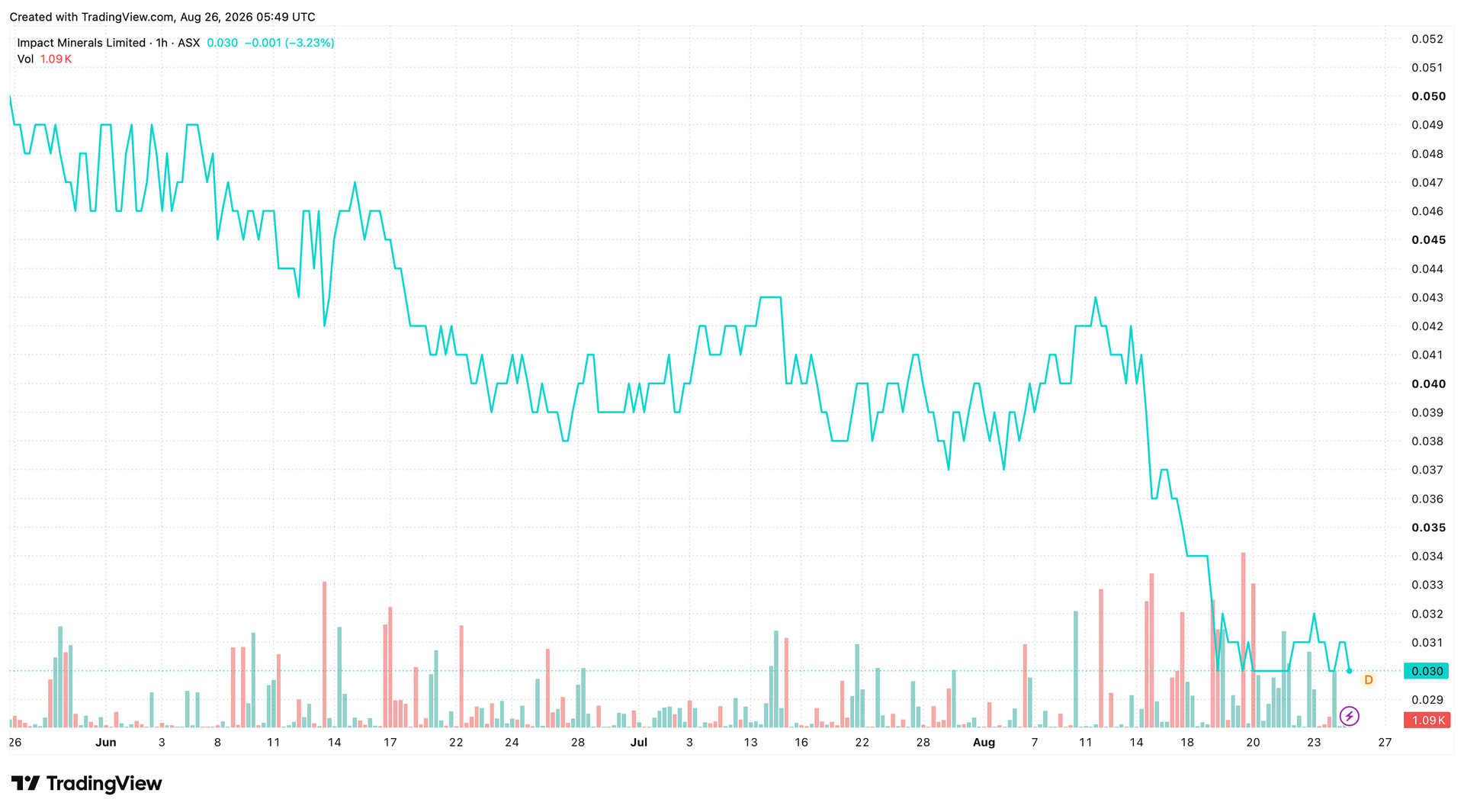
Get the latest on Impact Minerals (ASX: IPT), including stock performance, technical analysis, forecasts & key insights. See if IPO supports your goals.
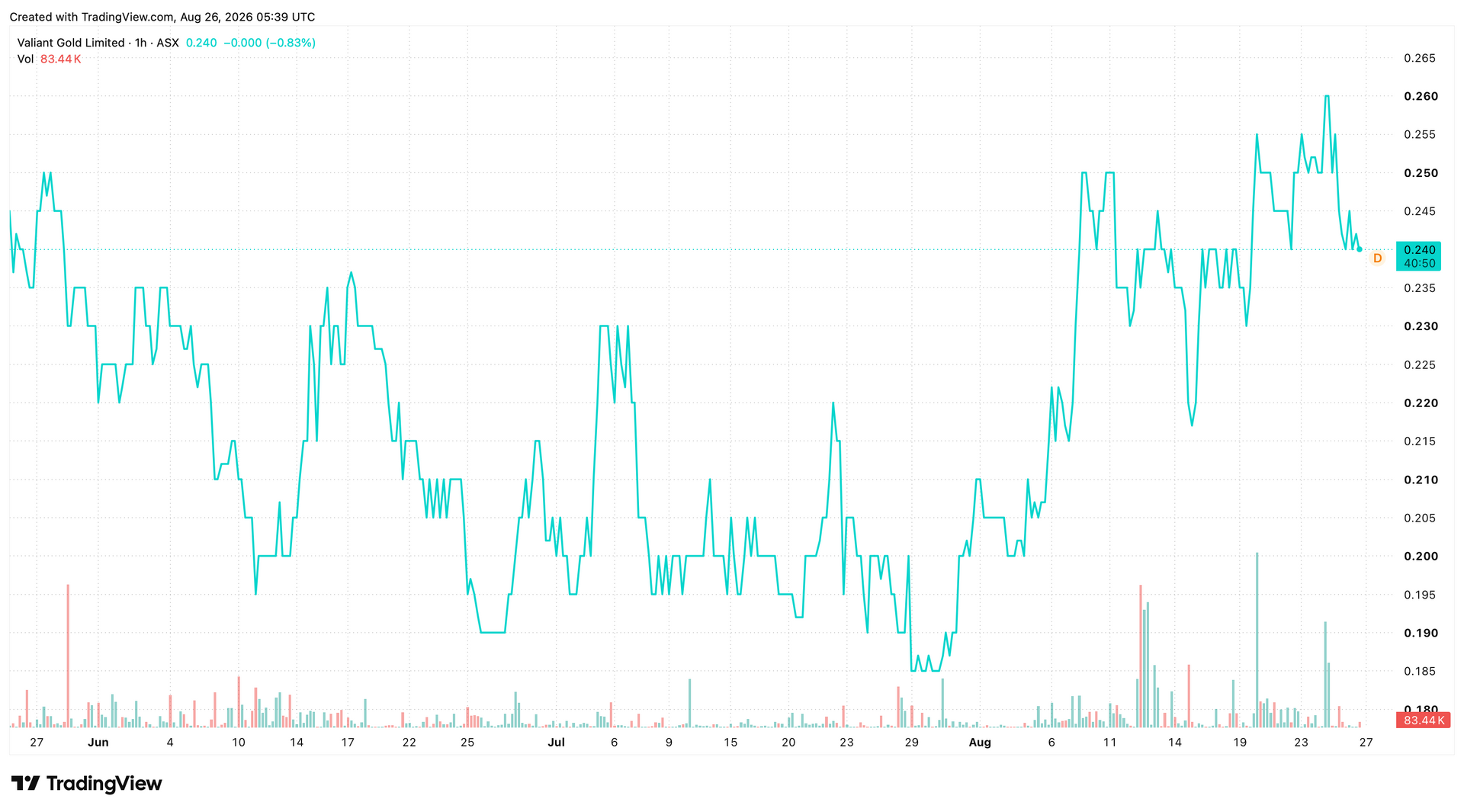
Get the latest on Valiant Gold (ASX: VAL) with our share price, technical analysis, forecasts & key insights. See if this ASX gold stock fits your investment goals.
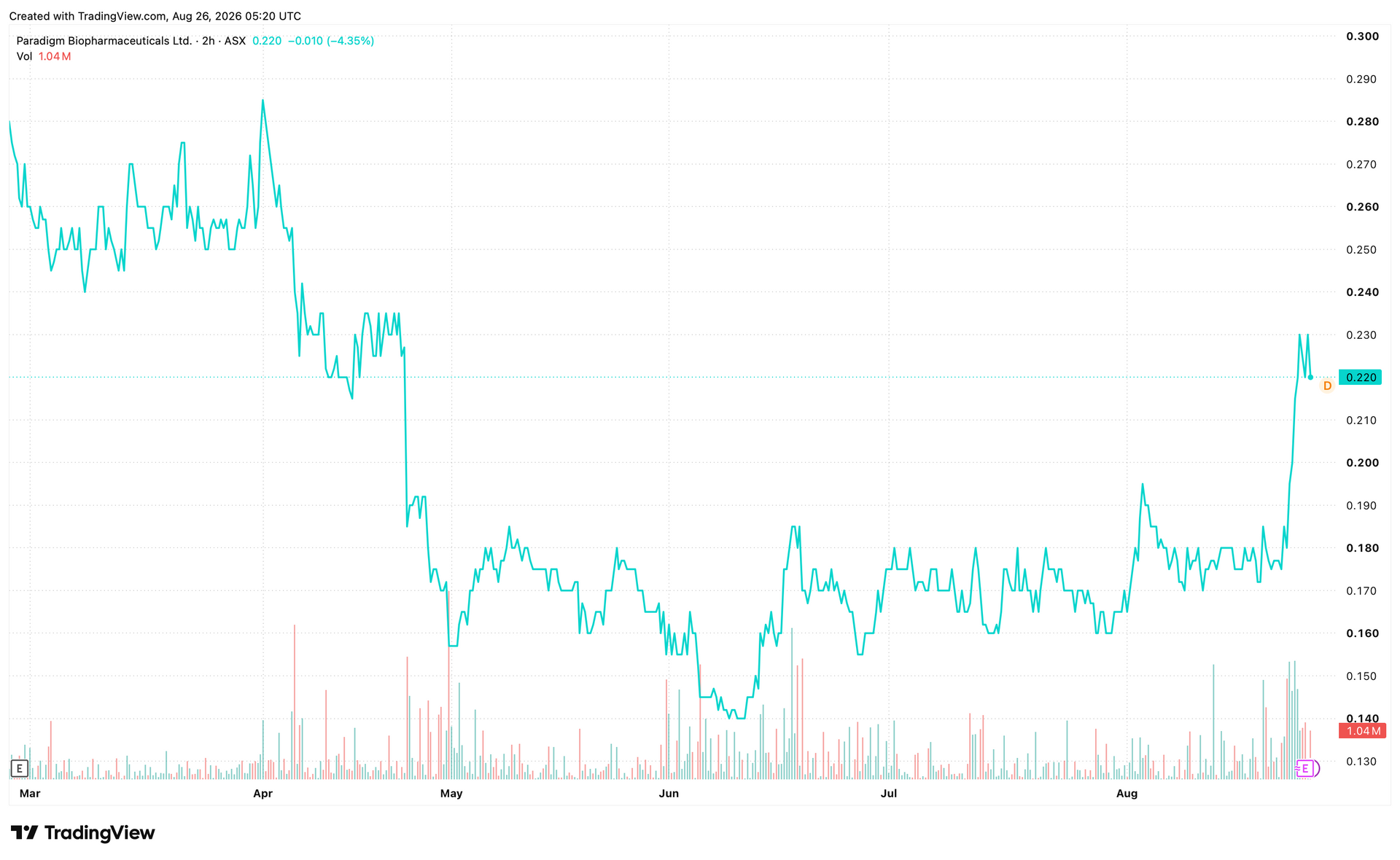
Learn about Percheron Therapeutics (ASX: PER). Offering share price, technical analysis, forecasts & insights. See if this ASX biotech stock fits your goals.

Brent crude hits US$91 as US-Iran talks stall and Strait of Hormuz disruption persists. What's driving the move and what comes next for oil
The RBA holds rates at 4.35% as inflation remains elevated. Here’s what the August decision means for the Australian economy, markets and key sectors.

As AI becomes cheaper to deploy, could the next investment winners shift beyond chipmakers? Explore how the AI cost race is redefining future tech leaders.
