US Markets Rallied Despite High Inflation
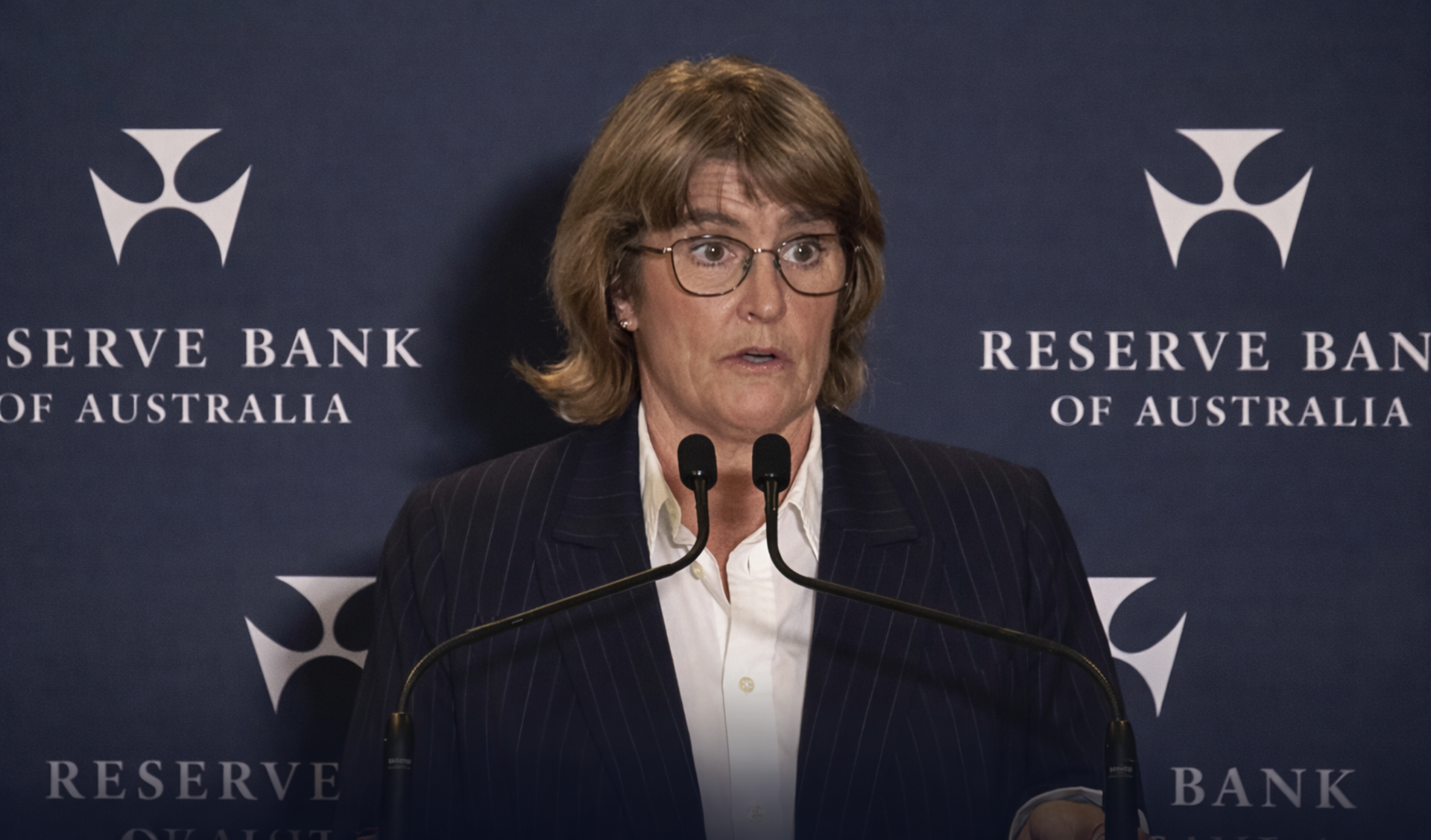
US stocks closed higher on the 13th of October in a stunning reversal. It was the first time that the Dow Jones Industrial average fell 500 points and then rose 800 points in one day, ending 2.8% up for the day. The initial fall of the Dow Jones was the result of inflation data that showed inflation remains persistently high. However, the turnaround came as investors began to find the selling had gone too far and thereby sought to cover their short positions. Consequently, stocks began to turn green around 11am.
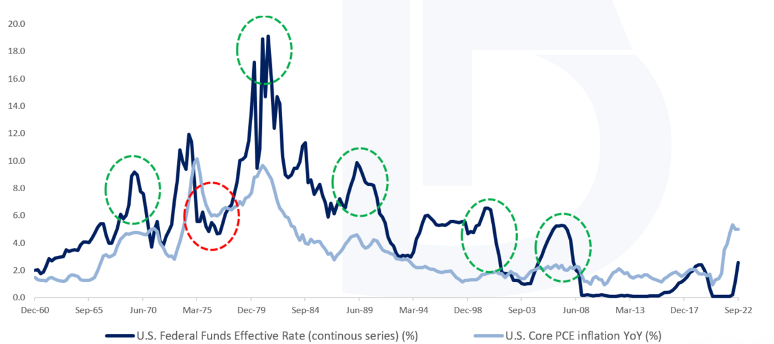
Larger questions surrounding the Fed interest rate has arisen consequently. Specifically, the question turns on whether the Fed will pivot from an interest rate increase of 0.75% to 0.5%. However, the Fed does not pivot its monetary policy while US core Personal consumption Expenditures (PCE) inflation is higher than the official US inflation.
The one exception when the Fed pivoted while PCE inflation was higher than US inflation was in the 1970s. However, this dovish stance arose because unemployment sat at 7.5%. Yet, given unemployment is at 3.5% the Fed is not justified to act dovish on this ground. The point where the US acted dovish is indicated by the red circle in Figure A below, which shows the point at which PCE inflation outpaced the US interest rate. Even though the Fed pivoted in the 1970s this was followed by a string of interest rate rises to bring the economy back into line.
In the peripheral exists debates surrounding whether signs of stress are creeping into markets which might cause the Fed to pivot. Volatility in UK bond markets and debt-funded tax cuts have sparked margin calls for pension funds to be rippled into US junk bonds. Compounding this is the fact that mortgage rates have hit 20-year highs and is likely to add to the pressure on the cooling housing market.
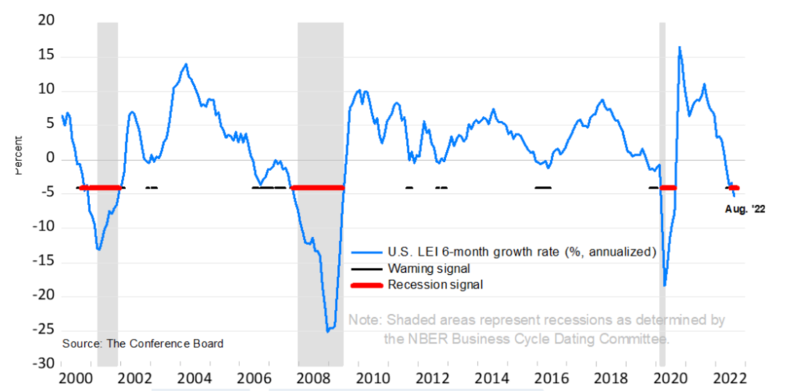
Whether a 0.75% interest rate rise is necessary is further questionable upon consideration of leading macroeconomic indicators across the globe. They highlight that there exists significantly lower economic activity and flashing recession signals. Indeed, the US is likely currently in a recession but given the US has stable unemployment figures, they are unlikely to declare they are in a recession for the moment.
It is a common hope that the Fed will pivot their interest rate to 0.5% however, they have made it clear that interest rate changes will not occur until inflation is at the target level of 2%.
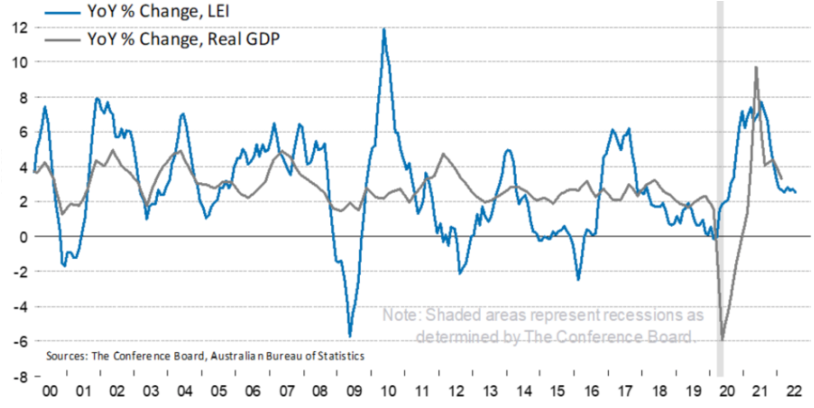
Australia is not immune to the moderating economic activity being experienced across the world, as indicated through its own indicators. However, Banyan Tree Investment Group (2022) hold thats Australia will continue to see "positive economic growth" and they consequently placed "a very low probability on a recession" occurring. They further posited that building approvals are the main drag on Australia's economic activity which is likely to remain subdued so long as the RBA continue to hike up interest rates.
To keep up with the latest finance, tech, crypto and geopolitical news, subscribe to our mailing list.
[Disclaimer: The material across our site is provided for informative purposes only and does not contain investment advice.]
Subscribe to our newsletter
Disclaimer: This article does not constitute financial advice nor a recommendation to invest in the securities listed. The information presented is intended to be of a factual nature only. Past performance is not a reliable indicator of future performance. As always, do your own research and consider seeking financial, legal and taxation advice before investing.
Speak to an Advisor