
Commodities in Focus: Energy, Metals and Precious Assets

Looking ahead to 2026, the commodities market presents both opportunities and challenges. Following a turbulent 2025, marked by supply disruptions, rising interest rates, and geopolitical tensions, investors face a pressing question: which commodities are poised for growth, and how can portfolios be positioned to capture these opportunities while managing risk?
Commodities remain a critical component of diversified investment strategies, providing exposure to global economic growth, inflation hedging, and cyclical trends. Energy, base metals, and precious metals are expected to be key drivers of performance in 2026, each shaped by unique macroeconomic, technological, and geopolitical forces. Understanding these dynamics is essential for informed portfolio positioning.
Looking ahead to 2026, the commodities market presents a nuanced mix of opportunity and risk. Following a turbulent 2025 marked by supply disruptions, elevated interest rates and persistent geopolitical tensions, investors face a familiar but increasingly complex question: which commodities are best positioned to perform, and how should portfolios be structured to capture upside while managing volatility?
Commodities remain a core component of diversified investment strategies. Beyond their traditional role as inflation hedges, they provide exposure to global economic growth, structural investment cycles and evolving energy and technology trends. Energy, base metals and precious metals are expected to be central drivers of performance in 2026, each influenced by distinct macroeconomic, technological and geopolitical forces. Understanding these dynamics is critical for informed portfolio positioning.
Energy Commodities: The Shift to Renewables and Beyond
Energy markets are undergoing transformation. Traditional sources such as oil, natural gas, and coal continue to support global economies, but renewable technologies are reshaping supply and demand. Energy prices are expected to decline modestly in 2026, reflecting ample supply and slower global demand growth, even as renewable capacity expands.
In 2025, Brent crude traded near mid‑AUD 60 per barrel, influenced by inventory fluctuations and geopolitical factors. While global demand remains steady, markets are increasingly shaped by energy transition policies and the push for cleaner alternatives. How producers balance output with emissions reduction commitments will directly impact pricing and profitability.
Renewable energy sources such as solar, wind, and green hydrogen are gaining momentum. Global electricity demand is projected to grow more than 3% per year through 2026, with renewables alongside natural gas and nuclear driving much of this expansion. Renewables are on track to surpass coal as the largest electricity source, increasing demand for supporting materials and infrastructure.
Natural gas plays a transitional role. Despite long-term pressure on fossil fuels, rising electricity demand and industrial consumption underpin continued gas use in power generation and industry.
For investors, positioning portfolios effectively requires balancing traditional energy exposure with opportunities in renewables. Oil and gas companies can provide short- to medium-term cash flow stability, while renewable energy firms capture growth from global decarbonisation trends. A diversified approach across equities, infrastructure, and energy-focused ETFs allows investors to benefit across the energy spectrum while managing policy and market risks.
Base Metals: Copper, Nickel, and Lithium Powering the Green Economy
Base metals sit at the centre of the global shift toward electrification and sustainable infrastructure. Copper, nickel and lithium are essential inputs for electric vehicles, renewable energy systems, battery storage and power grid expansion.
Copper, often referred to as the “metal of electrification,” remains a standout. Demand continues to be supported by infrastructure investment, renewable energy deployment and electric vehicle adoption. At the same time, supply growth remains constrained by declining ore grades, long development timelines and heightened regulatory scrutiny. These factors have contributed to persistent market tightness.
Forecasts suggest copper prices could approach USD 11,500 per tonne by early 2026 and rise toward USD 13,000 per tonne by year-end, supported by ongoing supply deficits and structurally strong demand. Prices reached approximately AUD 11,870 per tonne in late 2025, more than 20% above prior quarterly averages. Australia’s copper exports are projected to increase materially over the coming years, lifting export volumes and earnings as global demand accelerates.
Lithium remains another key growth driver. As electric vehicle battery production scales, lithium demand is projected to grow at double-digit rates through the mid-2020s. Demand for lithium, nickel, cobalt, graphite and copper is expected to rise sharply over the coming decades as clean energy technologies expand, with lithium demand outpacing most major commodities.
Despite the constructive demand outlook, base metals remain exposed to supply concentration and geopolitical risk, as production is often located in a limited number of regions. Policy changes, trade restrictions or operational disruptions can have outsized impacts on global markets.
Investors can gain through mining equities, commodity-focused ETFs, or futures markets, but supply risks, production costs, and geopolitical factors should be considered. A balanced approach that combines established producers with companies positioned to benefit from the green economy can capture both near-term gains and long-term structural growth from electrification and renewable energy adoption.
Precious Metals: Gold and Silver as Safe Havens
Precious metals continue to play a distinct role within diversified portfolios, offering protection against uncertainty, inflation and currency volatility.
Gold delivered a historic rally in 2025, rising more than 60% and marking its strongest annual performance in decades. Continued central bank buying, geopolitical uncertainty and concerns around fiscal sustainability have reinforced gold’s role as a strategic store of value. Forecasts suggest gold prices could reach approximately USD 4,800 per ounce by late 2026 if investor and central bank demand remains robust.
Silver also recorded exceptional gains in 2025, rising more than 140%. Its dual role as both a precious metal and an industrial input, particularly in solar energy and electronics, underpins its appeal. While more volatile than gold, silver offers a combination of defensive characteristics and exposure to energy transition demand.
Other metals, including platinum and palladium, are also drawing attention due to their use in automotive catalytic converters and emerging green hydrogen technologies. For investors, diversifying across a basket of precious metals rather than focusing solely on gold can provide a stronger hedge against macroeconomic and geopolitical risks.
The takeaway for investors is clear: allocating a portion of a portfolio to gold, silver, or other strategic metals can help manage risk while maintaining exposure to potential industrial demand growth.
Risks and Considerations for 2026
Despite a constructive outlook for select commodity segments, risks remain elevated. Macroeconomic factors such as inflation, central bank policy settings and global growth trends will continue to influence prices. The World Bank forecasts that overall commodity prices could decline by around 7% in 2026, reflecting subdued economic activity, even as specific sectors outperform.
Geopolitical developments remain a key source of volatility, particularly in energy and base metals markets. Trade restrictions, sanctions and instability in resource-rich regions can disrupt supply chains with little warning. Technological change and policy shifts also present both opportunities and risks, particularly across energy transition and electric vehicle supply chains.
Given these dynamics, diversification across commodity types, regions, and asset classes, combined with measured allocation sizes, can help investors manage these risks while maintaining exposure to growth opportunities.
Positioning Portfolios for Commodities in 2026
A strategic, diversified approach is essential for navigating commodities in 2026. Exposure to energy, base metals, and precious metals can be achieved through equities, ETFs, and, for sophisticated investors, commodity futures. Balancing traditional energy with renewables, combining industrial metals for growth with precious metals for stability, and maintaining a long-term perspective are key principles.
Investment horizons should also guide allocation decisions. Long-term investors may prioritise metals tied to the green economy and renewable infrastructure, while those seeking short-term hedges may focus on precious metals or energy commodities with immediate supply-demand catalysts.
Data-driven insights point to ongoing strength in copper and lithium demand, more modest growth in traditional energy consumption and sustained interest in gold as a hedge against inflation and geopolitical risk.
Conclusion
In 2026, commodities offer a compelling blend of growth potential and defensive characteristics. Energy markets continue to evolve amid transition pressures, base metals are central to electrification and infrastructure investment, and precious metals retain their role as portfolio stabilisers.
Success in this environment will depend on understanding the distinct drivers across commodity segments, actively managing macroeconomic and geopolitical risks, and maintaining diversified exposure aligned with investment objectives. For investors willing to adopt a disciplined and strategic approach, commodities remain a powerful tool for navigating an increasingly complex global economy.
Subscribe to our newsletter
Disclaimer: This article does not constitute financial advice nor a recommendation to invest in the securities listed. The information presented is intended to be of a factual nature only. Past performance is not a reliable indicator of future performance. As always, do your own research and consider seeking financial, legal and taxation advice before investing.
Speak to an Advisor

Big Tech reports next week. Learn how to read earnings releases and filings, and what to look for in AI spending, cloud growth, cash flow and guidance.

Understand how AI investment could affect global financial stability, as the IMF and RBA warn of rising debt, market concentration and funding risks.

Firmus’ proposed mega-IPO puts a spotlight on the cost, capital intensity and risks of building AI infrastructure as investors weigh the next phase of the AI boom.
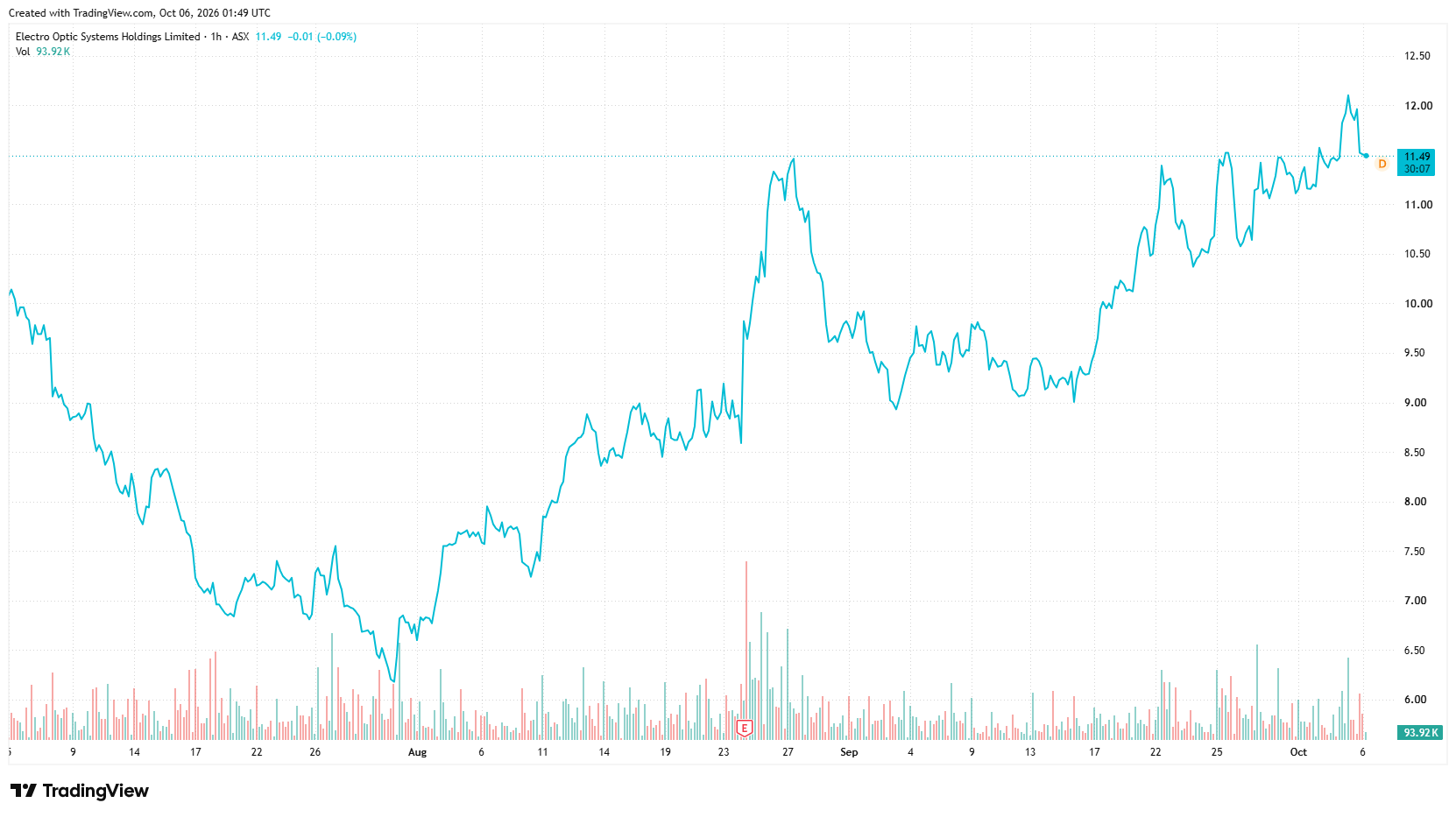
About Electro Optic Systems Holdings Ltd. Electro Optic Systems Holdings Limited engages in the development, manufacture, and sale of telescopes and dome enclosures, laser satellite tracking systems, remote weapon systems, and high laser weapon. It operates through Defense Systems and Space Systems segments. The company develops, manufactures, and markets fire control, surveillance, weapon systems, and high energy laser to military customers. It also provides passive optical and laser sensing equipment; optical, microwave and on-the-move radio and satellite products; and laser-based surveillance systems with space tracking capability. In addition, the company offers counter-drone, firepower, force protection, and UGV and marine lethality systems, as well as high energy laser weapon; optical tracking systems, space control, space domain awareness, satellite laser ranging, space sustainability, and precision optics. It operates in Australia, the United States, Singapore, the United Arab Emirates, the United Kingdom, New Zealand, the Netherlands, North America, Germany, and rest of Europe. Electro Optic Systems Holdings Limited was founded in 1983 and is based in Symonston, Australia. Source: EODHD Key Stats
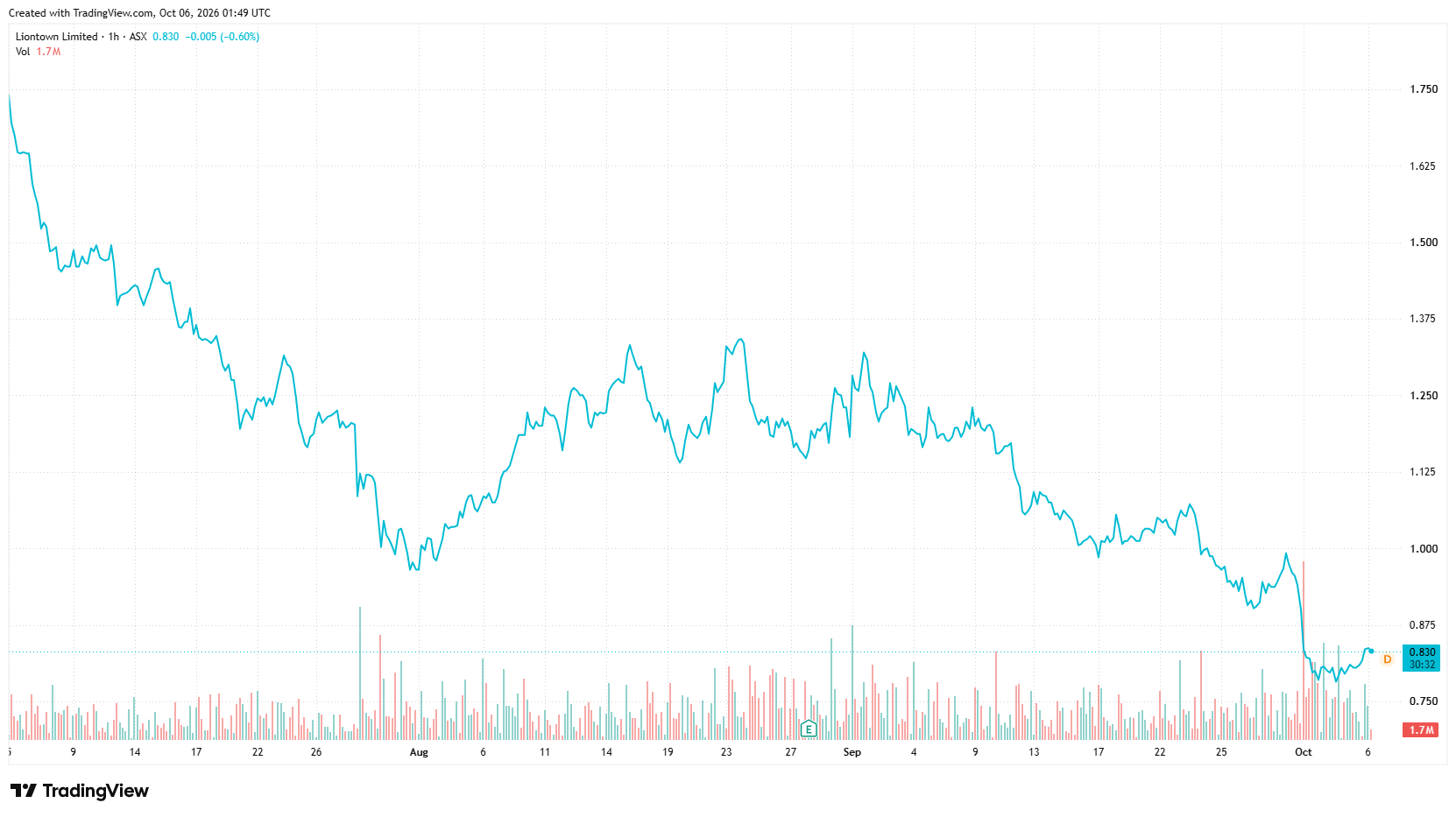
About Liontown Ltd. Liontown Limited engages in the exploration, evaluation, and development of mineral properties in Australia. It primarily explores for lithium, gold, and nickel deposits. The company's flagship property is the Kathleen Valley lithium project located in Perth, Western Australia. The company was formerly known as Liontown Resources Limited and change its name to Liontown Limited in November 2025. Liontown Limited was incorporated in 2006 and is headquartered in West Perth, Australia. Source: EODHD Key Stats

The RBA has raised rates to 4.60% as inflation pressures persist. Explore the impact of energy costs, AI demand and the key signals investors should watch next.

Discover how advances in genomics, AI, diagnostics and gene editing are creating a broader healthcare opportunity and where commercial value is emerging.

The AI trade is being forced to rethink the pace of progress. Here is what investors should watch across Nvidia, chips, AI spending, software and adoption.

Copper is at a record high, yet the global market still has a surplus. So where is all the copper, and why is it becoming harder to find?
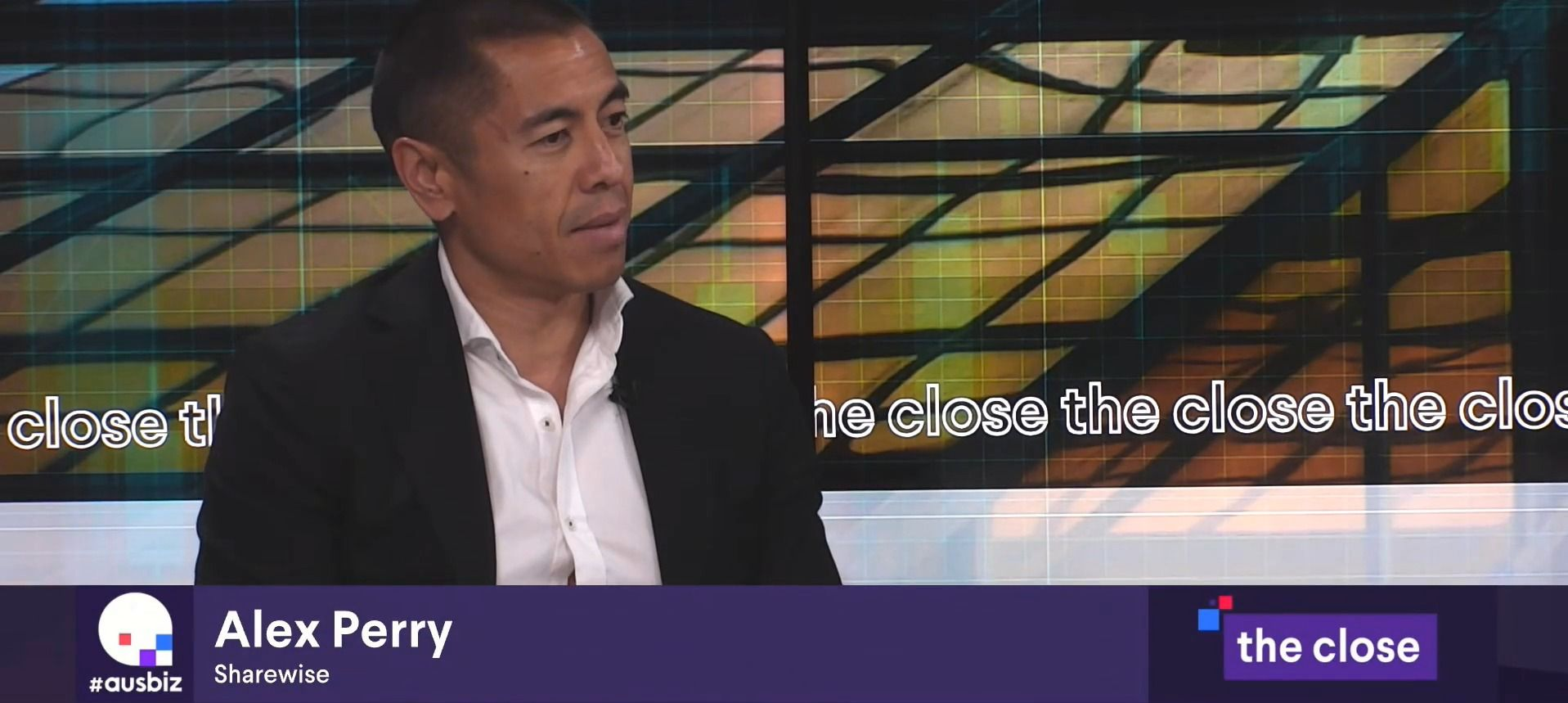
Sharewise CEO Alex Perry sat down with ausbiz to unpack how the platform approached FY26, a year in which it reported an ASX return of almost 11% and a US return above 32%. The conversation ranged from the AI infrastructure theme to specific names on Perry's radar in resources and quantum computing. Here's a rundown of the key points.
