
How to Handle Market Corrections Calmly: A Guide for Retail Investors

By understanding how corrections typically unfold and why markets behave the way they do during periods of volatility, investors can approach these episodes with greater confidence and discipline. The challenge is not avoiding corrections, which is neither realistic nor necessary, but managing behaviour and portfolio positioning in a way that preserves long-term investment objectives. Learning to respond calmly during market pullbacks helps reduce emotional decision-making and improves outcomes over time, transforming periods of market anxiety into opportunities to reinforce long-term investment discipline.
What Triggers Market Corrections and How Long Do They Last
Market corrections are a recurring feature of financial markets and, in many cases, a healthy one. Periodic pullbacks allow markets to reset valuations, reassess expectations and incorporate new information after extended periods of optimism.
Corrections can be triggered by a range of factors. Changes in macroeconomic conditions, such as shifts in interest rate expectations, inflation trends or economic growth outlooks, often prompt investors to reassess risk. Corporate earnings can also act as catalysts, particularly when results or forward guidance fall short of expectations. Geopolitical developments, including trade tensions, regulatory changes or regional conflicts, may further elevate uncertainty and drive short-term risk aversion.
Investor sentiment plays a central role in both the onset and pace of corrections. Extended market rallies can foster complacency, leaving markets more vulnerable to negative surprises. When sentiment turns, selling pressure can accelerate even in the absence of material economic deterioration. Historically, equity markets have experienced frequent corrections, typically involving low-to-mid-teens declines, underscoring that volatility is a normal part of market functioning.
In terms of duration, corrections are often shorter than investors anticipate. Most have unfolded over weeks or a few months rather than years, with the majority followed by recoveries rather than prolonged downturns. While some corrections have developed into full bear markets, these outcomes have been the exception rather than the rule. Importantly, recoveries often begin while sentiment remains fragile, highlighting the difficulty and risk of attempting to time market exits and re-entries. Recognising corrections as temporary interruptions within longer-term market trends can help investors remain disciplined and focused on long-term objectives during periods of volatility.
The Behavioural Challenge: Why Corrections Feel Worse Than They Are
One of the most significant risks during market corrections is not the decline in asset prices itself, but how investors react to it. Behavioural finance research consistently shows that losses feel more painful than equivalent gains feel rewarding. This asymmetry can lead investors to make decisions that undermine long-term performance.
Common behavioural responses during corrections include selling assets to “stop the pain,” attempting to time the market by moving in and out of positions, or abandoning a well-constructed investment strategy in favour of short-term certainty. These actions often lock in losses and reduce the ability to participate in subsequent recoveries.
Calm decision-making requires acknowledging these emotional responses without allowing them to dictate portfolio actions. Investors who can remain anchored to long-term objectives and portfolio strategy, and separate market noise from investment fundamentals are more likely to preserve capital and long-term returns.
What Should Investors Do During a Correction?
Market corrections can act as both a stress test for portfolios and an opportunity for disciplined investors. While volatility can prompt anxiety, corrections rarely justify wholesale changes to a sound investment strategy. Instead, they tend to reward patience, structure and consistency.
Maintain a long-term perspective
Corrections are typically temporary within the context of long-term market growth. Investors with multi-year objectives, such as retirement or wealth accumulation, are often best served by viewing pullbacks as part of the investment journey rather than as exit signals. Resisting the urge to sell during downturns is one of the most important decisions for long-term investors, as reacting to short-term declines can permanently impair capital. Staying invested allows portfolios to participate in recoveries, which historically have followed most market downturns.
Review asset allocation and diversification
Diversification is one of the most effective ways to mitigate risk during corrections. Portfolios spread across asset classes, sectors, and geographies tend to experience lower volatility. Corrections provide a natural opportunity to assess whether current allocations remain aligned with long-term objectives. Rebalancing, if necessary, restores the intended risk profile and prevents reactive decisions based on short-term market movements.
- Equities: Diversifying across sectors such as technology, healthcare, industrials, and consumer staples can reduce concentration risk.
- Fixed income: Bonds or bond ETFs can provide stability and income when equities are under pressure
- Alternative assets: Real assets, commodities, or real estate investment trusts can add additional layers of diversification.
Focus on quality and fundamentals
Periods of volatility often reward quality. Companies with strong balance sheets, resilient earnings, and sustainable competitive advantages are more likely to withstand market turbulence. Key considerations include low debt levels, healthy cash flow, diversified revenue streams, and dividend-paying capacity. Emphasising fundamentals over short-term price movements helps investors avoid reactionary decisions.
Keep cash or liquidity reserves
Holding an appropriate level of cash provides flexibility during periods of volatility. Rather than being forced to sell assets at depressed prices, investors with liquidity can selectively deploy capital when valuations become more attractive. A cash buffer supports optionality and can improve long-term outcomes by enabling measured, opportunistic decision-making during corrections.
Avoid panic-driven decisions
Selling assets after sharp declines often locks in losses and reflects emotion rather than fundamentals. Market volatility can amplify negative sentiment, but decisions made under stress are rarely optimal. Allowing time for emotions to settle before making changes can lead to more rational, objective decision-making.
Seek professional guidance
Professional advice can be particularly valuable during periods of market stress. An experienced adviser provides perspective, reinforces discipline and helps ensure decisions remain aligned with long-term objectives when confidence is tested.
Managing Behaviour and Reframing Volatility
Beyond portfolio construction, investor psychology plays a decisive role in outcomes during periods of market volatility. Setting realistic expectations about fluctuations reduces emotional impact, while limiting constant portfolio monitoring helps prevent reactionary decisions. A clearly defined investment framework, including pre-set rebalancing or contribution rules, reinforces discipline when markets are unsettled. Professional advice can further strengthen this process by maintaining focus on strategy rather than short-term sentiment.
Equally important is perception. Corrections are a normal part of investing, not failures. They reveal how assets behave under stress, highlight unintended portfolio concentrations, and test whether risk tolerance and asset allocation remain appropriate. For investors aligned with long-term goals, such as wealth accumulation, income generation, or retirement, short-term drawdowns are less important than a portfolio’s ability to deliver over time.
Key Takeaways for Retail Investors
- Corrections are normal: Expect market volatility and view it as part of the investment cycle.
- Maintain perspective: Focus on long-term objectives rather than short-term price movements.
- Diversify: Spread investments across asset classes, sectors, and geographies to manage risk.
- Prioritize quality: Companies with strong fundamentals and resilient earnings weather declines better.
- Stay disciplined: Avoid panic selling or impulsive trading; consider rebalancing and selective opportunities.
- Use professional guidance: Advisors can provide clarity and confidence during volatile periods.
By applying these principles, retail investors can navigate corrections calmly, preserve capital, and position their portfolios for recovery and growth.
Conclusion
Market corrections are an inevitable aspect of investing, but they do not have to derail long-term strategies. Retail investors who remain disciplined, diversified and focused on fundamentals are better equipped to manage volatility and protect long-term outcomes.
Preparation, perspective and patience are essential. By understanding the drivers of market corrections and maintaining a long-term focus, investors can reduce emotional decision-making, identify opportunities and stay on track toward achieving their financial objectives. What may feel like a setback in the moment can ultimately become a constructive step forward in building sustainable wealth.
Subscribe to our newsletter
Disclaimer: This article does not constitute financial advice nor a recommendation to invest in the securities listed. The information presented is intended to be of a factual nature only. Past performance is not a reliable indicator of future performance. As always, do your own research and consider seeking financial, legal and taxation advice before investing.
Speak to an Advisor

Big Tech reports next week. Learn how to read earnings releases and filings, and what to look for in AI spending, cloud growth, cash flow and guidance.

Understand how AI investment could affect global financial stability, as the IMF and RBA warn of rising debt, market concentration and funding risks.

Firmus’ proposed mega-IPO puts a spotlight on the cost, capital intensity and risks of building AI infrastructure as investors weigh the next phase of the AI boom.
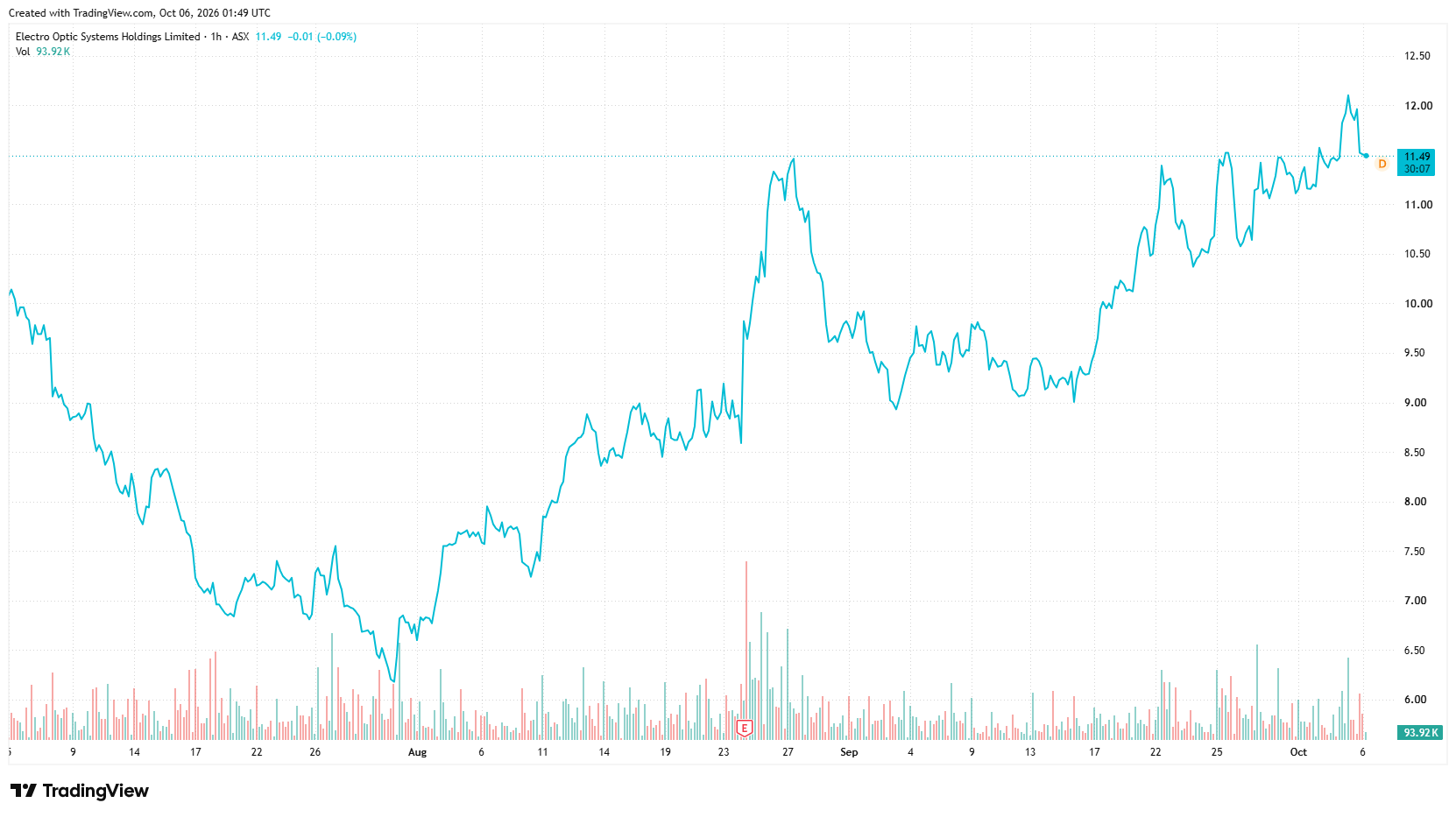
About Electro Optic Systems Holdings Ltd. Electro Optic Systems Holdings Limited engages in the development, manufacture, and sale of telescopes and dome enclosures, laser satellite tracking systems, remote weapon systems, and high laser weapon. It operates through Defense Systems and Space Systems segments. The company develops, manufactures, and markets fire control, surveillance, weapon systems, and high energy laser to military customers. It also provides passive optical and laser sensing equipment; optical, microwave and on-the-move radio and satellite products; and laser-based surveillance systems with space tracking capability. In addition, the company offers counter-drone, firepower, force protection, and UGV and marine lethality systems, as well as high energy laser weapon; optical tracking systems, space control, space domain awareness, satellite laser ranging, space sustainability, and precision optics. It operates in Australia, the United States, Singapore, the United Arab Emirates, the United Kingdom, New Zealand, the Netherlands, North America, Germany, and rest of Europe. Electro Optic Systems Holdings Limited was founded in 1983 and is based in Symonston, Australia. Source: EODHD Key Stats
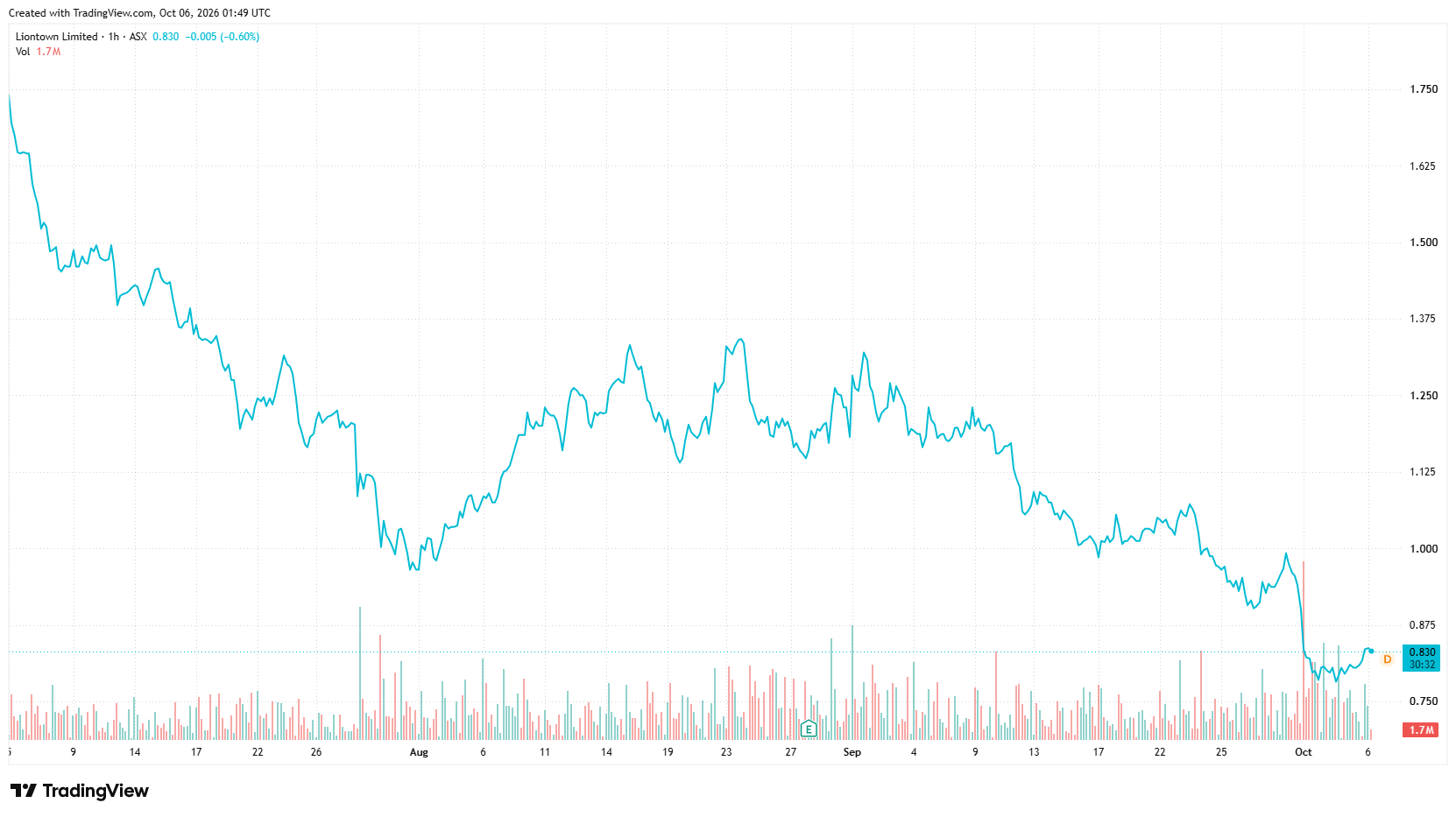
About Liontown Ltd. Liontown Limited engages in the exploration, evaluation, and development of mineral properties in Australia. It primarily explores for lithium, gold, and nickel deposits. The company's flagship property is the Kathleen Valley lithium project located in Perth, Western Australia. The company was formerly known as Liontown Resources Limited and change its name to Liontown Limited in November 2025. Liontown Limited was incorporated in 2006 and is headquartered in West Perth, Australia. Source: EODHD Key Stats

The RBA has raised rates to 4.60% as inflation pressures persist. Explore the impact of energy costs, AI demand and the key signals investors should watch next.

Discover how advances in genomics, AI, diagnostics and gene editing are creating a broader healthcare opportunity and where commercial value is emerging.

The AI trade is being forced to rethink the pace of progress. Here is what investors should watch across Nvidia, chips, AI spending, software and adoption.

Copper is at a record high, yet the global market still has a surplus. So where is all the copper, and why is it becoming harder to find?
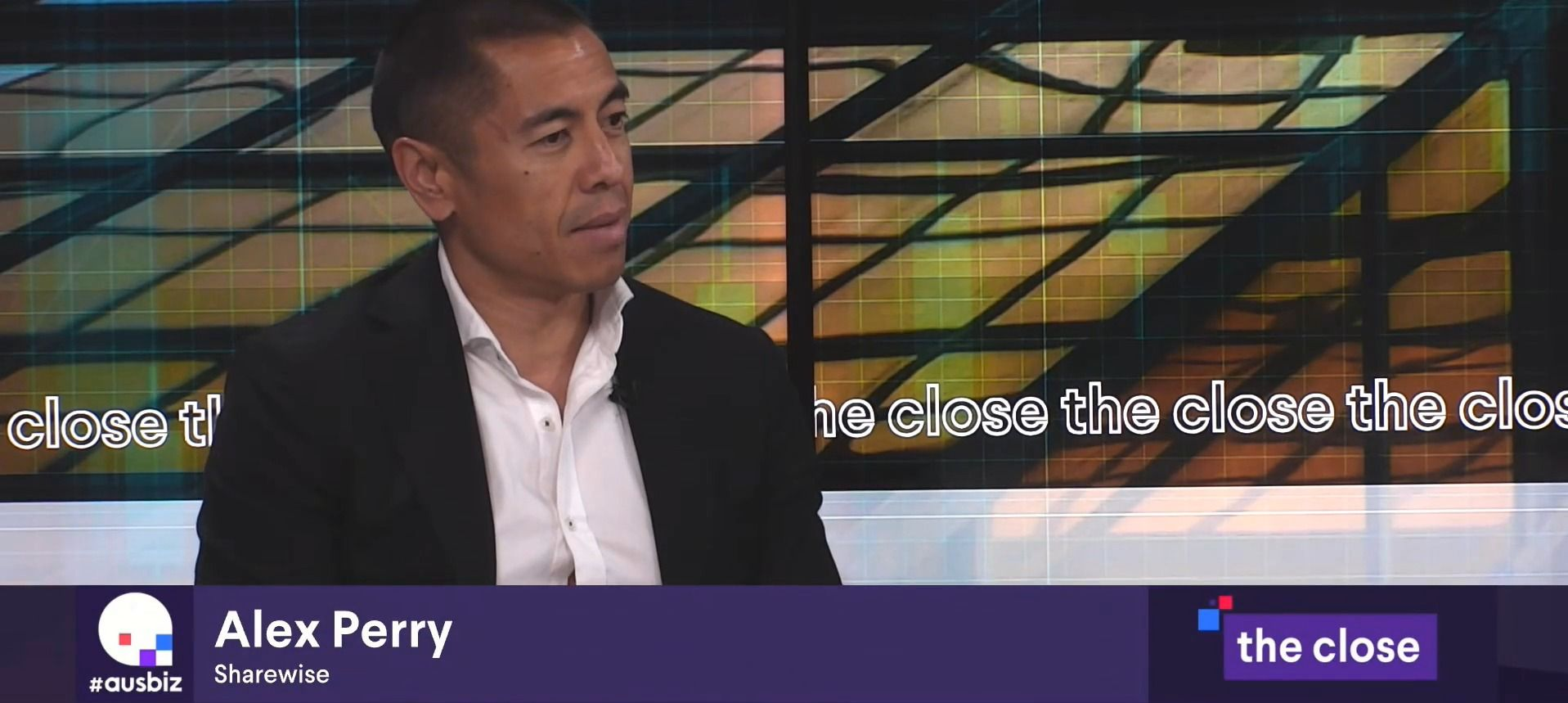
Sharewise CEO Alex Perry sat down with ausbiz to unpack how the platform approached FY26, a year in which it reported an ASX return of almost 11% and a US return above 32%. The conversation ranged from the AI infrastructure theme to specific names on Perry's radar in resources and quantum computing. Here's a rundown of the key points.
