
The New Energy Paradox: Why the Gulf Crisis Is Supporting Both Oil and Renewables

The Gulf remains the single most consequential node in the global energy system. A substantial share of the world’s oil and liquefied natural gas exports passes through its waters, making the region central to global supply stability. When tensions escalate in this region, the effects are not confined locally. They influence commodity prices, energy policy and capital allocation across global markets.
The present moment is distinctive because the same geopolitical shock is reinforcing two investment narratives often portrayed as competing. Conflict risk is prompting renewed investment in oil and gas as governments and energy companies prioritise supply security and system reliability. At the same time, the instability that highlights the importance of hydrocarbons is accelerating the push toward renewable energy, electrification and energy independence. The vulnerabilities associated with concentrated supply routes have once again been made visible.
Two timelines are unfolding simultaneously. One reflects the near term requirement to maintain reliable hydrocarbon supply. The other reflects the longer term structural shift toward diversified and lower carbon energy systems. For investors, the central question is not which narrative dominates, but whether portfolios recognise the coexistence of both forces.
The Gulf Still Runs the World's Energy System
The Persian Gulf is not simply an important producing region. In the near term it remains structurally irreplaceable within the global energy system. Roughly one third of the world’s seaborne oil passes through the Strait of Hormuz. Several of the largest liquefied natural gas export terminals operate along the Gulf coastline. When disruptions occur in this region there are few immediate alternatives capable of replacing the lost supply.
This characteristic distinguishes Gulf tensions from most other geopolitical flashpoints. Instability elsewhere may be disruptive. Instability in the Gulf has systemic implications. Events such as the shutdown of Qatar’s LNG export facilities or the suspension of refining operations in Saudi Arabia remove critical nodes from a system that already operates with limited redundancy.
This structural vulnerability explains why energy prices and risk premiums adjust quickly when tensions escalate. The market understands that supply shocks in the Gulf affect the global balance immediately. What remains uncertain is the duration of disruption and whether supply constraints persist for an extended period. It is within that uncertainty that the most significant investment decisions begin to emerge.
The Return of Oil Investment
Rising oil prices do more than increase revenues across the energy sector. They reshape the economics of supply. Higher prices improve the viability of projects that were previously marginal, strengthen producer cash generation and influence political and regulatory attitudes toward fossil fuel development. The current conflict in the Gulf has triggered this repricing, but it is occurring within a structural context that supports a more durable investment cycle.
Global oil markets entered this period after nearly a decade of sustained underinvestment. Between 2015 and 2022 energy companies faced pressure from investors, regulators and governance frameworks to reduce capital expenditure in exploration and production. This discipline strengthened balance sheets across the sector while leaving the global supply system leaner and with less spare capacity than in previous cycles.
When disruptions occur in a system with limited redundancy, price responses tend to be sharper and supply adjustments slower. That condition was already present before the current conflict began. The surge in energy prices following Russia’s invasion of Ukraine offers a useful precedent. Energy companies responded by sanctioning new projects, strengthening balance sheets and returning capital to shareholders through dividends and buybacks. The present environment could produce a comparable response cycle, particularly as company balance sheets are stronger than they were entering 2022 and energy security has returned as a policy priority.
Natural gas deserves particular attention within this cycle. As economies reduce coal dependency while managing the intermittency of renewable power systems, gas has become an essential bridge fuel supporting electricity generation, industrial activity and grid stability. The disruption to Qatar’s LNG export capacity has reinforced the value of supply outside the Gulf. For investors the opportunity extends beyond a short term oil price trade and instead reflects potential exposure to a renewed earnings cycle across energy producers with strong balance sheets, reliable cash generation and strategically valuable assets.
Why This Accelerates the Energy Transition
Almost every major oil shock in modern history has produced a similar policy response. Governments pursue greater energy independence. The oil embargo of the 1970s led to fuel economy standards and early solar research programmes. The Ukraine energy crisis prompted Europe to accelerate clean energy deployment at unprecedented speed.
The mechanism is straightforward. When an economy becomes visibly exposed to the decisions of external energy suppliers, the domestic incentive to reduce that dependency strengthens quickly. Energy security becomes a political priority that attracts funding and cross party support.
The current shock may accelerate this process because the economics of alternative technologies have changed. Solar and wind generation are no longer expensive experimental technologies. In many markets they represent the lowest cost sources of new electricity supply. The economic case for renewable energy is therefore reinforcing the strategic goal of reducing exposure to volatile fossil fuel markets.
Electrification extends this structural trend. As transport, heating and industrial systems shift toward electricity, global demand for power generation will expand significantly. Renewable energy capacity will play an increasing role in meeting this demand.
The transition will not progress in a perfectly linear manner. Higher energy prices can contribute to inflation, which may lead to higher interest rates. Renewable energy infrastructure is highly capital intensive, so financing costs influence the pace of project development. The long term direction remains clear even if the path toward it experiences periods of volatility.
ASX Deep Dive: Where the Opportunity Sits
For Australian investors the energy shock is reflected across several parts of the ASX and not always in the same direction. Broad sector exposure is unlikely to capture the full opportunity set. Positioning requires a more selective approach.
Oil and gas producers
reacted first. Woodside Energy Group, Santos Ltd and Beach Energy Ltd all opened higher as tensions escalated. Australia is a major LNG exporter and with supply disruptions affecting Middle Eastern producers, Asian buyers are actively seeking alternative cargoes. Woodside’s LNG portfolio provides direct exposure to this demand shift. Santos offers a more diversified version of the trade through its PNG operations, which supply LNG through routes less exposed to Gulf shipping risks. Beach Energy’s strong share price response reflects its leverage to domestic east coast gas markets rather than international LNG flows.
Investors considering these names should recognise that the initial price response has been significant. Further upside depends largely on the duration of supply disruption. Any credible signal of de escalation could reverse part of the move. These exposures are better treated as tactical positions rather than structural portfolio allocations.
The longer duration opportunity sits within critical minerals. The energy transition relies on lithium, copper, nickel and rare earth elements. Australia remains one of the world’s leading producers of these resources. Companies extracting and processing these materials are not direct oil price trades. They represent infrastructure exposure to a global economy that is accelerating electrification and renewable energy deployment.
The renewable energy and grid infrastructure segment
presents a more nuanced near term outlook. Policy support continues to strengthen but a higher interest rate environment can influence project economics. Investors may find more attractive entry points during periods of weakness rather than pursuing momentum following short term market moves.
Gold producers
such as Evolution Mining Ltd and Northern Star Resources Ltd are also performing their traditional role during periods of geopolitical uncertainty. With spot gold trading near record levels these stocks have already benefited from safe haven flows. Within diversified portfolios they function primarily as stabilising positions.
Investment Implications: A Dual-Track Energy Cycle
The most useful framework for interpreting current energy markets is a dual track investment cycle. Two parallel waves of capital allocation are underway. They are driven by different economic forces and operate on different timelines.
The first track centres on oil and gas. This cycle is driven by supply security concerns, years of underinvestment and elevated commodity prices. Companies positioned strongly within this track typically have low cost production assets, strong balance sheets and resource portfolios that are difficult to replicate.
The second track centres on clean energy, electrification and the supply chains that support them. This cycle is driven by policy direction, economic competitiveness and strategic necessity. The opportunity set extends across renewable power generation, grid infrastructure, energy storage and critical minerals.
The return profile of each track differs. Hydrocarbon producers benefit directly from commodity price strength and supply disruptions. Renewable and electrification companies are supported by long term structural demand growth.
Investors positioned successfully in this environment are unlikely to concentrate exclusively on one track. A balanced approach recognises that both cycles are advancing simultaneously. Exposure to both segments allows portfolios to capture near term commodity dynamics while maintaining participation in the longer term transformation of the global energy system.
Conclusion
The events of late February 2026 did not create new dynamics in the energy sector. They accelerated existing ones. The case for oil investment was already strengthening on supply fundamentals. The case for the energy transition was already being made on cost and policy grounds. The conflict has simply compressed the timeline on both and made the stakes of getting the positioning right considerably higher.
Recent geopolitical developments did not introduce new forces into the energy sector. They accelerated trends that were already taking shape. Supply constraints and years of underinvestment had begun strengthening the investment case for oil and gas, while falling technology costs and policy momentum were reinforcing the expansion of renewable energy and electrification. The current conflict has compressed the timeline for both dynamics and placed energy security back at the centre of economic and policy discussions.
The energy complex has repriced. That repricing is not finished. And for investors with the patience to hold both sides of the trade, the current environment is not a crisis to navigate. It is a setup to take seriously.
Energy markets have already repriced in response to the disruption, but the adjustment is unlikely to be complete. Oil and gas will remain essential to maintaining supply stability, while renewable energy and electrification continue to expand their share of the global system. For investors, the opportunity lies not in choosing between these paths, but in recognising that both are advancing simultaneously and positioning portfolios to capture the benefits of each.
Subscribe to our newsletter
Disclaimer: This article does not constitute financial advice nor a recommendation to invest in the securities listed. The information presented is intended to be of a factual nature only. Past performance is not a reliable indicator of future performance. As always, do your own research and consider seeking financial, legal and taxation advice before investing.
Speak to an Advisor

Big Tech reports next week. Learn how to read earnings releases and filings, and what to look for in AI spending, cloud growth, cash flow and guidance.

Understand how AI investment could affect global financial stability, as the IMF and RBA warn of rising debt, market concentration and funding risks.

Firmus’ proposed mega-IPO puts a spotlight on the cost, capital intensity and risks of building AI infrastructure as investors weigh the next phase of the AI boom.
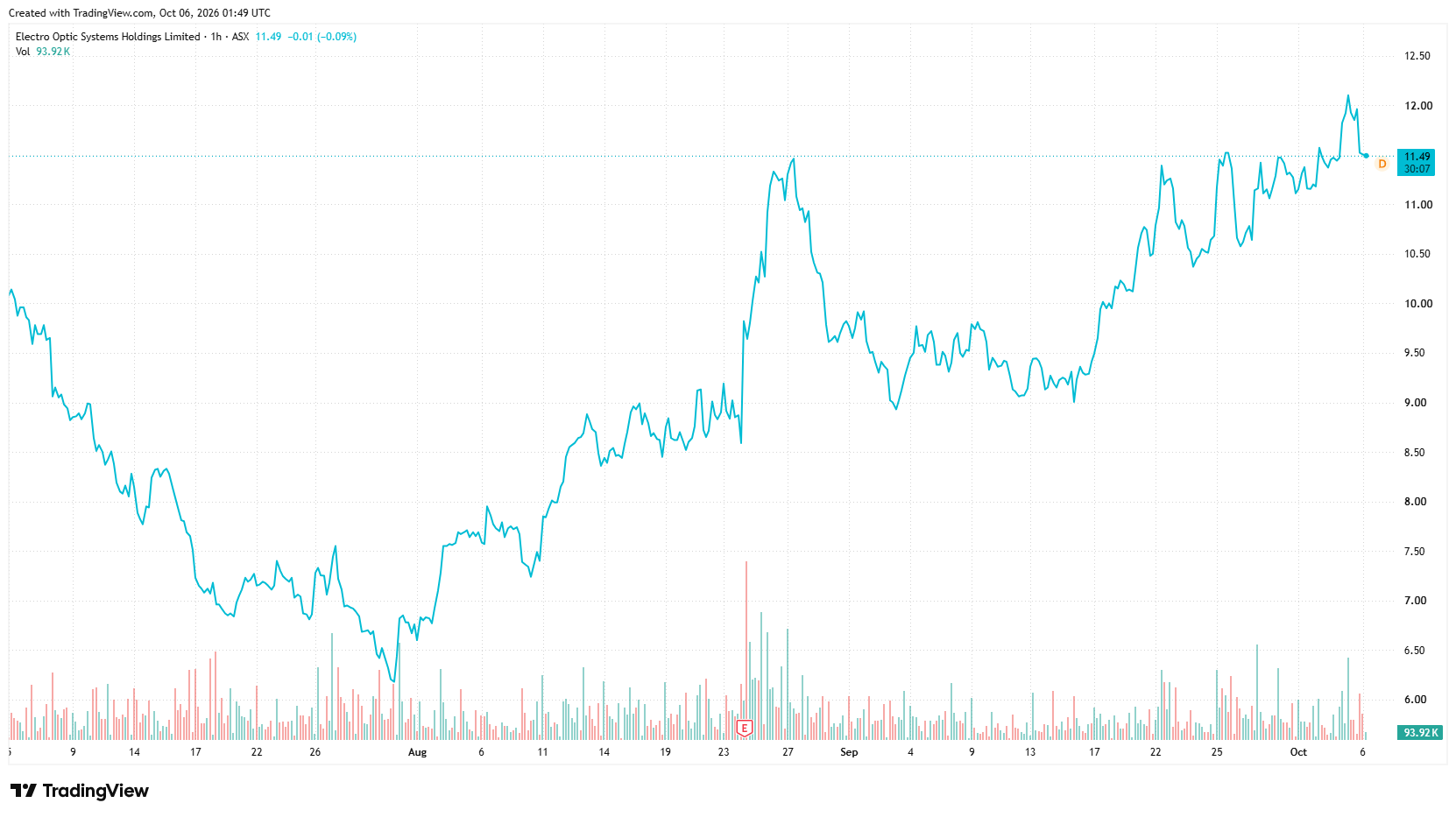
About Electro Optic Systems Holdings Ltd. Electro Optic Systems Holdings Limited engages in the development, manufacture, and sale of telescopes and dome enclosures, laser satellite tracking systems, remote weapon systems, and high laser weapon. It operates through Defense Systems and Space Systems segments. The company develops, manufactures, and markets fire control, surveillance, weapon systems, and high energy laser to military customers. It also provides passive optical and laser sensing equipment; optical, microwave and on-the-move radio and satellite products; and laser-based surveillance systems with space tracking capability. In addition, the company offers counter-drone, firepower, force protection, and UGV and marine lethality systems, as well as high energy laser weapon; optical tracking systems, space control, space domain awareness, satellite laser ranging, space sustainability, and precision optics. It operates in Australia, the United States, Singapore, the United Arab Emirates, the United Kingdom, New Zealand, the Netherlands, North America, Germany, and rest of Europe. Electro Optic Systems Holdings Limited was founded in 1983 and is based in Symonston, Australia. Source: EODHD Key Stats
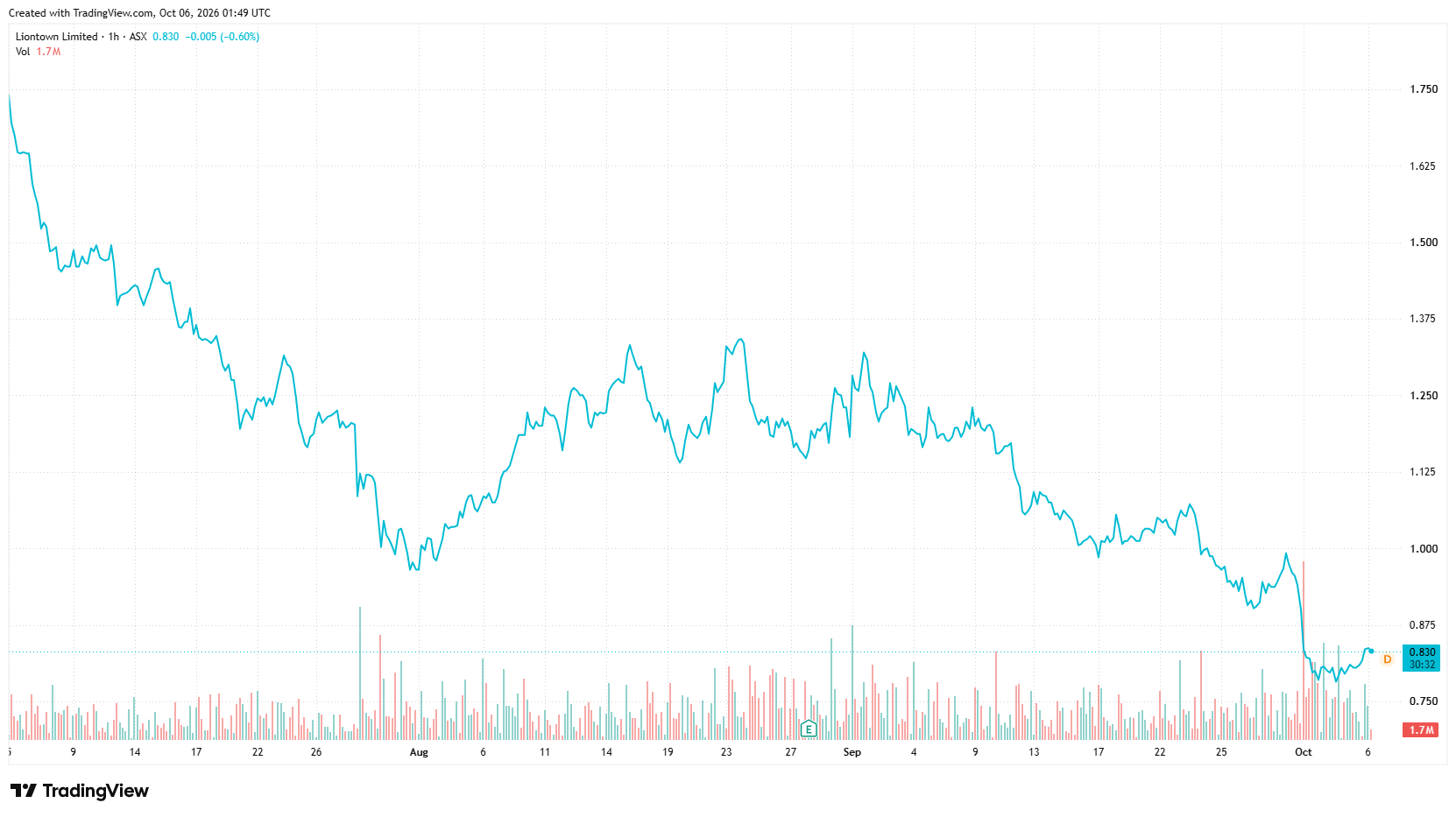
About Liontown Ltd. Liontown Limited engages in the exploration, evaluation, and development of mineral properties in Australia. It primarily explores for lithium, gold, and nickel deposits. The company's flagship property is the Kathleen Valley lithium project located in Perth, Western Australia. The company was formerly known as Liontown Resources Limited and change its name to Liontown Limited in November 2025. Liontown Limited was incorporated in 2006 and is headquartered in West Perth, Australia. Source: EODHD Key Stats
The RBA has raised rates to 4.60% as inflation pressures persist. Explore the impact of energy costs, AI demand and the key signals investors should watch next.

Discover how advances in genomics, AI, diagnostics and gene editing are creating a broader healthcare opportunity and where commercial value is emerging.

The AI trade is being forced to rethink the pace of progress. Here is what investors should watch across Nvidia, chips, AI spending, software and adoption.

Copper is at a record high, yet the global market still has a surplus. So where is all the copper, and why is it becoming harder to find?
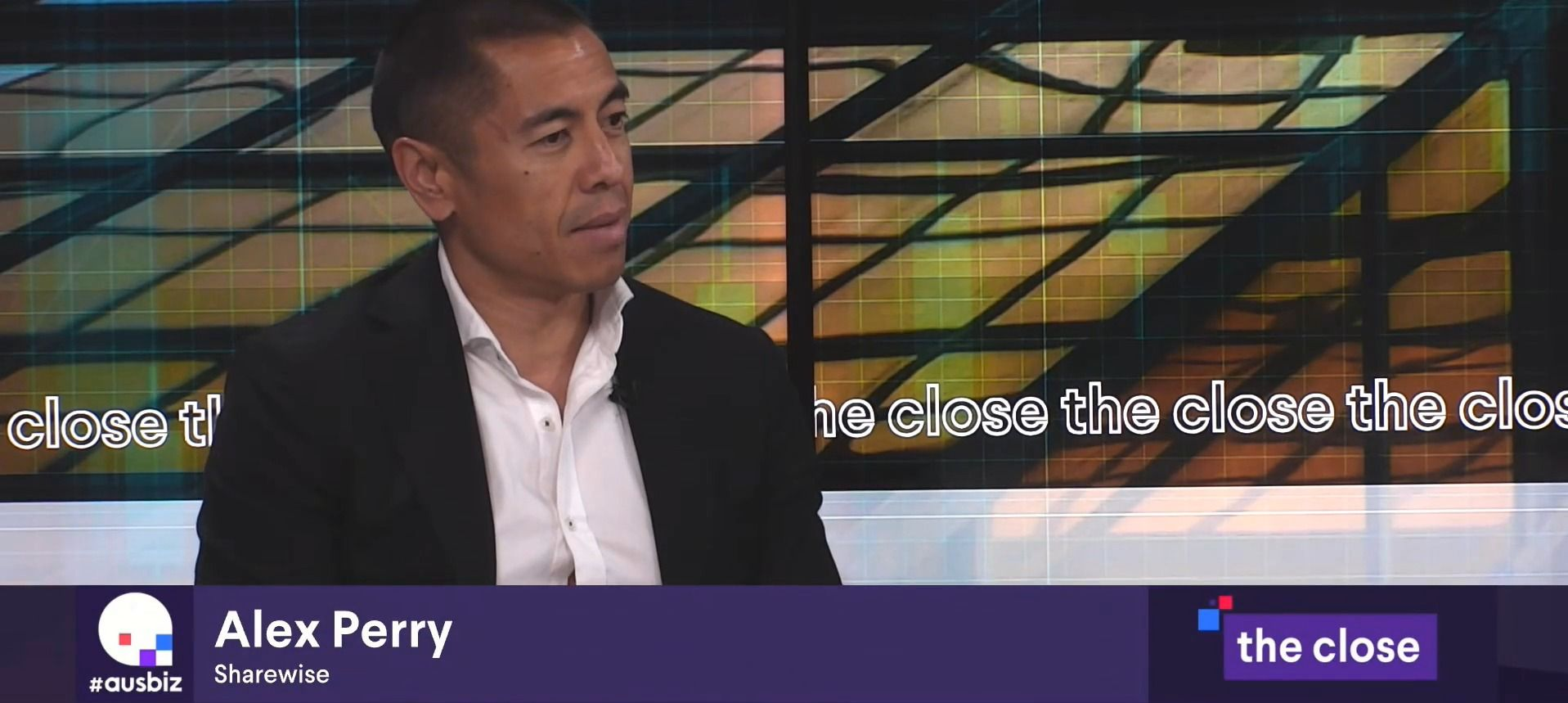
Sharewise CEO Alex Perry sat down with ausbiz to unpack how the platform approached FY26, a year in which it reported an ASX return of almost 11% and a US return above 32%. The conversation ranged from the AI infrastructure theme to specific names on Perry's radar in resources and quantum computing. Here's a rundown of the key points.
