
Trump’s Venezuela Play: What the Maduro's Detention Means for Markets

The move immediately altered the geopolitical landscape across the Americas. It raised difficult legal and diplomatic questions and, because Venezuela remains an oil-producing nation, forced markets to reassess supply risk, sanctions enforcement and the stability of existing energy trade relationships.
What matters for markets is not the drama of regime change, but what comes next. Political shocks only influence asset prices when they affect cash flows, supply chains or policy settings. In this case, the focus has quickly shifted to how U.S.–Venezuela relations evolve, how sanctions are enforced, and whether oil supply dynamics change at the margin.
U.S.–Venezuela Relations and Oil Sanctions
Venezuela has been at the centre of U.S. foreign policy for more than a decade. The reason is straightforward: oil. The country holds some of the world’s largest proven reserves, and hydrocarbons have long been the backbone of its economy.
Since Nicolás Maduro came to power, successive U.S. administrations have imposed sanctions designed to restrict access to global finance and limit oil revenues. These measures targeted the state-owned producer PDVSA, constrained crude exports and froze assets linked to senior officials.
The market impact of these sanctions has been felt most clearly during periods of tight supply. Reduced Venezuelan exports contributed to tighter physical balances at various points, particularly when combined with OPEC+ production discipline or other geopolitical disruptions. For the United States, cutting Venezuelan oil imports aligned with broader energy security and foreign policy goals, while also indirectly supporting domestic shale production.
Sanctions, however, did not remove Venezuelan oil from the market entirely. Instead, they reshaped trade flows. Exports were redirected through less transparent channels, and Venezuela deepened commercial ties with countries such as China and Russia, which were willing to absorb displaced supply.
Trump’s Policy Influence and Recent Legal Developments
During his presidency, Donald Trump pursued a particularly hardline approach to Venezuela. The administration imposed broad sanctions and formally recognised opposition leader Juan Guaidó as interim president in an effort to isolate the Maduro government and apply economic pressure.
Oil was central to that strategy. By targeting the sector that funded the state, sanctions aimed to weaken Maduro’s political position rather than simply punish the economy.
More recently, legal developments involving Trump have added another layer of uncertainty to the policy backdrop. While the current U.S. administration controls sanctions and diplomacy, political volatility in Washington can influence how durable and credible those policies appear to external actors.
For Venezuelan policymakers and their partners, U.S. domestic politics are closely watched. Shifts in tone, enforcement or priorities can influence decisions around oil production, marketing and export routes, even before any formal policy change occurs.
For markets, the key point is simple: domestic political developments in the United States can have international consequences. Even without immediate changes in physical oil supply, uncertainty around sanctions enforcement and diplomatic direction can move prices, volatility and risk sentiment.
Market Implications – Oil and Energy
The initial market response has reflected uncertainty rather than confirmed supply disruption. Venezuela’s oil production remains well below historical levels after years of underinvestment and sanctions, limiting its ability to materially alter global supply balances. That said, in a market with tight spare capacity, even marginal changes in Venezuelan exports can influence price sensitivity, particularly in heavy crude grades. Historically, both Brent and WTI benchmarks have responded to sanctions announcements and political instability across oil-producing regions, with near-term effects more often expressed through higher risk premia than immediate physical shortages.
For energy markets, sanctions enforcement remains the more consequential variable than the political event itself. Past restrictions did not remove Venezuelan oil from the market entirely but redirected flows toward alternative buyers through longer, more opaque supply chains. Any adjustment to licensing conditions, shipping permissions or financial compliance requirements is therefore likely to have a more direct impact on physical supply and pricing than headline developments alone. Market reactions tend to be amplified when such shifts coincide with other constraints, including production discipline from OPEC+ or geopolitical disruptions elsewhere.
These dynamics have also flowed through to the Australian equity market. While the ASX is not directly exposed to Venezuelan supply, it remains sensitive to global oil prices and shifts in energy-related risk sentiment. Periods of heightened geopolitical uncertainty have tended to support international crude benchmarks, underpinning earnings expectations for ASX-listed energy producers with exposure to global pricing rather than domestic demand.
Australian energy stocks therefore tend to respond less to the political narrative itself and more to how global oil prices and risk premia adjust. Even when Venezuelan supply changes are marginal, tighter global balances and elevated uncertainty can translate into stronger pricing assumptions for Australian producers.
Wider Geopolitical and Macro Implications
Beyond the U.S.–Venezuela relationship, the episode reflects a broader shift in global energy geopolitics. Russia and China have expanded their involvement in Venezuela’s oil sector through financing, technology support and long-term offtake agreements. This has helped maintain exports despite sanctions.
Europe, while less directly exposed, continues to monitor enforcement closely given its own energy security concerns and the precedents such actions set for global trade.
At a macro level, energy security has become a strategic priority for governments. Diversifying supply chains, maintaining strategic reserves and investing in alternative energy sources are increasingly viewed as ways to manage geopolitical vulnerability, not just climate or economic objectives.
Because oil markets are globally connected, political developments in one region can ripple through pricing, trade flows and long-term investment decisions elsewhere.
Investor Considerations and Key Risks
The evolving Trump–Venezuela dynamic underscores why political risk has become a core input into investment decision-making rather than a peripheral consideration. Exposure extends beyond energy equities to emerging market ETFs, sovereign bonds in sanctioned jurisdictions and, indirectly, to commodity-linked stocks, inflation expectations and currency markets as investors reassess energy pricing and risk sentiment.
Scenario thinking is critical in this environment. In the short term, markets are likely to respond to headlines, producing sharp but often temporary price movements that are not always anchored to changes in physical supply and demand. Over a longer horizon, shifts in U.S.–Venezuelan relations, shaped by political developments in Washington, could influence crude trade routes, refining economics and the broader supply balance managed by OPEC+.
Within Australian portfolios, broader market impacts have tended to emerge through changes in risk appetite. Periods of geopolitical uncertainty can prompt short-term rotations toward defensives and income-oriented stocks, while cyclicals and growth names may experience volatility as investors reassess global exposure and supply-chain risk. Resource stocks linked to global trade and emerging-market demand can also see heightened price sensitivity.
At a macro level, sustained strength in oil prices feeds into Australian inflation expectations, influencing interest rate assumptions and bond yields. This can create second-order effects across rate-sensitive sectors such as REITs, infrastructure and high-multiple equities. While Australia is removed from the immediate geopolitical flashpoint, its equity market remains exposed to the global transmission of energy prices and geopolitical risk.
Conclusion
The detention of Nicolás Maduro marks a significant geopolitical development, reinforcing how political events tend to influence energy markets through policy uncertainty and enforcement risk rather than immediate changes in physical supply. Venezuela’s oil sector remains constrained by sanctions and long-standing production challenges, but it continues to occupy an important place in geopolitical risk assessment due to its sensitivity to shifts in diplomatic posture, sanctions administration and international alignment.
Looking ahead, the most informative signals will be practical rather than political. Venezuelan export volumes, tanker movements and updates to U.S. sanctions guidance are likely to provide clearer insight into market impact than headline developments alone. Oil prices may remain sensitive to policy signals, while energy equities, ETFs and emerging-market assets will reflect differing levels of exposure depending on their reliance on stable trade flows and regulatory clarity.
The broader takeaway is that geopolitical uncertainty remains a persistent feature of the investment landscape. Tactical volatility and longer-term strategic risks are likely to coexist, particularly in energy markets where policy decisions can influence sentiment quickly. For Australian investors, the episode highlights how ASX performance, particularly across energy, resources and rate-sensitive sectors, is influenced by global oil markets and broader geopolitical developments. In this environment, disciplined monitoring and attention to underlying market fundamentals remain more informative than reacting to short-term political developments.
Subscribe to our newsletter
Disclaimer: This article does not constitute financial advice nor a recommendation to invest in the securities listed. The information presented is intended to be of a factual nature only. Past performance is not a reliable indicator of future performance. As always, do your own research and consider seeking financial, legal and taxation advice before investing.
Speak to an Advisor

Big Tech reports next week. Learn how to read earnings releases and filings, and what to look for in AI spending, cloud growth, cash flow and guidance.

Understand how AI investment could affect global financial stability, as the IMF and RBA warn of rising debt, market concentration and funding risks.

Firmus’ proposed mega-IPO puts a spotlight on the cost, capital intensity and risks of building AI infrastructure as investors weigh the next phase of the AI boom.
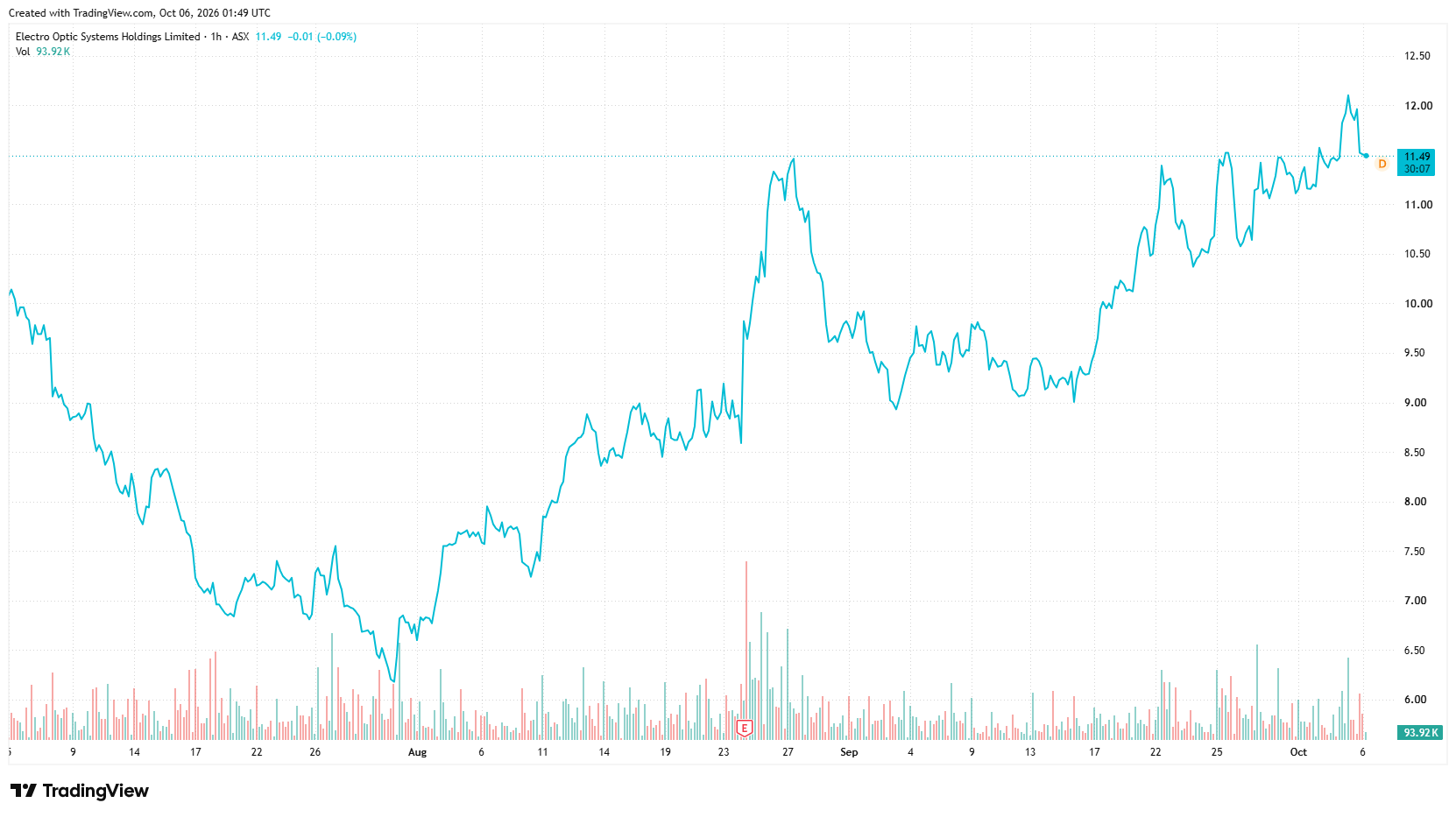
About Electro Optic Systems Holdings Ltd. Electro Optic Systems Holdings Limited engages in the development, manufacture, and sale of telescopes and dome enclosures, laser satellite tracking systems, remote weapon systems, and high laser weapon. It operates through Defense Systems and Space Systems segments. The company develops, manufactures, and markets fire control, surveillance, weapon systems, and high energy laser to military customers. It also provides passive optical and laser sensing equipment; optical, microwave and on-the-move radio and satellite products; and laser-based surveillance systems with space tracking capability. In addition, the company offers counter-drone, firepower, force protection, and UGV and marine lethality systems, as well as high energy laser weapon; optical tracking systems, space control, space domain awareness, satellite laser ranging, space sustainability, and precision optics. It operates in Australia, the United States, Singapore, the United Arab Emirates, the United Kingdom, New Zealand, the Netherlands, North America, Germany, and rest of Europe. Electro Optic Systems Holdings Limited was founded in 1983 and is based in Symonston, Australia. Source: EODHD Key Stats
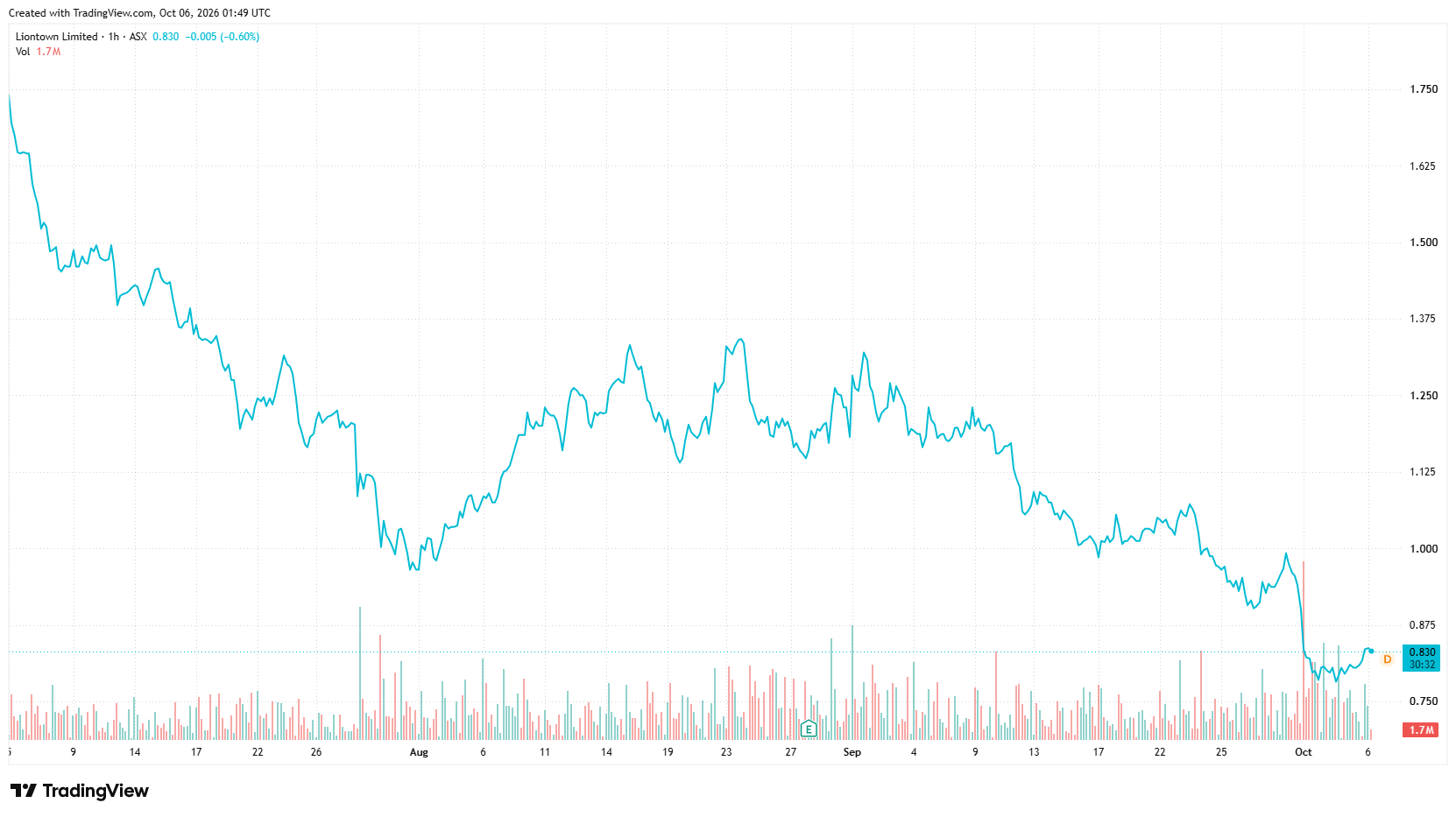
About Liontown Ltd. Liontown Limited engages in the exploration, evaluation, and development of mineral properties in Australia. It primarily explores for lithium, gold, and nickel deposits. The company's flagship property is the Kathleen Valley lithium project located in Perth, Western Australia. The company was formerly known as Liontown Resources Limited and change its name to Liontown Limited in November 2025. Liontown Limited was incorporated in 2006 and is headquartered in West Perth, Australia. Source: EODHD Key Stats
The RBA has raised rates to 4.60% as inflation pressures persist. Explore the impact of energy costs, AI demand and the key signals investors should watch next.

Discover how advances in genomics, AI, diagnostics and gene editing are creating a broader healthcare opportunity and where commercial value is emerging.

The AI trade is being forced to rethink the pace of progress. Here is what investors should watch across Nvidia, chips, AI spending, software and adoption.

Copper is at a record high, yet the global market still has a surplus. So where is all the copper, and why is it becoming harder to find?
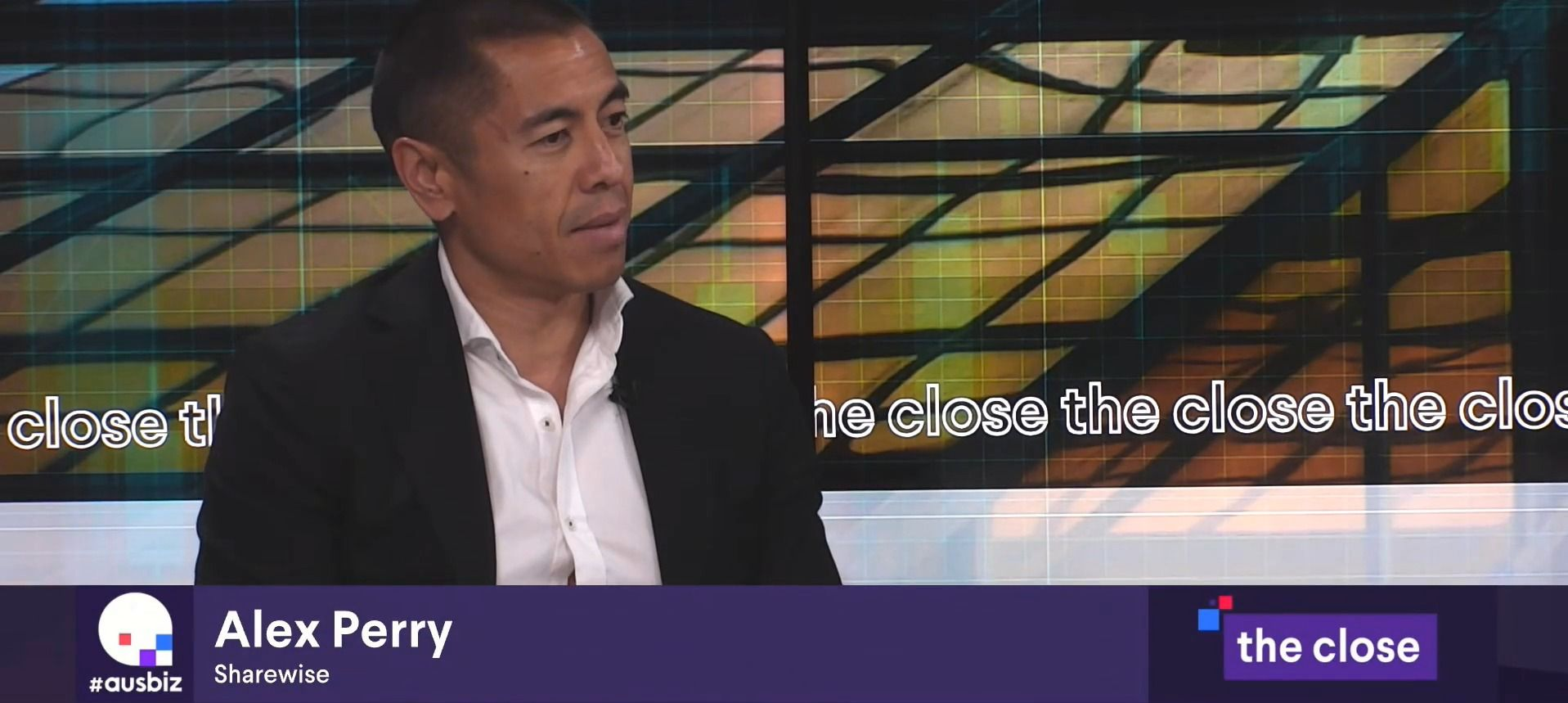
Sharewise CEO Alex Perry sat down with ausbiz to unpack how the platform approached FY26, a year in which it reported an ASX return of almost 11% and a US return above 32%. The conversation ranged from the AI infrastructure theme to specific names on Perry's radar in resources and quantum computing. Here's a rundown of the key points.
