The RBA Hits Pause, But the Fight Against Inflation Isn't Over
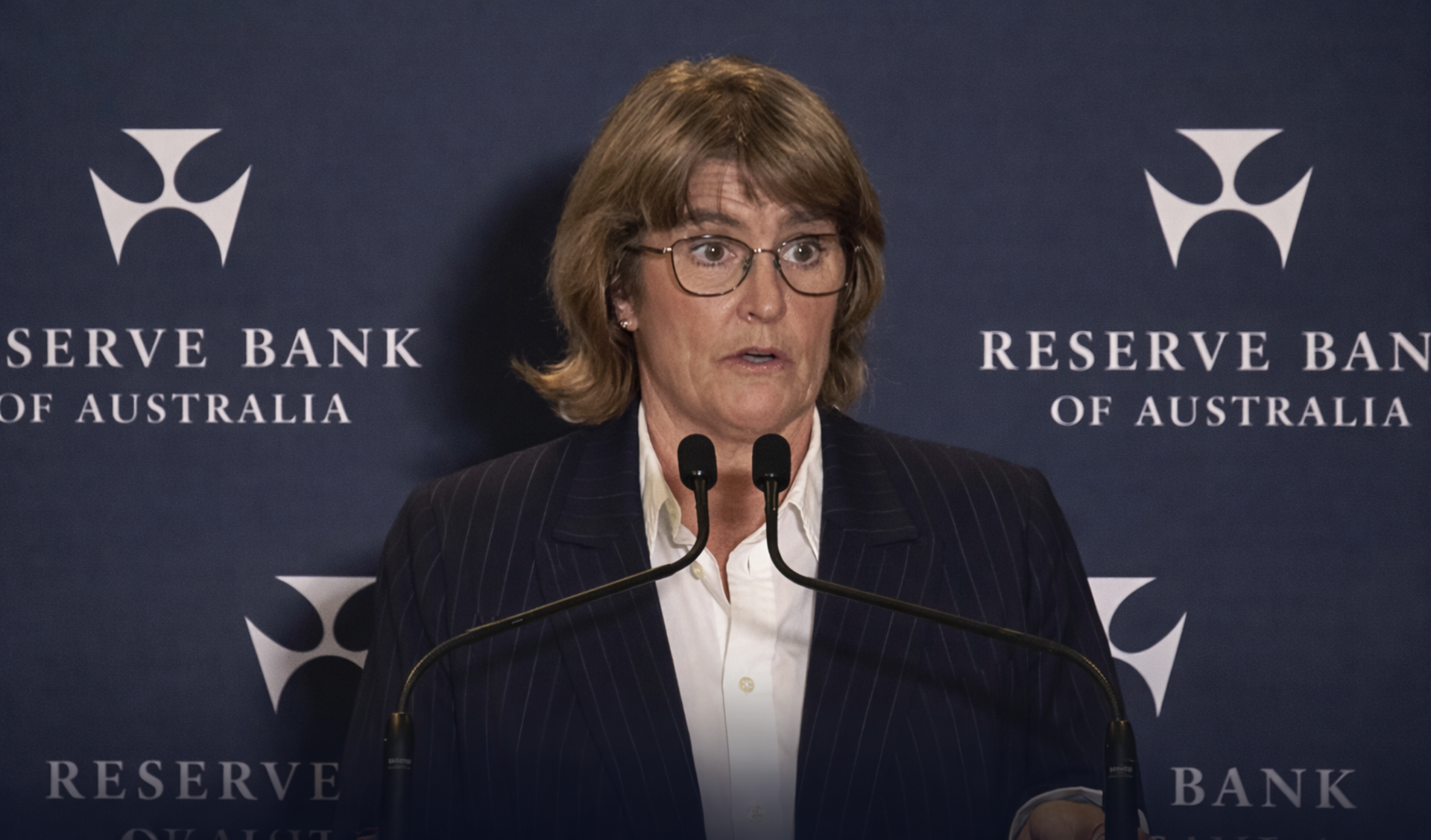
The Reserve Bank of Australia (RBA) has pressed pause on its interest rate tightening cycle, leaving the cash rate unchanged at AUD4.35% at its 16 June meeting after three consecutive 25 basis point rate increases in February, March and May. The decision was widely expected and offers welcome breathing room for households and businesses that have spent much of the year adjusting to higher borrowing costs.
What mattered more, however, was the RBA's message. While the Board chose to hold rates steady, it made it clear the job is not done. Inflation is easing but remains above the Bank's 2% to 3% target range, and policymakers reiterated they are prepared to raise rates again if price pressures prove more persistent than expected. The pause should therefore be viewed as an opportunity to assess how the economy is responding to earlier rate increases, rather than as a signal that rate cuts are imminent.
That distinction matters because interest rate decisions extend well beyond mortgage repayments. The cash rate sits at the centre of Australia's financial system, influencing company valuations, business investment, bond yields, property markets and the relative appeal of cash compared with equities. Whether this pause marks the end of the tightening cycle or simply a temporary stop before further action will have important implications for portfolios over the months ahead.
Why the RBA Chose to Pause
The decision to leave interest rates unchanged reflects a careful balancing act between easing inflation and a slowing economy. After three consecutive 25 basis point rate increases since February, the Board judged that monetary policy is sufficiently restrictive to pause and assess how earlier rate rises are flowing through to households and businesses. Higher borrowing costs continue to weigh on consumer spending, business investment and broader economic activity, while many borrowers are only now rolling off fixed rate mortgages onto significantly higher variable rates. At the same time, inflation has continued to moderate, giving policymakers room to wait rather than tighten further.
This was a pause driven by assessment, not a shift towards easier policy. While economic growth has softened and the labour market has eased from the exceptionally tight conditions seen over the past two years, unemployment remains historically low and wage growth continues to support underlying inflation. The Board sees little benefit in rushing to either tighten or ease policy before gaining greater confidence that inflation is returning sustainably to its 2% to 3% target range.
The clearest message from the June meeting came in the Board's accompanying statement. Rather than signalling the tightening cycle is over, it reiterated that it "will do what it considers necessary" to achieve its inflation objective, including increasing the cash rate if required. That is not the language of a central bank preparing to ease policy. Instead, it reflects a Board that is buying time while keeping every option available until it has greater confidence that inflation is under control. For investors, the implication is clear: the RBA has paused, but it has not yet declared victory over inflation.
Why Inflation Remains the Biggest Challenge
The reason the RBA has kept the door open to further rate increases is straightforward: inflation is moderating, but it has not yet been beaten. Headline inflation eased to 4.2% in the year to April from 4.6% in March, continuing the gradual progress seen in recent months. While that is an encouraging trend, inflation remains well above the RBA's 2% to 3% target range. The direction is encouraging. The level is not. That gap explains why policymakers remain cautious about declaring victory.
Part of the challenge is that the nature of inflation has changed. Goods inflation, which surged during the pandemic as supply chain disruptions and higher shipping costs pushed prices higher, has eased considerably. Services inflation, however, has proved far more persistent. Industries such as healthcare, insurance, hospitality and professional services continue to face rising labour costs, increasing the likelihood that businesses pass those costs through to consumers. Unlike goods inflation, services inflation is driven primarily by domestic conditions and typically takes longer to unwind.
Wage growth remains another important piece of the puzzle. Although stronger wages support household incomes, they can also prolong inflation if productivity fails to keep pace and businesses respond by raising prices. That risk became more pronounced following the Fair Work Commission's decision to increase award wages by 4.75% and the national minimum wage by 6%, prompting RBA Governor Michele Bullock to acknowledge an upward revision to the Bank's wage forecasts. The labour market has eased, but it remains sufficiently resilient to sustain wage pressures that could slow inflation's return to target.
Global developments add another layer of uncertainty. The Board noted that while oil prices have eased in recent weeks, energy related commodity prices remain above levels seen before the conflict in the Middle East, leaving inflation vulnerable to renewed supply shocks. A sustained rise in energy prices would flow through to transport, freight and electricity costs, placing fresh upward pressure on inflation. With both headline and underlying inflation still above target, the Board has signalled that monetary policy is likely to remain restrictive until it is confident inflation is returning to target on a sustained basis, rather than responding to a handful of encouraging data releases.
What the Decision Means for Investors
A cash rate that stays elevated for an extended period creates its own investment environment. It is no longer the tightening cycle that punished long-duration assets, but nor is it the easing cycle that typically rewards them. Instead, investors are adjusting to a market where rates have stopped rising but remain restrictive, and that changes what the market rewards.
For Australian equities, quality is likely to matter more than ever. Companies with strong balance sheets, reliable cash flows and the pricing power to protect margins are generally better placed than businesses whose valuations rely heavily on distant future earnings. That helps explain why investors have started rotating back towards financials and other cyclical sectors, while remaining more selective around REITs, infrastructure and high-growth companies that are still sensitive to elevated discount rates. The story is becoming less about which sector to own and more about which businesses have the resilience to perform regardless of where interest rates settle.
The same shift is happening in income investing. For years, cash earned next to nothing, making dividend-paying shares the obvious choice for investors seeking income. That equation has changed. One-year term deposits now offer around 5.35%, while some savings accounts are approaching 5.75%, giving investors a genuine risk-free alternative for the first time in years. As a result, the focus is shifting away from simply chasing the highest dividend yield towards businesses capable of delivering sustainable dividends alongside long-term earnings growth.
Fixed income has also become more attractive after the sharp repricing in bond yields, offering income levels not seen for more than a decade. Property, however, continues to face headwinds. Higher borrowing costs are still weighing on affordability, buyer demand and commercial property valuations, even if the latest pause eases some immediate pressure. The broader lesson is that a higher-for-longer environment does not reward or punish every asset class equally. It increasingly separates businesses by balance sheet strength, pricing power and sensitivity to the cost of capital, making disciplined stock selection more important than simply backing the market as a whole.
What Investors Should Watch Next
The June decision may have settled the question for now, but it has done little to resolve what comes next. In fact, the August meeting is shaping up to be one of the most closely watched RBA decisions in recent years. The major banks are divided on the outlook, highlighting just how uncertain the path for interest rates has become. Commonwealth Bank, NAB and ANZ expect the next move could be a rate cut if inflation continues to ease, while Westpac remains the outlier, forecasting further increases on the view that wage growth and energy costs could keep inflation elevated. Markets currently sit somewhere in between, pricing roughly a one-in-two chance of another rate increase before the year is out. When credible forecasts range from cuts to hikes, every major economic release takes on greater significance.
The June quarter inflation figures will be the most important test. The monthly CPI indicator due on 24 June, followed by the quarterly inflation data ahead of the August meeting, will provide the clearest indication of whether price pressures are continuing to moderate or proving more persistent than expected. Labour market data will also be closely watched, as the RBA looks for further evidence that employment conditions are gradually easing without triggering a sharp deterioration in the economy. Consumer spending will offer another important signal, revealing whether higher borrowing costs are cooling demand enough to reduce inflationary pressure.
Wage growth and global developments complete the picture. Following the Fair Work Commission's latest wage decision, policymakers will be assessing whether stronger pay rises are matched by productivity gains or instead feed into higher services inflation. At the same time, developments overseas, particularly the direction of interest rates in the United States and other major economies, will continue influencing financial conditions, capital flows and the Australian dollar. None of these indicators will determine the RBA's next move in isolation, but together they will shape whether the current pause marks the end of the tightening cycle or simply an opportunity to assess the need for further action.
Final Thoughts
The Reserve Bank's pause is real, and for borrowers it is welcome. But a pause is not a declaration of victory, and the board took care not to let it be read as one. By holding unanimously while explicitly keeping the option to hike on the table, it signalled that the inflation fight is paused rather than won. Inflation is heading in the right direction without yet being in the right place. The August decision is genuinely two-sided, turning on whether the slowdown or the stubbornness of prices proves the more durable force. Policy may well become less restrictive over time, but the timing is far from settled, and the risk runs in both directions.
For investors, the lesson is to stay focused on fundamentals rather than the noise of a single decision, to remain disciplined in positioning, and to prepare for the possibility that rates hold higher for longer than many expect. The pause buys the board time to watch. It buys investors the same, and the watching is where the work now lies.
Subscribe to our newsletter
Disclaimer: This article does not constitute financial advice nor a recommendation to invest in the securities listed. The information presented is intended to be of a factual nature only. Past performance is not a reliable indicator of future performance. As always, do your own research and consider seeking financial, legal and taxation advice before investing.
Speak to an Advisor