
Markets React: Oil Prices Fall as U.S.–Iran Talks Resume
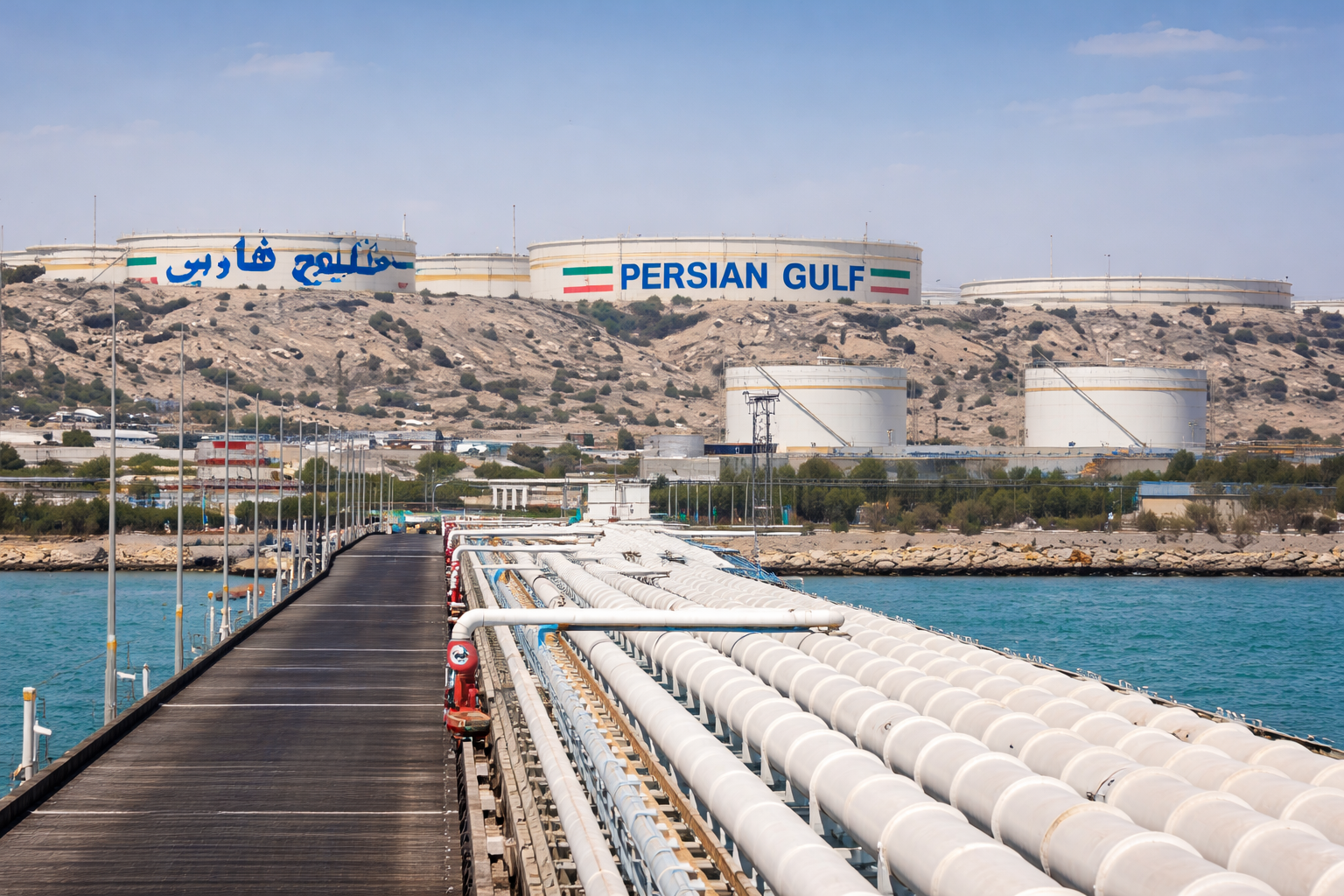
The shift appears to reflect diplomatic signalling rather than military escalation. Iran has indicated a willingness to reach an agreement, and for now, markets are assigning credibility to that stance. A third round of nuclear negotiations between Washington and Tehran is currently under way in Geneva, with U.S. representatives engaging Iranian Foreign Minister Abbas Araghchi and Oman acting as mediator. The White House has reiterated that diplomacy remains the preferred course, while maintaining that military options remain available should talks stall, with an informal deadline reportedly falling in early March.
Oil markets are therefore walking a narrow tightrope. If negotiations progress meaningfully, the prospect of sanctions relief and the return of additional Iranian barrels to global supply becomes increasingly plausible. If talks deteriorate, the geopolitical risk premium could reprice quickly. For investors, the outcome of these discussions is likely to move prices sharply in either direction over the near term.
What Is Actually Going On
Iran was once among the world’s largest oil producers, until sanctions severely curtailed its export capacity.
Years of U.S.-led economic pressure have kept millions of Iranian barrels off the global market, tightening supply relative to where it might otherwise sit. In the absence of the current geopolitical tension and military rhetoric, Brent crude would likely be trading closer to the USD 60 to USD 65 per barrel range. The move above USD 70 in recent months has reflected a geopolitical risk premium embedded in prices.
When Iran signals a willingness to engage in negotiations, that premium begins to unwind, contributing to near-term price weakness. Importantly, however, no additional Iranian supply has yet entered the market. The recent move in crude reflects a shift in expectations rather than any realised increase in output. Oil is currently trading on the probability of future outcomes rather than a confirmed change in supply dynamics, a distinction that is critical for investors given how rapidly those probabilities can change.
Two Outcomes, Two Very Different Oil Markets
If an agreement is reached, Iranian crude would gradually return to a market that is already adequately supplied. Current projections suggest the global oil balance is trending toward surplus conditions this year, even without additional Iranian volumes. The reintroduction of those barrels would increase downside pressure on prices, potentially drawing Brent back toward the USD 60 level or lower. Petrol prices would likely ease, energy equities could reprice to reflect lower realised margins, and the embedded geopolitical risk premium could unwind quickly.
Conversely, a breakdown in talks would reintroduce acute escalation risk. Iran has already demonstrated its capacity to disrupt regional stability, including temporary restrictions in the Strait of Hormuz during recent military exercises. The Strait facilitates roughly 31% of global seaborne crude flows, making it one of the most strategically significant energy chokepoints in the world. Any material disruption to traffic through this corridor would likely trigger a sharp upward repricing in crude and a corresponding rally in global energy stocks.
Between these two outcomes lies a more protracted scenario. Negotiations continue beyond Geneva, no formal agreement is reached, yet no direct military action occurs. In such an environment, oil prices may trade within a volatile range, driven by headlines and incremental diplomatic signals rather than structural supply changes. For investors, this middle ground is challenging to navigate, not because the potential outcomes are unclear, but because the absence of a decisive catalyst limits conviction and complicates positioning.
The Bigger Picture: Iran Is Not the Only Thing Moving Oil
While Iran is the immediate catalyst, the broader oil market was already entering a more complex phase.
Supply is no longer as constrained as it once was. Production from major exporters has remained resilient, inventories are building, and the market is not short of oil. In some forecasts it is already edging toward oversupply.
Venezuela has also re-entered geopolitical discussions, but structural constraints remain significant. Decades of underinvestment, sanctions, and deteriorated infrastructure have limited the country’s effective production to well below theoretical capacity. Meaningful output recovery would require extensive capital expenditure over multiple years. Even with political developments and easing sanctions, any material supply uplift is unlikely to be a near-term story for 2026.
On the demand side, the global growth outlook has softened. Trade tensions and policy uncertainty are weighing on economic activity, dampening expectations for energy consumption.
Iran does not create this dynamic; it accelerates it. A successful deal would add to existing supply pressure, while a breakdown might delay the adjustment but does not remove the underlying trend of supply growth outpacing demand.
What It Means for Australian Investors
For Australian households, lower oil prices are broadly positive. Cheaper crude feeds through to lower petrol costs, easing inflationary pressures and potentially giving the Reserve Bank of Australia more flexibility to cut interest rates sooner. For mortgage holders, the effect is immediate and tangible. Monitoring upcoming CPI releases, particularly the April print, will indicate whether fuel costs are contributing to disinflation and influencing the RBA’s policy timing.
The ASX energy sector presents a more nuanced picture. Companies such as Woodside Energy Group Ltd, Santos Limited, and Beach Energy are directly exposed to oil price movements. A deal that lowers prices may weigh on earnings, while a breakdown could provide a short-term tailwind. Australian LNG exports add complexity, as many contracts are oil-linked, meaning falling crude can reduce revenues beyond headline production figures. Investors should focus on price assumptions in upcoming guidance, not just production volumes.
For superannuation members, most balanced options include indirect exposure to global energy markets through international equities. While there is no need to restructure portfolios, those in high-growth options with significant U.S. energy holdings should understand how oil price scenarios could influence returns. Overall, the Iran situation matters more through its effect on inflation and interest rates than through direct energy stock exposure. For most Australians, the petrol pump remains the primary channel connecting geopolitical developments to household finances.
Portfolio Insights
Avoid premature positioning. The Geneva outcome is binary and unpredictable. Heavy positioning before a clear signal is speculation, not strategy. Wait for clarity before acting.
Rate-sensitive opportunities if a deal is reached. Lower oil and inflation could accelerate Reserve Bank of Australia easing. ASX sectors likely to benefit include REITs, utilities, and consumer discretionary. These second-order effects can provide steady upside.
Short-term energy trades if talks collapse. A breakdown could spike oil prices, offering a temporary tailwind for companies such as Woodside Energy Group Ltd and Santos Limited. Gains may reverse quickly if tensions ease, making selective trading preferable to long-term holds.
Use the Strait of Hormuz as a real-time risk gauge. Any Iranian military activity in the Strait signals rising escalation risk and is more reliable than diplomatic statements.
Keep the broader market context in mind. Even with a deal, global oil supply is trending toward oversupply. Energy stocks that rallied on geopolitical risk may retrace gains once the immediate threat subsides.
Focus on the longer-term oil trajectory. For investors with a multi-month horizon, a sustained move toward USD 60 Brent is the scenario most likely to influence Australian interest rates and accelerate potential RBA cuts. This is the trend worth monitoring closely.
Conclusion
The resumption of U.S.–Iran talks has introduced a significant new variable into an already evolving oil market. Prices have softened in response to early diplomatic signals, but these movements reflect expectations rather than actual changes in supply. The real story lies ahead: whether negotiations deliver increased Iranian exports or heightened geopolitical risk will shape the trajectory of oil markets in the coming weeks and months.
The implications extend beyond crude itself. Oil is deeply connected to global inflation, monetary policy, and broader financial market sentiment. A successful deal that eases geopolitical risk could moderate inflationary pressures, influence central bank decisions, and support risk assets more broadly. Conversely, a breakdown could tighten supply expectations, spike energy prices, and reinforce volatility across commodities, equities, and currencies. The interplay between geopolitical developments and macroeconomic trends makes oil a barometer for wider market dynamics.
For investors, the central risk is not merely the outcome of these talks but the speed and magnitude with which sentiment and prices can shift. Markets can reprice aggressively on headlines, and short-term swings may not align with longer-term fundamentals. Patience, disciplined positioning, and a clear understanding of risk exposure will be essential. Those who respond reflexively to headline-driven volatility risk overreacting, while those who monitor developments carefully and integrate them into broader market context can identify opportunities and protect portfolios amid uncertainty.
Subscribe to our newsletter
Disclaimer: This article does not constitute financial advice nor a recommendation to invest in the securities listed. The information presented is intended to be of a factual nature only. Past performance is not a reliable indicator of future performance. As always, do your own research and consider seeking financial, legal and taxation advice before investing.
Speak to an Advisor

Firmus’ proposed mega-IPO puts a spotlight on the cost, capital intensity and risks of building AI infrastructure as investors weigh the next phase of the AI boom.
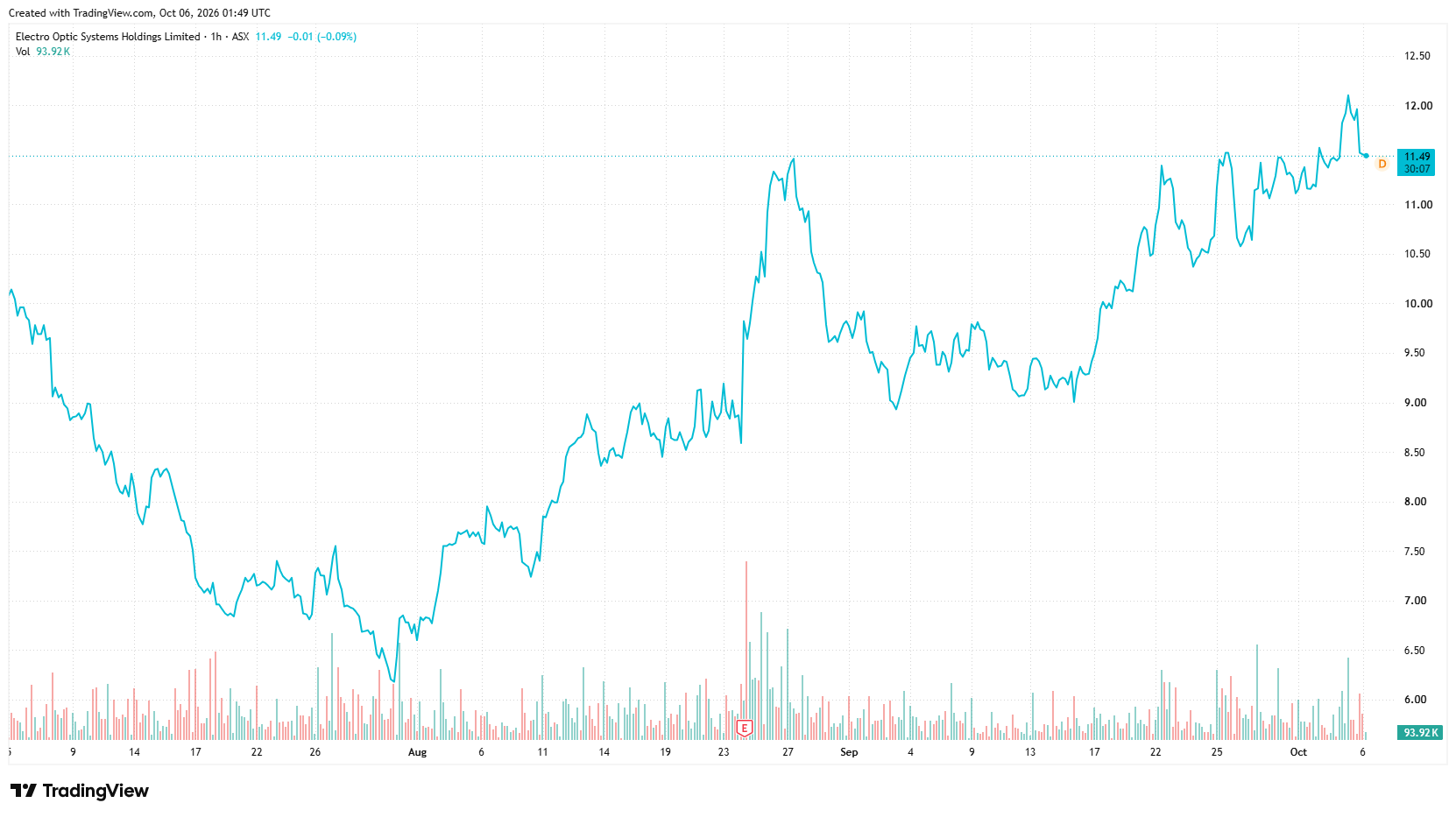
About Electro Optic Systems Holdings Ltd. Electro Optic Systems Holdings Limited engages in the development, manufacture, and sale of telescopes and dome enclosures, laser satellite tracking systems, remote weapon systems, and high laser weapon. It operates through Defense Systems and Space Systems segments. The company develops, manufactures, and markets fire control, surveillance, weapon systems, and high energy laser to military customers. It also provides passive optical and laser sensing equipment; optical, microwave and on-the-move radio and satellite products; and laser-based surveillance systems with space tracking capability. In addition, the company offers counter-drone, firepower, force protection, and UGV and marine lethality systems, as well as high energy laser weapon; optical tracking systems, space control, space domain awareness, satellite laser ranging, space sustainability, and precision optics. It operates in Australia, the United States, Singapore, the United Arab Emirates, the United Kingdom, New Zealand, the Netherlands, North America, Germany, and rest of Europe. Electro Optic Systems Holdings Limited was founded in 1983 and is based in Symonston, Australia. Source: EODHD Key Stats
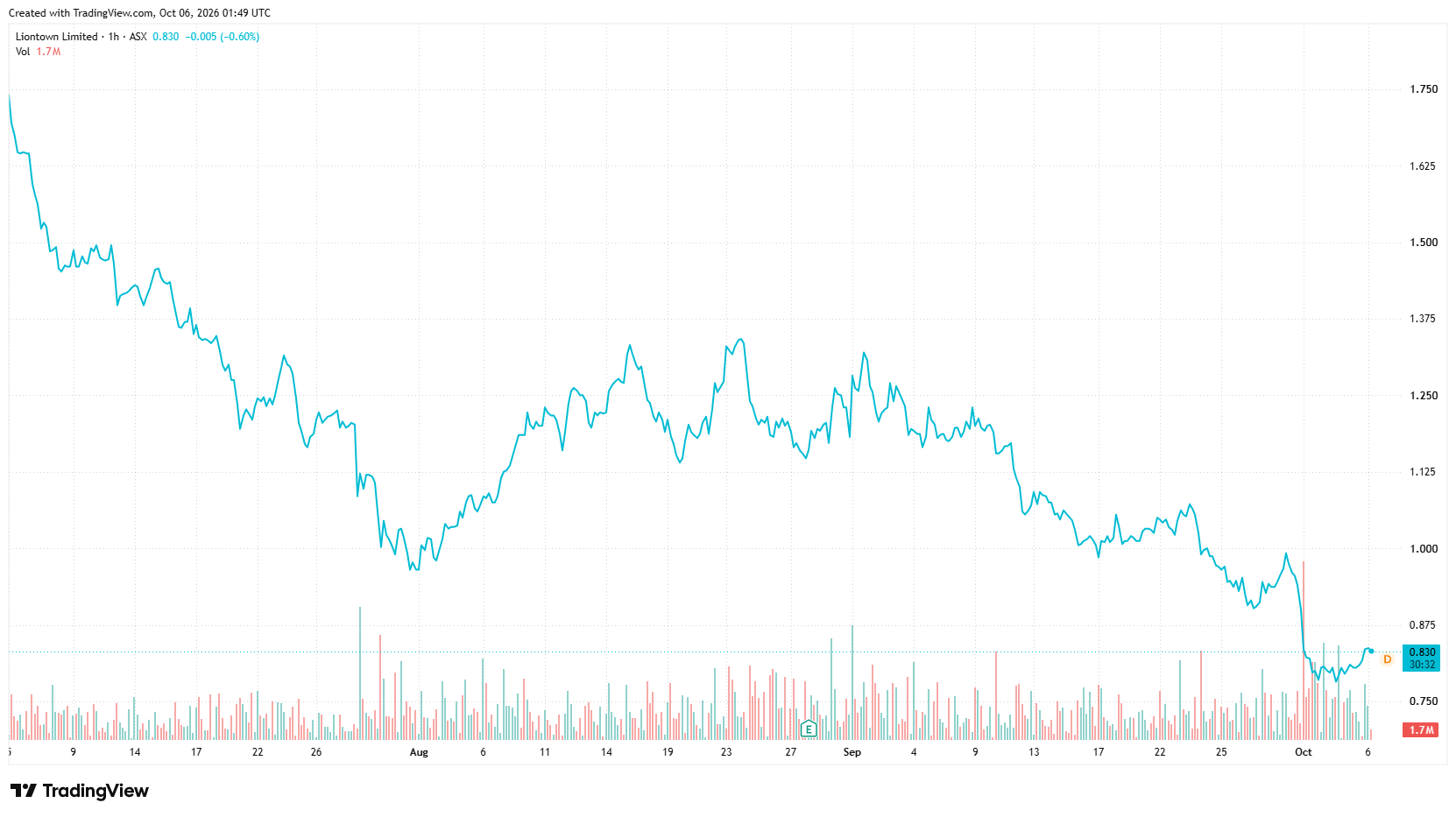
About Liontown Ltd. Liontown Limited engages in the exploration, evaluation, and development of mineral properties in Australia. It primarily explores for lithium, gold, and nickel deposits. The company's flagship property is the Kathleen Valley lithium project located in Perth, Western Australia. The company was formerly known as Liontown Resources Limited and change its name to Liontown Limited in November 2025. Liontown Limited was incorporated in 2006 and is headquartered in West Perth, Australia. Source: EODHD Key Stats
The RBA has raised rates to 4.60% as inflation pressures persist. Explore the impact of energy costs, AI demand and the key signals investors should watch next.

Discover how advances in genomics, AI, diagnostics and gene editing are creating a broader healthcare opportunity and where commercial value is emerging.

The AI trade is being forced to rethink the pace of progress. Here is what investors should watch across Nvidia, chips, AI spending, software and adoption.

Copper is at a record high, yet the global market still has a surplus. So where is all the copper, and why is it becoming harder to find?
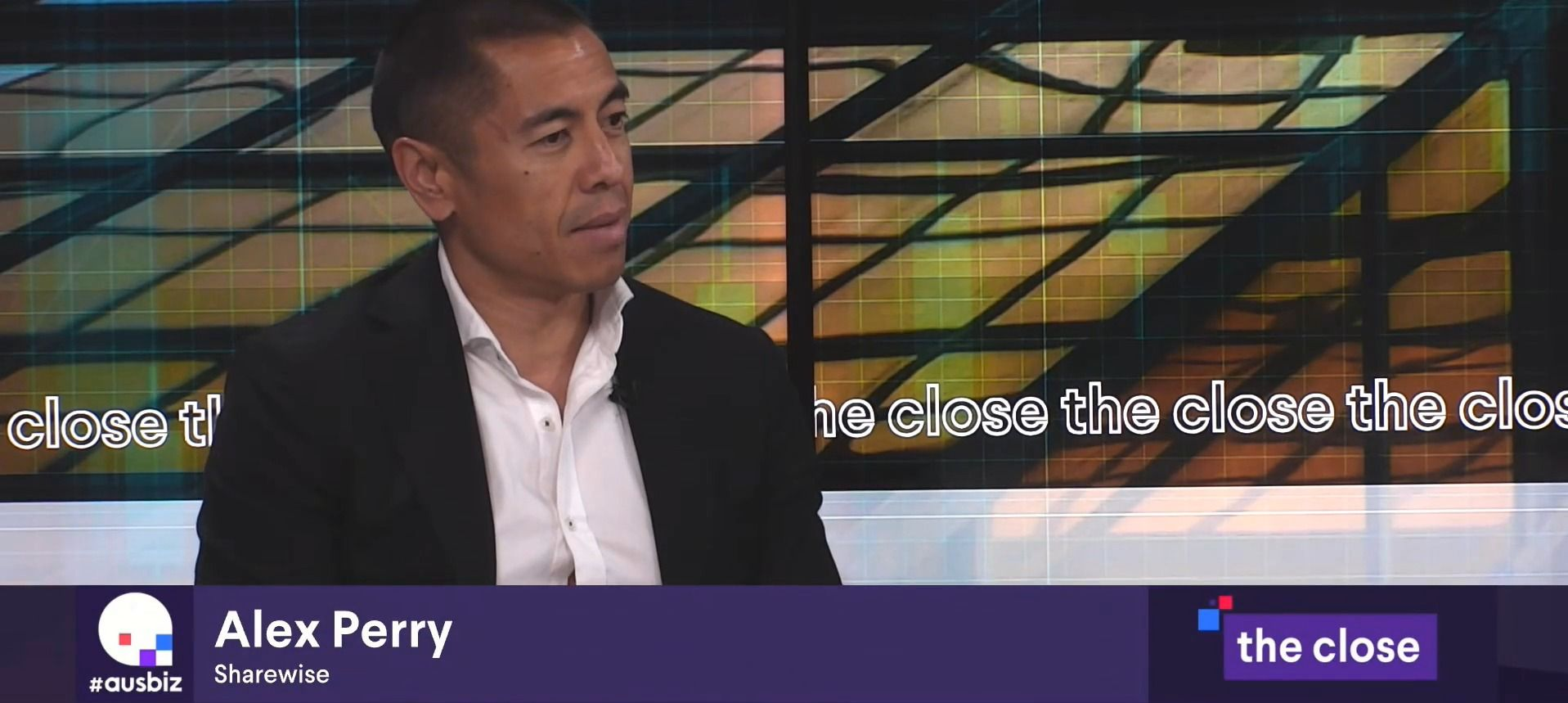
Sharewise CEO Alex Perry sat down with ausbiz to unpack how the platform approached FY26, a year in which it reported an ASX return of almost 11% and a US return above 32%. The conversation ranged from the AI infrastructure theme to specific names on Perry's radar in resources and quantum computing. Here's a rundown of the key points.

Warsh gave markets a framework, not a forecast. What his first Jackson Hole keynote means for inflation, rates, forward guidance and the outlook for equities.
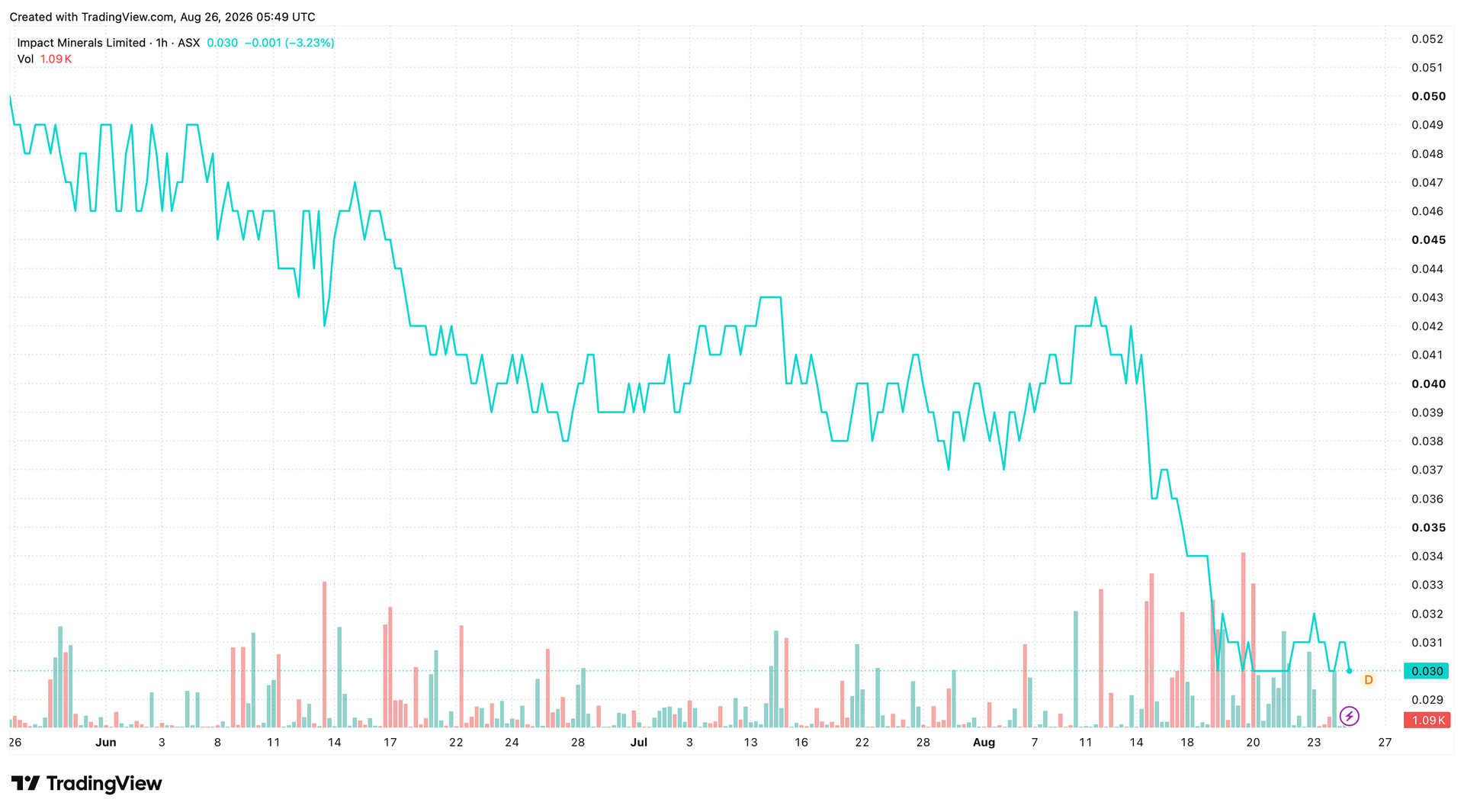
Get the latest on Impact Minerals (ASX: IPT), including stock performance, technical analysis, forecasts & key insights. See if IPO supports your goals.
